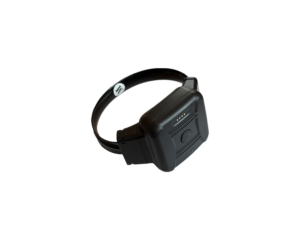

If you or a client is searching how to get an ankle monitor removed, the shortest accurate answer is: only a court or supervising agency can authorize removal, and only trained staff should physically detach the device. This article explains the ankle monitor removal process in plain English—without encouraging anyone to tamper with equipment—and links to broader context on how monitoring works.
Start with what is an ankle monitor? for device basics, then read probation ankle monitor programs for how community supervision layers conditions onto technology.
Legal authority: judges, orders, and supervision agencies
Ankle monitors operate as court- or agency-imposed conditions. The written order typically specifies technology type (GPS, RF, alcohol, hybrid), geographic exclusions, curfew windows, and reporting expectations. Removing the device without changing that order is not a technical “uninstall”—it is usually a violation with immediate downstream consequences (warrant, hold, or revocation hearing depending on context).
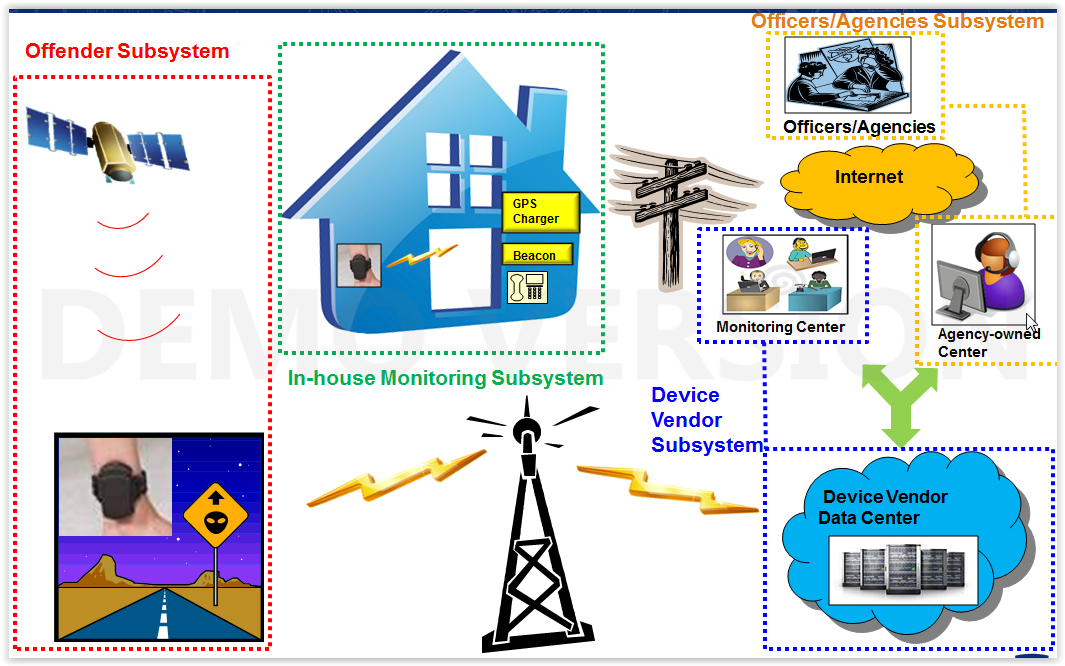
Defense counsel normally seeks a motion to modify conditions or a stipulated order when facts support less restrictive supervision. Supervision officers may document compliance and risk changes in reports that courts rely on, but the officer is not a substitute for judicial authority when the order must change.
Early ankle monitor removal: good behavior, time served, and graduated sanctions
Early removal—ending GPS or RF monitoring before the nominal end date—depends on legal eligibility, not personal preference. Factors courts and agencies commonly weigh include:
- Stable compliance history (appointments, curfew, exclusion zones)
- Completion of treatment or assessment milestones where ordered
- Absence of new criminal allegations or technical violations
- Victim-safety considerations in DV and protective-order dockets
- Statutory frameworks that cap or guide EM use for certain offense classes
Some jurisdictions use step-down approaches: high-intensity GPS first, then reduced reporting or alternative check-ins after sustained compliance. That is not “removal” on day one, but it is how many programs balance risk and liberty interests.
Typical ankle monitor duration by supervision type
- Pretrial: often continues until disposition or a judge substitutes conditions; timelines track case length.
- Probation: may mirror probation term segments or apply only to specific phases; modifications require court process.
- Parole/post-release: frequently tied to release plans and risk reviews; parole boards or officers follow state law.
- House arrest / home confinement: may be measured in months; removal coincides with order expiration or conversion to standard supervision.
Because statutes differ, never assume another state’s blog post timeline applies to your docket.
Why ankle monitor removal requests get denied
Even strong compliance does not guarantee approval. Common denial drivers include new investigations, outstanding warrants, repeated alert patterns interpreted as evasion, substance-use violations where testing is a condition, unpaid fees where courts link payment to program participation (a controversial but real practice in some places), and ongoing victim-safety risk in protective-order contexts.
Authorized removal procedure: what to expect on the appointment
- Written authorization: court order modification or agency release paperwork is confirmed.
- Scheduled removal: officer or vendor technician meets the participant—often at a field office—not ad hoc at home unless policy allows.
- Device integrity check: staff verify strap and case condition; tamper flags are cleared per SOP.
- Chain of custody: hardware returns to evidence or vendor logistics with serial tracking.
- Documentation: participant receives proof of removal where programs provide receipts for court files.
If you believe the device is malfunctioning, use the vendor help line and your officer—do not self-remove to “fix” a fault.
GPS vs RF: does technology change the removal path?
The legal pathway is the same—only a qualified authority releases conditions. The logistics differ slightly: RF programs may need base-unit return; GPS one-piece units may need cellular deprovision in addition to physical removal. Your program’s written instructions govern.
Practical checklist before asking counsel to move for removal
- Compile a clean compliance timeline (charges, tests, treatment completions)
- Document device issues through official channels—not unauthorized shutdowns
- Identify victim-notification requirements if applicable
- Align fee disputes with counsel; do not assume partial payment alone moves the court
Victim safety and DV dockets: why removal takes longer even when “compliance looks fine”
In domestic violence and protective-order contexts, courts may coordinate with victim services before relaxing GPS exclusions or curfews. That does not mean the participant failed—it means the legal system weighs additional stakeholders. Attorneys should calendar hearings with enough lead time for notice procedures required locally.
Pretrial vs post-conviction: different removal physics
Pretrial release conditions track the case lifecycle: a plea, dismissal, or conversion to another supervision track can end monitoring quickly—or extend it if new counts appear. Post-conviction supervision ties removal to sentence completion, earned compliance credits where applicable, and board or judicial review. Parole and post-release community supervision may add administrative steps even after a court signs an order.
Immigration and federal supervision contexts (high-level)
Federal pretrial and post-conviction location monitoring programs follow distinct administrative paths from typical state misdemeanor probation. If your matter involves federal supervision, rely on federal defender guidance and program-specific paperwork; state-law blog summaries may mislead.
Vendor logistics: scheduling removal after the judge signs
Even with a signed order, field teams must deprovision radios, close monitoring tickets, and recover hardware. Same-day removal is not always realistic in rural counties with limited technician slots. Plan for the gap between judicial signature and physical removal to avoid accidental technical violations during handoff.
Medical emergencies and device issues
If a device causes skin injury or an emergency department requires imaging, most programs issue written protocols. Follow them: unauthorized cutting can still trigger a tamper even when medically necessary if the chain of notification is skipped. Document ER visits and obtain officer direction when possible.
What defense counsel typically files
Motions may request modification of conditions, substitution of less restrictive technology, or termination of EM based on changed circumstances. Supporting declarations often include employment verification, treatment completion certificates, negative test logs, and a clear proposed alternative supervision plan. Generic “it is inconvenient” arguments rarely carry weight without risk analysis.
After removal: records and fees
Ask your officer or clerk what proof of removal you should retain. Some participants need receipts for court files; others need clearance before occupational licensing reviews. Close out fee disputes through counsel rather than ignoring invoices—unpaid assessments can metastasize into separate enforcement actions.
Appellate and post-conviction angles (general information)
Challenging conditions on appeal requires a record: hearing transcripts, written orders, and documented attempts to comply. If removal was denied, the appellate question is often whether the denial abused discretion under governing law—not whether the participant subjectively disliked EM. Counsel determines strategy; participants should preserve paperwork contemporaneously.
Juvenile and young-adult dockets
Minors may have additional confidentiality protections and different modification procedures. Schools, guardians, and probation may share responsibilities that adult dockets do not. Never assume adult blog guidance applies to juvenile cases.
Interstate compact and transfer cases
Moving supervision across states can pause or alter monitoring when receiving states impose different technology standards. Removal in one state does not automatically clear obligations elsewhere. Plan moves with both sending and receiving officers before relocating.
Employment licensing and immigration consequences
Some occupational boards ask whether applicants complied with court orders; EM compliance history may matter. Immigration proceedings have distinct rules; this article does not address ICE-specific conditions—consult qualified counsel.
What a “clean compliance packet” looks like
- Chronological officer contact log (dates, topics)
- Negative test results where applicable
- Pay stubs or school enrollment verifying stability
- Vendor service tickets proving you reported malfunctions promptly
- Character references tied to concrete facts, not adjectives
If removal is denied: next steps that are not self-help
Ask the court for explicit findings you can address on renewal, continue documenting compliance, and explore whether a less restrictive technology is available. Tampering or fleeing destroys future credibility faster than any monitoring fee.

Family and supporter guidance (non-legal)
Supporters can help with reminders, transportation to appointments, and moral support, but they cannot “negotiate” removal with the vendor. Channel communication through counsel and the officer of record to avoid misunderstandings that look like circumvention.
Timeline expectations: from motion filing to hearing
Court calendars vary. Some jurisdictions grant expedited hearings for medical necessity; others batch modification requests monthly. Ask counsel about local rules for notice to prosecutors and victims, which can add statutory waiting periods. Participants should continue full compliance during the wait—partial compliance weakens the posture for early ankle monitor removal.
Language access and disability accommodations
If orders or vendor instructions are not provided in a language you read fluently, or if cognitive or physical disabilities affect charging routines, request accommodations through counsel and the court. ADA frameworks may intersect with how conditions are applied; document requests in writing.
When removal coincides with case dismissal
Dismissal or acquittal should trigger monitoring cessation, but logistics still require authorized technicians. Confirm both the court’s order and the vendor’s deprovisioning steps so alerts do not continue after legal authority ends.
Probation revocation mini-trials and monitoring
If removal is sought while a revocation proceeding is pending, courts balance public safety narratives against compliance evidence. Bring structured documentation: alert classifications, officer interpretations, and any vendor acknowledgments of hardware faults. Unstructured complaints rarely outperform timestamped records.
Electronic monitoring as a condition of bond in civil contexts
Some civil protective orders incorporate GPS conditions through linked criminal dockets. Removal pathways may require both family-court and criminal-court coordination. Multi-judge coordination is slow; start early if both forums are active.
Vendor contracts and participant rights
Participants are not parties to the county-vendor contract, but contract terms sometimes dictate business-hour-only support. If support gaps caused missed charging windows, document them—counsel may argue equitable factors even when strict liability rules apply to violations.
Sealing, expungement, and monitoring records
When cases seal or expunge, monitoring data retention policies still matter for vendors and agencies. Counsel should confirm what databases hold historical tracks and for how long. Removal of the physical device does not automatically purge server archives.
Parallel family court custody disputes
GPS conditions can intersect with custody exchanges at neutral locations. Parents should map handoffs against exclusion zones and document approved meeting points. Judges appreciate proactive maps more than emergency motions after a geofence breach at a soccer field.
Self-representation risks
Pro se participants should use court self-help centers for forms and calendars. Ankle monitor removal motions still require legal standards; generic letters rarely substitute for motions that cite local rules. When possible, consult appointed counsel or legal aid.
Community service and volunteer travel
Assigned service sites may sit near excluded addresses. Obtain written route approval before your first shift; do not rely on volunteer coordinators to understand GPS buffers.
Plan ahead; last-minute texts to officers frustrate everyone involved unnecessarily.
Small courtesies—clear subject lines, PDF attachments, and calm tone—speed up decisions that affect liberty.
Frequently Asked Questions
Who can remove an ankle monitor?
Only authorized supervision staff or vendor technicians acting under court or agency authority should remove a device. Participants must not cut straps or power down equipment to self-remove; doing so typically triggers tamper alerts and can constitute a violation independent of the underlying case.
How do I request early removal of an ankle monitor?
Early removal is generally a legal process: your attorney may file a motion or your supervision officer may recommend modification to the court (or supervising authority) when conditions are satisfied. Expect the judge or agency to weigh compliance history, risk, victim safety where applicable, and statutory constraints.
What are common reasons ankle monitor removal is denied?
New charges or holds, repeated technical violations, positive drug tests where ordered, association exclusions, victim-safety concerns, or incomplete program requirements. Courts may also deny if restitution or treatment milestones remain outstanding depending on jurisdiction.
How long do people typically wear an ankle monitor?
Duration is sentence- and order-specific: pretrial monitoring lasts until case resolution or order change; probation or parole terms may run months to years. Some specialty orders include phased step-down from GPS to phone check-ins—policies vary by state and court.
Does paying all fees guarantee removal?
Not automatically. Fee resolution may be required in some programs, but removal still requires lawful order modification and authorized technical removal. Treat fee issues and legal conditions as separate tracks managed with counsel and your officer.