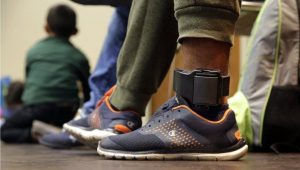
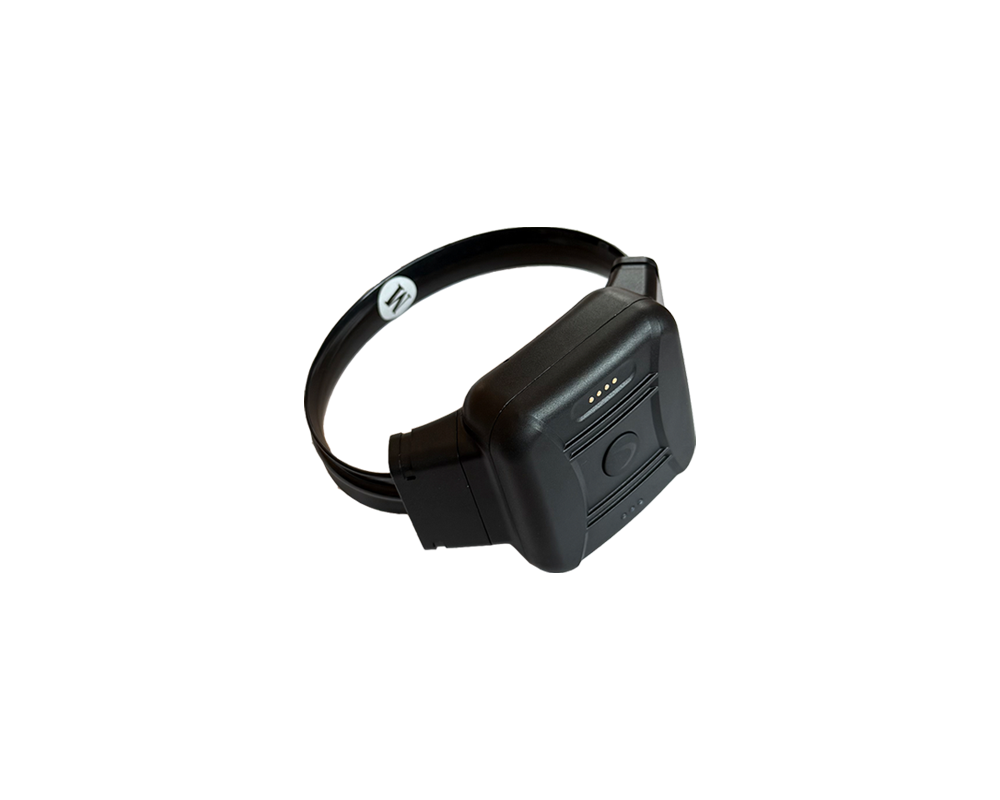
If you are wearing a GPS ankle monitor for pretrial supervision, probation, parole, or house arrest, everyday hygiene is one of the first practical worries people ask about. The short version is that most modern electronic monitoring devices are engineered to survive normal bathing—but the details matter. Your program rules, your device’s certified ingress protection (IP) rating, and how you treat charging contacts after a shower all affect whether you stay compliant and whether the hardware keeps reporting reliably. This guide explains can you shower with an ankle monitor in plain language, what ankle monitor waterproof ratings actually guarantee, and how bathing with an ankle bracelet differs from swimming or hot-tub use. Agencies evaluating hardware will also see why sealed one-piece designs and IP68 certification matter for field reliability. See also: house arrest GPS ankle monitor complete guide.
Quick Answer: Yes, Most Modern GPS Ankle Monitors Are Shower-Safe
Yes—in most cases you can shower while wearing an ankle monitor, as long as your supervision program allows routine bathing and your device is rated for water exposure. Supervision agencies generally expect participants to maintain personal hygiene; manufacturers therefore seal cases, gaskets, and straps so that splashes, spray, and brief submersion during a typical shower do not disable the unit. That does not mean every bracelet tolerates every situation: steam rooms, prolonged soaking, high-pressure jets aimed at seams, or chemical exposure from pools can still stress seals over time. Always follow your officer’s written instructions first; this article is educational context, not a substitute for your court or agency conditions.
For background on how location data moves from the bracelet to the monitoring center, read our explainer on how ankle monitors work. If you need a checklist of common program restrictions beyond bathing—curfews, charging windows, travel—see ankle monitor rules and restrictions and what wearers need to know about GPS ankle bracelets.
Understanding IP Ratings: What IP68 Actually Means for Ankle Monitors
Ingress Protection (IP) codes describe how well an enclosure blocks solids (dust) and liquids (water). You will often see IP67 or IP68 on professional GPS ankle bracelets. The first digit covers solids; the second covers liquids. For electronic monitoring wearables, the liquid digit is what people care about when asking whether an ankle monitor is waterproof for showers.
Important nuance: IP testing is laboratory testing. Real showers add soap films, temperature swings that breathe seals, and mechanical flex at the strap hinge thousands of times per month. That is why experienced vendors publish not only the IP sticker but also guidance on drying time before charging, strap inspection intervals, and maximum chemical exposure. If you are comparing tenders, ask for the certificate scope (fresh water vs other fluids) and whether the rating applies to the entire assembly including the strap locking area, not only the plastic clamshell.
- IPX7 (sometimes written as part of a full IP code): typically tested for temporary immersion up to one meter for a limited duration under controlled lab conditions—not a license for scuba diving, but generally compatible with accidental dunking or bath-level submersion if the manufacturer certifies it.
- IPX8: stronger water protection than IPX7; manufacturers define the exact depth and duration, but the intent is sustained submersion beyond the IPX7 baseline. On ankle monitors, IP68 signals that the device meets both dust-tight (6) and enhanced water (8) requirements when certified honestly.
- IP65 / IP66: common on industrial electronics; strong jets or spray may be fine, but prolonged submersion is not the design center. If your device is only IP65-class, be extra careful about tubs and pools.
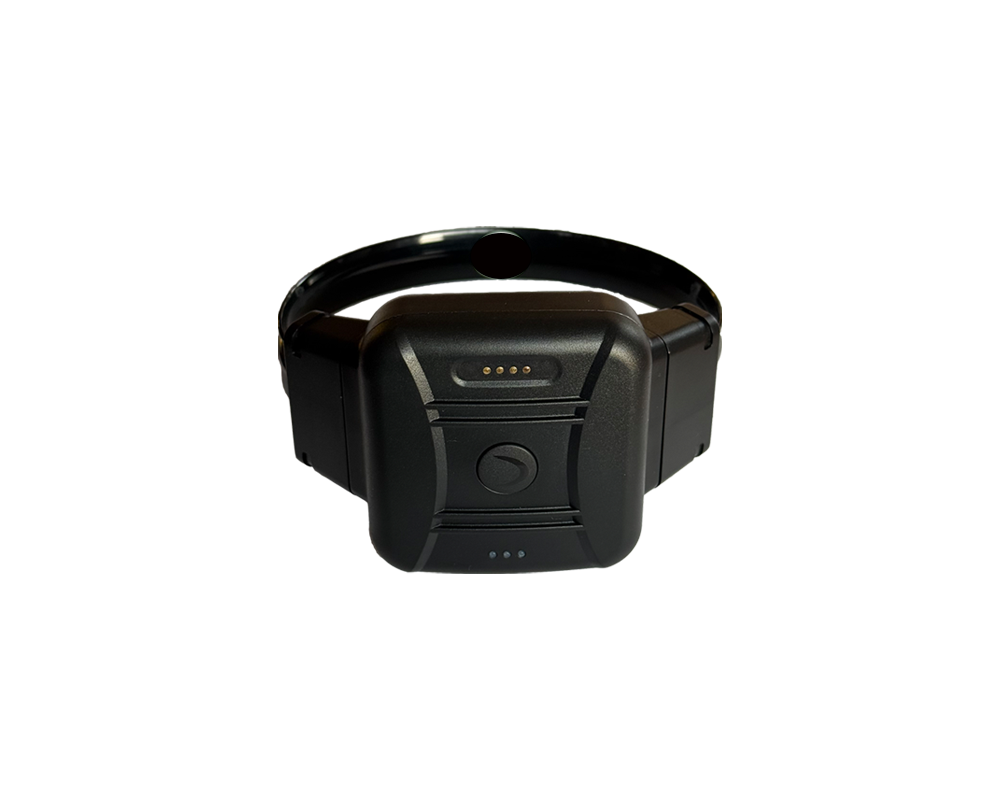
CO-EYE ONE is specified with IP68 certification in our official technical materials, alongside a 108 g one-piece housing and an operating temperature range of −20 °C to +60 °C—useful context if you live in cold winters or hot summers and worry about condensation after a hot shower. One-piece architecture matters because there is no separate ankle module tethered to a pocket unit with exposed interconnects that can wick moisture during daily wear.
Showering vs Swimming vs Bathing: What’s Actually Allowed
Think in three layers: mechanical water exposure (what the seals can handle), program policy (what your officer allows), and sensor behavior (whether steam, soap film, or temperature swings cause temporary glitches).
Showering usually means minutes of warm water, spray, and soap at arm’s length. For IP67/IP68-class GPS ankle monitors, that is typically within design intent, provided you are not directing a power washer at the strap junction or soaking in a way that forces water into charging interfaces.
Bathing (a still tub) can mean longer submersion of the bracelet surface. Many certified devices still handle it, but heat expansion, bath oils, and longer soak times increase risk compared with a five-minute shower. If your ankle monitor has a snap-on charging dock or removable bezel, bath soaks are higher risk than a fully sealed one-piece module.
Swimming adds chlorine or salt, hydraulic pressure when you dive, and longer continuous exposure. Even with IP68 hardware, programs often restrict pools and oceans because policy—not only the raw IP sticker—governs compliance. Always confirm swimming in writing if your conditions are unclear.
Brand-Specific Waterproof Capabilities (Why IP68 and One-Piece Design Matter)
The electronic monitoring market spans legacy two-piece architectures (ankle radio + cellular hub) and newer one-piece GPS bracelets. From a moisture standpoint, every extra connector, dock interface, or seam is a potential capillary path. That is why agencies migrating to newer hardware often prioritize fully sealed units for community caseloads where showering, rain, and snow are daily realities.
While many ankle monitors on the market are marketed with IP67-class protection—generally understood as handling temporary submersion up to about one meter in standardized testing—the most advanced one-piece GPS designs, such as CO-EYE ONE, target IP68 certification to give participants and agencies more headroom for real-world wet environments. CO-EYE ONE combines that rating with a one-piece form factor (108 g, 60 × 58 × 24 mm) and magnetic charging rather than a separate snap-in dock that leaves gaps where water can linger after a shower. The broader CO-EYE bracelet line is also specified at IP68 for professional wearables such as the BLE/RF i-Bracelet variants used in supervised and institutional contexts—consistent waterproofing across the wearable portfolio matters when your operation mixes GPS and RF/BLE custody tools.
We do not catalog every competitor datasheet here, but procurement teams routinely see IP65–IP67 claims on older or modular systems. The practical takeaway for readers wearing a device today is simple: read your user guide’s IP line, not forum gossip. For buyers comparing tenders, IP68 plus one-piece sealing is a meaningful reliability discriminator when participants shower daily and charging happens only a few times per week.
Full technical parameters for agencies are on the CO-EYE ONE product page, including cellular modes, battery life, and tamper-sensing architecture.
How to Protect Your Ankle Monitor While Showering (Practical Tips)
- Follow program rules first. If your conditions say “no soaking,” treat that as binding even if the hardware might survive a bath.
- Avoid aiming high-pressure spray directly at charge ports for extended periods. Most sealed units tolerate incidental spray; torture-testing the seam is unnecessary.
- Use mild soap; harsh solvents or abrasive scrubs can degrade strap materials or printed labels officers use to verify device integrity.
- Dry gently afterward. Pat the housing and strap dry; let hidden edges air-dry before snapping on a charger if your device uses magnetic charging.
- Inspect the strap weekly. Cuts, cracks, or chew marks compromise more than comfort—they can break the sealed path moisture must not cross.
- Keep lotion and petroleum jelly away from seams unless your vendor approves; some products creep under gaskets over time.
- Document odd alerts. If you get a moisture or tamper notice right after a shower, note the time and contact your monitoring center promptly—early reporting protects you from ambiguity.
Participants on house arrest often have structured charging windows; pairing those windows with drying time reduces the chance of charging while water still hides under bezels.
If you wear a medical boot, cast liner, or compression sleeve, keep fabric from trapping water against the bracelet for hours. Trapped moisture is different from a five-minute rinse: it can keep gaskets under gentle pressure in a warm, humid micro-environment. Loosen outer layers until the skin and device air-dry, then redress—without removing or blocking the monitor itself unless your program authorizes that specific adjustment.
Common Problems and What to Do If Water Gets In
Modern bracelets rarely “flood” visibly, but users sometimes notice fog under the lens, intermittent charging, or false tamper chirps after prolonged steam exposure. If you suspect moisture inside the enclosure:
- Stop charging immediately if the port area feels wet or you see corrosion—electricity plus water accelerates damage.
- Call your monitoring vendor or officer per your handbook. Do not open the device; tamper seals are legal evidence paths.
- Do not bake the unit in a microwave or oven (it happens); extreme heat destroys batteries and voids safety certifications.
- Avoid compressed air blown directly into microphones or vents unless the manufacturer authorizes it—some ports are acoustic, not drain holes.
Agencies evaluating replacements should weigh mean time between shower-related field failures as a hidden cost. A bracelet that needs fewer mid-week swaps for moisture damage keeps caseloads stable and reduces investigator hours spent on false tamper queues.
Can You Go Swimming with an Ankle Monitor?
Sometimes the hardware could survive a quick swim; often the program still says no. Chlorinated pools, saltwater, and lake silt introduce chemistry and abrasion that lab IP tests do not fully replicate. Hydraulic pressure also rises quickly if you dive, which can exceed the assumptions behind consumer-style depth claims.
Recreational hot tubs combine heat, jets, and chemistry—three stressors at once. Even when participants ask specifically about bathing with an ankle bracelet, hot tubs are a separate risk tier from a lukewarm shower. If your device manual silent on spas, default to “ask first” rather than experimenting during a supervision term.
If swimming is medically necessary (physical therapy, for example), ask your officer for a documented exception or a supervised alternative. Never assume that because shower with ankle monitor routines are normal, unrestricted lap swimming is automatically approved.
How Waterproof Design Affects Monitoring Reliability
Reliability is more than “still turns on after a shower.” Supervision systems score uptime, fix rate, tamper signal quality, and charge compliance. When moisture intermittently bridges contacts, you can get GPS gaps that look like avoidance even when the participant did nothing wrong. That is expensive: staff investigate, participants stress, and courts lose confidence in data.
IP68-oriented one-piece GPS designs reduce those failure modes by minimizing seam count and keeping the RF/GNSS stack in a single sealed volume. Magnetic charging on devices like CO-EYE ONE avoids a daily plug cycle that can wear elastomer seals. Combined with fiber-based tamper sensing on the strap and case (a CO-EYE differentiator in official materials), the goal is straightforward: keep water outside, keep evidence-grade tamper telemetry inside.
For readers who want the big picture on signals, cloud reporting, and officer dashboards—not only water specs—our how ankle monitors work guide walks through the full chain from satellite fixes to alerts.
FAQ: Showering, Waterproofing, and Daily Wear
Can you shower with an ankle monitor on?
Usually yes, if your program permits normal hygiene and your device is rated for water exposure (commonly IP67 or IP68). Follow your officer’s written rules first.
Is it safe to bathe with an ankle bracelet?
Many rated devices tolerate baths, but soaking is harsher than a short shower. Check your user manual and program policy; avoid prolonged hot tubs unless explicitly approved.
What does IP68 mean for ankle monitors?
IP68 indicates a dust-tight enclosure and enhanced submersion protection compared with IP67, per the manufacturer’s certified test definitions. It is stronger real-world insurance for wet climates and daily showers.
Does showering affect GPS accuracy?
Water on the housing can attenuate GNSS signals slightly, but modern devices recover quickly once you exit the shower. Persistent accuracy issues after drying warrant a support call, not guesswork.
Can you swim with a GPS ankle monitor?
Do not assume yes. Pools and oceans add chemicals, pressure, and time underwater. Many programs restrict swimming even when hardware might survive brief exposure—get written permission.
What should I do if I think water entered my device?
Stop charging, document the time, and contact your monitoring center or officer. Do not open the bracelet; let authorized technicians assess tamper seals and moisture intrusion.
Why do one-piece monitors handle showers better than some two-piece systems?
One-piece GPS bracelets reduce external interconnects where moisture can hide. Fewer seams generally mean fewer long-term leak paths—especially when combined with IP68 certification and magnetic charging.
Is CO-EYE ONE waterproof?
Yes. CO-EYE ONE is specified with IP68 certification, a 108 g one-piece design, and magnetic charging—attributes that align with daily showering and outdoor supervision in varied weather when used according to program rules and manufacturer guidance.