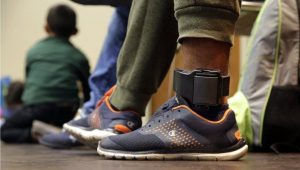
If you or someone you love is wearing an ankle monitor, you are not alone—and you are not wrong to feel overwhelmed. This guide explains, in plain language, how a typical GPS ankle monitor works, what rules usually matter most, and what rights participants commonly expect in 2026. It is educational, not legal advice: your court order and your supervision agency’s written instructions always come first.
Along the way, you will also see why newer hardware—like the one-piece CO-EYE ONE GPS ankle bracelet—can reduce everyday friction (longer battery life, lighter weight, and strong water resistance) when agencies choose to deploy it. For a foundational overview, start with what is an ankle monitor and our GPS ankle monitor guide.
How Does an Ankle Monitor Work?
When people search “ankle monitor,” they usually want reassurance about what the device is actually doing. In most community supervision programs, a GPS ankle monitor is a small computer you wear that answers a few questions repeatedly: Where are you? Are you following the map rules you were given? Is the strap intact?
GPS satellites + cellular reporting
Global Positioning System (GPS) signals help the device estimate where you are on the map. Indoors or downtown, many units also use helper references like Wi‑Fi or cellular network information to improve reliability. Then the ankle monitor sends encrypted updates to a monitoring center through a cellular data path (commonly LTE-class IoT networks on newer equipment).
Geofencing: allowed zones and restricted zones
Your officer’s software stores boundaries—often called geofences. An inclusion zone might keep you near home during certain hours. An exclusion zone might keep you away from a specific address or area named in a protective order. If your reported position breaks a rule, the platform can generate an exception for staff to review.
Tamper detection
Most ankle-worn devices include sensors that detect strap cuts, forced removal attempts, or unusual patterns that suggest interference. Agencies treat tamper signals as high priority because they can indicate escape from supervision—or sometimes a false alarm caused by cheaper sensor approaches. If you are ever unsure whether something “counts” as tamper, ask your officer in writing when possible.
Data transmission to the monitoring center
Think of the ankle monitor as a secure telemetry endpoint: it uploads location events, battery status, charging state, and diagnostic codes. Supervision staff view those streams on dashboards and decide how to respond—often starting with a phone call when the situation looks explainable.
What the device is not
It helps to name common fears directly. A standard community supervision ankle monitor is not a hidden camera, not a room microphone, and not a punishment gadget whose only purpose is embarrassment. It is a compliance tool tied to a legal order. That does not make it pleasant—but accurate mental models reduce panic when the strap vibrates for low battery or when GPS briefly drifts in a parking garage.
Some devices include participant-facing cues such as LEDs or an SOS button for defined workflows; capabilities depend on the exact model your program issued. If you are unsure what a light pattern means, ask your monitoring vendor’s user guide or your officer rather than guessing.
For deeper reading on daily life constraints, see our articles on how far you can travel with an ankle monitor and showering with an ankle monitor.
Types of Ankle Monitors (and Why the Hardware Matters)
Not every ankle monitor is built the same. Understanding the category helps you interpret charging demands, home equipment, and what your alerts might mean.
One-piece GPS ankle monitors
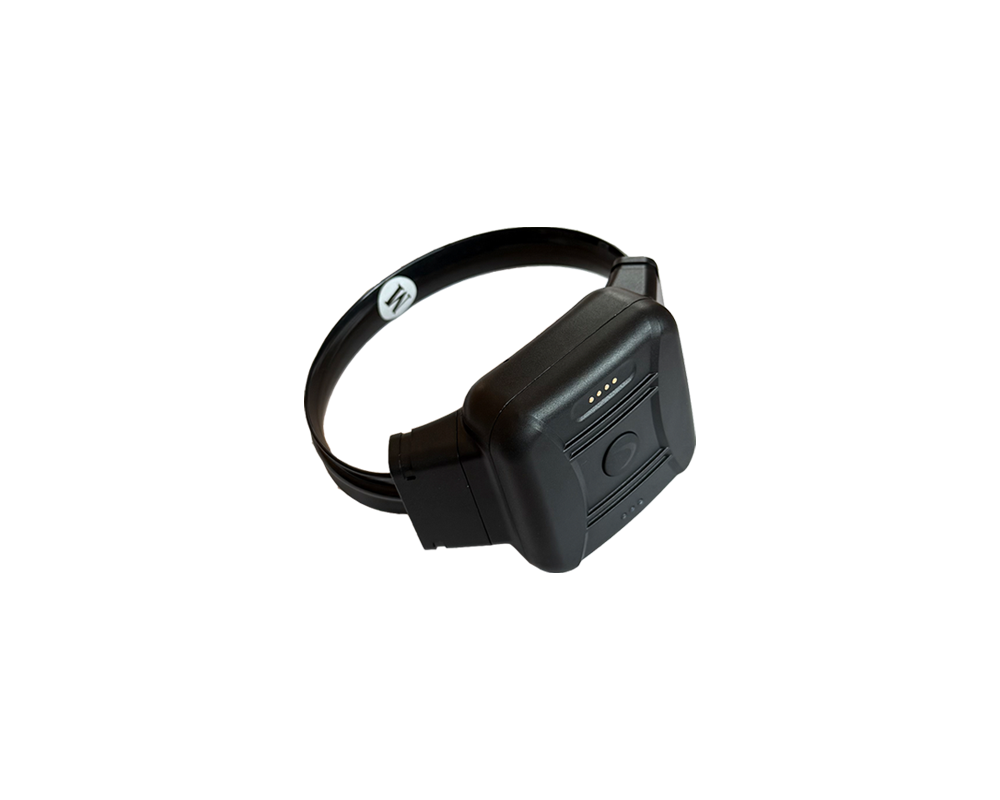
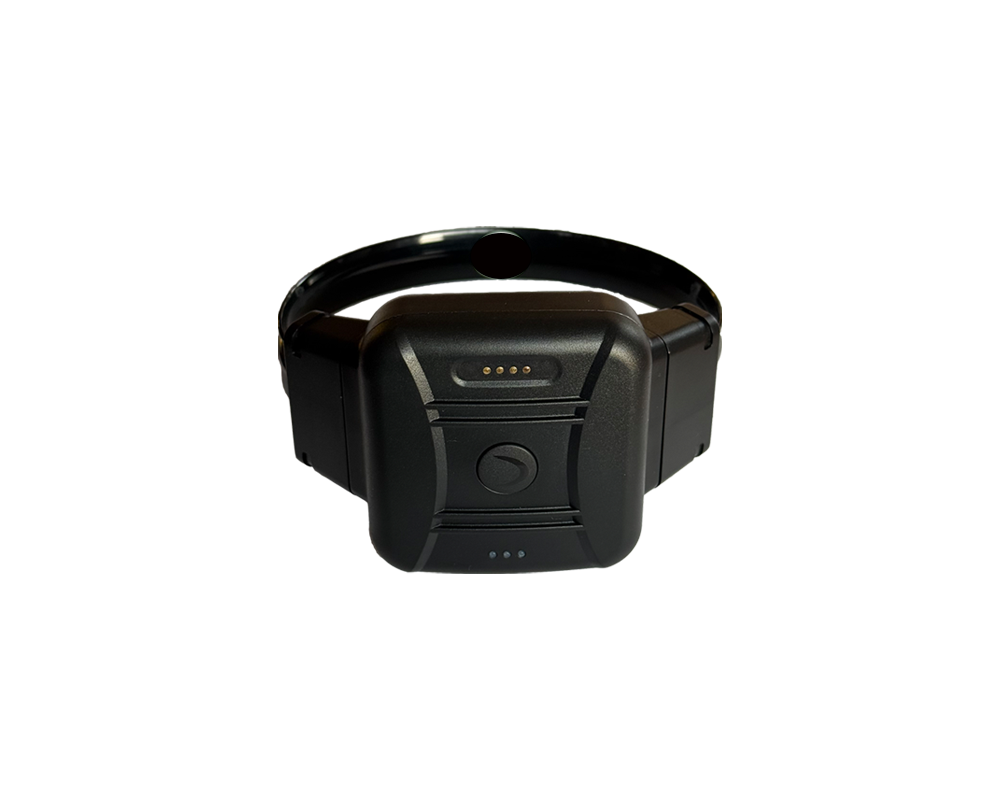
A one-piece GPS ankle monitor combines positioning, cellular modem, battery, and tamper sensing in a single unit on the leg. The practical upside for wearers is fewer failure points: no separate beacon to knock off a table, and often a more balanced feel on the ankle. Agencies like one-piece designs when they want continuous map visibility with simpler field logistics.
Two-piece GPS systems (ankle transmitter + home beacon)
Traditional two-piece architectures pair an ankle-worn transmitter with a powered home unit. The system may emphasize proximity at the residence, cellular reporting from the base, or a hybrid model depending on vendor design. These setups can work well for some programs, but wearers should expect extra household placement rules and another device that must remain powered.
RF-focused supervision (proximity, not full GPS mapping)
Some orders prioritize proving you are near a home receiver using radio-frequency proximity rather than plotting every turn on a map. This can be appropriate for certain lower-risk tracks, but it answers a different supervision question than full-time GPS route accountability.
Alcohol monitoring bracelets (transdermal technology)
Separate from standard GPS location bracelets, some participants are assigned continuous alcohol-sensing anklets based on transdermal measurement principles—an approach commonly associated in public discussion with SCRAM-style programs. That device class measures alcohol consumption patterns through the skin; it is not interchangeable with a GPS ankle monitor unless your paperwork explicitly combines modalities.
Smartphone apps plus wristbands (emerging low-risk alternatives)
Some agencies use smartphone check-ins, photo verification, or Bluetooth-tethered wearables for lower-risk cohorts. These tools can reduce hardware weight, but they come with different tamper assumptions and different privacy expectations. Your order should name what equipment satisfies supervision.
If you are comparing supervision types at a high level, bookmark our GPS ankle monitor guide alongside what is an ankle monitor for consistent definitions.
7 Critical Rules Every Ankle Monitor Wearer Should Understand
These seven rules show up across many jurisdictions. Treat them as a checklist—but confirm every detail with your officer because local policy controls.
1) Keep it charged
A dead battery can look like a risk event. Many legacy GPS ankle monitor programs effectively train people to charge every night or every other night; in industry conversations, one-to-three-day effective charging intervals are common for older one-piece units under active reporting. That rhythm can disrupt sleep, work shifts, and travel.
Newer engineering can change the lived experience: CO-EYE ONE is designed for about seven days of standalone battery life at a typical LTE-M/NB-IoT five-minute reporting class, with about 2.5 hours to recharge—so agencies that issue it often reduce “charger anxiety” for participants while keeping strong location visibility.
2) Water: what “splash-proof” really means
People worry about showers, rain, and accidental submersion. Ratings like IP67 are often described as splash-resistant; IP68 is the tier commonly associated with more confident water exposure when used as directed. CO-EYE ONE is rated IP68, which is one reason wearers ask fewer panicked questions about daily hygiene—still, follow your program’s written rules.
Read the dedicated explainer: can you shower with an ankle monitor.
3) Travel restrictions and geofencing
Your map is not “optional.” If you need to visit family, change jobs, move apartments, or take a route that crosses exclusion boundaries, you typically need pre-approval entered into the monitoring software—not a verbal OK that never reaches the system. Bring documentation (employer letters, leases, treatment schedules) so officers can program exceptions accurately.
Distance questions are covered here: how far can you go with an ankle monitor.
4) What triggers a violation alert
Common alert drivers include leaving an approved zone outside an exception, entering a prohibited area, low battery, missed charging windows, communication gaps, missed check-ins, and tamper signals. Not every alert equals automatic jail—staff triage matters—but participants should treat alerts as serious until cleared.
5) Visibility at work or school
An ankle monitor can feel embarrassingly obvious, especially with bulky hardware. Weight and thickness affect pant legs, socks, and swelling comfort. At 108 g and 60×58×24 mm, CO-EYE ONE is engineered to be one of the lighter one-piece GPS ankle bracelet options supervisors can choose—helpful when discretion and long wear times matter.
6) How long you might wear it
Duration depends on the case: pretrial supervision may last until resolution; probation terms may run months to years; some post-conviction orders can be lengthy. Your paperwork should state the supervision type and review process. If conditions feel unsafe (skin breakdown, nerve pain), request medical documentation and a supervised equipment check.
7) If it malfunctions, document everything
Call your monitoring vendor hotline and your officer. Write down times, error codes, charger behavior, and any text messages. If GPS drops in a known dead zone, note the location—patterns help agencies distinguish equipment faults from true violations. For tamper/cut questions, see what happens if you cut off an ankle monitor (authorized removal is never DIY).
Common Questions Wearers Ask About Life With an Ankle Monitor
Can I shower with an ankle monitor?
Often yes—but follow device rating and program rules. IP67-class stories in the field sometimes mean “be careful around water,” while IP68-class designs like CO-EYE ONE are built for stronger water exposure when used as intended. When unsure, ask before soaking.
Can I fly with an ankle monitor?
Do not assume TSA or airline travel is automatically permitted. Many programs require advance approval, itinerary documentation, and software updates to geofences. Start with your officer, not the airport ticket counter.
Does an ankle monitor listen to conversations?
No—standard GPS ankle monitors are not covert listening devices. They transmit supervision telemetry, not room audio. If additional monitoring tools are part of your case, they should be listed explicitly in your order.
How far can I travel from home?
Distance is not a universal number; it is whatever the software allows for your schedule that day. Some participants have tight home boundaries; others have work corridors. The authoritative answer is the map your officer confirms—not a blog estimate.
What happens if my ankle monitor dies?
A full shutdown can create a communication gap alert. The best practice is prevention: predictable charging, a backup outlet plan, and immediate contact if you see repeated power faults. If you believe the device is defective, request a documented swap rather than risking a gap.
Can my landlord, boss, or teacher “track me” on their phone?
Generally, no—consumer-style live maps are not how professional supervision works. Access to location dashboards is restricted to authorized agency staff and contracted monitoring centers under policy controls. That said, people may notice the bracelet visually, and some employers or schools will learn about supervision because you disclose it, because accommodations are needed, or because court schedules conflict with shifts. If you worry about discrimination, talk with counsel or a trusted advocate about documentation and workplace rights in your jurisdiction.

Your Rights While Wearing an Ankle Monitor
Rights vary by country, state, and court, but several principles show up repeatedly in fair-program discussions:
- Reasonable comfort and safety: You should not be required to wear an ankle monitor that causes injury when sized and worn correctly. Unreasonably heavy legacy hardware has pushed the market toward lighter electronic ankle bracelet designs—participants can ask for medical review if wear becomes painful.
- Accurate monitoring: False tamper alerts can distort compliance records. Industry discussions sometimes cite high false-positive rates for certain legacy strap technologies; fiber-optic tamper sensing on devices like CO-EYE ONE is engineered for zero false positives on cut/strap tamper events, which protects wearers from being blamed for sensor errors.
- Clear written rules: You deserve to know curfews, exclusion zones, charging expectations, and who to call after hours. If instructions conflict, ask for clarification in writing.
- Due process on violations: Many programs use graduated responses. You may have the right to explain mitigating circumstances—especially when GPS gaps correlate with known dead zones or equipment faults.
Nothing here replaces a lawyer’s advice for your jurisdiction; it simply names the dignity and clarity participants should advocate for.
The Technology Behind Modern Ankle Monitors (Why Upgrade Paths Exist)
Supervision technology keeps evolving. A generation ago, some fielded units were notoriously bulky—often discussed historically as 300 g+ class hardware that fatigued wearers and caught on clothing. Today’s flagship one-piece GPS ankle bracelet designs aim for compact ergonomics; CO-EYE ONE at 108 g illustrates how far industrial design has moved.
Connectivity is changing too. 5G-compatible LTE-M / NB-IoT paths (with GSM fallback) can improve reporting resilience compared with aging 3G-era dependencies, especially as carriers retire older networks. Multi-constellation GNSS (GPS, BeiDou, Galileo, GLONASS) plus Wi‑Fi/LBS assistance supports more explainable tracks in challenging urban canyons—reducing “phantom violations” when the map is wrong, not the person.
Finally, tamper philosophy matters: when strap sensors cry wolf, wearers suffer stress and officers lose trust in alerts. Some industry discussions have cited broad approximate false-positive rates on the order of 15–30% for certain legacy tamper approaches (treat any statistic as context-dependent, not a guarantee about your device). Fiber-based strap and case tamper detection on CO-EYE ONE is engineered for zero false positives on cut/strap tamper events—part of a broader push toward alerts that mean something—paired with HTTPS/SSL and AES-128/256 encryption on the data path.
Agency readers evaluating equipment can continue to CO-EYE ONE specifications; wearer readers can share this article with counsel or pretrial services when discussing reasonable accommodations.
A Calm Closing Thought
Wearing an ankle monitor does not define your whole story—it is a technical system wrapped around a legal process. When you understand charging, water ratings, geofencing, alerts, and your documentation habits, the device becomes more predictable and less frightening. Families help most when they treat the plan like a shared logistics project: chargers, calendars, and clear communication with supervision staff.
If you are navigating tamper fears, battery stress, or map confusion, use the FAQs below and the linked guides on this site—then confirm every action with your officer.
For family members and roommates
If you live with someone on an ankle monitor, the most supportive thing you can offer is structure: a charging spot that is easy to reach, a reminder system that does not shame, and a plan for power outages. Avoid unplugging shared outlets without checking the device. If children ask questions, keep answers age-appropriate and neutral—this is a court process, not a family secret that should breed humiliation.
Roommates do not need to “police” the bracelet, but they should understand that moving a home beacon (in two-piece systems) or tampering with cords can create accidental alerts. When everyone shares the same factual picture, fewer crises appear at midnight.
Frequently Asked Questions
How does an ankle monitor work?
It uses GPS positioning (often with Wi‑Fi/cellular assistance), compares your location to programmed rules, and sends encrypted updates—including tamper and battery status—to a monitoring center.
Can you shower with an ankle monitor?
Often yes for IP68-rated devices when program policy allows; be more cautious with splash-rated designs. Always follow your agency’s written instructions.
How long do ankle monitor batteries last?
Many programs use hardware that needs charging roughly every one to three days; some newer one-piece units extend standalone use to about a week between charges under typical reporting settings.
What happens if you cut off your ankle monitor?
Unauthorized removal typically triggers priority alerts and can lead to arrest, new charges, or revocation. If you have a medical emergency, call for help and contact supervision—do not remove the device without authorization.
Can an ankle monitor listen to your conversations?
Standard GPS ankle monitors are not audio surveillance tools; they transmit supervision telemetry, not private conversations.