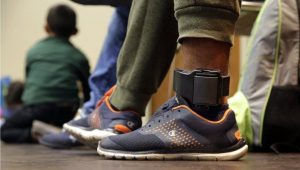
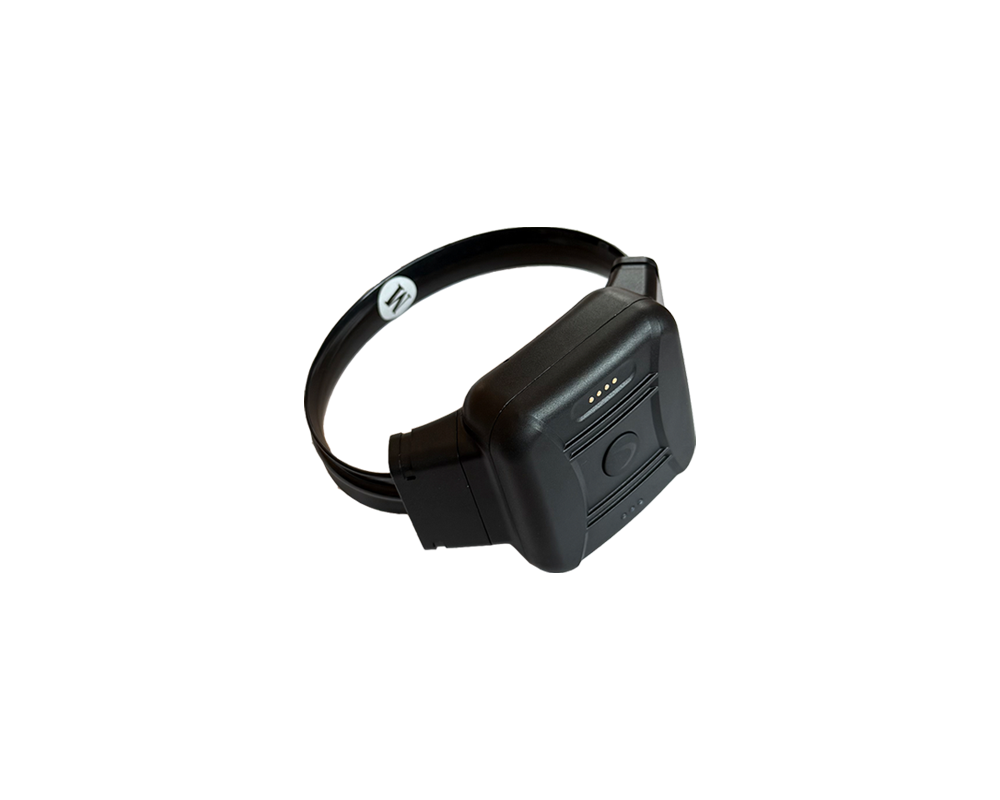
For county pretrial directors, state procurement officers, and community corrections administrators, the ankle monitor is no longer a novelty add-on—it is core release infrastructure. Vera Institute of Justice research published in 2021 estimated roughly 254,700 adults were on electronic monitoring in the United States at that baseline count; subsequent program growth, immigration-alternative dockets, and expanded pretrial GPS conditions mean many industry planning discussions now model 500,000 or more individuals under location or tether supervision when hybrid smartphone and legacy RF cohorts are included. That scale turns every specification line—tamper physics, cellular generation, GNSS constellation mix—into a budget and credibility decision.
The policy logic is familiar: supervised release costs a fraction of secure detention when public-safety thresholds are met, but only if the ankle monitor fleet is dependable enough that judges trust the maps, victims trust proximity alerts, and officers are not drowning in bogus tamper pages. Procurement teams therefore need a shared vocabulary that connects engineering specs to courtroom narratives. This article supplies that bridge for electronic monitoring leaders who must justify renewals to county commissioners, explain carrier migrations to IT security, and translate vendor datasheets into enforceable service-level expectations.
This briefing explains how ankle monitor architectures matured across four generations, why electronic monitoring procurement teams now prioritize one-piece GPS ankle monitor designs, and how to read vendor claims against benchmarks that appear repeatedly in National Institute of Justice (NIJ) conversations about community supervision technology. For foundational definitions, start with our explainer on what is an ankle monitor; for buyer economics, pair this article with our ankle monitor cost guide and the flagship GPS ankle monitor guide. When you need synonym coverage for search and RFP language, also bookmark the deep GPS ankle bracelet guide and the GPS ankle monitor products catalog on ankle-monitor.com.

First Generation: RF Home Beacons
The earliest mass-market ankle monitor experience for many agencies was not satellite navigation at all—it was radio-frequency presence logic tied to a home base unit. A participant wore a bracelet; a stationary receiver verified that the bracelet remained within a defined indoor or yard radius during curfew hours. That modality still matters for certain house arrest and blended schedules because it is straightforward to explain to courts and less dependent on outdoor sky view than a pure GPS ankle monitor.
First-generation thinking also shaped staffing: officers focused on curfew windows, call-ins, and rapid response when the base unit reported a departure. The limitation was geographic—participants could be perfectly compliant at home yet unsupervised in the community unless paired with another modality. Many hybrid programs therefore layered RF home verification with periodic officer contacts, UA testing, or later GPS supplements. When you read legacy RFPs, you will still see “RF tether” language; modern procurements should state whether RF is the sole location truth or a complement to GNSS.
CO-EYE HouseStation exemplifies a modern, supervision-hardened take on the home-beacon class: a 225×173×55 mm, 750 g receiver with 433 MHz RF linkage, extended 50 m indoor / 200 m outdoor range, dual-SIM phone functions, and GNSS-assisted reporting when programs need anchor location around the residence. HouseStation-type platforms remain relevant when the court order emphasizes curfew integrity or when agencies operate hybrid tracks that pair residence verification with separate mobile location modules.
Second Generation: Two-Piece GPS Systems
As expectations moved from “home by 9 p.m.” to continuous community tracking, vendors split functions across two devices: a bracelet or tag on the ankle and a separate cellular/GPS hub carried in a bag, mounted in a vehicle, or placed on a charger. The ankle monitor industry still ships many two-piece GPS ankle bracelet architectures because they decouple antenna placement from skin proximity and allow larger batteries in the hub.
The tradeoffs are operational. Programs must train participants to keep the pair within RF or BLE tether range, manage two charging cycles, and triage alerts when the link drops benignly inside a dense apartment block versus when integrity is actually compromised. Night-shift supervisors learn quickly that “lost link” is not a single hypothesis—it can mean a dead hub battery, Bluetooth congestion, a participant who left the hub on a kitchen counter, or a genuine strap event. Each false escalation consumes patrol minutes and erodes judicial confidence if maps later show the participant was compliant.
Charging logistics deserve their own line item in total cost of ownership: every extra cable, dock, and field visit for a forgotten hub is money that does not appear on the per-diems spreadsheet. Training curricula must also cover honest explanations to victims and victims’ advocates about what the GPS ankle monitor can and cannot prove when the hub is not co-located with the wearer.
CO-EYE i-Tracker illustrates the hub side at 85×55×22 mm and 105 g with GSM/GPRS/EDGE/WCDMA cellular, multi-constellation GNSS with <5 m CEP GPS accuracy, and roughly two-day battery life at a five-minute-style reporting profile—paired with RF or BLE bracelets depending on program design. For administrators, the lesson is simple: when you procure a two-piece ankle monitor, you are buying pairing reliability and alert discipline as much as raw GNSS chips.
Third Generation: One-Piece GPS Ankle Monitors
Third-generation ankle monitor hardware integrates cellular modem, battery, multi-constellation GNSS, tamper sensors, and firmware into a single ankle-worn module. That integration attacks the pairing-failure and dual-charger problems that inflate officer workload in two-piece electronic monitoring deployments.
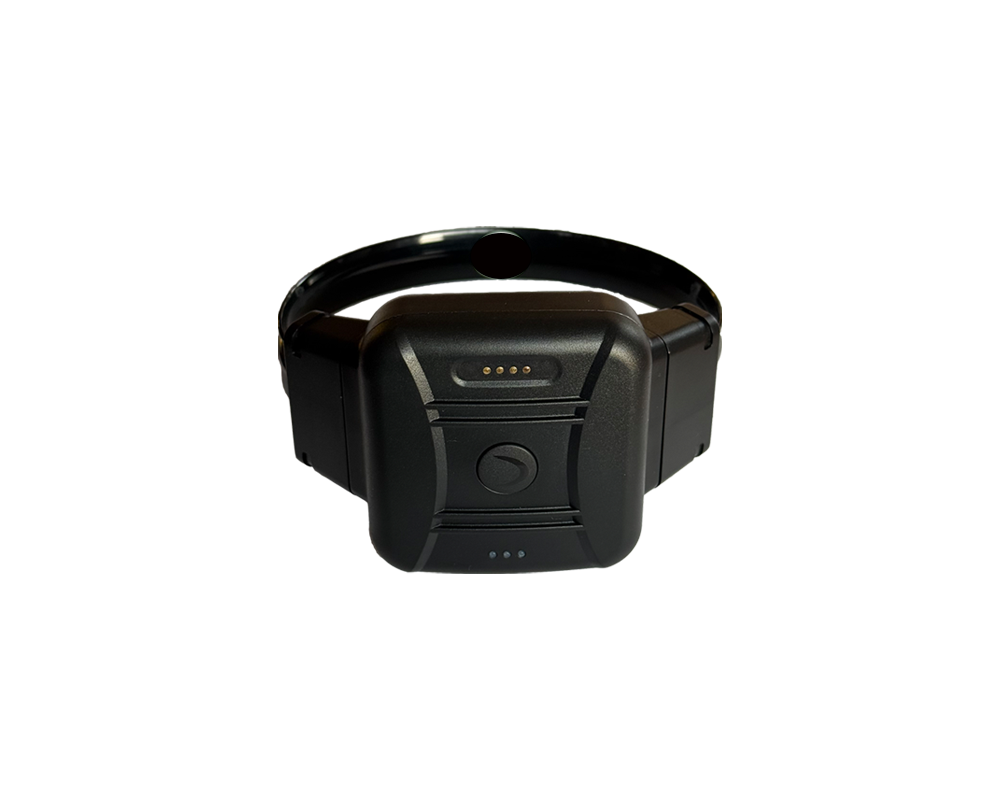
CO-EYE ONE is a reference implementation of this generation: 108 g, 60×58×24 mm, IP68 waterproofing, fiber-optic tamper detection on strap and case, GPS + BeiDou + GLONASS + Galileo + WiFi + LBS positioning at <2 m GPS accuracy, 5G-compatible LTE-M / NB-IoT / GSM cellular, 1700 mAh battery delivering 7-day standalone life at a five-minute LTE-M/NB reporting interval, <3 second snap-on installation, and transport security via HTTPS/SSL with AES-128/256. Those figures belong in RFP scorecards because they translate directly into comfort, charging-room visits, and map defensibility in revocation hearings.
Software integration completes the story: one-piece fleets simplify inventory management because each ankle monitor is a single serialized asset with one firmware channel and one OTA queue. Platforms that ingest encrypted event streams can normalize tamper codes, geofence breaches, and battery warnings without reconciling two separate device IDs per participant—an underappreciated win for data governance and audit trails.
Fourth Generation: eSIM + 5G
Carrier sunsets made “which modem generation?” the decisive ankle monitor question of the 2020s. Devices that still lean on legacy 2G/3G-only paths face coverage cliffs; agencies need LTE-M and NB-IoT pathways plus a credible story for provisioning and spare-unit logistics.
eSIM removes friction from carrier changes, broken SIM trays in property rooms, and cross-border pilots where swapping plastic SIMs is impractical. It also aligns with how enterprise IoT fleets are already provisioned—your IT reviewers will ask for eUICC profiles, remote activation audit logs, and key rotation whether or not the vendor’s brochure mentions “5G.” In procurement language, insist on documented band support for the jurisdictions you supervise today and the states you may consolidate with tomorrow.
CO-EYE ONE-AC extends the ONE blueprint with eSIM support, ARM M3 + ARM M0 processing, 8 MB on-board storage for up to 20,000 events, and a BLE-connected operating mode that reaches up to six months battery life when paired with approved companion devices—while retaining standalone ONE-class performance when the cellular path is active. Positioning and tamper specifications align with the ONE series; the procurement takeaway is future-proofed connectivity without sacrificing the one-piece GPS ankle bracelet form factor that participants actually keep charged.
5 Proven Innovations
1. Fiber-Optic Tamper Detection vs. Legacy False-Alert Burdens
NIJ-associated field discussions on location monitoring repeatedly highlight that false tamper and strap alerts can consume disproportionate officer time; aggregated survey contexts have cited approximate 15–30% false-alert burdens in some legacy program experiences—exact rates vary by vendor generation, SOP, and jurisdiction. Fiber-optic tamper channels on modern ankle monitor designs target zero false-positive signaling for strap and case integrity events when operated per manufacturer specification, converting alert queues into actionable supervision events instead of chronic noise.
Procurement officers should demand written definitions of “tamper” events in the monitoring contract: strap cut, case intrusion, extended off-body, and charging-dock anomalies are not interchangeable in court. Fiber-based sensing pairs well with those definitions because it provides a physical integrity channel distinct from simple continuity measurements that confuse sweat, temperature swings, or strap adjustment with malicious removal. When vendors cannot separate those classes, your ankle monitor program inherits ambiguous alert text that defense counsel will exploit.
2. One-Piece Design Eliminates Beacon Pairing Failures
Every dropped BLE or 433 MHz link in a two-piece stack risks being misclassified as absconding until cleared. Consolidating GNSS, cellular, power, and tamper into a single ankle monitor module removes an entire failure domain from night-shift call centers—especially when combined with buffered event storage and encrypted backhaul.
3. Multi-Constellation GNSS vs. NIJ Distance Benchmarks
NIJ Standard 1004.00 discussions anchor outdoor and indoor-oriented performance expectations around 10 m and 30 m horizontal accuracy benchmarks in standardized test narratives—useful guardrails when vendors quote optimistic single-number specs. CO-EYE ONE’s <2 m GPS accuracy claim gives administrators headroom to remain inside those frameworks while producing maps that survive cross-examination in revocation and sentencing proceedings.
Urban canyons, bus terminals, and large retail floors still challenge any GPS ankle monitor, which is why serious RFPs specify WiFi and LBS fallbacks alongside GPS, BeiDou, GLONASS, and Galileo observables. The goal is not cartoon-perfect dots—it is honest uncertainty bands and consistent behavior when participants move between outdoor and indoor contexts. NIJ’s emphasis on standardized testing narratives gives you permission to reject marketing screenshots and insist on reproducible field trials on your county’s typical routes.
4. Sub-110 g Weight as a Compliance Variable
At 108 g, CO-EYE ONE sits in the featherweight class of one-piece GPS ankle monitor hardware. Lighter mass reduces strap torque, clothing friction, and skin irritation complaints—variables that quietly drive covert removals and medical exemption requests. Spec sheets should be read alongside strap ergonomics and charging dock logistics, not in isolation.
5. 5G-Compatible LTE-M / NB-IoT + eSIM for Network Longevity
Modern electronic monitoring contracts often span a political cycle or longer. LTE-M and NB-IoT compatibility, plus eSIM provisioning on ONE-AC, aligns ankle monitor fleets with carrier roadmaps that are phasing narrowband voice-era radios out of field maintenance priority—even when marketing labels still say “5G ready.”
Taken together, the five innovations answer the questions a skeptical county manager will actually ask: Will this ankle monitor stop crying wolf? Will officers trust the map? Will participants keep it charged? Will it still attach to the network when 3G disappears? Will my IT security team sign the architecture review?
Recidivism Reduction Evidence
Evidence reviews tied to NIJ and state implementations emphasize that electronic monitoring outcomes depend on selection, dosage, treatment overlays, and enforcement consistency—not hardware alone. Still, agencies need shorthand statistics for budget hearings. The Florida Department of Juvenile Justice evaluation frequently cited in EM literature associates electronic monitoring with roughly a 31% reduction in recidivism for supervised youth relative to comparison cases—always contextualize with local data and research design limits.
Pair those figures with NIJ’s broader corpus on GPS monitoring practices in community supervision, which stresses fidelity of installation, alert verification protocols, and proportional responses when signals degrade indoors or inside transit systems. The ankle monitor is only as credible as the policies wrapped around it.
When briefing judges or councils, separate hardware capability from program fidelity: the best GPS ankle monitor cannot fix inconsistent responses to technical alerts, but weak hardware can destroy a well-intentioned program by flooding staff with ambiguous events. That is why the innovation list above is written in procurement language—so grant narratives, justice reinvestment memos, and state reporting dashboards align on measurable device attributes.
Procurement Checklist / FAQ
Use this closing section as a worksheet for RFP scoring workshops:
- Cellular roadmap: Confirm LTE-M/NB-IoT support, SIM/eSIM logistics, and carrier certifications for your state.
- GNSS: Demand multi-constellation receivers and map vendor accuracy claims to NIJ 1004.00-style benchmarks.
- Tamper: Ask for false-positive/false-negative field data, not demo videos—specify strap and case coverage.
- Power: Model battery life at your mandated fix interval, not best-case lab profiles.
- Install & removal: CO-EYE ONE’s <3 s snap-on target reduces enrollment queue time for busy jails.
- Cybersecurity: Require HTTPS/SSL, AES-128/256, and documented vulnerability response SLAs.
- Software: Map alerts to your supervision platform, including domestic violence proximity programs where applicable.
- Spares & reverse logistics: Define turnaround times for bricked units, water-damaged straps, and end-of-life disposal so your ankle monitor cage does not become a parts museum.
- Training: Budget officer and vendor trainer hours proportional to alert complexity—one-piece fleets usually reduce paired-device training but still need clear SOPs for charging rooms.
Frequently Asked Questions
What is the difference between first-generation and third-generation ankle monitor hardware?
First-generation programs often relied on RF home beacons that verified curfew-style presence near a base unit. Third-generation ankle monitor platforms typically integrate GNSS, cellular backhaul, tamper sensing, and power into a single ankle-worn module for continuous location supervision rather than proximity-only checks.
Why do two-piece GPS ankle monitor systems create operational risk?
Two-piece architectures must maintain reliable pairing between a bracelet transmitter and a separate hub or tracker. When pairing drifts, batteries diverge, or charging workflows split across two devices, programs see higher false-alert volume and more officer time spent distinguishing signal loss from genuine integrity events.
How does fiber-optic tamper detection change false-alert economics?
Programs that still depend on legacy strap-only resistance measurements can inherit elevated false-positive rates that NIJ-oriented field discussions associate with substantial alert burdens in some deployments. Fiber-optic tamper channels on modern ankle monitor designs target zero false-positive integrity signaling for strap and case events when implemented as specified by the manufacturer.
What should a procurement checklist include for GPS ankle monitor renewals?
Score cellular sunset alignment (LTE-M/NB-IoT versus legacy 2G/3G), GNSS accuracy claims against standardized test narratives, tamper-sensor false-alert performance, weight and comfort, battery life at your mandated fix interval, installation time, encryption and cybersecurity posture, software integration, and total cost of ownership—not sticker price alone.
Is there evidence that electronic monitoring reduces recidivism?
Published NIJ summaries and state-level studies frequently cite meaningful supervision effects when programs are well implemented. A Florida Department of Juvenile Justice analysis commonly referenced in EM literature reported an approximately 31% reduction in recidivism for youth on electronic monitoring relative to comparison cases—agencies should still validate outcomes against local cohorts and judicial standards.
When your team is ready to translate this framework into hardware trials and integration workshops, use Contact Sales or Request Quote on ankle-monitor.com—CO-EYE does not offer free trials or demo devices; deployments are scoped from written requirements.
Disclaimer: Third-party statistics (Vera 2021 EM population estimates, Florida DJJ recidivism figures, NIJ benchmark discussions) are summarized for educational planning; verify originals before legal filings. Product specifications refer to CO-EYE ONE, ONE-AC, i-Tracker, and HouseStation datasheets as implemented on ankle-monitor.com.
For a detailed analysis of how tamper detection technology affects program costs and courtroom credibility, see our guide to ankle monitor false alarms and tamper detection comparison.