When courts and supervision agencies want continuous alcohol accountability, they often turn to a wearable that the public simply calls an alcohol ankle monitor or alcohol leg monitor. In many US programs, the best-known example is the SCRAM alcohol monitor family—especially SCRAM CAM (Continuous Alcohol Monitoring)—but the category also includes remote breath testing, combined GPS-plus-supervision stacks, and smartphone-mediated check-ins.
This guide explains how an alcohol monitor on ankle differs from a GPS ankle monitor, what technology options exist, what rules participants usually follow, what triggers alerts, and how much monitoring commonly costs. It also clarifies how a modern one-piece GPS device can serve as a location and zone-enforcement companion alongside alcohol testing—not a chemical substitute for a SCRAM device or other certified alcohol modality. For broader EM categories, see our electronic monitoring technology guide for 2026; for residence-centric supervision patterns, see house arrest ankle monitor rules and costs. Independent industry reporting lives at Ankle Monitor Industry Report; pretrial-focused resources appear at Refine ID.
What Is an Alcohol Ankle Monitor?
An alcohol ankle monitor is usually a court- or agency-ordered bracelet that supports alcohol-related supervision. The most common “ankle” implementation is transdermal alcohol monitoring: a sensor samples insensible perspiration at the skin surface and looks for ethanol traces that indicate drinking over time, rather than capturing a one-second breath snapshot at a police station.
Because the device stays on the body, agencies get continuous monitoring coverage across days and nights—subject to charging, sensor contact, and program rules. That continuity is why many DUI/DWI dockets, specialty courts, and probation departments specify transdermal bracelets when total abstinence is a core condition.
Important vocabulary distinction: people often say “SCRAM bracelet” to mean any alcohol leg band. SCRAM is a brand and service ecosystem; other vendors may supply different transdermal or testing technologies under separate contracts. Your paperwork should name the modality (transdermal, remote breath, in-person testing) and the vendor obligations, not just a nickname.
How Alcohol Ankle Monitors Work
Transdermal sensing through the skin
After alcohol is consumed and absorbed, a portion is eliminated through breath, urine, and perspiration. Transdermal monitors exploit the perspiration pathway: a skin-facing collection mechanism allows the device to sense ethanol that diffuses outward. The result is typically a time series—a curve staff can review—rather than a single “BAC number” identical to a roadside sensor.
Sampling intervals and “what continuous means”
Program marketing often uses the word continuous, but operationally every system has sampling cadence, communication schedules, and review thresholds defined by firmware, cellular uploads, and agency policy. Participants should assume their bracelet is collecting data frequently enough that episodic drinking can appear in reports, and they should treat charging windows as compliance obligations, not optional downtime.
Data transmission to the monitoring center
Modern supervision is a three-layer stack: the wearable, the telemetry path (often cellular), and the monitoring software where officers and vendor analysts triage exceptions. Alerts may be routed to a 24/7 center, a county dashboard, or both. That is why tamper signals, strap events, and communication gaps matter even when no alcohol is involved—staff interpret missing data as risk until cleared.
Human review and “false alarm” culture
Transdermal curves are not always instant violations. Many programs employ trained review steps: analysts compare timing against participant schedules, look for environmental explanations, and sometimes request additional testing before a court filing moves forward. That workflow protects due process, but it also means participants should not assume a blip disappears on its own—cooperation and documentation still matter.
From an agency perspective, the quality of review protocols is as important as the sensor. A vendor that dumps raw graphs without context can overwhelm officers; a vendor with disciplined escalation paths reduces wasted home visits. When procuring alcohol monitoring, ask how positives are confirmed, how long review takes, and what audit trail exists for contested cases.
Types of Alcohol Monitoring Technology
Agencies rarely choose “an alcohol ankle monitor” in the abstract; they choose a supervision stack that matches court orders and risk level. The table below compares common modalities.
| Modality | What it proves | Typical form factor |
|---|---|---|
| Transdermal alcohol bracelet | Drinking exposure patterns over time | Ankle-mounted bracelet (e.g., SCRAM CAM class devices) |
| Portable breathalyzer (scheduled) | Point-in-time breath alcohol tests | Handheld unit + camera/identity features (e.g., SoberLink-style programs) |
| GPS + alcohol combination (program-level) | Location rules and alcohol testing via paired vendors | Separate devices or integrated service contracts; not one-size-fits-all |
| Smartphone-based alcohol testing apps | Scheduled check-ins and identity-verified tests | Phone + peripherals depending on architecture |
Transdermal alcohol bracelets (SCRAM CAM)
SCRAM CAM is the archetype most Americans picture for a SCRAM alcohol monitor: an ankle bracelet engineered around transdermal sampling and vendor-supported review workflows. Strengths include round-the-clock wear and a supervision story centered on abstinence. Limits include strict participant rules about skin contact, hygiene products, submersion, and charging—violations can create operational alerts separate from drinking.
Portable breathalyzers (SoberLink)
Remote breath programs emphasize scheduled proof at specific times or randomized windows. They can be appropriate when courts want verified negatives at checkpoints rather than continuous transdermal curves. Trade-offs include participant discipline around test windows, camera/identity requirements, and the fact that a missed window is often treated as seriously as a positive.
GPS plus alcohol combination monitors (how programs actually combine)
Few orders say only “track alcohol.” Many orders simultaneously care about where someone is—for example, after a DUI/DWI—or whether they approach prohibited locations. In practice, agencies may run a GPS ankle monitor for location and geofences while running a SCRAM device or breath schedule for alcohol. The integration is contractual and operational: dashboards, alert routing, and officer training must align.
Smartphone-based alcohol testing apps
Phone-mediated programs can reduce hardware logistics for some cohorts, but they are not automatically equivalent to secure ankle wearables for every risk tier. Policy should spell out what happens if the phone dies, if identity checks fail, or if tethering to another sensor is required.
For a procurement-oriented look at GPS hardware itself, see the CO-EYE ONE product overview and our house arrest and home detention solutions page for how residence and schedule rules fit into platform configuration.
SCRAM CAM vs GPS Ankle Monitors
The confusion between a SCRAM bracelet and a GPS leg monitor is understandable—both strap to the ankle—but the primary sensor mission differs.
- SCRAM CAM (transdermal alcohol): optimized to support alcohol abstinence monitoring through skin-surface sampling and vendor analytics. It is not a substitute for a full GPS engine unless a specific product bundle and court order say otherwise.
- GPS ankle monitor: optimized for GNSS-based location, motion, schedules, inclusion/exclusion zones, and tamper-evident hardware. It does not magically measure blood chemistry; alcohol accountability still requires an alcohol modality.
Use-case split: choose transdermal when the court’s central question is sustained abstinence proof; emphasize GPS when the central questions are curfew, victim safety distance, exclusion zones around bars or former addresses, or flight risk after arrest. Many serious cases ask both questions—so many agencies deploy both tool types rather than pretending one bracelet can do everything.
Why courts like paired supervision
DUI/DWI supervision often blends risk reduction (stay sober) with situational control (stay away from high-risk places). GPS can document that someone drove past a licensed establishment; transdermal data can document whether drinking occurred around the same window. Neither story is complete alone—prosecutors, defenders, and judges increasingly expect corroborating evidence when sanctions are on the line.
Participants should read their paperwork for explicit bans: some orders prohibit entering any bar, while others prohibit only specific addresses. GPS geofences must match the plain language of the order; mismatches between map polygons and judicial intent are a known implementation failure mode that creates unfair violations.
Who Is Required to Wear an Alcohol Ankle Monitor?
Eligibility and assignment are legal decisions, not vendor marketing claims. That said, US programs commonly assign alcohol monitoring wearables in these contexts:
- DUI/DWI offenders where statutes or plea agreements require abstinence verification during probation, diversion, or post-conviction supervision.
- Domestic violence cases where no-alcohol conditions reduce impulsivity risk and courts want documented compliance—not just promises.
- Drug court and specialty docket participants who must demonstrate sobriety across multiple substances; alcohol is often included even when the “headline” charge involved other drugs.
- Probationers with explicit alcohol conditions, including those with prior alcohol-related violations while on supervision.
If your order lists both alcohol and movement restrictions, ask your officer whether you are on one device or two—and which vendor handles which alerts. Misunderstanding the stack is a common source of accidental non-compliance.
Pretrial vs post-conviction tracks
Pretrial assignments may emphasize appearance at court dates and compliance with release conditions, while post-conviction probation may emphasize long-term sobriety metrics and treatment linkage. The same SCRAM-style bracelet can appear in both tracks, but reporting intensity, fee structures, and officer expectations often differ. If you transfer between counties or vendors, confirm whether baseline calibrations and historical data carry over.
Family and employer impacts
Wearables are visible. Employers, co-parents, and landlords may ask questions unrelated to the court case. Some agencies issue verification letters explaining the device is court-ordered; others leave that burden on participants. If work requires waterproof environments, metal detectors, or RF-sensitive areas, disclose early—hardware compatibility is easier to solve before a violation occurs.
Alcohol Ankle Monitor Rules and Restrictions
Written rules vary, but participants should expect a common backbone:
- No alcohol consumption when abstinence is ordered—obvious legally, but operationally strict because monitoring systems are tuned to enforcement.
- No submerging or improper water exposure when manuals prohibit baths, swimming, or hot tubs that compromise the sensor or housing.
- Charging requirements treated as mandatory check-ins: dead batteries create communication gaps that staff must investigate.
- No tampering with straps, housings, or baseline photos; obstruction of the sensor area can be flagged.
- Hygiene and product disclosures: some programs instruct participants about alcohol-containing products and ventilation because supervision review focuses on drinking behavior, not perfume preference.
When instructions conflict with medical needs (allergies, skin breakdown), document the issue through proper channels—self-removal is still removal.
Travel and interstate movement
Crossing state lines with monitoring hardware can trigger jurisdictional handoffs: different vendors, different dashboards, or different fee codes. If you must travel for work or family emergencies, obtain pre-written approval that names dates, destinations, and which device stays primary. GPS units may roam on cellular networks; alcohol programs may still require you to remain within vendor service coverage—ask before you book tickets.
Roommates, visitors, and alcohol in the home
Abstinence orders typically require you—not your household—to remain compliant. Even so, open containers, spilled drinks, or parties can increase ambient exposure that complicates transdermal interpretation. Programs differ on how they treat passive exposure; the safest approach is to align household behavior with the order’s spirit and to disclose unusual events promptly.
What Triggers an Alcohol Ankle Monitor Alert?
Alert taxonomy differs by vendor dashboards, but agencies usually watch a short list:
- Confirmed or suspected alcohol consumption patterns after analyst review of transdermal curves or breath results.
- Tamper events such as strap interference, case incidents, or patterns consistent with blocking the sensor.
- Equipment malfunction or hardware faults that require swap or service—still a compliance problem until resolved.
- Environmental and procedural factors—spills of alcohol on skin/clothing, certain industrial exposures, or failure to follow product rules— that generate review tickets even when no drinking occurred.
Because alerts have legal consequences, the best operational habit is proactive communication: if you moved homes, changed jobs near a distillery, or had a medical emergency, tell supervision before the data raises questions.
GPS Ankle Monitors for Alcohol-Related Cases
Even when alcohol is the headline risk factor, location still matters. GPS supervision can complement abstinence testing by enforcing exclusion zones around bars, liquor stores, stadium concession environments, or other geofenced locations a court wants avoided. Real-time location tracking also supports curfew, victim safety distances, and route accountability after arrest—use cases that transdermal alcohol data alone does not address.
CO-EYE ONE as a GPS companion (not a SCRAM replacement)
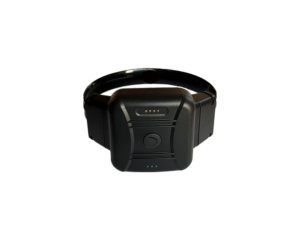
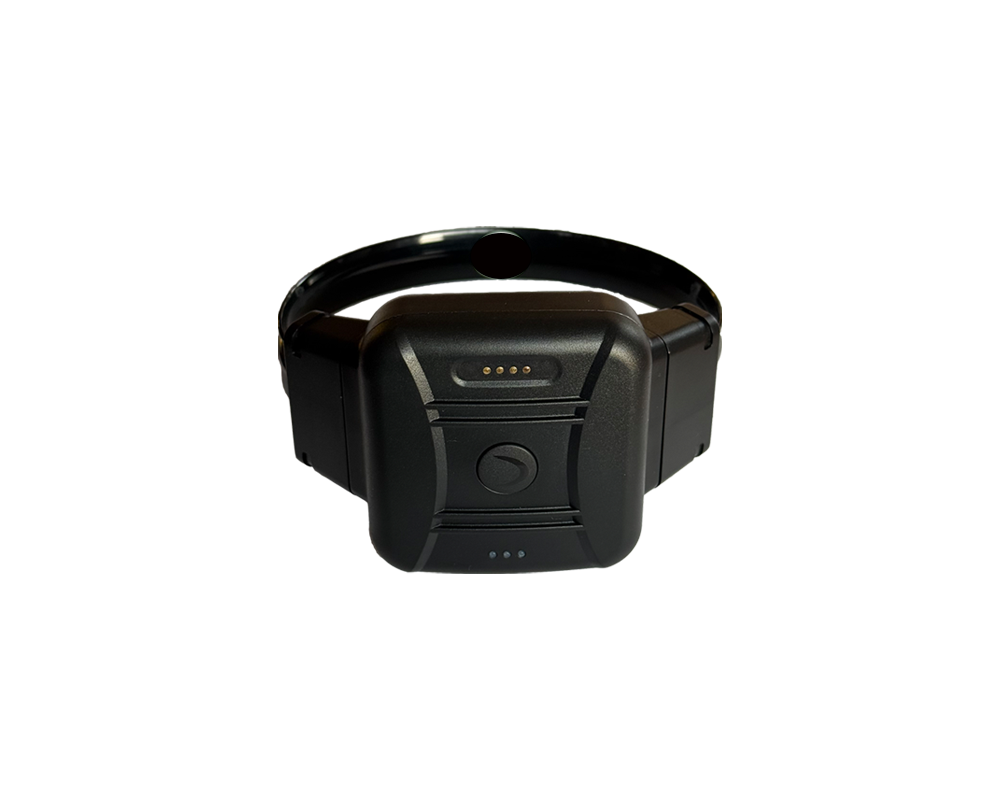
The CO-EYE ONE is a one-piece GPS ankle monitor designed for continuous community supervision: multi-constellation GNSS with assisted references, cellular connectivity, and rapid strap installation. For alcohol-related dockets, it is best understood as a GPS companion for programs that also operate a certified alcohol modality such as a SCRAM device or remote breath schedule. CO-EYE ONE answers supervision questions about where someone is and whether they violated geofences—not whether they consumed ethanol through transdermal chemistry.
Hardware characteristics from our published specifications that matter to blended programs include roughly seven days of standalone battery life at a typical LTE-M/NB-IoT reporting cadence (5-minute class interval), fiber optic anti-tamper on strap and case with zero false-positive design intent for cut/strap tamper events, and platform-level support for zone alerts around prohibited locations when agencies configure geofences accordingly. That combination helps officers spend less time chasing phantom strap alarms and more time reviewing true risk.
If your jurisdiction is designing a modern stack, think in pairs: alcohol modality for chemistry + GPS modality for geography—then unify alert handling in training so participants understand both sets of rules.
Cost of Alcohol Ankle Monitoring
Costs depend on who pays (participant vs county), what the contract includes (device, cellular, analyst review, field service), and which modality is primary. Public reporting and industry conversations commonly cite:
- GPS electronic monitoring: often discussed in a band of roughly $5–$15 per day for active monitoring tiers, understanding that vendor bundles and insurance models move the number.
- Transdermal continuous alcohol monitoring (SCRAM-style programs): frequently discussed around $10–$15 per day when daily participant fees are itemized—again, verify your local fee schedule.
Agency buyers should evaluate total cost of ownership: analyst labor, alert quality, swap logistics, and whether dual-modality participants generate duplicate fees or packaged discounts. Participants should request fee disclosures in writing before accepting equipment—surprise billing erodes compliance.
Budgeting for dual-modality participants
When someone wears both a transdermal bracelet and a GPS ankle monitor, counties sometimes see stacked daily fees—or negotiated bundles if a single integrator packages both. Finance departments should model not only per-diems but also swap inventory (spare straps, chargers, field technician visits) and indigent participant subsidies so equal protection concerns do not translate into unequal access to release conditions.
Electronic monitoring and outcomes (big-picture)
Electronic monitoring sits inside a larger evidence base on community supervision tools. Summaries aligned with National Institute of Justice–oriented discussions have associated electronic monitoring with about a 31% reduction in recidivism in a Florida study context. Alcohol-specific outcomes still depend on treatment quality, sanctions proportionality, and whether agencies invest in alert triage rather than raw alert volume.
Key Takeaways
- An alcohol ankle monitor usually means transdermal testing—not the same thing as a GPS-only leg band.
- SCRAM CAM is a leading example of the category; know your actual vendor and contract terms.
- Programs that need both abstinence and geography often run paired modalities rather than one mythical “does everything” bracelet.
- Alerts can come from alcohol signals, tamper, power/communication gaps, or rule violations—read the manual.
- GPS adds exclusion zones, curfews, and victim-safety logic that alcohol chemistry cannot replace.
Frequently Asked Questions
General information only—your court order and agency manual control.
Is a SCRAM bracelet the same as a GPS ankle monitor?
No. SCRAM CAM focuses on transdermal alcohol monitoring; GPS ankle monitors focus on location supervision. Some cases use both.
Can an alcohol ankle monitor tell exactly how much you drank?
Transdermal systems produce time-based evidence curves interpreted by vendor and agency workflows—not necessarily a single roadside-style BAC readout.
How long do you have to wear an alcohol monitoring bracelet?
Your sentencing order or contract defines duration; confirm start/stop dates with supervision.
Can you swim or shower with a transdermal alcohol monitor?
Follow the device manual and program rules; improper submersion can trigger compliance issues independent of drinking.
What happens if my alcohol ankle monitor shows a drinking alert?
Expect review, possible confirmatory steps, and potential court action depending on severity and history.
Can I use mouthwash or hand sanitizer with a transdermal alcohol bracelet?
Ask your officer for written guidance; alcohol-containing products can complicate interpretation if not handled transparently.
Do alcohol ankle monitors work if you only drink a small amount?
Do not treat “small amounts” as a loophole if your order prohibits alcohol; any consumption can create supervisory risk.
When would a program add GPS monitoring alongside alcohol testing?
When courts need movement control—exclusion zones, curfews, victim safety, or flight risk—in addition to abstinence proof.