
Youth justice agencies are expanding juvenile electronic monitoring as legislatures and courts seek juvenile detention alternative pathways that preserve school, family, and treatment continuity—without pretending that a plastic strap replaces mentorship, counseling, or credible community responses. This 2026 guide explains what a juvenile ankle monitor is, how programs operate day to day, which technologies fit different risk tiers, and how procurement teams evaluate hardware and services fairly.
Readers should treat electronic monitoring as program infrastructure: judges set legal questions (curfew, exclusion buffers, approved movement corridors), officers interpret alerts with context, and families need charging plans that respect adolescents’ real schedules. When those layers align, juvenile offender monitoring can reduce unnecessary secure custody days; when they do not, the same tools amplify stigma, technical violations, and inequity.
Evidence discussions in justice policy frequently cite National Institute of Justice (NIJ) summaries and linked research on electronic monitoring outcomes; always pair national literature with local supervision quality, services, and sanctioning consistency. The National Institute of Justice (NIJ) portal remains a primary starting point for agency briefings. For pretrial and community-supervision framing complementary to this article, see Refine ID.
For equipment literacy, read our GPS ankle monitor buyer’s guide and the program-level companion community corrections programs, technology, and GPS monitoring best practices [2026]. One-piece GPS hardware specifications for procurement comparisons appear on CO-EYE ONE.
What Is a Juvenile Ankle Monitor?
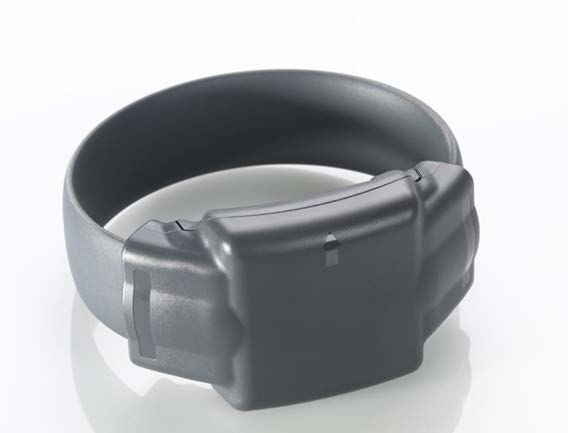
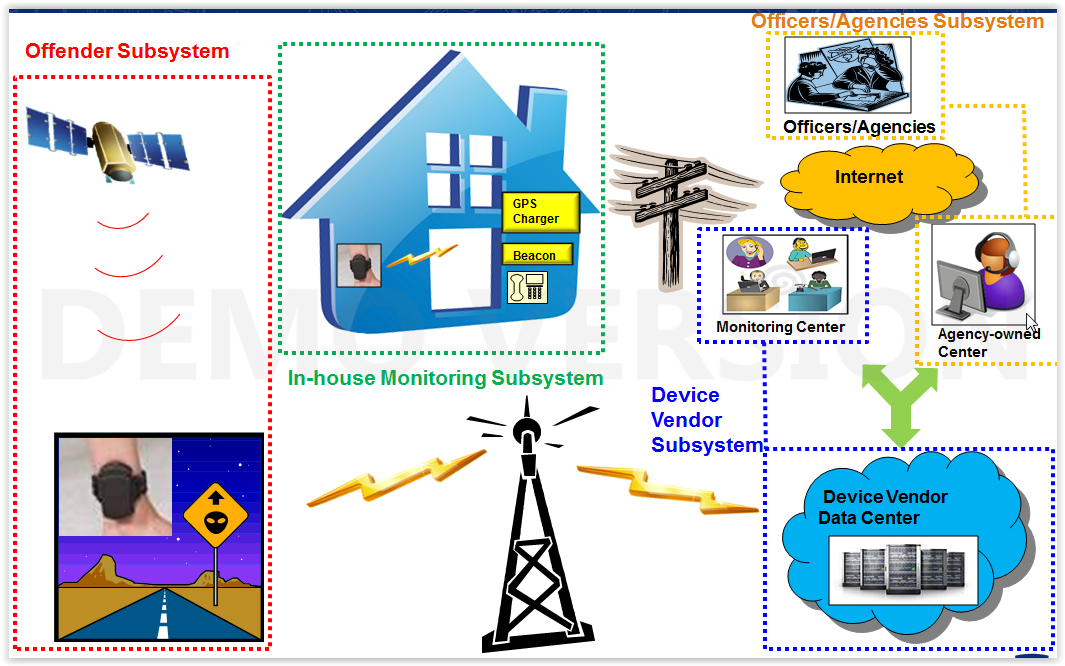
A juvenile ankle monitor is typically a body-worn transmitter—often integrated with satellite navigation and cellular backhaul—that reports location, schedule compliance, and tamper status to a monitoring platform. The legal frame is still a court or agency order: the device does not create authority; it documents movement against rules that must be explained in plain language to youth and guardians.
Compared with many adult caseloads, teams ask different design questions for minors: school dress codes, sports, shower privacy, sleepovers, and developmental sensitivity to shame or bullying. That is why specialists increasingly discuss an ankle monitor for juveniles as one option inside a broader juvenile electronic monitoring menu that may also include smartphone check-ins, Bluetooth tethering, or blended tracks as risk and statute allow. Choosing a juvenile ankle monitor model therefore blends clinical proportionality with engineering tradeoffs—not a single SKU for every docket.
How youth EM differs from standard adult supervision
Adult programs often emphasize employment corridors, domestic violence stay-away buffers, and intensive officer workloads. Youth programs add education mandates, individualized education plan (IEP) coordination where applicable, guardian engagement, and proportionate graduated responses aligned with adolescent brain development narratives used in many jurisdictions. Device weight, comfort, and discreet appearance matter more because a visible strap can become a classroom distraction or a peer-targeting risk—factors that influence whether a juvenile ankle monitor is ethically and practically sustainable for a given child.
Courts also differ on confidentiality: some states restrict how schools receive monitoring information; others require coordination. Your vendor’s role-based permissions and export redaction features should map to those statutes—before you enroll the first participant.
Terminology stakeholders actually use
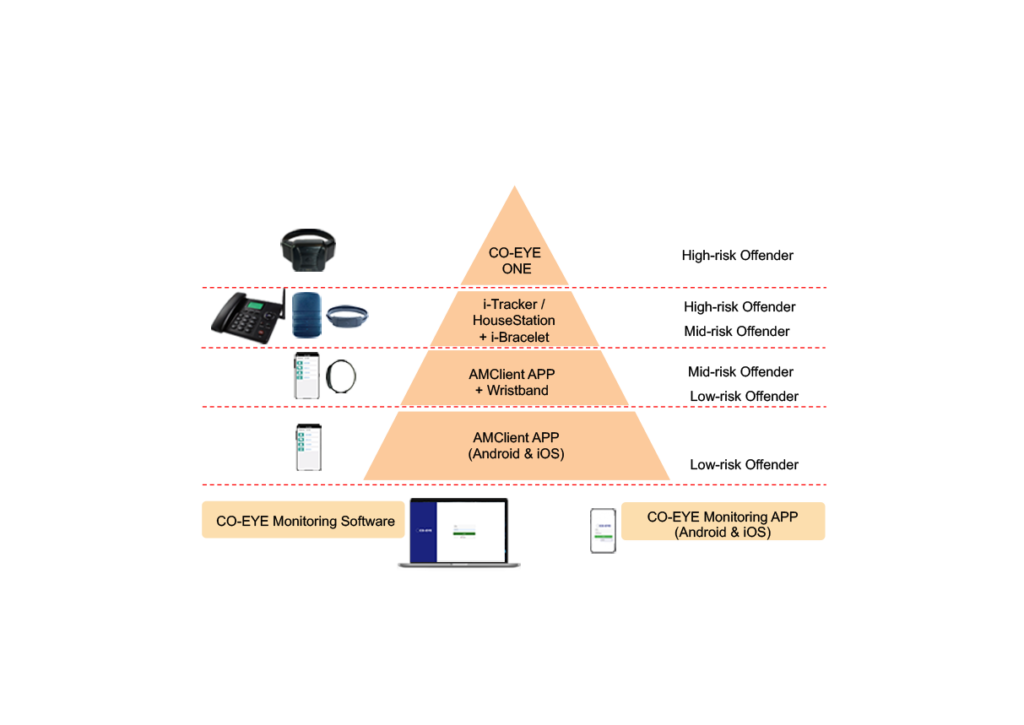
“GPS,” “house arrest,” and “EM” are not interchangeable. A youth GPS ankle monitor answers continuous outdoor movement questions; radio-frequency home tethering answers “present at base station” questions during curfew windows; smartphone apps answer scheduled identity and proximity check-ins when policy permits. Mixing terms in court orders produces configuration errors downstream—so procurement and legal templates should share one vocabulary sheet.
Why Are Juvenile Ankle Monitors Used?
Agencies adopt juvenile electronic monitoring when statute, risk tools, and disposition options allow supervised liberty instead of secure placement—particularly for youth who can safely remain in the community with structure. Motivations usually cluster into public-safety accountability, rehabilitation supports, and system capacity—each requiring honest local data.
Juvenile detention alternative
Secure beds are expensive to build and staff; they also disrupt schooling and family visits. Where risk assessment supports it, judges may authorize a juvenile detention alternative package: curfew, geographic exclusions, school attendance verification, treatment appointments, and monitoring technology that gives officers timely visibility. The policy goal is not leniency—it is proportionate control with fewer collateral harms when custody is not strictly necessary.
School attendance and daytime structure
Many orders encode education as a core condition. A youth GPS ankle monitor can corroborate arrival and departure windows when schools, guardians, and officers agree on geofences and grace periods. When the court explicitly orders strap-based tracking, the same logic applies to any certified juvenile ankle monitor enrolled for campus corridors. Implementation detail matters: short GPS dropouts in brick buildings should not auto-trigger harsh sanctions without human review; otherwise districts see technical truancy instead of behavioral truancy.
Curfew, victim safety, and geographic exclusions
Domestic violence and victim-protection scenarios may require exclusion buffers and rapid approach alerts. Those rules belong in written orders with map exhibits officers can audit. Software should support graduated responses—warning, tightened schedule, increased contact—before the most severe sanctions, consistent with local juvenile rules.
Rehabilitation-focused supervision
Effective juvenile offender monitoring pairs location accountability with services: counseling, mentoring, substance-use screening where indicated, and family engagement. Monitoring data should help officers prioritize visits, not replace them. NIJ-oriented literature on electronic monitoring outcomes is useful for grant narratives, but local program fidelity determines whether adolescents experience supervision as supportive or punitive surveillance.
How Juvenile Ankle Monitoring Programs Work
Operational maturity separates pilots from sustainable systems. The workflow below reflects common patterns across probation departments, juvenile courts, and contracted monitoring centers—adapt names and statutes to your jurisdiction.
Referral and legal screening
A judge or intake officer identifies eligibility based on offense class, risk score, guardian capacity, housing stability, and school plan. Legal staff translates conditions into a monitoring specification: device class, reporting interval, curfew map, exclusion radii, and permitted activities (work, sports, therapy). Ambiguous orders generate 2 a.m. phone calls—clarify them up front.
Enrollment, fitting, and informed consent
Enrollment includes device fitting, charger handoff, tamper education, and documented expectations for school privacy. Guardians should receive troubleshooting contacts and written grace policies for low-battery events. For adolescents, use developmentally appropriate explanations; for officers, retain audit-friendly enrollment logs.
Monitoring center and officer workflows
Alerts route to a center or officer queue depending on contract. High-priority events (tamper, exclusion breach, extended loss of signal with risk context) warrant rapid triage; benign indoor fade should not auto-escalate. Platforms that let agencies tune alert taxonomies reduce burnout—critical in youth caseloads where emotions run high.
Graduated response and due process
Graduated responses align incentives: documented warnings, additional counseling, tighter curfew, or short-term respite beds before deeper sanctions where law allows. Hearings need exports participants and defense counsel can read—timestamps, fix methodology notes, and configuration change history. A juvenile ankle monitor program without due-process hygiene becomes liability.
Cross-training with adult EM teams can help, but youth modules should include school coordination playbooks and mental health escalation paths not present in every adult contract.
Technology Used for Juvenile Monitoring
Technology choices should map to the court’s questions—not to vendor defaults. The following modalities appear frequently in juvenile electronic monitoring architectures.
GPS ankle monitors
GPS-class devices estimate position outdoors using satellite navigation, then transmit encrypted payloads over cellular networks. They excel when maps, corridors, and exclusion zones define compliance. Program staff comparing vendors for minors should score each candidate juvenile ankle monitor against the same urban, school, and after-hours scenarios—otherwise pilots look successful until semester two exposes edge cases. For hardware comparisons and RFP language, use GPS ankle monitor buyer’s guide alongside pilot data from your downtown core and school campuses.
Smartphone applications and supervised liberty apps
Application-based supervision can fit lower-risk tracks or blended programs: scheduled check-ins, educational nudges, and identity verification. The CO-EYE AMClient App illustrates a smartphone-based supervision path for scenarios where a strap-mounted device is not required—provided orders explicitly permit app-centric accountability and your evidentiary standards are met.
BLE check-in and tether architectures
Bluetooth low-energy (BLE) pairing can link a phone to a lightweight wearable for continuity cues—useful when agencies want supplemental proximity assurance without over-claiming indoor positioning precision. The CO-EYE BLE i-Bracelet is a compact BLE wearable referenced by the manufacturer at about 17 g, offering a discreet form factor when program design calls for minimal visual burden.
Age-appropriate design and accessory policies
Youth programs should publish sock/long-pants guidance sensitively, offer gender-neutral fitting support, and schedule battery swaps around school breaks where possible. If participants play contact sports, legal and insurance reviews should precede exceptions—document them in the platform so officers do not contradict coaches mid-season.
Program architecture deep dives belong in community corrections best practices [2026]; this article focuses the lens on adolescents.
Benefits of Juvenile Ankle Monitors
Benefits are contextual. When governance, training, and services align, agencies report practical gains—below are the themes most often cited in policy briefings and vendor-agnostic program reviews.
Reduced secure detention bed-days
Supervised release with a juvenile ankle monitor can reserve secure beds for youth who truly need them, shortening exposure to carceral environments for lower-risk adolescents. Count only what your data supports: publish pre/post detention-day metrics with clear cohort definitions.
Family stability and guardian engagement
Home-based supervision keeps siblings, guardians, and informal supports in the loop—especially when agencies fund charging assistance and transportation to appointments. Family engagement correlates with better compliance in many programs, though causality is multifaceted.
School continuation and pro-social routines
Maintaining education pathways protects long-term outcomes. A well-tuned ankle monitor for juveniles policy treats school geofences with indoor fade tolerance and communicates with districts through lawful channels—reducing adversarial dynamics in the hallway.
Potential cost savings versus custody
Secure placement costs dominate many juvenile budgets when staffing, education services, health care, and capital are fully loaded. Active EM program fees vary by contract, but agencies often model daily supervision tiers against marginal bed-day costs—always include officer triage time, hearings, and spare-device logistics in the denominator. NIJ-associated summaries on electronic monitoring research help grant writers connect purchasing decisions to evidence conversations without overstating causal claims.
Challenges and Considerations
Honest procurement acknowledges tradeoffs. The same transparency that wins judicial trust also improves vendor selection.
Stigma, bullying, and privacy
Visible straps can invite harassment. Some programs explore lower-profile wearables or app-centric tracks for eligible youth; others coordinate with schools on disclosure boundaries. Even when a juvenile ankle monitor is clinically and legally justified, supervisors should rehearse peer-contact plans and counselor touchpoints so surveillance does not isolate the adolescent. There is no universal answer—only processes that respect dignity while meeting court mandates.
Mental health impact of surveillance
Continuous location monitoring can heighten anxiety or sleep disruption, especially for trauma-exposed adolescents. Partner with behavioral health providers; define escalation when alerts intersect with crisis risk. Technology should flag data; humans should interpret lives.
Equity, fees, and family logistics
When families pay fees or buy data plans, disparities widen. Agencies committed to equity publish fee waivers, loaner chargers, and documented benign-event policies so poverty does not present as non-compliance on a map.
Compliance rates and technical violations
Charging failures, dead zones, and misunderstood tamper alarms generate technical violations distinct from willful absconding. Dashboards should separate categories so judges see accurate narratives. Training reduces preventable failures; policy reduces punitive drift.
Best Practices for Juvenile Electronic Monitoring Programs
Translate principles into checklists your legal, IT, and field teams can audit annually.
- Match modality to the court question: GPS for geography; RF for home curfew; apps for scheduled accountability—do not let one SKU pretend to answer every statute.
- Co-design with schools and guardians: lawful information sharing, indoor fade grace, and after-school activity calendars baked into geofence rules.
- Publish graduated responses: matrixed sanctions and incentives with due-process timelines youth can understand.
- Invest in officer triage training: GNSS limitations, charging diagnostics, and trauma-informed contact skills.
- Demand evidentiary exports: timestamps, configuration changes, and human review notes suitable for defense scrutiny.
- Run pilot cohorts: measure alert noise, school attendance, and officer hours before county-wide rollout.
Align macro-level supervision design with community corrections technology best practices [2026] so youth modules inherit mature alert governance rather than reinventing failure modes.
When comparing vendors, use the structured criteria in GPS ankle monitor buyer’s guide—adding youth-specific scoring for weight, comfort, discreet profile, and family-support playbooks.
Juvenile Ankle Monitor Technology Requirements
Procurement teams should score hardware against both engineering specs and adolescent ergonomics. The list below is vendor-agnostic; validate every figure in current datasheets and pilot logs.
- Lightweight and comfortable for extended wear: Minimize mass and pressure points; verify strap ergonomics for growing ankles with medical oversight where indicated.
- Discreet profile where policy allows: Smaller footprints and thoughtful industrial design reduce classroom stigma; BLE adjuncts may complement phone-first tracks.
- Long battery life at your mandated interval: Model endurance honestly at the reporting cadence judges expect—not brochure best cases.
- Charging support: Fast charging, durable cables, and documented low-battery grace align with school-day realities.
- Tamper integrity with measured false-alert behavior: Understand fiber, optical, and mechanical sensor classes; test strap events under controlled pulls.
- Urban and indoor performance transparency: Pilot downtown, on transit, and inside school buildings; compare time-to-fix and alert latency.
- Cybersecurity and role-based access: Encryption narratives, MFA for dashboards, and juvenile-appropriate data minimization.
Illustrative reference devices from the CO-EYE portfolio
CO-EYE ONE is a one-piece GPS ankle monitor specified by the manufacturer at approximately 108 g—a lightweight one-piece option agencies evaluate when adolescent comfort matters—alongside up to about seven days standalone battery life at a representative five-minute LTE-M/NB-IoT reporting interval; IP68 ingress protection; tool-free install in under three seconds; multi-GNSS positioning with assisted modes; and fiber optic anti-tamper on strap and case with a zero false-positive design claim for genuine fiber-path breaks. Confirm all figures before award.
For smartphone-centric tracks, the CO-EYE AMClient App supports iOS/Android continuous supervision workflows suitable for low-risk youth when orders permit app-based accountability. For maximum discretion in compatible architectures, the CO-EYE BLE i-Bracelet (~17 g) offers a compact wearable anchor for BLE-oriented programs.
Contact our team via the site for pricing and integration questions—use Contact Sales / Request Quote paths rather than informal device trials not authorized by your jurisdiction.
Frequently Asked Questions
Is a juvenile ankle monitor the same as house arrest?
Not necessarily. House arrest emphasizes remaining at an approved residence except for listed activities. A juvenile ankle monitor may support house arrest, but GPS orders can also permit broader movement corridors with curfews and exclusions. Read the order’s map exhibits, not the colloquial label.
How accurate is GPS for youth supervision?
GPS accuracy varies with sky view, urban canyons, and device assist features. Agencies should document fix methodology in exports and train officers on indoor fade. NIJ-oriented resources discuss performance expectations for electronic monitoring contexts—use them to set hearing-ready narratives.
Can schools legally know a student wears a monitor?
Depends on state law, district policy, and court order language. Some jurisdictions restrict disclosure; others require coordination. Legal review should precede enrollment conversations with principals.
What happens if the device battery dies?
Well-run programs distinguish dead battery from absconding. Written grace periods, proactive low-battery alerts, and guardian checklists reduce technical violations. Ask vendors how warnings escalate before sanctions trigger.
Are smartphone apps enough for high-risk youth?
Usually not when orders demand continuous body-worn tamper integrity. Apps can complement or cover low-risk tracks, but legal fit must drive architecture—not vendor convenience.
Where can agencies read independent pretrial and supervision context?
See Refine ID for additional industry framing alongside NIJ publications at nij.ojp.gov.
Last updated: March 2026. Specifications for CO-EYE ONE, AMClient, and i-Bracelet are per manufacturer documentation—confirm current datasheets and pilot results before procurement. For quotes and integration support, use the official contact paths on CO-EYE ONE.