If you are wearing a court-ordered GPS ankle monitor and you are searching for what happens if you cut off your ankle monitor, try to remove an ankle monitor yourself, or wonder about ankle monitor tamper consequences and ankle monitor cut off penalty risks, this guide explains the technical and legal reality in plain language. Cutting, breaking, or defeating a strap is not a quiet “DIY removal” — modern devices are built to generate instant tamper detection alerts, preserve location evidence, and trigger fast responses from supervision agencies and law enforcement.
Disclaimer: This article is general information about electronic monitoring technology and typical program responses. It is not legal advice. Laws and procedures vary by court, agency, and jurisdiction; consult a qualified attorney for advice about your situation. See also: electronic monitoring technologies guide for criminal justice (2026).
Instant Alert: Modern Ankle Monitors Detect Tampering in Seconds
Today’s professional-grade monitors are not passive bracelets. They continuously check the integrity of the strap, the device housing, communication links, and motion patterns. When someone attempts to cut an ankle monitor off, pry the case, or bypass sensors, the device is engineered to recognize the change and transmit a tamper alert to the monitoring platform — often within seconds, depending on cellular or network conditions.
From a supervision perspective, the goal is simple: make tampering detectable, documented, and actionable. That is why agencies evaluate tamper technologies not only on “does it alarm?” but on whether alarms are trustworthy. False tamper storms waste officer time and erode court confidence; missed tampers create public-safety risk. The best systems aim for reliable detection with minimal false positives.
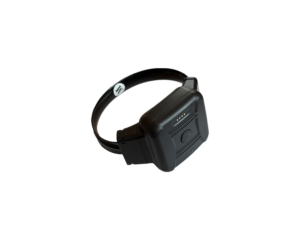
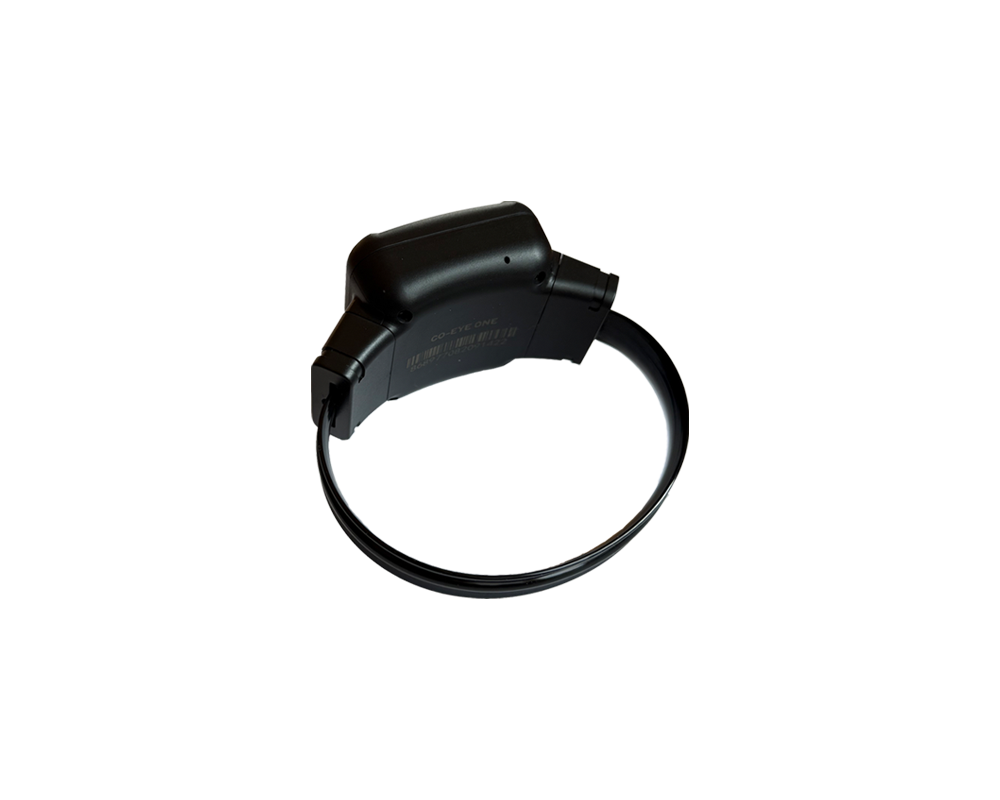
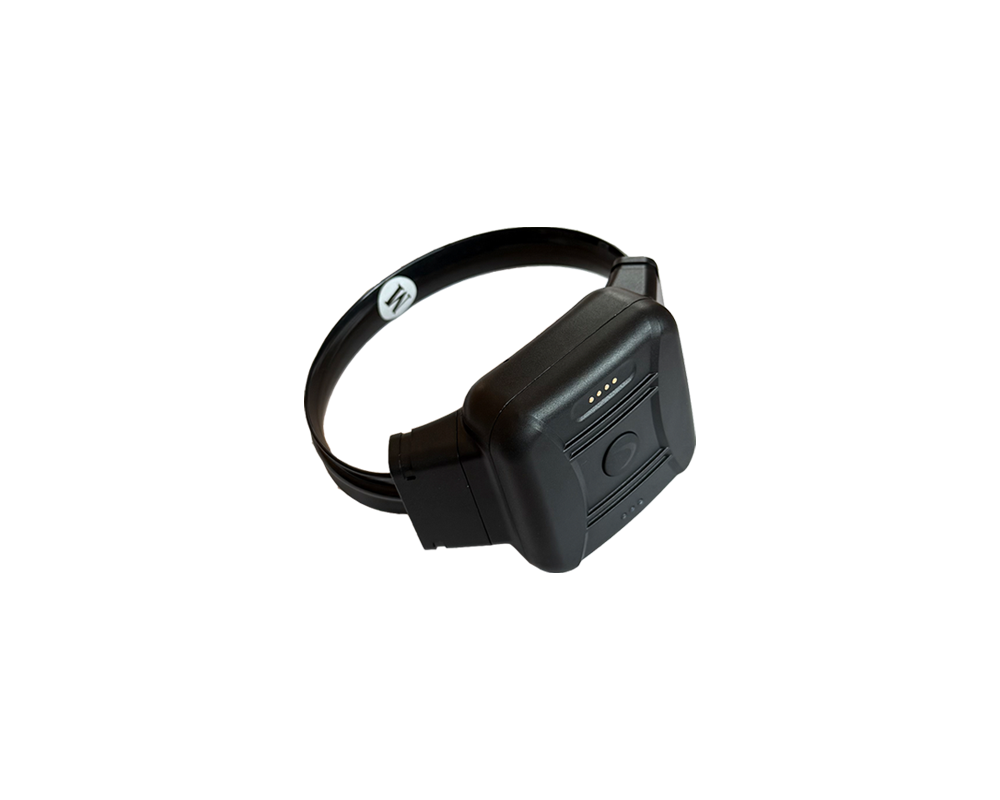
CO-EYE ONE uses fiber optic anti-tamper on both the strap and the case: a light signal travels through the optical path, and a break or compromise changes the signal in a way that is extremely difficult to spoof with household materials. Per product specifications, CO-EYE ONE delivers zero false-positive fiber tamper detection — not “low false positives,” but literally zero false positives — with validation across 150,000+ monitored individuals, paired with AES128/256 encryption and CyberSecurity EN 18031 certification. Optional anti-jamming configurations support LTE-M / NB-IoT / GSM / GPS resilience where programs require it.
For a deeper technical walkthrough of how optical tamper paths work and why they matter for agencies, see our guide on how ankle monitor tamper detection works.
Types of Tamper Detection Technology
Not all ankle monitors detect tampering the same way. Understanding the categories helps explain why some devices generate frequent “nuisance” alerts while advanced systems remain stable in real-world conditions.
Fiber optic tamper detection (CO-EYE approach)
Fiber-based systems monitor an optical circuit embedded in the strap and/or housing. Cutting the strap, separating interfaces, or breaking the optical continuity typically produces an immediate tamper signal. Because the mechanism is based on physical light-path integrity rather than skin chemistry, it is far less sensitive to sweat, lotion, or minor strap movement than capacitive skin-contact schemes.
CO-EYE’s implementation is designed for decisive tamper signaling with zero false positives and zero false negatives on the fiber tamper channel — a key reason agencies standardizing on data quality migrate toward optical tamper architectures.
Capacitive sensing
Capacitive approaches infer skin contact by measuring electrical properties near the skin. They can work, but they are notorious for environmental variance: perspiration, dry skin, dead skin buildup, bandaging, or even seasonal humidity changes can shift readings. The industry impact is measurable: programs that rely heavily on capacitive tamper channels often see elevated false tamper rates compared with optical systems.
Heart rate or biometric-style proximity checks
Some designs attempt to confirm “wear” using pulse or biometric proxies. Movement, poor sensor coupling, or temporary loss of signal during activity can create false tamper-like events when the device interprets a missing pulse as “not worn.” These systems may still be useful as supplementary signals, but they are rarely sufficient as the sole integrity mechanism for high-risk caseloads.
Basic strap-cut wire loops
Older or simpler designs may use conductive traces in the strap. A cut breaks the circuit — but conductive bridging or careful shunting attempts have historically been discussed in security assessments as a limitation of single-loop designs. Optical continuity is a different physics problem; it is not defeated by the same “jumper wire” intuition.
For program-level discussion of alert rates and operational load, read ankle monitor false alert rates — it connects directly to why fiber tamper technology matters for officer workload.
What Happens Immediately After Tampering
When a device reports strap tamper, case tamper, or a critical integrity event, a typical commercial monitoring workflow looks like this:
- Real-time alert to the monitoring center. The platform receives a coded tamper event with a timestamp. Supervisors may also receive SMS, email, or on-call escalations depending on contract and risk level.
- Last-known and live location data. Many programs continuously buffer GPS/GNSS fixes and cellular/Wi-Fi assistance data. A tamper event is often paired with coordinates or a location trail that helps responders narrow where the incident occurred.
- Supervision and law enforcement notification. Probation, pretrial services, parole, or a contracted monitoring vendor follows written protocols — which can include contacting local police or a fugitive unit, especially for high-risk caseloads.
- Court process: warrants, hearings, and detention decisions. A tamper does not magically “create” paperwork by itself, but it commonly triggers procedures that can include arrest on a violation, a bench warrant, or a detention hearing depending on the original order. The exact sequence is jurisdiction-specific.
If you want a plain-English overview of routine reporting and compliance expectations (curfews, charging, restricted zones), see ankle monitor rules, GPS ankle bracelet restrictions, and how ankle monitors work.
Legal Consequences by Jurisdiction
Tampering is treated seriously because electronic monitoring is often a direct substitute for incarceration. Consequences usually stack: you still answer for the original case, and tampering adds new violations or charges.
Federal supervision and pretrial release
At the federal level, defendants on pretrial release or people on federal probation / supervised release are typically ordered to comply with electronic monitoring as a condition of liberty. Tampering with or removing a court-ordered GPS device generally violates those conditions. Practical consequences can include immediate arrest, detention pending a revocation or detention hearing, and additional federal prosecution if the facts support separate offenses (for example, certain property or obstruction-related theories in specific cases). This is fact-specific; there is no single “one size fits all” statute that covers every ankle-monitor scenario in federal court.
Florida
Florida law addresses tampering with electronic monitoring devices in contexts such as probation and certain offender monitoring programs. Tampering can be prosecuted as a felony, with the degree depending on the underlying offense and statutory elements. Florida practitioners commonly cite Florida Statutes § 843.23 and related provisions in supervision cases — verify current text and annotations with official state sources or counsel.
Texas
Texas makes tampering with an electronic monitoring device a criminal offense under Texas Penal Code § 38.112, with severity tied to program level (for example, certain intensive supervision contexts can elevate the grade). Again, always confirm the current statute and charging practice locally.
California
California’s framework spans statutes and regulations depending on whether the wearer is on parole, probation, or another supervised pathway. For example, regulatory provisions such as California Code of Regulations, Title 15, § 3572 address GPS monitoring conditions for certain parole populations, including prohibitions on removing, disabling, or circumventing monitoring devices except where medical or authorized personnel are involved. Probation violations may be pursued through violation hearings using tamper evidence from the monitoring platform.
Why penalties escalate
Courts view strap cuts and intentional circumvention as breaches of trust. Even when a jurisdiction’s criminal statute is not charged as a new felony, supervision teams routinely pursue bond revocation, higher bail on new filings, loss of diversion, or stricter conditions. The monitoring record — timestamps, maps, and tamper codes — often becomes exhibit-quality evidence.
Can You Fool an Ankle Monitor? (Why You Can’t)
Internet myths die hard. Here is the realistic view from monitoring engineering:
- Faraday cages. Shielding a cellular/GNSS device enough to block signals reliably is harder than wrapping foil once. Many programs treat extended communication loss as its own alert class. Deliberate shielding can also overlap with evidence of intent to evade monitoring.
- GPS jamming. Jammers are illegal in many jurisdictions (including the United States) for good reason: they interfere with critical spectrum users. Monitoring platforms may correlate jamming-like behavior with tamper or anomaly workflows. Using a jammer can create separate criminal liability beyond a supervision violation.
- Aluminum foil "hacks." Foil does not magically clone a fiber-optic continuity path. It may degrade RF performance — which can trigger communication-loss protocols rather than stealth.
- Multi-layer integrity on CO-EYE ONE. Fiber tamper on strap and case is complemented by encrypted communications (HTTPS/SSL, AES128/256), multi-constellation GNSS, cellular redundancy (LTE-M / NB-IoT / GSM), and optional anti-jamming features — raising the difficulty of “silent” defeat attempts.
Agencies evaluating equipment can compare integrity features on the CO-EYE ONE product page, where specifications are listed for procurement review.
What About False Tamper Alerts?
False tamper alerts are an operational tax. When officers chase phantom events, courts hear conflicting stories, and defendants lose trust in the technology, the entire program suffers. Traditional ankle monitors that rely heavily on capacitive skin sensing or simplistic strap-cut loops often report elevated nuisance rates under real-world conditions — commonly discussed in the 5–15% false-tamper-alert band in industry conversations, depending on device generation, caseload, and policy definitions.
By contrast, advanced systems that use fiber optic detection — such as CO-EYE’s architecture — are engineered to remove ambiguity from strap and housing integrity. CO-EYE reports zero false positives on fiber tamper, validated across 150,000+ monitored individuals, which translates directly into fewer wasted field contacts and cleaner evidence packages when a tamper is real.
How Agencies Can Reduce Tamper Incidents
Hardware matters, but programs also reduce tamper events with process:
- Deploy higher-integrity tamper technology. Optical fiber strap/case continuity reduces environment-driven false alarms compared with capacitive-only designs.
- Proper sizing and enrollment. A correctly fitted strap reduces skin irritation, motion artifact, and “fidget” behaviors that can trigger marginal sensors on legacy devices.
- Offender education. Clear explanations of charging, zone rules, and what triggers alerts reduce naive mistakes — though intentional circumvention still requires strong detection.
- Clear escalation playbooks. When a tamper is real, seconds matter; when it is false, agencies need policies that protect due process. Reliable tamper technology makes both paths easier.
Frequently Asked Questions
What happens if you cut off your ankle monitor?
Cutting the strap or housing typically triggers an immediate tamper alert to the monitoring center, preserves location and event logs, and starts supervision and/or law enforcement notification under program rules. Courts may revoke release, issue warrants, or file new charges depending on jurisdiction.
Is it a felony to cut off an ankle monitor?
In many states, tampering can be prosecuted as a felony or escalate an underlying sentence, but grading depends on statutes and facts. Federal cases may proceed via release violations and additional charges where supported. Always verify current law with a criminal defense attorney.
Will police come immediately if you cut off an ankle monitor?
Many high-risk protocols prioritize rapid response, but timing varies by agency staffing, risk classification, and local procedure. Treat any tamper as a potential law-enforcement event.
Can you remove an ankle monitor yourself without anyone knowing?
Modern GPS units are designed so that strap or case compromise is detectable and logged. “Silent” removal is not a realistic expectation on professional-grade hardware.
Does aluminum foil block an ankle monitor?
Foil is unreliable for hiding GPS/cellular behavior and may cause communication-loss alerts. It does not restore fiber-optic strap integrity on optical systems.
What is ankle monitor tamper detection?
Tamper detection is a set of sensors and software rules that identify strap cuts, case openings, abnormal removal patterns, and sometimes communication anomalies. Fiber optic systems monitor light-path continuity for decisive strap/housing integrity signaling.
Why do false tamper alerts happen on some devices?
Capacitive skin sensors and simplistic strap loops can misread environmental conditions or movement. That is why agencies increasingly specify optical tamper for high-trust programs.
How does CO-EYE ONE detect tampering?
CO-EYE ONE uses fiber optic anti-tamper on the strap and case with zero false-positive fiber detection (validated across 150,000+ individuals), AES128/256 encryption, EN 18031 cybersecurity certification, and optional anti-jamming for LTE-M/NB/GSM/GPS resilience.