
Procurement teams evaluating a GPS ankle monitor fleet in 2026 face converging pressures: carrier retirements of legacy cellular, tighter evidentiary expectations for maps, and operational fatigue from tamper false positives. This pillar explains how modern one-piece GNSS supervision straps actually work, which specifications belong in RFP language, and how to read vendor portfolios without losing sight of total cost of ownership (TCO). It also places National Institute of Justice (NIJ) Standard 1004.00 accuracy vocabulary beside field-ready checklist items such as weight, battery life, waterproofing, and installation time. Field teams translating RFP language for participants should pair this pillar with what wearers need to know about GPS ankle bracelets.
For program economics, see our ankle monitor cost guide. For foundational definitions, read what is an ankle monitor. Product depth for the flagship wearable is on CO-EYE ONE, with complementary home-detection tooling on CO-EYE HouseStation and smartphone-supervised options on CO-EYE AMClient. Browse the full line on products and the home page for navigation. House-arrest program designers should also review the house arrest GPS ankle monitor guide (2026). To scope fleet sizing and integration, Contact Sales or Request Quote—we do not offer free demos or trials.
How a GPS ankle monitor fixes position and reports it
A GPS ankle monitor is not only a satellite receiver; it is a supervised-release appliance that must survive showers, curfews, and contested hearings. The wearable captures multi-constellation GNSS measurements, refines them with assistive sources, then transmits events over cellular (and sometimes Wi-Fi) to a monitoring platform. Officers see maps, schedules, tamper codes, and battery state—so the architecture is always GNSS plus backhaul plus policy engine.
Multi-constellation GNSS plus cellular timing
Modern units combine GPS with additional constellations such as Galileo, GLONASS, and BeiDou to improve availability in urban canyons and tree cover. The wearable firmware fuses satellite observables with motion sensing to reject implausible jumps. Cellular reference data can accelerate time-to-first-fix after sleep cycles, which matters when programs expect rapid reporting after charging.
Wi-Fi and BLE as assistive layers
When sky view is poor, Wi-Fi scanning and calibrated indoor hints reduce large gaps in tracks. Bluetooth Low Energy (BLE) may pair a GPS ankle bracelet with a hub, smartphone workflow, or beacon-style supervision model. Buyers should ask vendors exactly which assistive modes are certified for evidentiary export in their jurisdiction.
Reporting cadence versus battery physics
Shorter location intervals improve map continuity but shorten runtime. A credible GPS ankle monitor datasheet states interval assumptions explicitly. CO-EYE ONE publishes up to seven days in standalone LTE-M/NB-IoT mode at a five-minute reporting interval—use that disclosure pattern when comparing apples to apples.
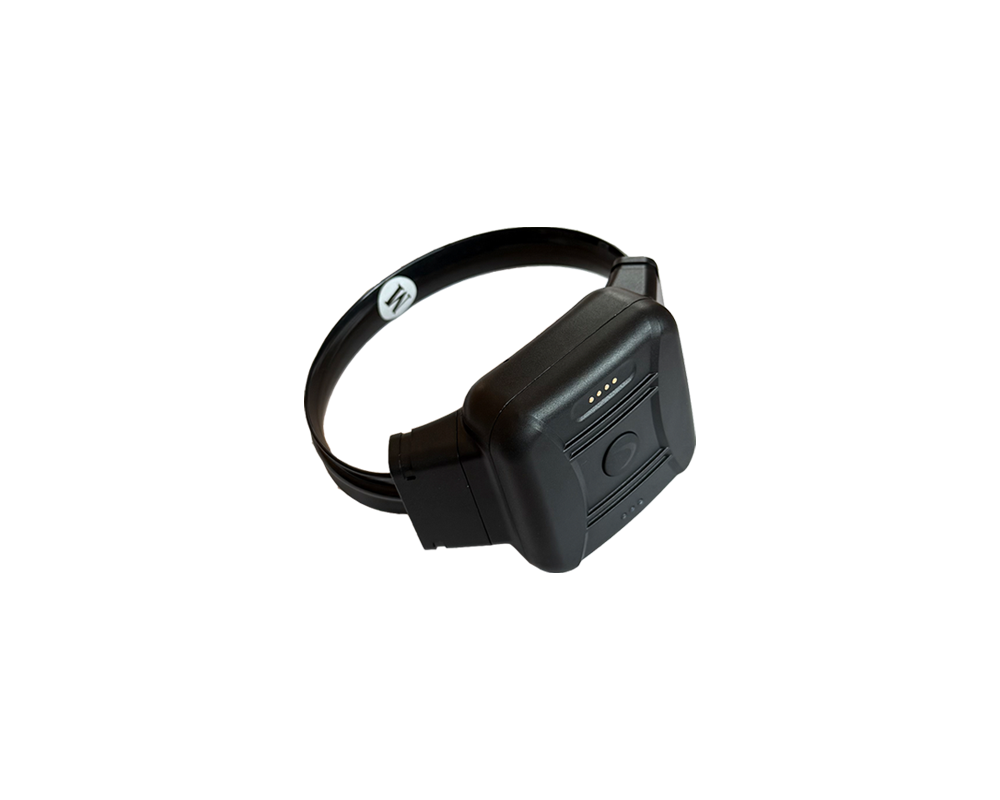
One-piece versus two-piece GPS ankle monitor designs
Architectures fall into two families. One-piece systems integrate modem, battery, GNSS, and tamper sensing in a single ankle-worn module. Two-piece systems separate a strap transmitter from a carried hub or tracker that owns the cellular radio. Each pattern trades ergonomics, charging logistics, and loss risk differently.
Advantages of one-piece GPS ankle monitor hardware
One-piece GPS ankle monitor devices eliminate strap-to-hub pairing drift that can generate false “out-of-range” narratives. They also simplify officer explanations to courts: one sealed module, one serial number, one chain-of-custody path. When weight drops toward a hundred grams, participants report fewer pressure injuries—an operational factor that shows up as compliance, not merely comfort.
Where two-piece GPS ankle bracelet systems still appear
Two-piece GPS ankle bracelet stacks sometimes appear when agencies reuse legacy RF hubs or when procurement rules mandate separable radios. The tradeoff is duplicated tamper surfaces and more charging touchpoints. If your RFP allows one-piece alternatives, score installation time, pairing reliability, and total daily officer workload—not only hardware list price.
Critical buyer specifications checklist
Use the following checklist verbatim in committee reviews. It aligns electronic monitoring procurement language with what courts actually adjudicate: credible maps, defensible tamper semantics, and sustainable charging cadences.
Weight and wearability
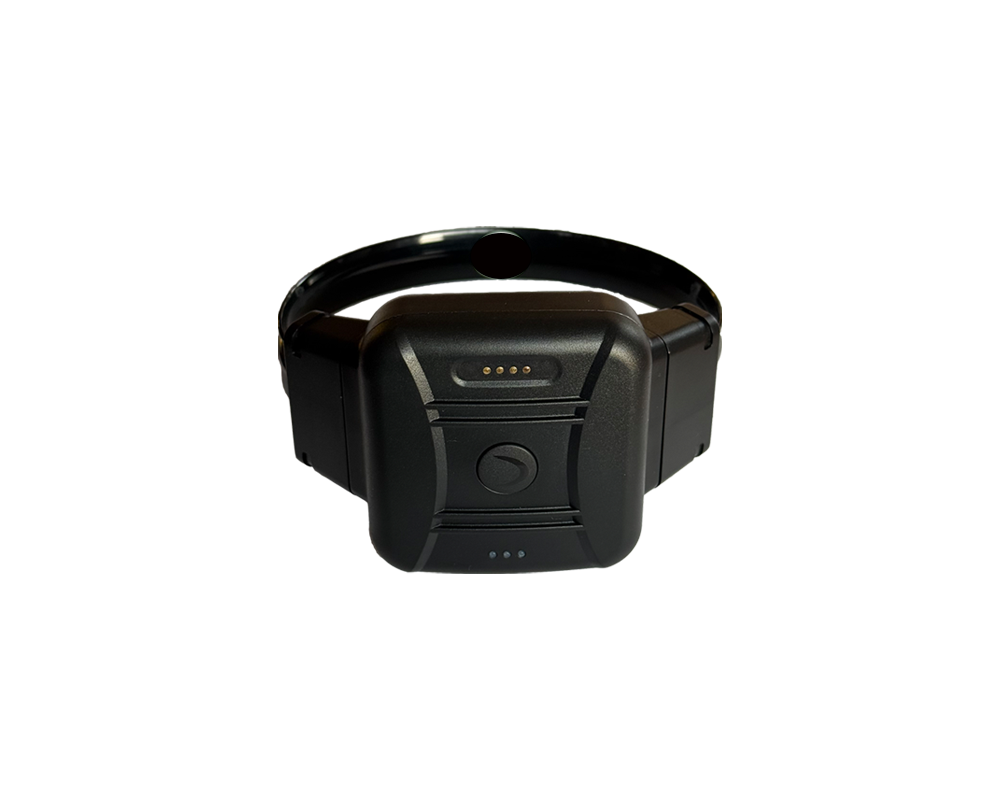
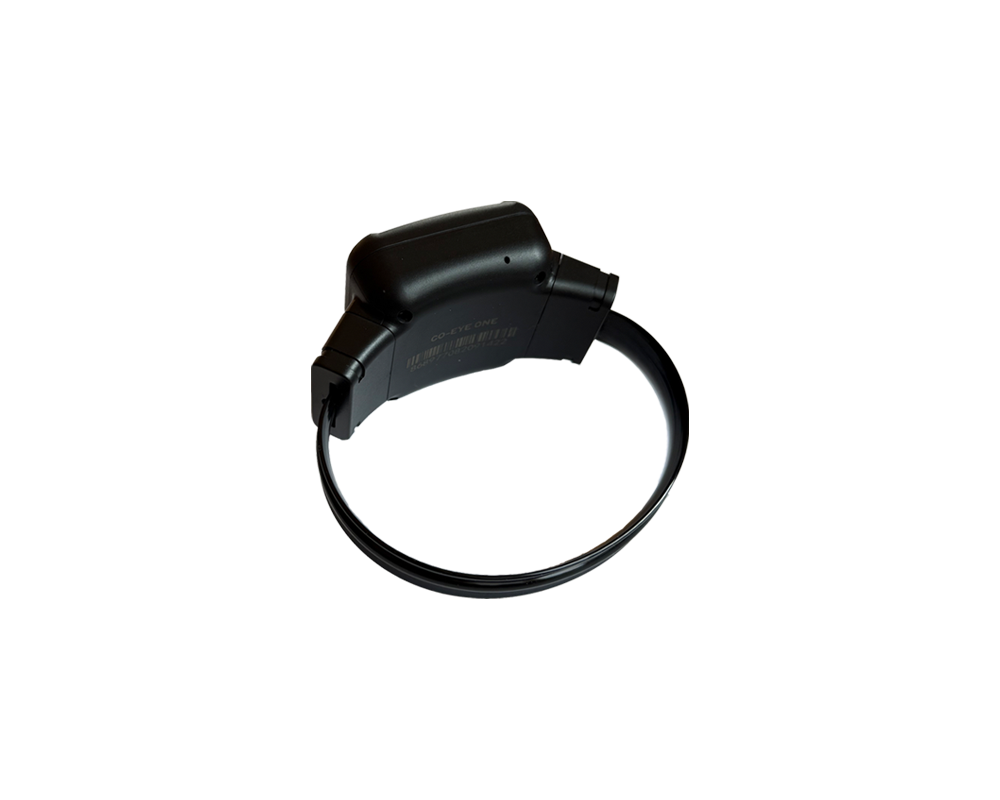
Heavier modules increase skin breakdown complaints and excuse narratives about “temporary removal.” Specify a maximum mass and ask for independent weighing methodology. CO-EYE ONE is 108 g at 60×58×24 mm—use that benchmark when discussing compact one-piece GPS ankle monitor targets.
Battery life and charging burden
Ask for standalone runtime at a defined reporting interval, not vague “up to” marketing without conditions. Longer intervals reduce officer call volume about low battery. CO-EYE ONE-AC adds eSIM flexibility and BLE-connected modes with up to six months battery in BLE-connected operation alongside standalone week-class operation.
GPS accuracy and NIJ Standard 1004.00 benchmarks
NIJ Standard 1004.00 provides standardized concepts for reporting horizontal accuracy in location-based offender tracking systems. Agencies commonly reference 10 m CEP50 and 30 m CEP95 GPS accuracy benchmarks as disclosure baselines when comparing vendor test claims. Modern multi-constellation receivers frequently outperform legacy minima; CO-EYE ONE is specified at < 2 m CEP on its published datasheet—map that figure to your local evidentiary standards rather than treating NIJ numbers as maximums.
Tamper detection modality
Conductive strap circuits can generate ambiguous alerts when moisture, temperature, or flex cycles mimic opens. Fiber-optic strap and case sensing on CO-EYE ONE is designed to eliminate conductive false positives while preserving evidentiary strap integrity. Ask any vendor for tamper code dictionaries and adjudication playbooks before award.
Cellular connectivity and sunset risk
Prioritize 5G-ready LTE-M / NB-IoT (with rational GSM fallbacks only where carriers still support them). A GPS ankle monitor purchase in 2026 should not anchor on sunsetting 2G/3G radios. CO-EYE ONE supports LTE-M/NB-IoT-class operation; CO-EYE ONE-AC adds eSIM for operator flexibility.
Waterproof rating
Specify immersion ratings that match shower and weather exposure. CO-EYE ONE is IP68, which aligns with everyday hygiene realities in community supervision.
Installation and removal time
Tooling-heavy fittings consume officer minutes at scale. CO-EYE ONE advertises < 3 seconds snap-on installation—an operational KPI that reduces lobby backlog and transport risk.
RFP workflow: how committees should score a GPS ankle monitor award
Most failed procurements confuse catalog shopping with supervised-release engineering. Start by writing the legal question the court must answer: continuous route proof, curfew presence, victim proximity, or a blend. Only then translate those duties into minimum reporting intervals, maximum location latency, and tamper code granularity.
Technical oral-board prompts that reveal integration depth
Ask vendors how their GPS ankle bracelet exports attach sensor metadata to each fix. Ask how they separate multipath outliers from true breaches. Ask how they version geofence edits for appellate review. Weak answers here predict expensive change orders after go-live.
Paper versus field validation tradeoffs
Paper scoring favors incumbents with familiar logos; field validation exposes charging logistics and strap ergonomics. A balanced ankle monitor procurement blends red-team map reviews with supervised fitting trials that measure seconds-per-install and first-week tamper adjudication rates.
Map evidence, discovery exports, and audit-ready metadata
Supervision cases increasingly demand CSV, PDF map books, and KML overlays that chain back to raw event logs. Your GPS ankle monitor contract should specify timestamp sourcing, time-zone handling, and whether fixes are device-reported or server-interpolated.
Urban canyon narratives and speed-versus-certainty tradeoffs
Judges hear conflicting stories about whether a dot “touching” an exclusion zone reflects GNSS scatter or a true approach. Agencies that document CEP assumptions and assistive positioning modes reduce evidentiary surprises. Reference NIJ disclosure language, then require vendor maps that show confidence fields when available.
Retention schedules that survive dismissal and appeal
Some orders require rapid purge after dismissal; others require multi-year archives. Align database retention with county records law before you operationalize a new ankle monitor fleet—retroactive deletion projects are costly.
Industry context: why tamper semantics dominate help-desk load
Practitioner literature and industry discussions have cited broad false-positive rates on the order of 15–30% for some conductive strap schemes—each agency should validate against its own adjudication data. Fiber-optic strap and case paths aim to remove moisture-driven conductive glitches so monitoring-center staff spend time on real breaches, not on humidity artifacts.
Pairing continuous GPS with RF home detention and smartphone apps
High-risk dockets may still require a GPS ankle monitor for route accountability while using RF beacons for overnight curfew certainty. Lower-risk tracks may combine periodic GNSS fixes with smartphone workflows. The procurement trick is to specify which modality answers which court question—never assume one SKU fits every docket.
When smartphone supervision replaces or supplements a GPS ankle bracelet
Smartphone apps can reduce hardware counts for stable employed participants. They rarely replace strap-based tamper evidence in high-risk domestic violence or sex-offender dockets. Document failover rules when batteries die or devices are shared within households.
Vendor comparison snapshot (text-only overview)
The table below lists representative enterprise GPS ankle monitor ecosystems frequently evaluated in North American and European tenders. Figures for non-CO-EYE rows summarize publicly marketed positioning; validate every cell in your RFP response cycle. No competitor websites are linked by policy.
| Dimension | CO-EYE ONE | BI Incorporated (SmartLINK) | SCRAM Systems | SuperCom (PureOne) | Geosatis | Buddi | Track Group (ReliAlert / Shadow) |
|---|---|---|---|---|---|---|---|
| Form factor emphasis | One-piece integrated GPS ankle bracelet | One-piece SmartLINK line in portfolio | Mix of alcohol and location products; GPS offerings vary by program | Global EM portfolio with modular offerings | European one-piece emphasis | UK-rooted GPS hardware families | Multiple tracker/bracelet families including ReliAlert and Shadow-class devices |
| Representative weight class | 108 g published | Varies by SKU—confirm on submissions | Varies by SKU—confirm on submissions | Varies by SKU—confirm on submissions | Varies by SKU—confirm on submissions | Varies by SKU—confirm on submissions | Varies by SKU—confirm on submissions |
| Standalone battery (typical marketing) | Up to 7 days (LTE-M/NB, 5 min interval) | Vendor-dependent; validate interval assumptions | Vendor-dependent; validate interval assumptions | Vendor-dependent; validate interval assumptions | Vendor-dependent; validate interval assumptions | Vendor-dependent; validate interval assumptions | Vendor-dependent; validate interval assumptions |
| Tamper philosophy | Fiber-optic strap + case (zero false-positive conductive artifacts) | Vendor-specific strap electronics | Vendor-specific strap electronics | Vendor-specific strap electronics | Vendor-specific strap electronics | Vendor-specific strap electronics | Vendor-specific strap electronics |
| Install time claim | < 3 seconds snap-on | Process-dependent | Process-dependent | Process-dependent | Process-dependent | Process-dependent | Process-dependent |
| Modern cellular posture | 5G-compatible LTE-M / NB-IoT (+ GSM where available); ONE-AC adds eSIM | Confirm LTE generations per SKU | Confirm LTE generations per SKU | Confirm LTE generations per SKU | Confirm LTE generations per SKU | Confirm LTE generations per SKU | Confirm LTE generations per SKU |
| Declared GPS accuracy (vendor) | < 2 m CEP | Request CEP disclosures | Request CEP disclosures | Request CEP disclosures | Request CEP disclosures | Request CEP disclosures | Request CEP disclosures |
| Waterproofing (vendor) | IP68 | Request IP ratings | Request IP ratings | Request IP ratings | Request IP ratings | Request IP ratings | Request IP ratings |
CO-EYE ONE-AC extends the same mechanical core with eSIM, larger on-board storage (8M / up to 20,000 events), dual-processor architecture, and BLE-connected battery modes up to six months when paired with approved hubs or apps.
Total cost of ownership beyond the strap MSRP
TCO for electronic monitoring bundles hardware depreciation, cellular SIM costs, platform seat fees, spare chargers, strap inventories, officer training, and help-desk time. A cheap one-piece strap with daily charging can cost more in labor than a lighter unit with week-class battery life. Model replacement cycles against cellular sunset dates—buying end-of-life 3G inventory creates stranded capital even if unit price looks attractive.
Service fees and SLA credits
Contract for uptime, latency, and export timeliness. Map SLA credits to measurable monitoring-center KPIs, not generic “best effort” language.
Training and false-positive adjudication
Programs that ignore tamper semantics burn prosecutor goodwill. Fiber-optic tamper paths reduce conductive ambiguity, shrinking hours spent reconciling junk alerts.
Evidence note: Florida recidivism reduction signal
Peer-reviewed analysis of Florida supervision cohorts reported roughly a 31% reduction in recidivism risk for monitored groups versus comparison designs under the study assumptions. Use the figure as directional evidence that well-run GPS ankle bracelet programs can align with public-safety outcomes—not as a guarantee for every docket.
Latest electronic ankle monitor technology trends shaping GPS ankle monitor roadmaps
Expect wider eSIM adoption to simplify carrier changes, deeper AI analytics on alert streams (anomaly detection rather than raw threshold spam), and continued emphasis on fiber-optic tamper detection as agencies refuse to litigate conductive moisture glitches. LTE-M/NB-IoT classes remain the rational default for new GPS ankle monitor procurements while legacy bearers wind down.
Application areas for GPS ankle monitor deployments
The same hardware family often serves multiple legal contexts with different map rules. Procurement teams should tag each docket with the evidentiary question the court expects maps to answer, then align alert matrices and staffing models.
Pretrial release and supervised bond conditions
Pretrial tracks prize rapid fitting after release decisions, victim-distance buffers, and tamper codes that prosecutors can explain without engineering witnesses. A modern GPS ankle monitor RFP should cite maximum install time and minimum standalone battery to keep release windows from bottlenecking in jail lobbies.
Probation and post-conviction supervision
Probation officers often prioritize trendlines—chronic minor deviations versus single spikes—and need exports that survive revocation hearings. Pairing the strap with training on multipath errors prevents ankle monitor maps from becoming adversarial theater.
Parole and reentry caseloads
Parole stress-tests charging logistics because participants work irregular shifts. Week-class battery life directly correlates with compliance when charging stations are not available at every job site.
House arrest and home detention
House arrest pairs GPS route proof with RF curfew integrity. Use HouseStation when the court’s question is primarily “was the person home overnight?” while still maintaining a GPS ankle bracelet for permitted travel corridors.
Domestic violence and protective-order programs
DV dockets may require victim-proximity logic, rapid escalation, and low false-positive tamper semantics so victims trust alerts. Fiber-optic tamper signaling supports cleaner escalation than conductive strap noise.
Sex offender registration and exclusion zones
School and park buffers demand stable geofence tooling and historical map retention. Specify polygon editing workflows and prosecutor-friendly export packages in the ankle monitor service contract.
Immigration and cross-border supervision edge cases
Roaming, carrier handoffs, and dead zones at borders stress cellular planning. eSIM-capable hardware such as CO-EYE ONE-AC can simplify carrier changes when participants travel under court-approved itineraries.
Smartphone-augmented lower-risk tracks
Where courts permit, AMClient can complement strap-based electronic monitoring for check-ins and BLE-tether workflows—document when the smartphone is evidentiary versus ancillary.
Scaling operations after your ankle monitor census grows
When a wearable census doubles, the constraint is rarely warehouse space—it is adjudication throughput. Supervisors should model queue depth per shift, not merely devices per officer. Program directors should also budget seasonal spikes, because summer travel permits and holiday court closures reshape alert volumes within days.
Help-desk playbooks every ankle monitor program needs
Document charging faults, skin irritation triage, and travel-permit map updates in plain language. When participants can follow a one-page FAQ, your supervision hotline volume falls even if court orders grow.
Quality assurance for map exports before hearings
County counsel should spot-check ankle monitor PDFs weekly for missing legends, time-zone footnotes, and duplicated event IDs. Small template errors become appellate issues when a revocation turns on a single minute gap.
Cross-training dispatch and community corrections
Dispatchers who misunderstand ankle monitor tamper codes can over-escalate SWAT responses. Cross-training builds shared vocabulary across radios, CAD notes, and monitoring-center software.
Inventory hygiene for straps, cradles, and spares
Serialized ankle monitor inventories should reconcile monthly against active caseloads. Mismatched serials create chain-of-custody gaps that defense counsel exploit even when location data is sound. Run exception reports for straps that remain “in transit” longer than forty-eight hours so missing hardware does not linger invisible in asset tables.
Frequently asked questions
What defines a GPS ankle monitor in procurement documents? It is a court-ordered wearable that records GNSS-based location (often assisted by Wi-Fi/LBS), transmits events via cellular, and exposes tamper, battery, and motion states to a certified monitoring platform.
How should agencies use NIJ 1004.00 in RFPs? Use NIJ’s 10 m CEP50 and 30 m CEP95 language as a disclosure baseline for horizontal accuracy comparisons—not as a ceiling on modern receiver performance.
Why does one-piece versus two-piece architecture matter? One-piece reduces pairing failure modes and often lowers officer time per install; two-piece can still fit legacy hub workflows but adds charging and custody complexity.
What tamper questions should legal reviewers ask? Request tamper code dictionaries, moisture-handling guidance, and historical false-positive rates for conductive schemes before accepting fiber-optic alternatives.
How does CO-EYE ONE compare on battery and weight? CO-EYE ONE lists 108 g with up to seven-day standalone LTE-M/NB operation at a five-minute interval; ONE-AC extends flexibility with eSIM and long BLE-connected runtimes.
Where can agencies get pricing without a demo? Use Contact Sales or Request Quote on ankle-monitor.com for fleet pricing and integration planning.
Which guide covers supervision economics? Read the ankle monitor cost guide for TCO framing alongside this specification pillar.
This GPS ankle monitor buyer’s guide is a living checklist: align court orders with map logic, specify cellular generations, and score tamper semantics before you score price per strap. When documentation is tight, hearings stay focused on behavior—not on ambiguous hardware artifacts.