
House arrest lets courts supervise people at an approved residence instead of holding them in jail. In 2026, programs usually pair residential restrictions with a house arrest ankle monitor so officers can verify curfew, map movements, and review tamper events. This guide explains who qualifies, how RF and GPS answer different legal questions, rules agencies enforce, cost comparisons to incarceration, hardware architectures, state variation, and research on outcomes.
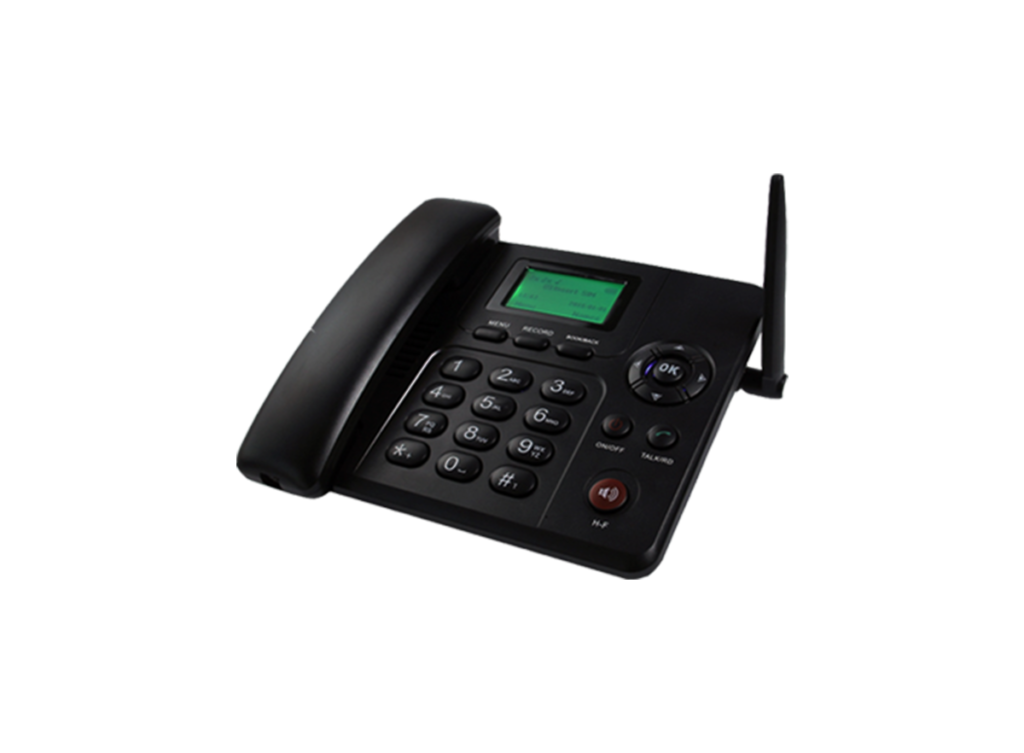
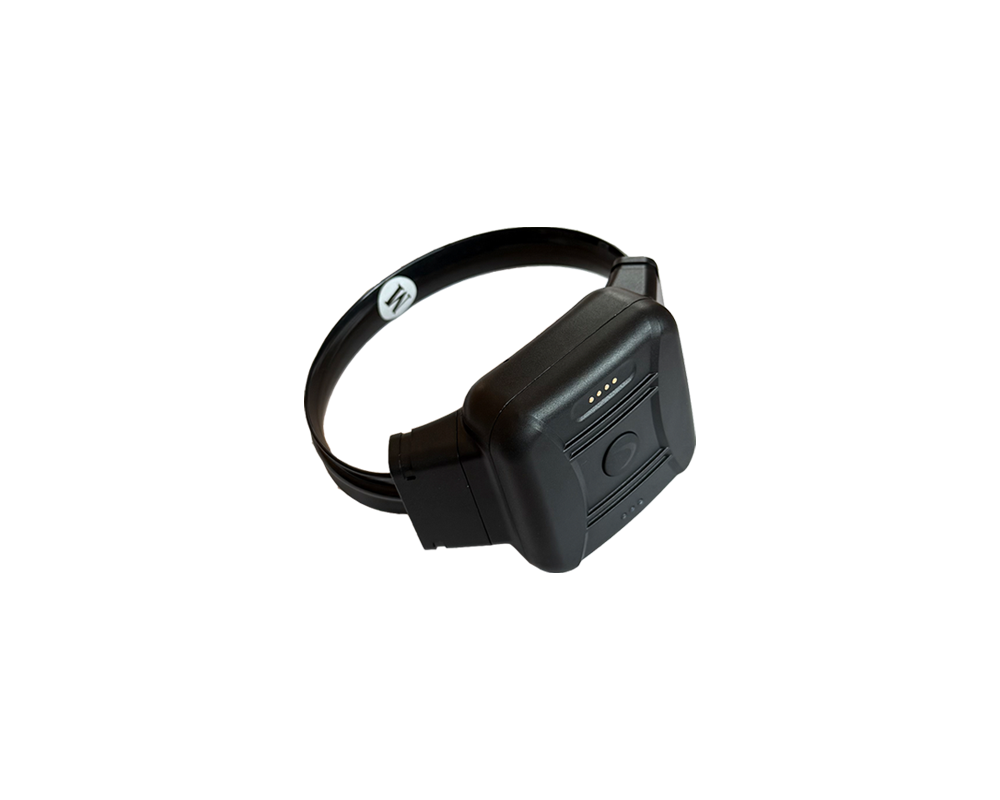
For hardware reference, CO-EYE ONE is a lightweight one-piece cellular GPS ankle bracelet at 108g (60×58×24mm) with fiber-optic strap and case tamper paths, roughly seven-day battery life in representative standalone reporting modes, manufacturer-rated GPS accuracy under 2m, and IP68 waterproofing. When orders emphasize residence presence during scheduled hours, CO-EYE HouseStation provides an RF home beacon at 225×173×55mm and 750g with 433 MHz RF and antenna design aimed at difficult construction—including penetration through multiple concrete walls—with manufacturer specifications on the order of 50m indoor and 200m outdoor range.
Build on fundamentals in what is an ankle monitor, operational detail in ankle monitor rules and restrictions, and dollars-and-cents framing in the ankle monitor cost guide. Product depth for GPS tracks lives on CO-EYE ONE; RF home verification is covered on CO-EYE HouseStation. To scope devices and alert policy, Contact Sales or Request Quote.
What Is House Arrest and Who Qualifies?
House arrest generally means a judge or supervising agency restricts someone to a named address and a limited set of approved movements—employment, treatment, court, sometimes grocery corridors—rather than housing them in a facility. Statutes and forms may label the same idea community confinement, electronic monitoring at home, or home detention when a narrower fee-based program exists.
Eligibility is inherently local. Prosecutors weigh offense severity, criminal history, and victim safety. Judges weigh risk instruments, compliance history, and housing stability. Jail capacity still influences decisions even when law and policy aspire to be risk-based. Violent felonies, active protection-order cases without a GPS safety plan, and certain weapons charges often disqualify candidates, while lower-level offenses, medical vulnerabilities, or re-entry phases more frequently appear on house arrest dockets.
Orders should spell out addresses, hours, corridor maps, who pays monitoring fees, and how alleged violations escalate. Vague maps create contested hearings and damage confidence in the house arrest ankle monitor log supervisors must defend.
How a House Arrest Ankle Monitor Supports Supervision
A house arrest ankle monitor connected to cellular backhaul uploads timestamped positions, speed estimates, and tamper codes to a central platform. Supervisors draw inclusion bubbles around approved homes or job sites and exclusion polygons around schools, victim addresses, or co-defendant locations. Alerts can be silent for analyst review or immediate for on-call officers.
Operational success depends on workflow, not dots on a map. Charging docks must be available; participants need plain-language instructions; call centers need scripts that distinguish true strap cuts from conductive false positives. Fiber-optic tamper sensing on strap and case—offered on CO-EYE ONE—targets zero false-positive fiber tamper signaling per manufacturer design goals, which matters when courts treat tamper alarms as bond violations.
For always-on community accountability, agencies increasingly specify modern LTE-family cellular paths rather than aging 2G/3G-only hardware. A purpose-built GPS ankle monitor still anchors most blended programs that require continuous route history during the day and strict geofences at night.
Rules and Restrictions: Curfews, Zones, and Travel
Three patterns repeat across orders. Curfew windows require the person inside a home-radius geofence overnight or on weekends. Exclusion zones forbid approach to sensitive addresses. Corridor travel permits defined routes to work or treatment instead of county-wide roaming. Our ankle monitor rules and restrictions article expands officer-facing checklists.
Map drafting should match the risk narrative: micro-fences along property lines spike false departures; oversized buffers undermine victim safety tools. Document medical, legal, and employment exceptions in the order so analysts can clear alerts without adversarial hearings. When a house arrest ankle monitor logs movement during a documented ER visit, supervisors should attach the hospital record to the case file before any revocation motion.
Software, alert codes, and audit trails
Dashboards must expose discrete codes for strap tamper, case tamper, power loss, missed reporting, and zone breaches. Export packages for court should include UTC timestamps, speed, fix quality indicators where available, and analyst notes. Hybrid stacks that add smartphone apps should state which sensor is authoritative if GPS and handset disagree.
Participant Experience: Charging, Privacy, and Daily Life
People on house arrest face practical constraints beyond the legal order. Devices need periodic charging; missed charging can look like noncompliance even when the participant is present. Agencies reduce friction with shorter magnetic charge cycles, longer battery life, and education about outlet placement. CO-EYE ONE advertises roughly 2.5-hour full charge time with about seven-day standalone use—parameters that lower how often officers investigate power-loss events.
Privacy questions arise around location history retention, third-party vendor access, and discovery in criminal or family cases. Policies should define retention windows, encryption in transit, and which staff roles may download tracks. Transparency builds compliance; surprise data releases erode trust.
Water exposure is another daily issue. IP68-rated straps are built for immersion per manufacturer guidance, but court orders may still list shower or pool limitations. Always align clinical hygiene needs with written conditions.
Cost Comparison: Supervision vs Incarceration
Budget staff often benchmark participant fees near $5–25 per day against marginal jail costs that can exceed $100 per day after staffing, medical, food, and capital charges. Actual monitoring bills swing with insurance, vendor subsidies, and indigency waivers. The ankle monitor cost guide unpacks activation, replacement, and analyst labor.
True savings appear when home detention avoids even a handful of jail bed-days per month. Still count hidden costs: overtime for alert review, equipment shrinkage, and IT integration. A house arrest ankle monitor program that prevents new construction blocks may fund itself even if per-diems look modest on paper.
RF Home Beacons vs Continuous GPS
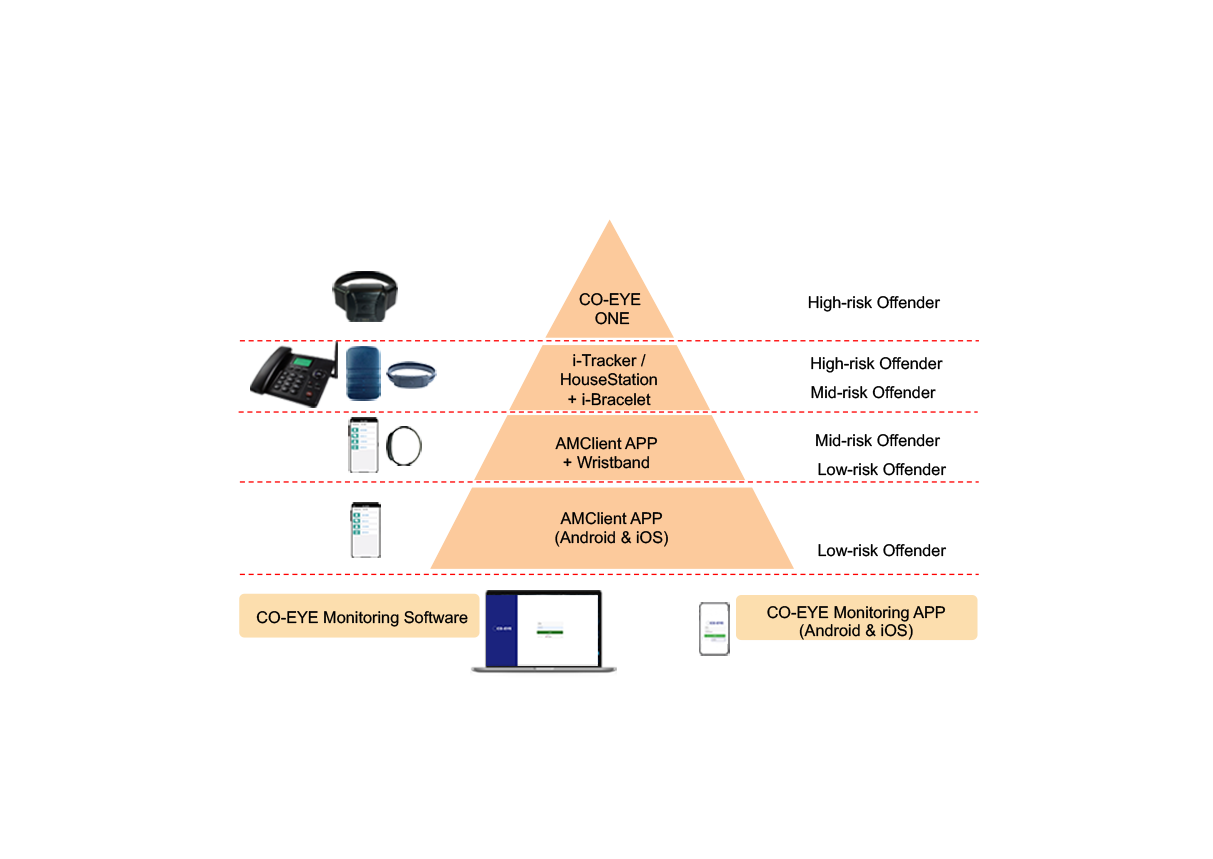
RF supervision answers, “Is the strap near the approved residence right now?” GPS supervision answers, “Where did the person travel across the day?” Many jurisdictions combine both: cellular tracking for mobility plus an RF beacon for rigid overnight presence. Two-piece histories placed a bulky ankle modem beside a wall-powered transceiver; modern one-piece cellular straps reduce pairing failures while optional beacons still harden curfew proof.
CO-EYE HouseStation fits the beacon role at 225×173×55mm and 750g, with dual-SIM voice capability still valued in legacy monitoring centers. Its 433 MHz RF link and antenna design target difficult residential builds, with manufacturer-cited range on the order of 50m indoors and 200m outdoors—helpful when apartments, basements, or metal siding weaken signals.
One-Piece vs Two-Piece Hardware
Two-piece kits separate the wearable from a dock or body-worn relay. They can satisfy legacy RFP language but add inventory, pairing steps, and failure modes. One-piece straps integrate modem, battery, antennas, and tamper sensors—often improving comfort and install speed. CO-EYE ONE’s tool-free, sub-three-second clasp workflow reduces field time per intake.
When comparing vendors, document cellular generation, GNSS constellations supported, tamper philosophy, waterproof class, and realistic battery life under your reporting interval. Those fields matter more than marketing peak speeds because house arrest programs run continuously, not in lab bursts.
Florida Evidence: 31% Recidivism Reduction Context
Legislators often ask whether electronic supervision changes re-offending. Peer-reviewed analysis of Florida’s monitoring program reported roughly a 31% reduction in recidivism risk for monitored cohorts relative to comparison groups in the published study design. The figure is a population-level signal, not a promise for any individual case.
Agencies should still pair straps with treatment, employment support, and swift proportional responses to technical violations. House arrest without services may simply delay misconduct rather than reduce it.
NIJ Accuracy Benchmarks and Courtroom Language
National Institute of Justice Standard-1004.00 documentation gives structured test methods for location-based offender tracking. Horizontal accuracy is commonly summarized as about 10 meters for autonomous reporting and 30 meters for non-autonomous modes under defined laboratory conditions—anchors that keep vendor claims realistic.
Judges should hear that GPS establishes general presence, not inch-perfect doorstep certainty, while RF beacons confirm proximity to a fixed transmitter. Demanding impossible precision invites bad-faith challenges; demanding modern radios, tamper clarity, and exportable logs does not. Terminology primers appear in what is an ankle monitor.
State-by-State Variation
No federal template unifies house arrest. Fees, eligible offenses, victim-notification timing, and private-vendor roles differ by statute and county contract. Pretrial services departments may run GPS in one jurisdiction while probation runs RF-only curfews next door. Interstate moves require compact checks before approving a new address.
Vendors operating in multiple states should maintain jurisdiction playbooks so alert handling matches local law. A breach that is a technical violation in one county might trigger immediate arrest elsewhere. Training analysts on those deltas prevents both under-enforcement and wrongful detention.
Western states often emphasize pretrial alternatives and rapid device swaps; southeastern states may blend vendor call centers with sheriff-led review. Northeastern urban counties frequently layer victim-notification statutes on top of standard geofences. None of those generalizations replaces counsel’s reading of enrolled law, but they explain why a single national contract rarely fits every office without localization.
Carrier Sunsets and Modernization Planning
Legacy 2G and 3G retirements continue to strand ankle hardware that cannot fall back to LTE-M or NB-IoT. A house arrest ankle monitor fleet that still depends on sunsetting bands will miss fixes, generating false “device offline” crises. Capital plans should include a rolling refresh tied to carrier published sunset dates, not to fiscal convenience alone.
Modern one-piece units such as CO-EYE ONE advertise 5G-compatible LTE-M / NB-IoT / GSM cellular paths—language that belongs in RFP scoring rubrics when buyers need multi-year runway. Document minimum acceptable bands per carrier in your county and reject SKUs that cannot demonstrate lab traces on those bands.
Migration windows are also the right moment to retrain staff on new tamper codes and charging accessories. Pair hardware swaps with tabletop exercises so the first night on new firmware is not the night a high-profile case breaches.
From Jail Release to Strap Installation
Smooth intakes start before release: verify address geocodes, test cellular signal at the residence, assign charging kits, and preload platform profiles. Field officers should photograph strap fit, record serial numbers, and confirm participant acknowledgment forms. When home detention begins the same day as release, rushed installs cause pairing errors that look like escapes.
Post-install, run a supervised walk-through of inclusion and exclusion zones so the participant understands map boundaries in plain language. Document translator assistance when needed.
Procurement Checklist for 2026
RFPs should name reporting intervals, tamper definitions, data retention, uptime SLAs, and sunset plans for obsolete radios. Ask how vendors authenticate strap swaps and how they prevent duplicate devices on one account. Require sample exports that your prosecutors can read without proprietary viewers.
Pilot programs should measure alert true-positive rates, median time-to-charge, and officer overtime per hundred participants before scaling. Quantitative baselines beat anecdotal vendor tours. For hardware specifics on CO-EYE ONE and HouseStation, use CO-EYE ONE and CO-EYE HouseStation; for engagement, Contact Sales or Request Quote.
Monitoring Centers: Alert Triage and Escalation
Most electronic-monitoring event streams never reach a judge—they are filtered by vendor or county analysts who decide whether a GPS jitter, brief RF fade, or true zone breach warrants officer contact. Strong programs publish service-level targets for acknowledgement times, define when on-call supervisors must wake up, and rehearse mass-outage scenarios when carrier cores fail.
Analysts should log disposition codes for every alert: cleared as GPS noise, cleared as approved movement, referred for field visit, or referred for warrant. Those codes become training fodder and help prove the house arrest ankle monitor program is neither ignoring victims nor harassing participants. When fiber-optic tamper signals fire, treat them as high priority because they carry clearer semantics than legacy conductive strap alarms.
Night-shift staffing is a hidden cost driver. If your county cannot sustain 24/7 review, negotiate vendor tier-1 filtering but retain audit rights over how vendor staff classify events. Blind outsourcing invites liability when a mislabeled breach precedes a new offense.
Common Failure Modes—and How Agencies Prevent Them
Even well-written orders stumble on predictable issues. Participants forget chargers after travel days, metal-clad apartments attenuate RF beacons, and shared housing complicates “home” geocodes when someone sleeps on a couch in a multi-unit building. Field teams should pre-validate addresses with drive tests instead of trusting parcel centroids.
Another failure mode is over-reliance on default geofence sizes. Copy-paste circles from one case to the next invite false departures on corner lots and false compliance on deep back lots. Analysts need tools to snap fences to structure footprints when policy allows.
Finally, stale user permissions create privacy incidents. When officers rotate, revoke dashboard access immediately. Location histories from residential supervision are sensitive; treat them with the same discipline as NCIC terminals. Annual penetration tests on vendor APIs are now baseline hygiene for mid-size counties.
Frequently Asked Questions
What is the difference between house arrest and home detention?
Everyday speech treats them similarly. Statutes sometimes reserve home detention for fee-scheduled programs with explicit eligibility lists, while house arrest language appears in broader supervision orders. Read the controlling order and code.
How does a house arrest ankle monitor enforce curfew?
A house arrest ankle monitor uses GPS geofences, RF proximity to a beacon, or both to confirm the wearer stayed inside approved boundaries during ordered hours. Supervisors clear or escalate alerts based on policies and documented exceptions.
How accurate is GPS for alleged violations?
Expect accuracy bands consistent with NIJ Standard-1004.00 reporting categories—commonly summarized as about 10m autonomous and 30m non-autonomous under specified tests—not centimeter certainty. Use field verification in dense urban cores or remote dead zones.
How much does monitoring cost compared to jail?
Participant fees often land near $5–25 per day, while fully loaded jail costs frequently exceed $100 per day in many jurisdictions. Local budgets remain authoritative.
Can someone shower while wearing a GPS ankle monitor?
IP68 devices such as CO-EYE ONE are engineered for immersion per manufacturer instructions; still follow court conditions and vendor care guides.
Does electronic supervision reduce recidivism?
Florida peer-reviewed research reported about a 31% reduction in recidivism risk for monitored cohorts versus comparison groups in the study design. Pair equipment with services and local evaluation.