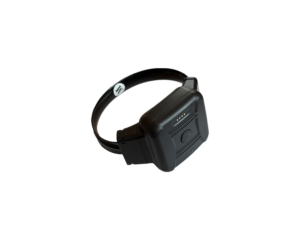

Ankle monitor cost is a board-level question in 2026 for pretrial administrators, state probation agencies, county community corrections, and bail bond–affiliated monitoring programs. The public sees a daily fee on a statement; finance teams see a bundle of capital, service, airtime, software seats, training, and hidden labor. This guide unpacks every major line item so you can compare quotes without talking past vendors—and explain why the cheapest per diem is not always the lowest ankle monitor cost after go-live.
We anchor numbers to widely used planning bands: continuous GPS supervision commonly falls around $5–$25 per day in vendor service fees, while local jail incarceration is often modeled near $80–$120 per day for marginal bed costs—and roughly $100 per day on average when fully loaded operating costs are included in Bureau of Justice Statistics–style jail expenditure discussions. Electronic monitoring is not free, but the ankle monitor cost gap versus detention is why legislatures keep funding supervised release infrastructure. For a narrative companion, read How Much Does an Ankle Monitor Cost? Complete Pricing Guide [2026] (related reading). For procurement framing, pair this article with the GPS ankle monitor buyers guide and the electronic monitoring product overview.
What drives ankle monitor cost in real contracts?
Most RFPs collapse everything into one ankle monitor cost per participant per day. Behind that number sit distinct economic layers: device ownership or rental, monitoring center service, map and alert software, cellular data, installation and training, spare-pool logistics, and replacement rules when straps fail in the field. Finance officers should require vendors to itemize each layer. When those rows stay bundled, your supervision pricing story to auditors becomes a black box—and hidden labor erodes the savings you promised versus jail.
1. Daily monitoring fees ($5–$25/day and when they float)
Daily monitoring fees are the visible heart of GPS supervision pricing. Continuous tracking with frequent location reports, geofence logic, and escalation workflows typically lands in the $5–$25 per day band depending on census, risk tier, SLA, and whether analytics modules are bundled. Curfew-centric RF programs and smartphone check-in tracks often sit lower because cellular payloads are lighter. Alcohol monitoring layers are frequently priced additively. Volume tiers matter: statewide agreements that clear hundreds of concurrent enrollments routinely beat small-county spot pricing. Ask whether the quote assumes active 24/7 review or business-hours-only triage—after-hours staffing changes the true ankle monitor cost even when the invoice line looks identical.
2. Equipment costs: one-piece GPS vs two-piece vs RF
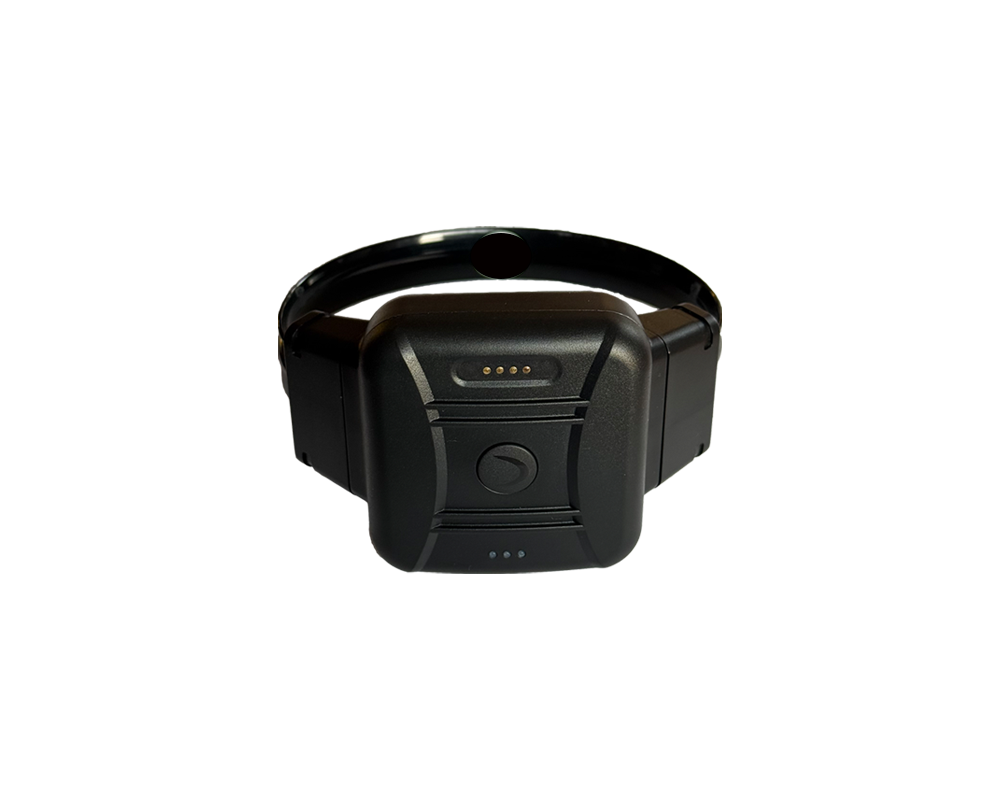
Equipment economics split into capital purchase, lease, or vendor-owned rental pools. One-piece GPS bracelets integrate cellular and GNSS in a single ankle-worn module—eliminating separate home beacon hardware for core GPS tracking. Two-piece architectures pair an ankle radio with a hub or beacon; quotes often carry higher combined hardware imprints and more accessories (chargers, docks, cradle swaps). RF / home detention stacks may use a residence beacon plus a wrist or ankle transmitter—useful when the court order is primarily presence during curfew windows. When comparing ankle monitor cost across architectures, spread any home-station capital over expected service life and count install complexity. Programs comparing vendors should review the CO-EYE ONE GPS ankle monitor one-piece specification page alongside HouseStation and i-Bracelet / i-Tracker pathways for mixed-risk portfolios.
3. Installation, training, and enrollment spikes
One-time installation and activation commonly run $50–$200 per enrollment for fitting, account provisioning, and monitoring-center activation—sometimes waived at high volume. Training is a separate hidden row: field officers, monitoring staff, and IT must understand alert workflows, evidence exports, and escalation playbooks. A device that installs faster reduces queue time at the justice center. CO-EYE documents snap-on installation in under three seconds without tools for CO-EYE ONE, which lowers per-intake labor when agencies enroll large docket cohorts. Fold those minutes into your supervision budget model; they dwarf the per diem on short pretrial cases.
4. Software platform licensing and modules
Enterprise monitoring is software-first. Licensing may be priced per concurrent device, per named supervisor seat, per module (victim proximity, zone templates, BI feeds), or per data-retention tier. Some vendors meter API calls, map tiles, or premium analytics. Clarify whether software is included in the daily fee or invoiced separately—otherwise your electronic monitoring budget understates the IT line. Unified platforms reduce integration tax: CO-EYE Monitoring Software consolidates device families into one operational picture so agencies avoid paying twice for parallel dashboards. When two quotes differ by only a few dollars on the daily rate, software packaging may explain why the higher quote is cheaper in total ankle monitor cost.
5. Cellular connectivity and 2G/3G sunset risk
Cellular backhaul is a recurring component of connected-GPS program spend. Legacy 2G/3G dependencies force unplanned refresh events when carriers retire bands—capital hits that do not appear in yesterday’s per diem. Modern hardware that targets LTE-M / NB-IoT with forward-compatible cellular paths reduces stranded-inventory risk. CO-EYE ONE uses 5G-compatible LTE-M/NB-IoT/GSM coverage (see product specifications), aligning long-life programs with operator roadmaps. Build a sunset reserve line in your TCO if any cohort still depends on retired air interfaces; it is part of honest ankle monitor cost governance.
6. TCO: one-piece vs two-piece (beacons, chargers, truck rolls)
Total cost of ownership is where marketing per diems collide with reality. Two-piece ecosystems can imply home beacons, spare cradles, extra power supplies, and participant coaching on tether range—each touchpoint is staff time. Short battery cycles increase charging noncompliance and monitoring-center calls. A one-piece GPS device with seven-day standalone battery life (CO-EYE ONE at a five-minute LTE-M/NB reporting interval, per official specs) reduces charging-management workload versus many daily-charge competitors. Fiber-optic strap and case tamper detection delivers zero false-positive signaling on the optical tamper path—shrinking supervisor hours wasted clearing phantom removals. Those operational deltas are real TCO offsets even when vendor daily rates look similar.
7. Offender-paid vs agency-funded models
Who signs the check changes compliance dynamics. Agency-funded models bake ankle monitor cost into corrections or pretrial budgets—and simplify equitable access. Participant-funded models shift cash flow to supervised individuals; sliding scales and ability-to-pay hearings reduce default-driven technical violations. Courts should align fee schedules with statutory authority and document expectations up front. From a vendor perspective, payer mechanics rarely change device BOM, but they change collection risk and write-offs—factors some contracts price into effective vendor pricing.
Federal, state, and private-provider pricing shapes
Federal procurements (pretrial, probation contracts, interstate compact workloads) often emphasize documented SLAs, evidence handling, and national cellular coverage—sometimes at premium daily rates but with stronger auditability. Statewide master agreements use volume to compress per-participant rates and standardize training. County and municipal buyers may patch together smaller awards with higher per-unit pricing. Private monitoring providers serving bail-supervised clients may blend retail-style pricing with bond agent workflows—see bail monitoring solutions for how pretrial programs intersect with bond industry operations. Compare like tiers: a federal quote is not comparable to a weekend-only curfew pilot without normalization.
Cost savings: electronic monitoring vs incarceration
Supervised release economics remain the headline justification. Jail marginal costs frequently appear in the $80–$120 per day range for local decision-makers, while BJS-style averages near $100 per day help statewide officials model detention versus community placement. Against $5–$25 per day monitoring service bands, the savings are structural—if programs maintain public-safety outcomes. Research cited across NIJ discussions includes Florida work on electronic monitoring showing roughly a 31% reduction in recidivism for youth cohorts compared with non-monitored comparators—evidence leadership can place beside budget tables. The policy point is simple: ankle monitor cost must be evaluated against detention TCO and outcomes, not in isolation.
Grants, pilots, and multi-year budget cycles
Many agencies first encounter electronic monitoring spend inside a pilot line guarded by a justice reinvestment or behavioral-health grant. Pilots compress timelines: activation spikes hit in quarter one, while recurring daily fees run across eight or nine months—easy to misread in a single fiscal snapshot. Finance teams should map grant burn against enrollment curves and carry-forward rules. When pilots convert to base budgets, the fully loaded ankle monitor cost often includes expanded monitoring-center staffing that the pilot hid inside overtime. Build a bridge schedule that shows year-two steady state, not only the launch quarter.
Evidence exports, discovery, and long-term retention
Courts and prosecutors increasingly expect timeline exports, map exhibits, and chain-of-custody style logs for hearings. If your vendor bills professional services for each subpoena, charges per gigabyte for cold storage, or prices “legal hold” retainers separately, those dollars belong in your TCO workbook beside the daily fee. Retention policies differ: some jurisdictions must keep supervision telemetry for years after discharge. Ask for a sample export workflow during RFP oral interviews—latency and format limitations can force unplanned staff hours even when the per diem looked competitive.
SLAs, uptime, and after-hours escalation
Service-level agreements translate directly into hidden labor. A program that promises 24/7 escalation but bills after-hours analyst time as an add-on is shifting program spend off the daily rate and onto incident invoices. Clarify mean time to acknowledge priority-one alerts, backup queue depth during holidays, and whether SMS or voice escalation carries surcharges. Strong SLAs can justify a higher per diem because they reduce officer callbacks and victim-notification delays—two places where under-bid contracts often fail in public view.
Finance & IT checklist: questions that change the bid
Before you award, run vendors through the same due-diligence script so proposals stay comparable. Ask for a redacted sample invoice that shows how daily fees, activation, module fees, and pass-through cellular appear in practice. Request written answers on spare-pool depth, typical strap replacement intervals, and whether firmware updates are included or billed as projects. Have the monitoring center describe after-hours staffing and escalation paths, including average time-to-first-touch on priority-one alerts. Confirm export formats for discovery, retention defaults, and whether API access to your own data carries metered fees. Capture roadmap commitments on LTE-M/NB-IoT support and carrier certifications, especially if your state still has legacy 2G/3G inventory in the field. Finally, model two enrollment waves—steady-state probation and surge pretrial—to see how activation spikes hit cash flow. Disciplined questioning prevents “winning” a bid that quietly transfers risk back to county staff after the press conference ends.
Warranty and refresh planning also belong in the same workbook. Ask how many months of advance notice you receive before mandatory hardware swaps, whether overnight shipping for dead-on-arrival units is included, and if loaner inventory is stocked in-region. Multi-year contracts should spell out price escalators tied to CPI, carrier surcharges, or minimum wage changes at the monitoring center—otherwise your supervision forecast drifts the moment macro conditions move. Insurance and risk teams should clarify who carries liability when a device is damaged in custody versus in the participant’s home, because replacement billing rules differ. When those mechanics are explicit, finance committees can defend the supervision line item under audit without hand-waving.
Comparison table: cost breakdown by system type
| Cost component | One-piece GPS | Two-piece GPS + beacon | RF / curfew focus | Smartphone app program |
|---|---|---|---|---|
| Typical daily monitoring fee | $5–$15 | $8–$25 | $3–$8 | $2–$5 |
| Home / beacon hardware (capital hint) | Usually none for core GPS | Often $200–$400+ per kit | Beacon + power install | Minimal |
| Charging / swap intensity | Lower with multi-day battery | Higher (hub + ankle unit) | Moderate | App + cable habits |
| Cellular sunset exposure | Mitigate with LTE-M/NB-IoT | Dual-device risk | Varies by RF vs cellular backhaul | Participant handset plans |
| Software / seat licensing | Bundled or per-seat | Bundled or per-seat | Bundled or per-seat | Often app-store + platform |
Use the table in staff briefings, then replace planning bands with actual vendor rows. If two proposals differ on headline per diems by a dollar a day but one includes spare pools, training, and exports while the other bills them separately, the higher daily rate may still win on TCO.
How CO-EYE aligns cost levers buyers care about
- One-piece GPS: CO-EYE ONE removes separate home beacon capital from baseline continuous GPS deployments.
- Battery / charging: Up to seven-day standalone operation reduces charging-management workload versus many short-cycle devices.
- Tamper economics: Fiber-optic strap and case detection—zero false-positive on the optical tamper path—cuts alert-queue noise.
- Cellular longevity: LTE-M/NB-IoT/GSM (5G compatible) supports migration away from legacy sunsets.
- Portfolio fit: Pair with AMClient, HouseStation, and i-Bracelet tiers so agencies match risk without duplicating vendor stacks—stabilizing long-run supervision economics.
Ready to translate these benchmarks into a program-specific worksheet? Use Contact Sales or Request Quote with your census, payer rules, and risk tiers.
Bottom line for 2026 buyers: treat ankle monitor cost as a systems problem—hardware architecture, cellular roadmap, software packaging, SLA depth, and payer design together determine whether your community supervision program delivers the budget relief policymakers expect. Re-run this model any time a carrier announces a sunset, a court changes export rules, or your census shifts pretrial-heavy. Consistent math beats headline per diems when oversight boards ask why your supervision budget line moved quarter to quarter.
FAQ: ankle monitor cost
What is the typical ankle monitor cost per day?
Continuous GPS programs commonly quote $5–$25 per day; RF or smartphone-centric supervision often falls lower. Alcohol or hybrid bundles may add parallel fees.
Does ankle monitor cost include the device?
Sometimes. Ask whether the daily rate assumes vendor-owned inventory, a lease, or agency-purchased hardware—and who pays for loss, damage, and refresh cycles.
How does ankle monitor cost compare to jail?
Marginal jail days are often modeled around $80–$120, with broader averages near $100/day when fully loaded—far above typical monitoring per diems.
What hidden lines inflate ankle monitor cost after go-live?
False tamper clears, charging support calls, truck rolls, spare-pool shrinkage, discovery exports, and cellular migrations frequently exceed the brochure daily rate.
Who pays ankle monitor cost in pretrial programs?
Models split between agency-funded budgets and participant-funded fees; ability-to-pay policies affect compliance and effective collection rates.