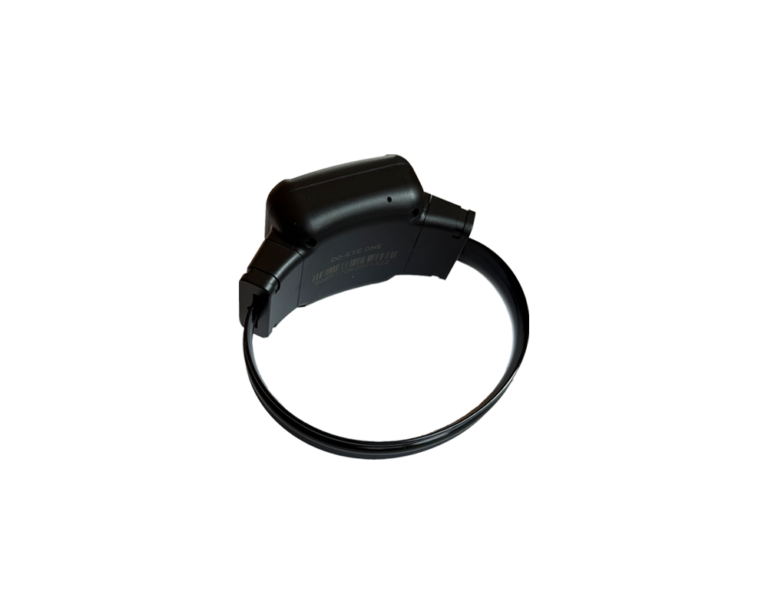
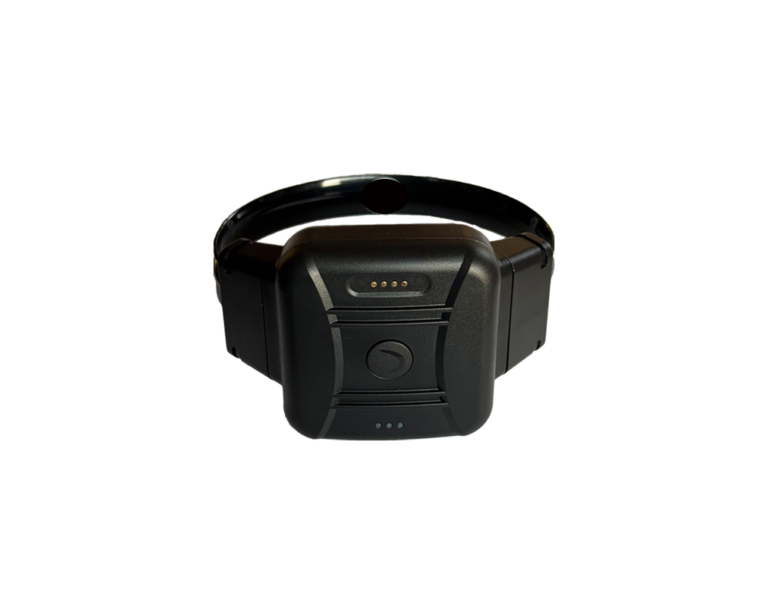
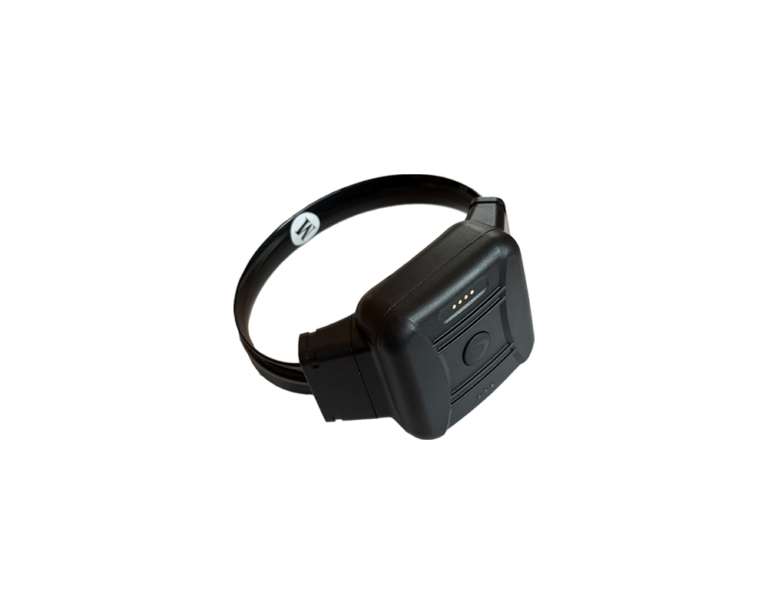
Electronic monitoring centers know the pattern: overnight alerts spike when defendants sleep in basements, steel-framed apartments, or rural pockets where LTE and GNSS fade together. This guide explains why LTE-only architectures hit a hard ceiling—and how WiFi-directed supervision, multi-layer resilience, and practical repeater placement change outcomes for agencies managing GPS ankle monitor caseloads.
If you run an electronic monitoring (EM) program, you already know the feeling: another overnight ping, another “battery low” queue item, another officer deciding whether this is a real emergency or just another charging slip. For many agencies and EM service providers operating legacy LTE-heavy GPS ankle monitor fleets, SCRAM GPS charging problems are not […]
If your agency is standardizing on electronic monitoring hardware in 2026, one decision keeps resurfacing: should you deploy a GPS ankle bracelet that reports location from the strap itself, or an RF ankle monitor architecture that proves presence relative to a home receiver? The answer is rarely “GPS only” or “RF only.” Most mature programs […]
Ankle monitor cost in 2026 depends on state rules, payer models, and program type. This guide maps typical daily bands for Florida, California, Texas, and more—plus hidden fees, procurement levers, and how agencies can lower total monitoring spend.
An ankle monitor is one of the most visible symbols of modern community supervision. Whether you are researching court-ordered supervision, supporting a family member, or evaluating equipment for an agency, this guide explains how an ankle monitor works in plain language—without losing the technical detail agencies need. If you want a foundational definition first, read […]
Agency-focused guide to the immigration ankle monitor landscape: how ICE Alternatives to Detention (ATD) uses GPS ankle monitors at scale, what technical and operational requirements matter, cost comparisons to detention, supervisee obligations, and how CO-EYE ONE maps to national GPS supervision programs.
How ankle monitor technology evolved from RF home beacons to one-piece GPS with fiber-optic tamper, multi-constellation GNSS, and 5G eSIM—plus five procurement-grade innovations and a Florida-scale recidivism evidence snapshot for administrators.
Ankle monitor rules & rights for wearers in 2026: how GPS ankle monitors work, charging, IP68 water resistance, geofencing, alerts, dignity, and FAQs—plus why lighter one-piece designs like CO-EYE ONE reduce daily burden.
Agency-focused 2026 buyer checklist for ankle monitor procurement: seven technical and operational features—weight, battery life, tamper detection, cellular roadmap, IP rating, GPS accuracy, install speed, and software integration—with benchmarks and how CO-EYE ONE maps to each criterion.