

What Are the Rules When Wearing an Ankle Monitor?
Ankle monitor rules define the boundaries of court-ordered electronic monitoring. Whether you’re on probation, pretrial release, parole, or house arrest, understanding these rules is essential to avoid violations that could result in arrest, fines, or additional jail time.
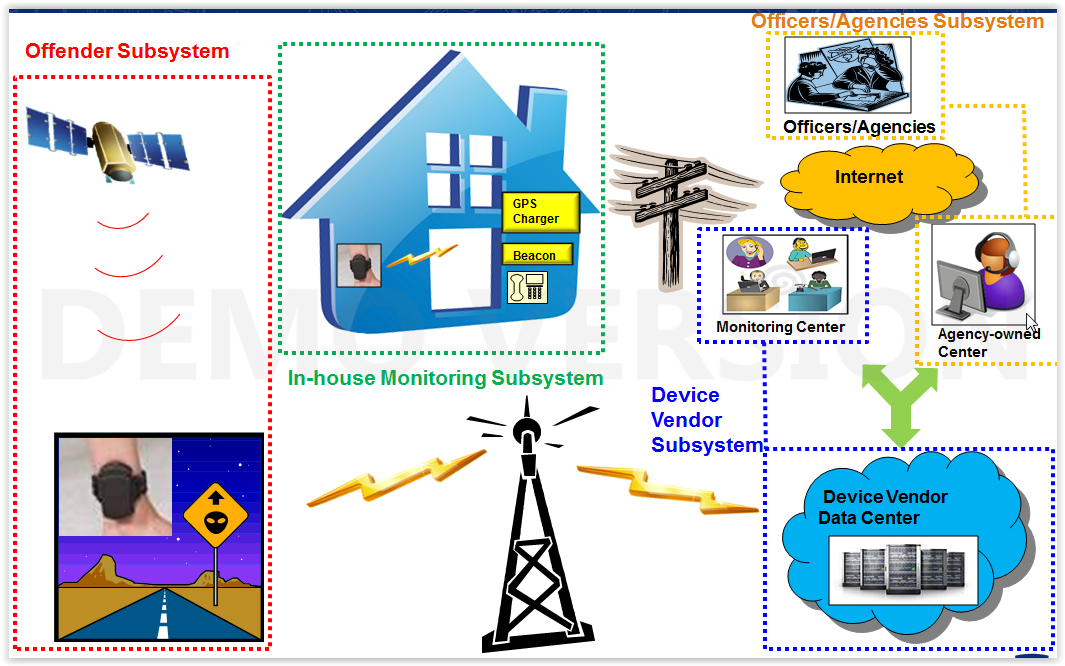
The specific restrictions vary by jurisdiction, offense type, and the conditions set by the supervising judge or probation officer. However, several universal rules apply to virtually all ankle monitor programs across the United States.
Universal Ankle Monitor Rules
1. Keep the Device Charged
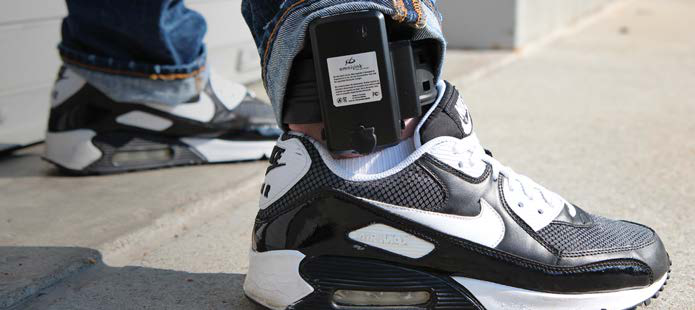
The single most common rule violation is allowing the battery to die. Most GPS ankle monitors require charging every 1-3 days (older two-piece models) or once every 5-7 days (modern one-piece devices like the CO-EYE ONE with its 7-day battery). A dead battery triggers an alert to the monitoring center and your probation officer, which is treated as a potential tampering event.
2. Do Not Tamper With or Remove the Device
Attempting to remove, damage, or interfere with the ankle monitor is a serious criminal offense in all jurisdictions. Modern devices use fiber optic straps, accelerometers, and skin contact sensors to detect tampering attempts. The penalty for tampering typically includes immediate arrest and additional criminal charges.
3. Stay Within Approved Geographic Zones
GPS-monitored individuals have court-defined inclusion and exclusion zones. You must remain within your approved areas (typically home, work, school, and authorized routes) and avoid all exclusion zones (victim residences, schools for sex offenders, bars for DUI offenders).
4. Observe Curfew Hours
Most monitored individuals have a curfew — typically between 8 PM and 6 AM. During curfew, you must be at your approved residence. The GPS monitor verifies your location continuously during these hours.
5. Maintain Regular Check-Ins
Many programs require regular check-ins with your probation officer, the monitoring center, or through an automated phone/app system. Missing a scheduled check-in is a violation.
GPS vs. RF Ankle Monitor Rules
| Rule | GPS Monitor | RF Monitor |
|---|---|---|
| Location Tracking | Continuous 24/7 GPS tracking | Home presence only |
| Travel | Tracked everywhere | Only home check-in/out |
| Zone Restrictions | Inclusion + exclusion zones | Home only |
| Charging | 1-7 days depending on model | N/A (base station plugged in) |
| Water Exposure | IP68 rated models can shower | Generally water resistant |
What Can You Do While Wearing an Ankle Monitor?
- Work — Most programs allow approved employment during set hours
- Attend school — Educational activities are generally approved
- Medical appointments — With prior approval from your PO
- Religious services — Often approved on a weekly schedule
- Grocery shopping and errands — Within approved hours and zones
- Shower and bathe — Yes, modern IP68-rated devices are fully waterproof
- Exercise — Within approved zones and curfew hours
What You Cannot Do
- Travel out of state without court permission
- Visit exclusion zones (victim’s home, schools for certain offenses, bars)
- Miss curfew — Must be home by designated time
- Let the battery die — Treated as potential tampering
- Cover or block the device — GPS signal jamming is a federal offense
- Consume alcohol/drugs — If conditions prohibit (alcohol monitors detect consumption)
Consequences of Violating Ankle Monitor Rules
Violations are categorized as minor (technical) or major (substantive):
- Minor violations (late charging, brief curfew miss): Warning, increased reporting, tighter restrictions
- Major violations (tampering, leaving jurisdiction, new arrest): Immediate arrest, bail revocation, additional charges
Common Misconceptions About Ankle Monitor Rules
- “I can’t shower” — FALSE. Modern ankle monitors are waterproof (IP68 rated). You can shower normally.
- “It records my conversations” — FALSE. GPS monitors track location only, not audio.
- “I can’t fly” — Not inherently, but you need court permission to travel. TSA allows ankle monitors through security.
- “Swimming pools will damage it” — Depends on the model. IP68-rated devices can withstand brief submersion.
Frequently Asked Questions
Can you shower with an ankle monitor?
Yes. Modern GPS ankle monitors are rated IP68 waterproof and are designed to be worn in the shower. You should avoid submerging the device for extended periods, but normal bathing and showering is perfectly fine.
What happens if your ankle monitor dies?
A dead battery sends an alert to the monitoring center and your probation officer. Repeated battery deaths are treated as violations. Some jurisdictions consider it equivalent to tampering. Always charge your device as directed — modern one-piece GPS monitors like the CO-EYE ONE last up to 7 days on a single charge.
Can you leave the state with an ankle monitor?
Only with explicit court approval. Out-of-state travel must be requested in advance through your probation officer and approved by the supervising judge. Unauthorized travel across state lines is a major violation that can result in arrest.
How far can you go with an ankle monitor?
Your travel range depends on your court-ordered conditions. GPS-monitored individuals have defined inclusion zones (home, work, school) and exclusion zones. You can generally move freely within your approved zones during non-curfew hours. RF monitors only detect home presence, so movement outside the home is unrestricted but unmonitored.