

Can You Get an Ankle Monitor Removed Early?
Yes, in most jurisdictions, early removal of an ankle monitor is possible — but it requires meeting specific legal criteria and obtaining court approval. The process varies by state, offense type, and monitoring program, but the general framework involves demonstrating consistent compliance and making a formal request through your attorney or probation officer.
Understanding the removal process can help monitored individuals and their families navigate the system more effectively. This article is informational, not legal advice; always consult counsel for case-specific strategy. From a technology perspective, accurate electronic monitoring records strengthen early-removal motions because they provide timestamped compliance narratives that courts can verify.
Supervised individuals often confuse “device removal” with “supervision termination.” Removing the GPS ankle bracelet without a court order is typically a new criminal offense or technical violation — even if the person believes the term has ended. Always confirm written orders and program end dates with the supervising officer.
When Can Courts Modify GPS Ankle Bracelet Conditions?
When the court retains jurisdiction and finds changed circumstances — sustained compliance, completed treatment, employment stability, or successful completion of a pretrial monitoring phase — it may grant a step-down or removal after notice to the prosecutor and any protected party.
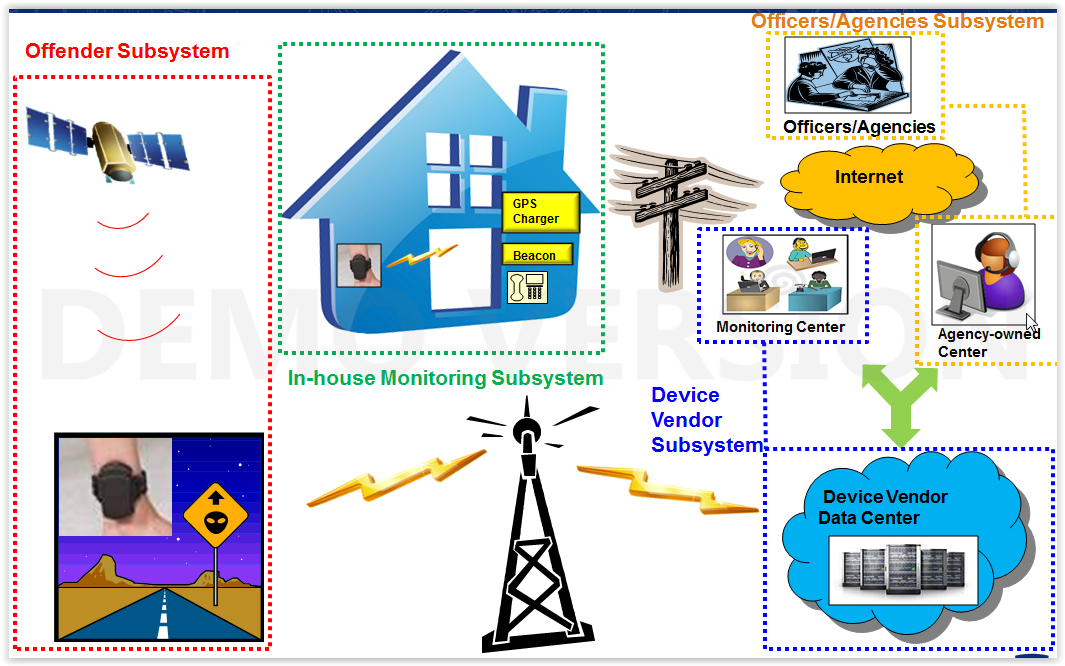
Motion practice varies: some jurisdictions use stipulated agreements signed by the prosecutor; others require contested hearings. Pretrial defendants may seek bond modification; post-conviction supervisees may seek sentence or condition modification under state rules. Agencies reference the same NIJ-style subsystem map (device → vendor → agency → court) when exporting logs to support a motion; see GPS ankle monitor guide for how reporting intervals affect perceived compliance.
What Documentation Helps Secure Ankle Monitor Removal?
Chronological compliance summaries, employment verification, treatment completion certificates, payment receipts for monitoring fees, and letters from supervision staff documenting responsiveness — bundled as an exhibit index the court can follow in minutes.
Defense counsel typically attaches vendor-generated reports with clear legends (timezone, map scale, alert definitions). If tamper alerts occurred, include officer narratives explaining resolution — silent technical flags worry judges. For plain-language device context, link what is an ankle monitor and GPS ankle bracelet resources as educational exhibits for non-specialist judges.
How Does Pretrial GPS Differ from Post-Conviction Electronic Monitoring?
Pretrial monitoring is tied to release conditions and public-safety risk; post-conviction monitoring is tied to sentencing goals and longer compliance horizons. Removal standards weigh flight risk and new charges differently in each phase.
Pretrial defendants may move for modification after case disposition (charges dropped, acquittal, or plea) without waiting for a multi-year supervision midpoint. Post-conviction supervisees usually must show sustained compliance over a meaningful fraction of the ordered term. Programs may also step down from continuous GPS to phone check-ins — compare options in one-piece vs two-piece GPS ankle monitors if hardware changes are part of a court order.
Typical Ankle Monitor Duration by Offense Type
| Offense / Program | Typical Duration | Early Removal Possible? |
|---|---|---|
| DUI/DWI | 30 – 120 days | After completing minimum period |
| Pretrial Release | Until trial (weeks to months) | Yes, with bond modification |
| Probation | 6 months – 3 years | After 50-75% completion |
| House Arrest | 30 days – 1 year | Yes, with good behavior |
| Parole | 1 – 5 years | After demonstrated compliance |
| Sex Offense Registry | Years to lifetime | Very limited |
| Domestic Violence | 3 months – 2 years | Depends on protective order |
Judges often ask how ankle monitor data supported or undermined public-safety goals during the term. Even when statutes set minimum durations, many states grant courts discretion to modify conditions for substantial compliance — but victim-safety statutes can create hard floors in domestic cases.
Step-by-Step Ankle Monitor Removal Process
Step 1: Demonstrate Full Compliance
Before requesting removal, you need a clean compliance record: no curfew violations, no zone breaches, no tampering alerts, timely payments, and all check-ins completed.
Step 2: Request Through Your Attorney or Probation Officer
Your attorney files a motion with the court requesting modification of your supervision conditions. Alternatively, your probation officer can recommend reduced supervision if your compliance record warrants it.
Step 3: Court Hearing
A judge reviews your compliance history, the nature of your offense, any victim impact, and the recommendation of your probation officer. The prosecution may object.
Step 4: Judge’s Decision
The judge may grant full removal, step down to less restrictive monitoring (GPS to RF, or RF to phone check-ins), or deny the request.
Step 5: Physical Removal
If approved, your probation officer or the monitoring company schedules an appointment to physically remove the device. This typically takes only a few minutes.
Between Steps 2 and 3, many jurisdictions require notice to the monitoring vendor so GPS ankle bracelet inventory and return logistics align with the court date — avoid “self-removal” assumptions. If the court orders a technology step-down instead of full removal, officers may exchange hardware; hardware differences affect charging burden and false-alert profiles as described in CO-EYE ONE marketing materials for agencies comparing replacements.
Bring calendar clarity to the motion: list each completed treatment milestone, each month of violation-free electronic monitoring, and any restitution or fee payments. Courts appreciate exhibits that mirror the same fields their clerks already track. If your program uses vendor portals, export PDFs early — do not wait until the hearing date when vendor support queues lag.
Conditions That Support Early Removal
- 100% compliance record — Zero violations throughout monitoring period
- Completed required programs — Drug treatment, anger management, community service
- Stable employment — Demonstrates community ties and rehabilitation
- Support from probation officer — PO recommendation carries significant weight
- Time served — Usually at least 50% of ordered monitoring period completed
- No new charges — Clean criminal record during monitoring
Agency culture matters: some offices proactively recommend step-downs when electronic monitoring data shows stable routines; others wait for defense motions. Polite, documented requests with organized exhibits typically produce faster answers than informal phone tags.
Reasons for Denial
- History of violations or tampering attempts
- New criminal charges pending
- Victim opposition (especially in DV cases)
- Prosecutor objection
- Insufficient time served on monitoring
- Incomplete program requirements
Denial is not always permanent. Courts may invite a renewed motion after additional compliance months or completed treatment milestones. Monitoring fee arrearage is a practical barrier — some programs will not schedule removal until accounts are current; see ankle monitor cost guide for budgeting context.
Victim-input laws can add a parallel administrative track: even when a judge is inclined to grant relief, prosecutors may confer with victim advocates before stipulating. In domestic-violence dockets, early GPS ankle bracelet removal may require amended protective orders or verified alternate safety plans — not merely a compliance spreadsheet. Defense counsel should calendar those dependencies early so electronic monitoring motions do not stall for non-technical reasons.
If removal is denied, ask whether the written order identifies concrete milestones (additional months, new treatment phase, payment plan) rather than a flat “denied without prejudice.” Appellate paths depend on state law; interlocutory appeals are rare, but post-disposition challenges to supervision conditions sometimes remain available. Throughout, continue compliant charging and reporting — gaps in ankle monitor data during an appeal window undermine the next motion.
Supervised individuals may also request technology step-downs (for example, moving from continuous GPS to a less intensive schedule) as an interim remedy when full removal is unlikely. Courts sometimes view step-downs as proportionate public-safety compromises. Compare hardware implications in one-piece vs two-piece GPS ankle monitors if the agency proposes swapping devices.
If you are preparing pro se, contact your local defender association or law library for sample motion templates — then adapt them with your officer’s compliance printouts. Generic forms miss state-specific notice rules and can delay hearings even when substantive grounds for ankle monitor removal are strong.
What Legal Steps Are Required to Request Ankle Monitor Removal?
Removing a GPS ankle monitor requires filing a formal motion with the supervising court, demonstrating compliance with all monitoring conditions, obtaining support from the supervising officer, and appearing at a hearing where the judge evaluates whether continued electronic monitoring is necessary for public safety.
The legal process for ankle monitor removal varies significantly by jurisdiction and the underlying supervision type — pretrial, probation, parole, or protective order. However, the general framework follows these steps across most U.S. states:
Step 1: Document Your Compliance Record. Before filing any motion, request your complete monitoring record from the supervising agency. This should show consistent GPS ankle bracelet compliance — no tamper alerts, no curfew violations, no restricted zone entries, and no missed check-ins. A clean record spanning several months is the strongest argument for early removal.
Step 2: Obtain Officer Recommendation. Contact your probation or pretrial services officer and request their support for modification. Most courts give substantial weight to the supervising officer’s recommendation. If your officer supports the request, ask them to provide a written statement or be prepared to testify at the hearing.
Step 3: File a Motion to Modify Conditions. Your attorney files a motion requesting modification of supervision conditions to remove the electronic monitoring requirement. The motion should cite your compliance history, time served on monitoring, any changed circumstances (stable employment, completed treatment programs), and why continued ankle monitor supervision is no longer necessary to serve the court’s objectives.
Step 4: Attend the Hearing. Most jurisdictions require a hearing where the prosecution can object to the modification. The judge weighs public safety concerns, the original offense severity, victim impact, compliance history, and the recommendation of supervision staff before deciding whether to remove the GPS ankle bracelet.
When Do Courts Typically Grant Early Ankle Monitor Removal?
Courts are most likely to approve early ankle monitor removal after 3-6 months of perfect compliance, when the supervised person has stable employment and housing, has completed required treatment programs, and when the supervising officer supports the change. Violent offenses and domestic violence cases face significantly higher thresholds for removal.
Several factors increase the likelihood of successful early removal from electronic monitoring:
- Time on monitoring: Courts rarely consider removal before 90 days of perfect compliance. The strongest cases involve 6+ months of clean monitoring data from the GPS ankle monitor.
- Offense category: Non-violent pretrial defendants have the highest success rate for early removal. DUI/DWI with alcohol monitoring has moderate rates (contingent on treatment completion). Domestic violence and sex offense cases face the highest barriers — many jurisdictions mandate monitoring for the full supervision period.
- Employment interference: Courts may consider removal if the ankle monitor demonstrably prevents employment — for example, if the employer prohibits visible monitoring devices or if the device interferes with required safety equipment.
- Medical necessity: Documented medical conditions aggravated by device wear (skin reactions, circulation issues, mobility impairment) can support modification requests, though courts typically require medical evidence and may substitute alternative supervision rather than eliminating monitoring entirely.
What Happens If You Remove an Ankle Monitor Without Authorization?
Unauthorized removal of a GPS ankle monitor triggers immediate alerts to the monitoring center, typically results in an arrest warrant within hours, and carries additional criminal charges (tampering with an electronic monitoring device) in most states — a separate felony in some jurisdictions that adds prison time to the original sentence.
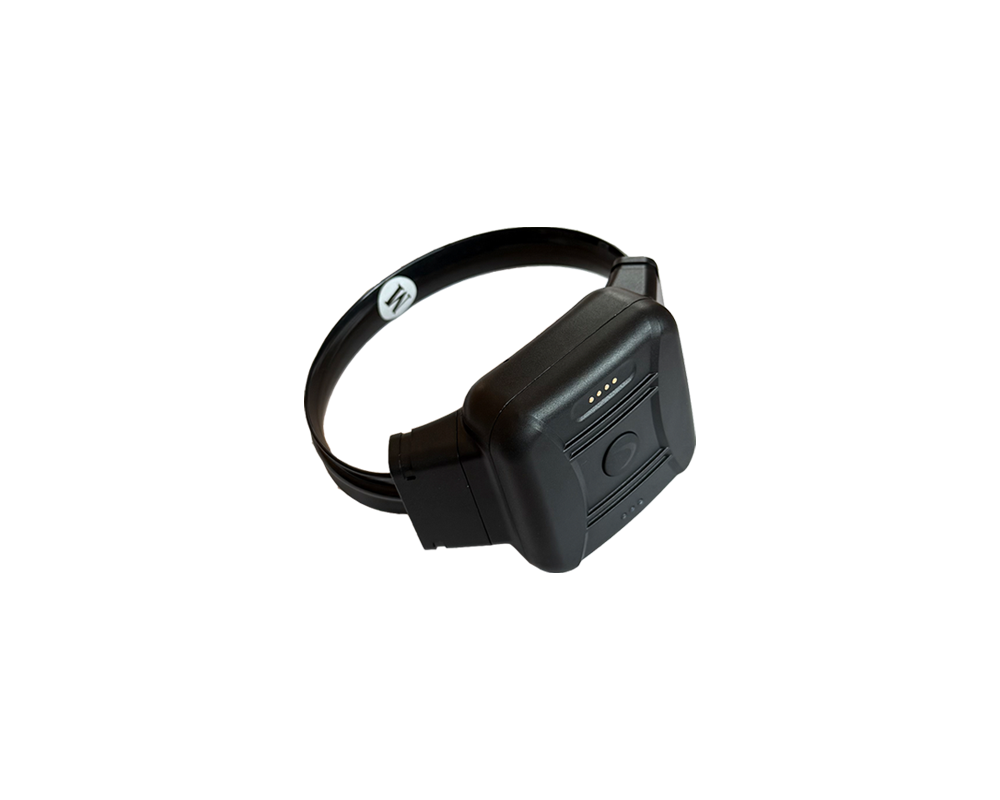
Modern ankle monitor technology makes unauthorized removal extremely difficult to accomplish without detection. Devices equipped with fiber-optic tamper detection, like the CO-EYE ONE, detect strap cuts instantly through an interrupted light signal — and maintain this detection capability for three months even after the battery depletes. There is no way to defeat fiber-optic monitoring without triggering an alert.
The consequences of tampering with an ankle monitor are severe across all U.S. jurisdictions:
- Immediate arrest warrant: Most monitoring centers notify law enforcement within minutes of a confirmed tamper event. The GPS data provides the exact last-known location.
- Additional criminal charges: At least 35 states classify intentional tampering with electronic monitoring equipment as a separate criminal offense. In states like Florida (FS 843.23) and Texas (Penal Code 38.112), it constitutes a third-degree felony carrying 2-10 years of additional imprisonment.
- Bail revocation: Pretrial defendants who tamper with their ankle monitor face immediate bail revocation and pretrial detention for the remainder of proceedings.
- Enhanced sentencing: Tampering demonstrates willful non-compliance, which judges factor into sentencing decisions for the underlying offense.
The legal path to removing an ankle monitor — even if frustrating in its timeline — is always preferable to the severe consequences of unauthorized removal. Enrollees who believe their monitoring conditions are unjust should work with their attorney to file a proper motion for modification through the court system.
Frequently Asked Questions
How long does it take to get an ankle monitor removed?
The legal process from filing a motion to the court hearing typically takes 2-6 weeks, depending on court schedules. The physical removal itself takes only minutes once approved by the judge.
Can a probation officer remove an ankle monitor without a judge?
In some jurisdictions, probation officers have authority to modify monitoring conditions (including removal) for lower-risk offenders without returning to court. This is more common for administrative step-downs in supervision level. For most cases, a court order is required.
What happens when your ankle monitor sentence is over?
When your monitoring period expires, your probation officer schedules a removal appointment. You report to the monitoring office where the device is physically removed. If you have remaining probation without monitoring, you continue under standard supervision. If your full sentence is complete, you are discharged from supervision entirely.
Related Reading
See also: electronic monitoring technologies guide for criminal justice (2026).