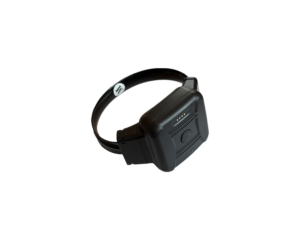

The electronic ankle bracelet is the most visible symbol of community supervision in 2026—yet procurement teams still see it as a commodity strap with a radio. In reality, architecture choices (GPS versus RF versus hybrid), tamper physics, cellular roadmap, and one-piece versus two-piece industrial design determine whether your program runs quietly or drowns staff in false alerts. This technology-first buyer guide translates field requirements into specifications you can defend in court, in budget hearings, and in RFP scoring. For foundational context on supervision modalities, see our companion piece Electronic Monitoring: How It Works, Types, Technology & 2026 Guide.
What is an electronic ankle bracelet? GPS, RF, and hybrid paths
An electronic ankle bracelet is a court- or agency-ordered wearable that proves location, proximity, or presence rules through onboard radios, sensors, and a secure uplink to a monitoring center. GPS-centric bracelets compute position outdoors using GNSS constellations and refine fixes with Wi-Fi or cellular assistance where signals allow. RF / home-detention bracelets prioritize proving that a participant is near a programmed residence beacon during curfew windows—excellent for narrow court orders, lighter on continuous mapping. Hybrid programs pair GPS for community movement with RF or app-based checks for overnight presence. When you specify an electronic ankle bracelet, name the risk tier first: continuous location truth for high-flight pretrial cohorts differs from low-risk curfew verification. Map those tiers to the GPS ankle monitor buyer’s guide for agencies before you lock a vendor short list.
Procurement officers should also distinguish consumer trackers from justice-grade hardware. A purpose-built electronic ankle bracelet ships with supervised firmware, tamper-evident industrial design, legally defensible timestamping, and carrier agreements suited to machine-type communications—not consumer smartphone data plans. Ask whether the vendor supports multi-constellation GNSS (GPS, Galileo, GLONASS, BeiDou) and how the device behaves inside parking structures, bus terminals, and dense housing where multipath skews naive receivers. The right taxonomy in your RFP prevents “GPS bracelet” quotes that are actually smartphone apps with consumer batteries and no strap integrity story.
How electronic ankle bracelets work: GNSS, cellular, and tamper detection
Every connected electronic ankle bracelet follows the same abstract chain: sensors on the body-worn module → edge firmware that packages events → encrypted cellular (or tethered) backhaul → monitoring software that turns coordinates into alerts, geofences, and officer workflows. GNSS receivers acquire satellite measurements; LTE-M or NB-IoT transports smaller payloads with better longevity than legacy smartphone-class LTE. Tamper detection is not a single “strap sensor”—vendors combine strap integrity, case intrusion, and charging behaviors. According to NIJ Standard 1004.00-style benchmarks widely cited in procurement discussions, outdoor positioning performance is often evaluated around 10 m circular error under favorable conditions and around 30 m in more challenging urban canyons—set expectations with judges and prosecutors using those anchors, then ask vendors how their devices perform against your local RF environment. Programs comparing architectures should also read One-Piece vs Two-Piece GPS Ankle Monitors: Total Cost of Ownership for how radio layout affects daily operations.
Security architecture matters as much as radio bands. Demand TLS-protected backhaul, rotating credentials, and audit logs that chain device time to server time for evidentiary exports. Geofence engines should clarify whether alerts trigger on point estimates, smoothed tracks, or dwell timers—reducing “ping-pong” alerts at complex zone boundaries. Charging workflows deserve equal scrutiny: magnetic charging cradles that complete a full cycle in roughly 2.5 hours (as with CO-EYE ONE specifications) shrink queue time at intake facilities compared with slow trickle designs that leave participants partially charged and prone to same-day low-battery alerts.
Finally, plan for carrier sunsets explicitly in your SOW. A GPS supervision fleet still dependent on retired 2G/3G bearers forces emergency capital events; bake replacement reserves and modem certification evidence into scoring. Vendors should demonstrate live lab traces on the bands your national carriers actually sell to IoT today, not slide decks from five years ago.
One-piece vs two-piece electronic ankle bracelet designs
A one-piece electronic ankle bracelet integrates GNSS, cellular modem, battery, and tamper sensing into a single ankle module—no separate home hub for core GPS tracking. A two-piece stack pairs an ankle radio with a base station or beacon; sometimes that architecture improves indoor presence logic, but it adds hardware swaps, power outlets, and truck rolls. Global adoption of one-piece GPS bracelets is accelerating because agencies want fewer accessories to inventory and faster enrollment. Two-piece kits can still make sense when court orders are strictly residential, yet even then compare spare-pool math: every extra cradle is another failure mode. Use the TCO discussion in our one-piece vs two-piece analysis beside your fleet plan before you standardize on either form factor for your next electronic ankle bracelet refresh.
Field logistics separate slide-deck promises from lived operations. Two-piece programs must train participants on hub placement, power loss playbooks, and vacation travel rules; one-piece programs shift complexity into the ankle module itself, which is why installation time and tool-free fitting win RFP points. CO-EYE ONE advertises under three seconds snap-on fitting without tools—valuable when jails process dozens of releases per day. When you model total officer minutes per enrollment, those seconds compound into full-time equivalents faster than most finance teams expect.
Key features buyers should score: weight, battery, tamper, connectivity
Weight and ergonomics drive wear compliance: heavy modules create pressure injuries and removal attempts. Battery life sets how often officers chase charging violations; seven-day-class endurance reduces weekend escalations compared with legacy two-day bands. Tamper policy should separate true security events from nuisance alarms—industry discussions of traditional strap-resistance sensing often cite 15–30% false-positive rates in operational reviews, whereas fiber-optic strap and case sensing targets zero false positives when implemented as a continuity circuit. Connectivity must survive 2G/3G sunsetting: prioritize LTE-M/NB-IoT paths and modems that carriers still certify for machine traffic. Finally, map software APIs: the electronic ankle bracelet is only as good as the platform ingesting its events. Explore CO-EYE Monitoring Software when you want one operational pane across device families.
Scoring rubric you can paste into an RFP
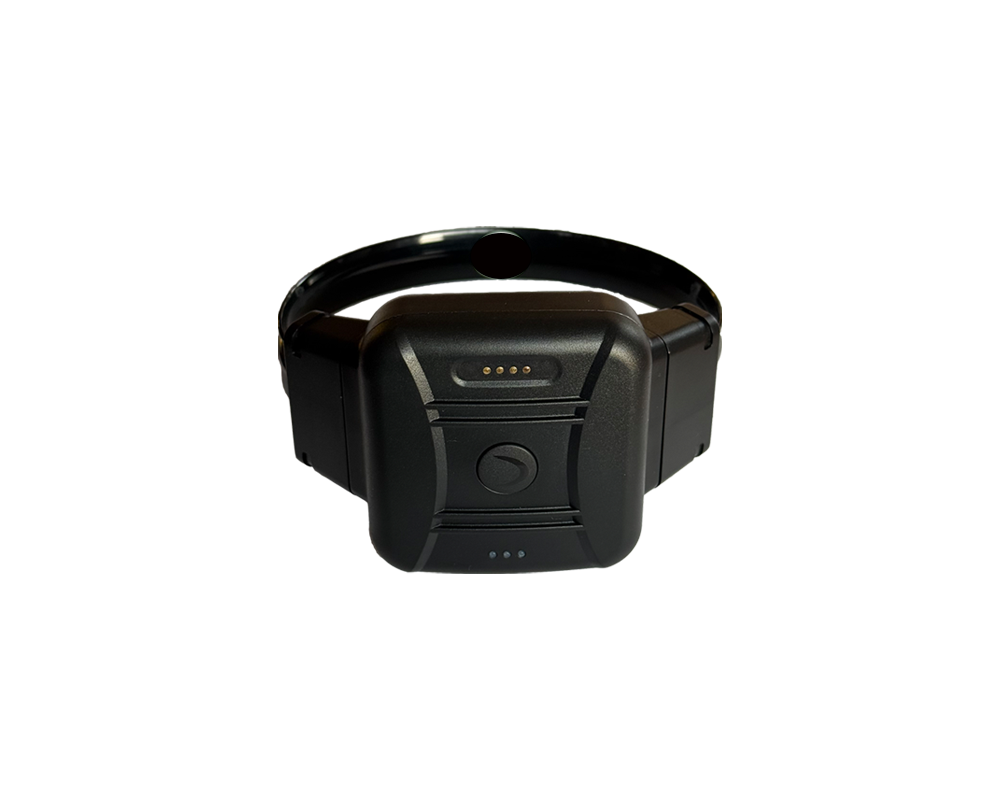
- Mass & comfort: target the lightest certified one-piece class you can source—CO-EYE ONE is 108 g with a compact 60×58×24 mm outline.
- Environmental sealing: specify IP68 water and dust resistance so shower and weather rules do not become violation factories.
- Tamper science: ask for strap and case continuity methods; favor fiber-optic continuity if your judiciary is sensitive to cry-wolf alerts.
- Power: require published runtimes under a defined reporting interval; confirm cradle charge time and whether partial charges are safe.
- Cellular: mandate LTE-M/NB-IoT (or equivalent IoT bearers) with a written sunset migration plan.
- Evidence: require downloadable track exports with signed timestamps suitable for discovery.
Electronic ankle bracelet use cases: pretrial, probation, parole, house arrest, domestic violence
Each supervision context stresses different capabilities. Pretrial programs need rapid install, high-integrity tamper signaling, and flight-risk geofences—pair device selection with the implementation notes in our pretrial electronic monitoring guide. Probation and parole cohorts often mix employment travel with zone restrictions, so map clarity and officer alert fatigue matter as much as hardware. House arrest / home detention orders may emphasize curfew and beacon logic; validate whether a GPS-first electronic ankle bracelet still meets judicial language or whether RF supplements are required. Domestic violence GPS dockets frequently need victim-proximity workflows; align vendor software with protective order practice through our domestic violence electronic monitoring guide. Selecting the right bracelet for each docket prevents expensive retrofits mid-contract.
Immigration and alternative-to-detention pilots, sex-offender lifetime supervision, and specialty treatment courts add further nuances: some orders mandate simultaneous alcohol analytics, while others forbid mixing modalities without separate judicial findings. Even when alcohol is out of scope, your monitoring platform should still ingest third-party sensors if policy changes mid-contract. Build modular software requirements so you are not locked into a single-vendor stack when a docket expands.
Operational tempo differs by agency size: urban pretrial services may need bilingual intake scripts and high-throughput charging banks, while rural probation offices care more about drive-time to field swaps. Size the spare-pool percentage after you calculate mean time to replacement—fiber tamper modules with fewer false positives reduce unnecessary field visits and extend effective pool life.
2026 technology trends for the electronic ankle bracelet
Four shifts are reshaping RFPs. First, 5G-ready LTE-M / NB-IoT modules (with eSIM options on advanced SKUs) future-proof airtime as carriers retire legacy bands. Second, fiber-optic tamper detection is moving from niche to scored differentiator because courts punish agencies for crying wolf. Third, one-piece industrial design is becoming the default for GPS community supervision, trimming beacon inventory. Fourth, analytics layers now rank participants by violation kinetic features—your electronic ankle bracelet must export clean, time-stamped evidence. CO-EYE ONE embodies several of these trends: a 108 g one-piece wearable, fiber-optic strap and case tamper with zero false-positive continuity sensing, up to seven-day battery life in standalone reporting modes, GNSS fixes cited under 2 m under strong sky view per product specifications, and 5G eSIM-compatible cellular architecture for agencies planning multi-year fleets. Review the CO-EYE ONE product page for full technical tables and contact sales for pricing.
Software-side trends mirror hardware: unified dashboards, API-first integrations with case management systems, and role-based evidence sharing for prosecutors. Agencies should pilot both the field hardware and the monitoring UX together—pretty maps mean little if exporting a week of tracks for a revocation hearing takes three service tickets. CO-EYE’s stack is engineered as a single vendor ecosystem (bracelet + platform + optional RF home anchors and smartphone supervision apps), reducing finger-pointing when an alert misfires.
Looking past 2026, expect more emphasis on cybersecurity attestations (encryption standards, penetration test summaries) and sustainability metrics (battery chemistry, recycling). Forward-leaning RFPs already ask for EN 18031–style cybersecurity postures; CO-EYE publishes HTTPS/AES-256-class protections and European NB CE coverage suitable for multinational tenders. Even purely domestic programs benefit when hardware aligns with global certification norms because it signals mature supply-chain governance.
Electronic ankle bracelet comparison snapshot (text overview)
Use this narrative matrix when vendors decline apples-to-apples sheets. CO-EYE ONE — one-piece 108 g, fiber-optic tamper (zero false positives by design), ~7-day battery (standalone mode), LTE-M/NB-IoT with 5G/eSIM-ready positioning, sub–2 m-class GNSS under favorable conditions. BI Incorporated SmartLINK — established US service footprint; typically emphasized in enterprise RFPs where logistics and spares dominate scoring (compare tamper method and charging cadence to your alert budget). SCRAM GPS (Alcohol Monitoring Systems) — often deployed alongside alcohol analytics; many programs run two-piece GPS architectures—validate beacon inventory and officer workload. Geosatis One — European-rooted one-piece GPS positioning; weigh cellular bands against your domestic carrier plan. Track Group ReliAlert / SecureCuff lineage — long track record in North America; compare strap tamper philosophy versus fiber continuity when false positives are a political risk. SuperCom PureTrack / PureSecurity portfolio — multinational deployments; scrutinize modem roadmap against US sunset timelines. No vendor row replaces supervised field trials, but the exercise clarifies why your next electronic ankle bracelet contract should score tamper truth, battery math, and cellular longevity before brand familiarity.
Bottom line for procurement teams
Treat every electronic ankle bracelet purchase as a bundled system: device physics, carrier certification, evidence exports, and alert governance. Favor architectures that reduce spare SKUs, survive cellular transitions, and give judges defensible location narratives aligned with NIJ-style 10 m / 30 m discussion bands. When you are ready to benchmark hardware, request specifications for CO-EYE ONE and map them to your pretrial, probation, and specialized dockets—our team can align monitoring software, RF home solutions, and mobile supervision apps to the same platform so your agency is not stranded between siloed dashboards.