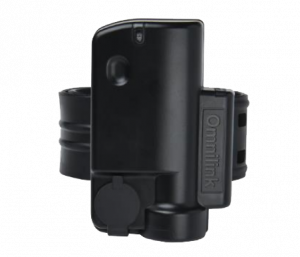

One-Piece vs Two-Piece GPS Ankle Monitor: Which Architecture Is Better?
The GPS ankle monitor market is in the middle of a fundamental architectural shift. One-piece (integrated) designs are rapidly replacing two-piece (tag + tracker) systems as agencies discover the operational and financial advantages of consolidation. Understanding the trade-offs between these two approaches is essential for any agency evaluating new GPS monitoring equipment.
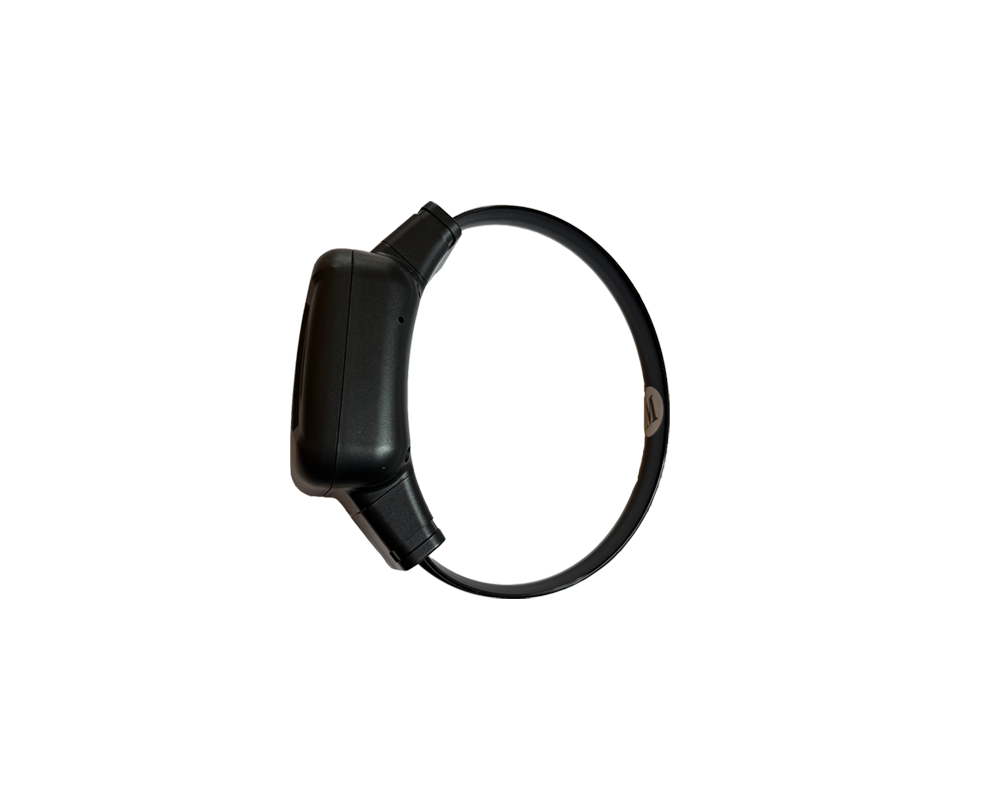
How One-Piece GPS Ankle Monitors Work
A one-piece GPS ankle monitor contains everything in a single, sealed unit worn on the ankle:
- Multi-GNSS receiver (GPS + GLONASS + Galileo + BeiDou) for sub-2m accuracy
- Cellular modem (LTE-M / NB-IoT / GSM) for data transmission
- Wi-Fi and LBS modules for indoor positioning
- Rechargeable battery (1,700mAh in the CO-EYE ONE, lasting up to 7 days)
- Fiber optic anti-tamper strap with zero false-positive detection
- Accelerometer and skin contact sensor
The CO-EYE ONE represents the current state-of-the-art in one-piece design: 108g total weight, 60×58×24mm dimensions, IP68 waterproof, and snap-on installation in under 3 seconds with no tools required.
How Two-Piece GPS Monitoring Systems Work
Traditional two-piece systems consist of two separate devices:
- Ankle tag: A lightweight RF or BLE (Bluetooth Low Energy) transmitter worn on the ankle. It communicates wirelessly with the tracking unit but contains no GPS or cellular capability.
- Tracking unit: A separate portable device (typically belt-worn or carried in a pocket) containing the GPS receiver, cellular modem, and main battery. This unit communicates with the ankle tag via RF (433 MHz) or BLE.
Examples include the CO-EYE i-Tracker (85×55×22mm, 105g) paired with an RF i-Bracelet ankle tag (65×22×10mm, 18g).
Comprehensive Feature Comparison
| Feature | One-Piece | Two-Piece |
|---|---|---|
| Total System Weight | 108g (CO-EYE ONE) | 123g combined (18g tag + 105g tracker) |
| Ankle Weight | 108g (all-in-one) | 18g (tag only, very light) |
| Installation Time | < 3 seconds (snap-on) | 3-5 minutes (tag + tracker pairing) |
| Battery Life | Up to 7 days (ONE) | Tag: 1 year; Tracker: 2 days |
| Tamper Detection | Fiber optic (strap + case), zero false positives | Strap integrity + BLE link monitoring |
| Loss/Damage Risk | Low (single device, always on ankle) | High (tracking unit can be lost, dropped, damaged) |
| Tracking Gaps | None (device is the tracker) | If offender forgets/loses tracker, GPS data stops |
| Waterproof Rating | IP68 | Tag: IP68; Tracker: varies (IP54-IP67) |
| Connectivity | 5G-compatible LTE-M / NB-IoT / GSM | 3G WCDMA / 2G GSM (older models) |
| GPS Accuracy | < 2m (multi-GNSS) | < 5m CEP (GPS-only) |
Total Cost of Ownership Analysis
While the per-unit purchase price of one-piece devices is higher, the total cost of ownership over a 3-year period favors one-piece designs due to:
- Lower replacement rates: Two-piece tracking units have 15-25% annual loss/damage rate vs. 3-5% for one-piece
- Zero false alarm costs: Fiber optic tamper detection eliminates false alarm officer responses (~$50-150 per response)
- Reduced officer time: 3-second installation vs. 3-5 minutes for two-piece pairing
- Fewer tracking gaps: No gaps from offenders forgetting the tracking unit
- Lower cellular costs: LTE-M/NB-IoT is 30-50% cheaper than 3G WCDMA data plans
When to Choose Each Architecture
Choose One-Piece When:
- High-risk populations where tracking gaps are unacceptable
- Large fleets where TCO optimization matters most
- Fast enrollment/disenrollment is needed (pretrial programs)
- Minimizing officer labor for device management
- Zero false-positive tamper detection is required
Choose Two-Piece When:
- Offenders have medical conditions making heavier ankle devices uncomfortable
- Existing investment in two-piece inventory needs to be utilized
- Combined GPS + RF home detention in a single deployment
- Budget requires lowest initial hardware cost
Industry Trend: Migration to One-Piece
The corrections industry is clearly moving toward one-piece GPS devices. Major factors driving this migration:
- 3G sunset: Many two-piece trackers use 3G WCDMA cellular, which is being decommissioned globally. Upgrading requires replacing the entire tracking unit.
- Officer feedback: Field officers consistently report that one-piece devices reduce installation time, eliminate “tracking unit compliance” issues, and simplify inventory management.
- Insurance and liability: Tracking gaps from lost/forgotten tracking units create liability risk. One-piece eliminates this vulnerability.
- Procurement trends: Recent state-level RFPs increasingly specify one-piece devices or award higher evaluation points for integrated designs.
Frequently Asked Questions
What is a one-piece GPS ankle monitor?
A one-piece GPS ankle monitor integrates all tracking components — GPS receiver, cellular modem, battery, and anti-tamper sensors — into a single device worn on the ankle. Unlike two-piece systems that require a separate portable tracking unit, one-piece monitors are entirely self-contained, which eliminates tracking gaps and simplifies deployment.
Is a one-piece ankle monitor heavier than a two-piece?
On the ankle, yes — a one-piece device weighs more since it contains all components. For example, the CO-EYE ONE weighs 108g on the ankle, while a two-piece ankle tag weighs only 18g. However, the total system weight is similar (one-piece 108g vs. two-piece 123g combined). Most wearers report adjusting to the weight within 24-48 hours.
Why are agencies switching to one-piece GPS ankle monitors?
Agencies are switching for three main reasons: (1) Lower total cost of ownership due to fewer replacements and zero false alarm costs, (2) Elimination of tracking gaps caused by offenders losing or forgetting the separate tracking unit, and (3) Faster installation (under 3 seconds vs. 3-5 minutes for two-piece pairing), which significantly reduces officer labor per enrollment.