
It is 3:00 a.m. Your monitoring center queues another out-of-service or no location ticket. The defendant is not necessarily absconding—they may simply be asleep in a basement apartment, working a night shift inside a metal-clad warehouse, or parked where macro-cellular coverage maps look green on paper but fail in practice. For electronic monitoring (EM) programs, those moments are expensive: officers burn overtime ruling out escape, prosecutors lose sleep over whether a breach is real, and defendants learn to dread phantom violations. The search phrase gps monitor no signal basement is not a consumer gadget gripe here; it is a supervision crisis translated into English. Programs that still depend on a single LTE-only radio path inherit every blind spot the carrier topology forgot to illuminate.
This article walks EM service providers and agency buyers through why GPS ankle monitor signal loss clusters in predictable built environments, why legacy LTE-only devices cannot engineer their way out with firmware alone, and how WiFi-directed mode—paired with disciplined deployment playbooks—shrinks dead zones while stretching battery economics. For a broader definition stack covering bracelets, monitors, and procurement language, anchor first to our pillar guide on the GPS ankle bracelet, then return here for connectivity architecture and field tactics.
Why "no service" is a supervision crisis
Supervision is a credibility business. When a device drops offline at the same hour every night, defense counsel notice. When rural defendants show as "missing" along a county road with patchy LTE, judges ask whether the technology is punishing geography. Basements, garden-level units, and interior rooms behind reinforced concrete routinely attenuate both GNSS downlinks and cellular uplinks; steel studs and foil-backed insulation behave like accidental Faraday cages. Industrial sites add high RF noise floors and roaming confusion. LTE-only GPS ankle monitor architectures must transmit through that environment continuously because there is no alternate authenticated bearer for telemetry—so the device either shouts until its battery sags or goes silent and triggers workflow.
Operational teams then face triage fatigue: distinguish true flight from RF fade, tamper from strap sweat, and charger neglect from topology. The aggregate load shows up in SLA metrics, contract true-up disputes, and officer retention. That is why gps monitor no signal basement is not a niche SEO phrase—it is the plain-language symptom of a coverage class that legacy cellular-first EM hardware was never designed to honor.
The LTE-only ceiling
Most legacy one-piece and two-piece GPS ankle monitor systems marketed globally share a common constraint: when LTE is unavailable or unstable, the device must either buffer events until reconnect (creating latency risk) or report loss of supervision (creating false-flight risk). Two-piece programs compound the failure domain—if the tethered tracker or hub is misplaced, the strap may appear present while the cellular path is gone. In basements and shielded interiors, LTE-only designs also tend to force the modem into higher-energy retry loops, accelerating battery drain right where defendants are least likely to walk upstairs for a clean fix.
Rural and exurban programs see a related pattern: distance to the serving cell, terrain masking, and seasonal foliage shifts produce slow fades that look like noncompliance on dashboards calibrated for suburban SNR. Industrial logistics floors and cold-storage facilities repeat the urban basement story with metal racks instead of rebar. None of these scenarios is rare; they are structural outcomes of putting a single high-power cellular pipe at the center of a community sentence.
Network planning maps also mislead when they average signal across census blocks: a defendant's bedroom may sit on the shadowed side of a ridgeline while the tower icon on a sales PDF remains green. Programs that import carrier coverage shapefiles into GIS without drive-testing supervised addresses repeat the same mistake year after year. The fix is not optimism; it is measured RSSI at curfew hours plus honest documentation when a property cannot be supervised safely without architectural changes such as repeaters or device class upgrades.
Judicial officers increasingly ask whether GPS ankle monitor signal loss minutes correlate with socioeconomic geography; unprepared vendors stumble because they never modeled equity overlays. Transparency beats denial: publish internal policies tying escalation thresholds to verified RF context where local rules permit.
WiFi-directed mode changes everything
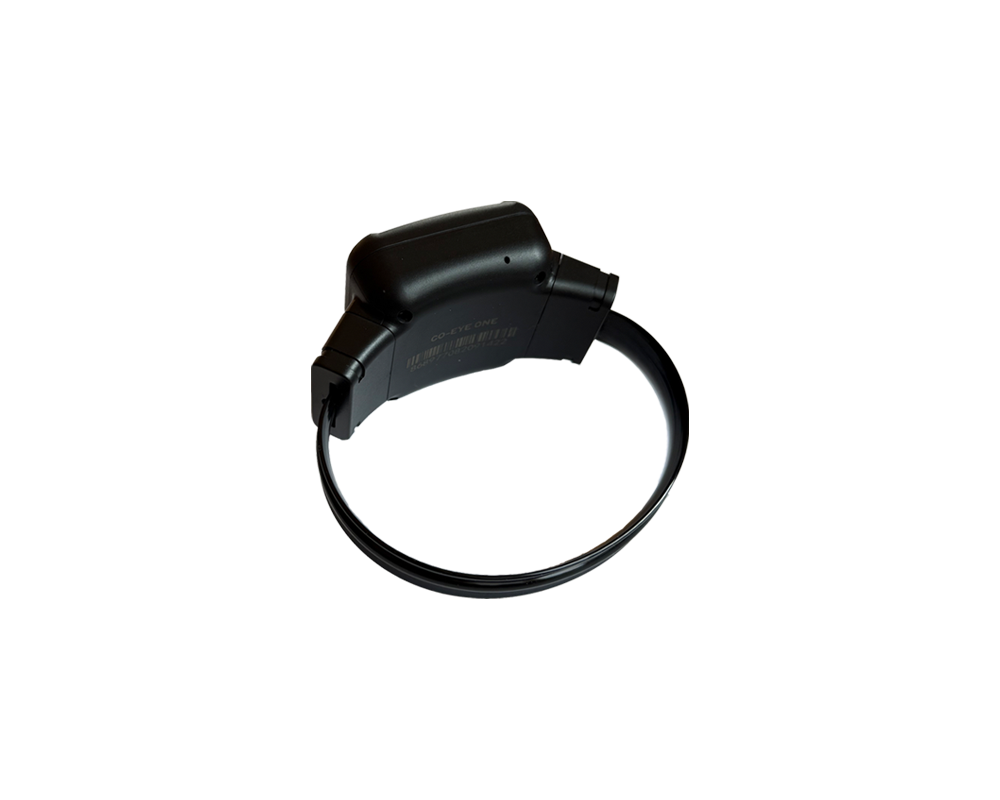
CO-EYE ONE-AC introduces WiFi-directed mode: an operational state where the ankle-worn device can use an available WiFi access path as a supervised telemetry channel instead of forcing every packet across LTE when indoor conditions make cellular marginal. Practically, that means a program can place an inexpensive WiFi repeater or extender—often around ten U.S. dollars at retail for basic hardware—near the defendant's living or sleeping zone and convert a chronic "no bars" bedroom into a supervised interior. The repeater is not magic; it is a bridge that acknowledges how people actually live.
Because WiFi-directed mode reduces reliance on marginal LTE links in stationary indoor hours, agencies often see fewer overnight dropouts and fewer officer dispatches driven by geography rather than behavior. Pair the architecture with clear participant education ("leave the home router powered; do not unplug the white box in the basement") and with installer checklists that photograph SSID placement during intake. For hardware specifications, installation workflow, and export compliance topics, see the CO-EYE ONE product page.
Five-layer coverage resilience
Resilient EM is not a single sensor; it is a stack. CO-EYE ONE-AC is engineered around layered connectivity and positioning so that when any one layer degrades, others preserve continuity of evidence-grade supervision where policy allows:
- BLE proximity — When a paired smartphone app or home companion device is within range, encrypted BLE can carry presence and telemetry offload strategies that reduce continuous LTE/GNSS burn during indoor routines.
- WiFi-directed path — As above, indoor backhaul through trusted WiFi can stabilize telemetry where LTE is structurally weak.
- Multi-constellation GNSS — GPS, BeiDou, GLONASS, and Galileo blending supports outdoor fixes with sub-2-meter circular error probable (CEP) class performance in open-sky conditions per manufacturer specifications.
- Cellular LBS fallbacks — When GNSS is unavailable, network-derived location classes still bound uncertainty better than total silence—provided carriers and policies align with court standards.
- HouseStation beacon confirmation — For sanctioned home-detention workflows, a fixed home beacon can corroborate presence without pretending basement GNSS is perfect. Review the CO-EYE HouseStation page for voice-capable home anchor options and BLE pairing security notes.
Programs should document which layers are authoritative for which charge codes; mixing victim-safety geofences with LBS-only fixes without judicial clarity is a litigation trap. The engineering takeaway remains: diversity of bearers beats heroic LTE tuning.
One arrow, two targets: coverage + battery
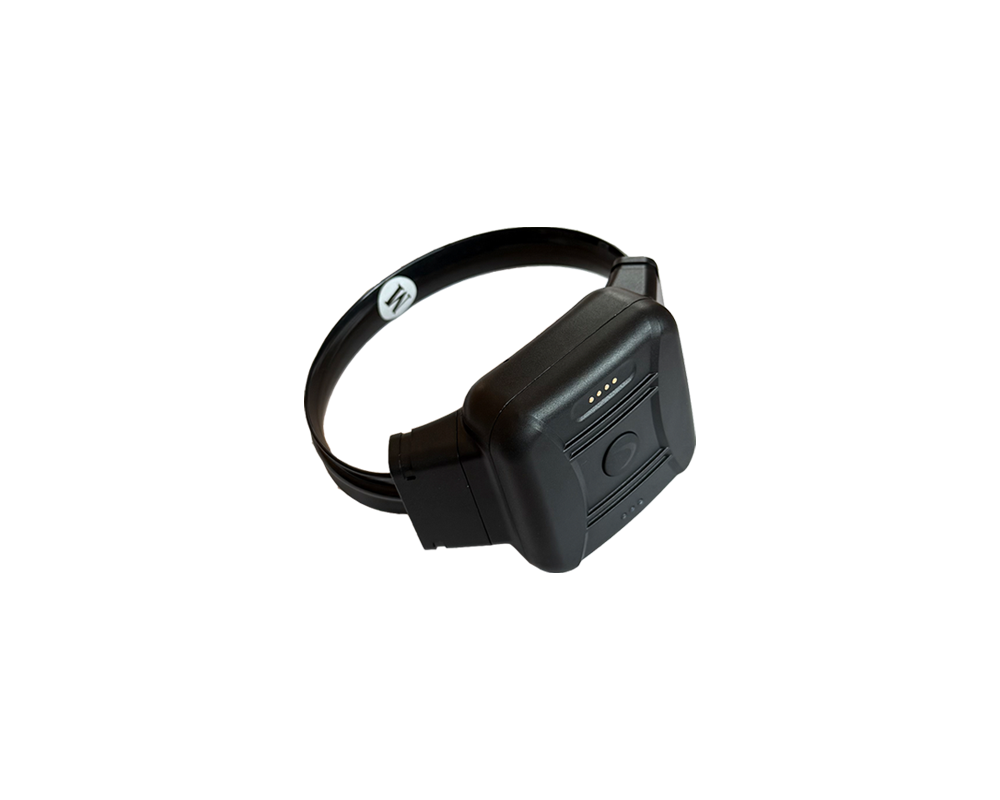
WiFi-directed mode is not only a coverage patch; it is a battery strategy. Manufacturer-published mode guidance for CO-EYE ONE-AC contrasts long indoor WiFi-directed endurance (on the order of three weeks between charges under representative reporting profiles) with LTE standalone operation (on the order of seven days in comparable standalone GNSS+LTE profiles) and BLE-connected endurance reaching roughly six months when paired appropriately—numbers programs should validate in their own RF environments before promising court stakeholders. The unifying theme: stop paying the LTE power bill when the defendant is obviously stationary indoors.
Agency finance teams should model officer time saved per avoided false dispatch, not only kilowatt-hours saved on chargers. Programs that cut overnight noise often recover the hardware margin of a repeater bundle in weeks.
Dispatch economics deserve a spreadsheet, not a gut feeling. When a monitoring center escalates a basement dropout to field verification, the fully loaded cost often includes not only officer hourly wages but also vehicle depreciation, fuel, overtime multipliers, and opportunity cost of calls not answered. Multiply a conservative fifteen dollars per unnecessary check by fifty marginal events per week and the annualized line item crosses a quarter-million dollars for a single midsize program—before counting reputational harm when local media frames a false alarm as a public-safety failure. WiFi-directed supervision does not eliminate every field visit; it reduces the share driven purely by RF topology.
Supervisors should also separate latency risk from continuity risk. A device that buffers ten minutes of events during a brief elevator ride may still be legally acceptable where orders emphasize eventual reporting; a device that goes dark for eight hours while a defendant sleeps underground may not be, depending on jurisdiction. Programs must align dashboard thresholds with counsel-reviewed definitions of loss of contact. BLE proximity to a sanctioned smartphone can corroborate presence during indoor stationary periods when LTE is weak, but policy must spell out what happens if the participant disables Bluetooth or forgets to charge the phone—again, architecture diversity is not a substitute for clear participant agreements.
Finally, train intake staff to photograph baseline signal conditions: a timestamped screenshot of RSSI or attach logs at installation creates an evidentiary anchor if defense later argues the program never could supervise that address. Repeat the capture after repeater installation so judges can see a before-and-after narrative tied to gps monitor no signal basement remediation rather than anecdote.
Deployment playbooks
Basement apartments: Install a WiFi extender mesh node on the basement level, SSID documented, DHCP reservations optional but helpful. Photograph cable routing to defeat "I never touched it" disputes. Rural homes: combine directional outdoor LTE antennas (where policy permits participant-installed externals) with indoor WiFi backhaul from the home router; verify grounding and lightning protection with a licensed electrician. Warehouses: coordinate with employers to place supervised WiFi VLANs or captive portals that allow device authentication without exposing corporate file shares—IT security must be at the table. Mobile hotspots: for lawful travel workflows, train defendants on hotspot SSID/password rotation rules and on overheating shutdown risks in summer vehicles.
Buyer checklist (seven questions)
- Does the device support an authenticated WiFi telemetry mode, or only WiFi for GNSS assistance?
- What is the field-proven indoor packet loss after repeater install—measured, not slideware?
- How does the platform visualize BLE, WiFi, LTE, and LBS contributions on a single timeline?
- What tamper-evidence exists when power strips are unplugged or repeaters are removed?
- How are firmware updates delivered without bricking devices mid-sentence?
- What export, privacy, and victim-notification constraints apply when SSIDs reveal third-party locations?
- What SLA credits apply if carrier maps disagree with measured dead zones?
- How does firmware authenticate WiFi SSIDs so participants cannot spoof open networks at coffee shops?
- What export format preserves millisecond timestamps for Daubert hearings?
Centers adopting WiFi-directed architectures should also rehearse cyber incident workflows: compromised home routers, DNS hijacks, and captive portals that suddenly demand click-through agreements can all interrupt supervised sessions. Information security staff belong in the same room as community corrections when architecture changes—otherwise IT learns about ankle straps from angry midnight pages.
Training academies can turn this topic into scenario drills: give cadets a map with marginal LTE, a repeater box, and a timeline of defendant statements, then grade their decision logs. Practical muscle memory beats vendor slide decks when adrenaline is high.
Bottom line
If your program still interprets every basement silence as flight risk, you are paying the wrong tax. LTE-only GPS ankle monitor fleets will keep generating gps monitor no signal basement tickets until architecture acknowledges indoor reality. WiFi-directed supervision, layered resilience, and disciplined repeater placement turn geography from enemy to manageable state—while stretching runtimes agencies can afford to enforce.
Center managers should schedule a quarterly RF postmortem: export the top twenty recurring loss-of-signal ZIP codes or SSID-less addresses, map them against carrier engineering notices, and ask whether a repeater pilot or a device class change is cheaper than another year of midnight dispatches. Pair that discipline with participant education that treats connectivity as shared responsibility—defendants who understand why the white plastic box matters are less likely to unplug it after a router reboot argument with roommates.
When briefing judges, translate engineering into supervision outcomes: fewer ambiguous gaps, faster distinction between flight and fade, and battery headroom that supports victim-notification workflows without constant charger nagging. That narrative supports sustainable community sentences better than another slide deck promising generic improved LTE sensitivity.
FAQ
Does WiFi-directed mode replace judicial GPS requirements?
No. Programs must map device modes to court orders and state statutes. WiFi supplements continuity; it does not automatically satisfy every "continuous GPS" phrasing without legal review.
Will a cheap repeater create new security risks?
Any new radio introduces policy questions. Use modern WPA standards, change default passwords, segment guest SSIDs, and document who administers firmware updates.
How is this different from consumer "airtag" style tracking?
Supervised devices use encrypted program logic, evidentiary exports, and officer workflows—not opportunistic crowdsourcing.
Can defendants game WiFi presence?
Any system can be tested by motivated adversaries; combine PHY tamper evidence, power audits, and random officer visits proportional to risk tier.
Where should procurement teams start?
Read the GPS ankle bracelet pillar, then request a structured field trial comparing overnight dropout rates before and after a repeater baseline.