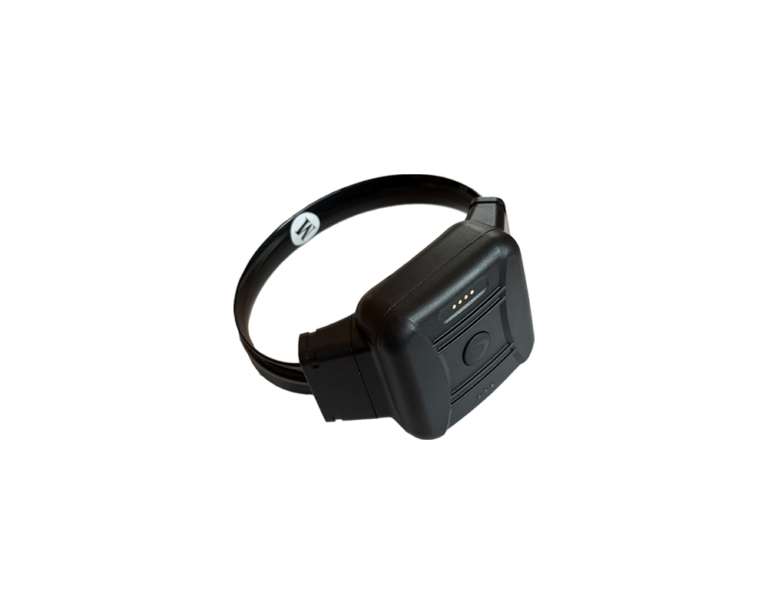
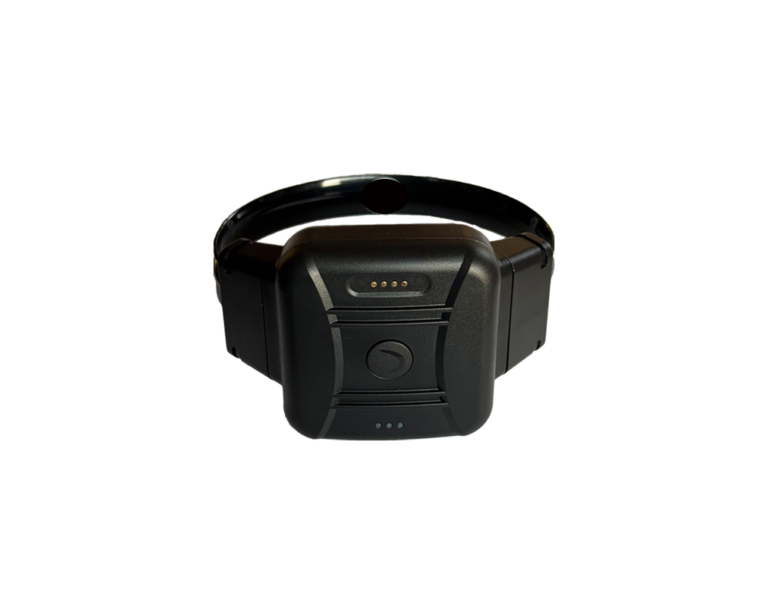
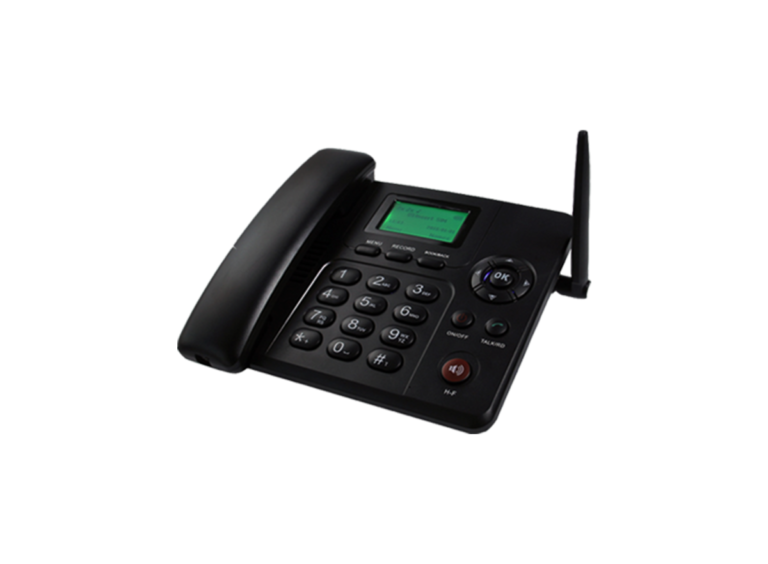
Agency buyers evaluating a GPS ankle bracelet need more than vendor datasheets. This research-dense guide maps NIJ Standard 1004.00 horizontal accuracy thresholds, summarizes the NIJ-sponsored JHU/APL market survey of sixteen GPS ankle bracelet-class devices, defines seven procurement benchmarks (accuracy, weight, battery, tamper, cellular, waterproofing, install speed), connects 2026 state policy drivers, and compares total cost of ownership to incarceration—closing with CO-EYE ONE specifications grounded in the official knowledge base.
Agency-focused 2026 buyer checklist for ankle monitor procurement: seven technical and operational features—weight, battery life, tamper detection, cellular roadmap, IP rating, GPS accuracy, install speed, and software integration—with benchmarks and how CO-EYE ONE maps to each criterion.
Agency procurement guide to the electronic ankle bracelet in 2026: GPS vs RF vs hybrid architectures, cellular backhaul, tamper sensing, battery economics, and how one-piece designs reduce TCO.
Sex offender GPS monitoring programs balance community supervision, victim safety, and evidentiary standards. This 2026 guide explains why GPS outperforms RF-only approaches for many high-risk orders, seven operational requirements—from continuous tracking to court-ready reporting—plus legislative context and technology benchmarks agencies use when selecting hardware and monitoring software.
Electronic monitoring in 2026 spans GPS ankle monitors, RF home beacons, BLE supervision, alcohol bracelets, voice verification, smartphone apps, and modern cellular (LTE-M/NB-IoT/5G). This pillar explains program models, legislative expansion, NIJ accuracy benchmarks, vendor landscape, and how CO-EYE ONE, HouseStation, and AMClient fit agency workflows.
2026 guide to house arrest and home detention for agencies and courts: who qualifies, how GPS ankle monitors enforce curfews and zones, cost vs incarceration, RF beacons vs one-piece GPS, state variation, Florida recidivism evidence, and NIJ-aligned accuracy.
Bail monitoring with GPS ankle monitors helps courts and bail bond agencies reduce failure-to-appear risk, control detention costs, and document compliance. This 2026 guide covers five proven benefits, GPS vs RF choices, RFP-ready technology requirements, procurement tips, and how CO-EYE ONE and AMClient fit supervision programs.
GPS monitoring uses satellite-based GPS monitor devices for electronic monitoring and offender tracking. This guide covers how GPS monitors work, device types, costs, legal standards, and how to choose hardware for pretrial, probation, and parole programs.