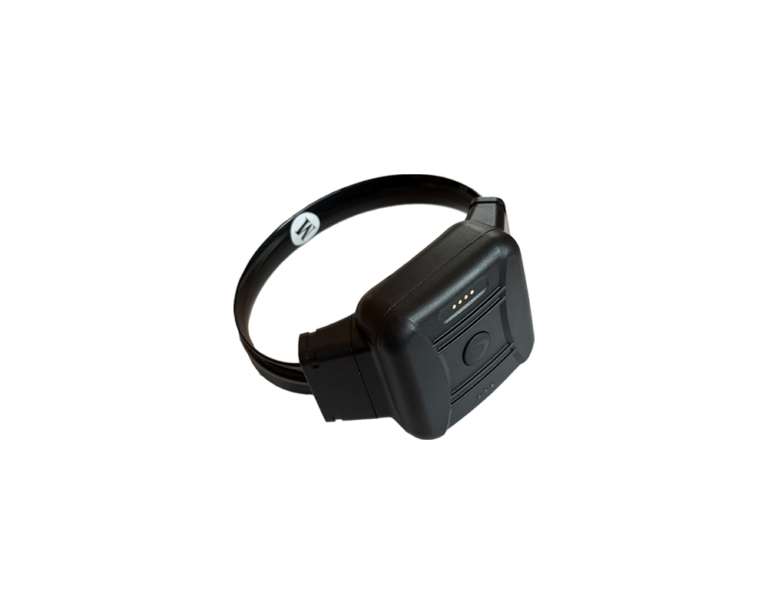
By Kevin Zhao, Senior Product Manager — CO-EYE / REFINE Technology Between March and April 2026, a cluster of GPS ankle bracelet escape incidents across Pennsylvania, Texas, Oregon, and Colorado made national headlines. In each case, the pattern was disturbingly similar: a supervised individual cut or destroyed their GPS ankle bracelet and walked away — […]
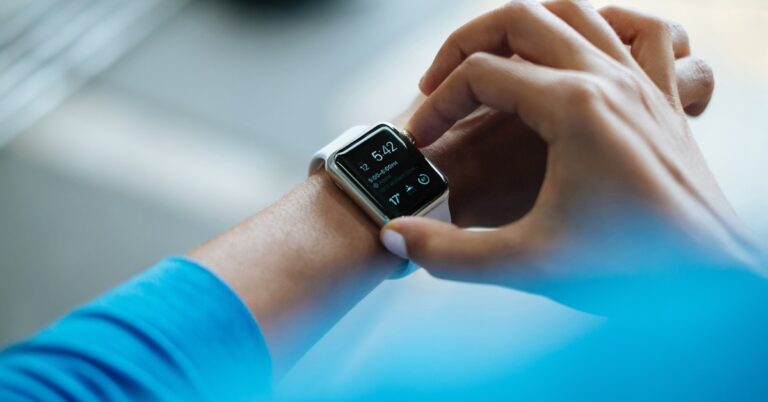
By JR Rodrigues, Technical Advisor — REFINE Technology The electronic monitoring industry is seeing a quiet but significant shift toward wrist-worn tracking devices. Sold as “more discreet,” “less stigmatizing,” and “consumer-friendly,” these wristband-style GPS and BLE monitoring devices are marketed to agencies looking for lighter-touch supervision options. There is genuine appeal in a device that […]
By Kevin Zhao, Senior Product Manager — CO-EYE / REFINE Technology There is a specification line in GPS ankle monitor procurement that separates equipment built for criminal justice from equipment repurposed from consumer GPS trackers. That line is IP68 waterproof protection — and crossing to the wrong side of it will destroy your program’s reliability […]
By JR Rodrigues, Technical Advisor — REFINE Technology Every GPS ankle bracelet generates alerts. Some of those alerts represent genuine threats — a cut strap, a defendant fleeing the jurisdiction, a curfew violation. But a troubling percentage of alerts generated by electronic monitoring systems are false alarms — triggered by sweat, skin dryness, physical activity, […]
By Kevin Zhao, Senior Product Manager, REFINE Technology I spent last week reading through hundreds of Reddit posts, Quora threads, and public forums where people under electronic supervision describe what it’s like to wear a GPS ankle monitor. The accounts were consistent — and troubling. “I can’t play basketball anymore. The thing shifts around and […]
Every law enforcement professional understands a basic truth about handcuffs: they work because they are rigid metal, locked tight around the narrowest point of the wrist, and used for minutes to hours — not months or years. Now consider the challenge of electronic monitoring, where a device must remain securely attached to a person 24 […]
Agency-focused guide to the immigration ankle monitor landscape: how ICE Alternatives to Detention (ATD) uses GPS ankle monitors at scale, what technical and operational requirements matter, cost comparisons to detention, supervisee obligations, and how CO-EYE ONE maps to national GPS supervision programs.
How ankle monitor technology evolved from RF home beacons to one-piece GPS with fiber-optic tamper, multi-constellation GNSS, and 5G eSIM—plus five procurement-grade innovations and a Florida-scale recidivism evidence snapshot for administrators.
Ankle monitor rules & rights for wearers in 2026: how GPS ankle monitors work, charging, IP68 water resistance, geofencing, alerts, dignity, and FAQs—plus why lighter one-piece designs like CO-EYE ONE reduce daily burden.