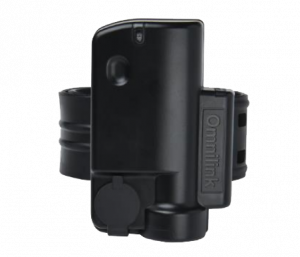

How Do GPS Exclusion Zones Work for Ankle Monitors?
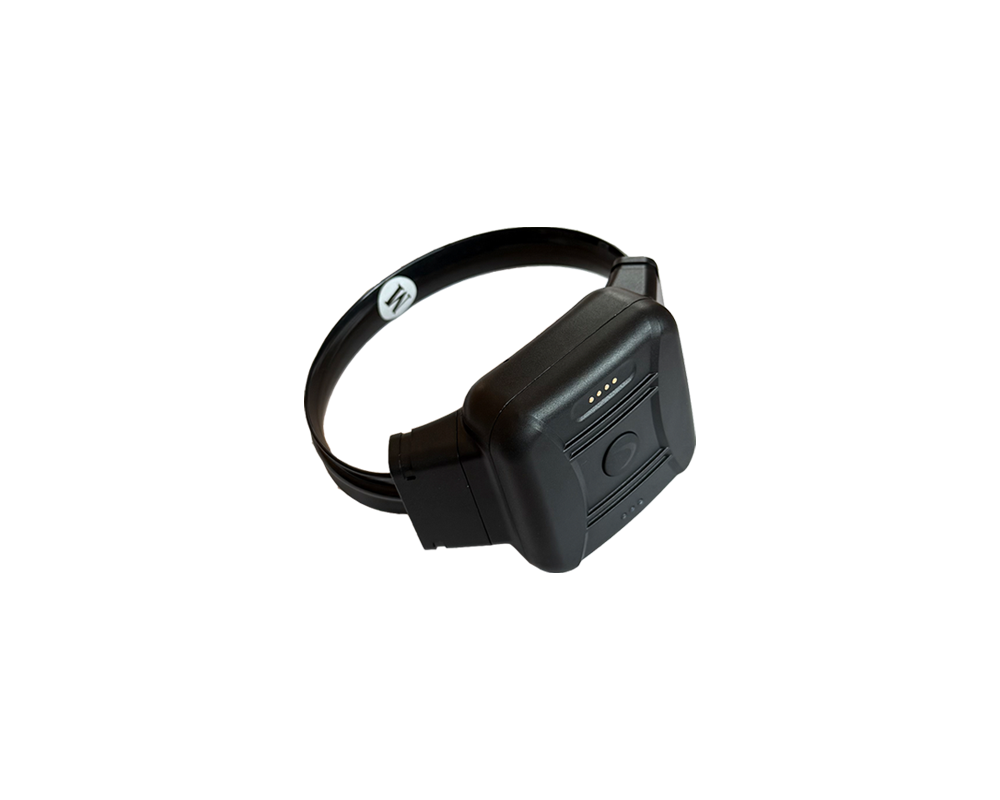
A GPS exclusion zone is a geographic boundary programmed into an offender’s monitoring profile that triggers an automated alert when the offender enters the defined area. For domestic violence cases, exclusion zones are typically placed around the victim’s home, workplace, children’s school, and other routine locations specified in a court protection order. Modern GPS monitoring systems use tiered zones — a 1,000-foot outer perimeter for early warning and a 300-foot inner zone corresponding to the standard 100-yard distance mandated by most protection orders. When the offender breaches the outer zone, the system escalates GPS sampling from once per minute to every 15 seconds and notifies the supervising officer. If they enter the inner zone, law enforcement is dispatched.
Exclusion Zones vs. Inclusion Zones
GPS monitoring platforms support two types of geographic boundaries:
| Zone Type | Purpose | Common Use Cases |
|---|---|---|
| Exclusion zone | Offender must stay OUT of the defined area | Victim’s residence, workplace, school; playgrounds and schools for sex offender cases; gang territory |
| Inclusion zone | Offender must stay INSIDE the defined area | Home curfew perimeter, work-release travel corridor, jurisdiction boundaries |
Both zone types can be time-scheduled. A curfew inclusion zone might only be active from 9 PM to 6 AM. A workplace exclusion zone for a terminated employee under a restraining order might only be active during business hours. Scheduling reduces unnecessary alerts — an offender who legitimately passes through a neighborhood where the victim works at 11 PM on a Sunday doesn’t need to trigger an alert if the victim isn’t there.
Configuring Zones for Domestic Violence Cases
DV exclusion zones require more precision and more coordination than any other monitoring application. A mis-configured zone — too small, placed at an old address, or missing a location the victim frequents — creates a false sense of security that can endanger the victim.
The Tiered Zone Model
The pretrial GPS supervision model documented by OJP’s CrimeSolutions program uses a two-tier approach:
- Outer zone (1,000 feet) — Early warning perimeter around each victim location. Entry triggers elevated GPS sampling (every 15 seconds) and officer notification. The offender may receive an automated warning on their device.
- Inner zone (300 feet / ~100 yards) — Corresponds to the standard protection order distance. Entry triggers immediate law enforcement dispatch and victim notification.
Supervising officers can adjust zone radii based on geography. A 1,000-foot radius works in suburban settings but may be impractical in dense urban areas where the offender’s own residence, workplace, or transit route is legitimately within that radius. Urban zones may need to be reduced to 500 feet with compensating measures (higher GPS sampling frequency, additional victim notification steps).
Which Locations to Zone
Work with the victim and victim advocates to identify all locations that need protection:
- Victim’s primary residence
- Victim’s workplace
- Children’s school, daycare, or after-school programs
- Victim’s parents’ or family members’ homes (common refuge locations)
- Places of worship, support group meeting locations
- Medical providers, counseling offices
Victims’ routines change. Monthly (or more frequent) check-ins with victim advocates should verify that all zoned locations are still current and that no new locations need protection. The Colorado Domestic Violence Offender Management Board’s 2025 standards emphasize ongoing victim coordination as a core component of GPS supervision — not a one-time setup task.
Zone Configuration Pitfalls
- Stale addresses — Victim moves but the zone stays at the old address. The new address is unprotected.
- Missing secondary locations — Zoning the home but not the workplace or children’s school leaves gaps in protection.
- GPS accuracy limitations — GPS is accurate to approximately 72 feet (22 meters) in open sky. Near tall buildings, the error can exceed 100 feet. A 300-foot inner zone at a high-rise apartment complex may trigger false zone entries from GPS drift. Account for this when setting zone boundaries — add buffer to the radius rather than relying on the nominal distance.
- Indoor signal loss — If the victim lives or works in a building that blocks GPS signals, the monitoring system may not detect a zone entry until the offender exits and GPS re-acquires. Devices with Wi-Fi positioning provide indoor fallback but with lower accuracy.
Alert Response: From Notification to Intervention
An exclusion zone is only as effective as the response it triggers. DC’s Court Services and Offender Supervision Agency (CSOSA) and Colorado’s DVOMB standards both outline structured response protocols:
Outer Zone Breach
- System elevates GPS sampling frequency (every 15 seconds)
- Monitoring center receives automated alert
- Officer contacts the offender by phone within 5 minutes to determine intent and direction of travel
- If the offender is moving toward the victim’s location, escalate to inner zone response
- If moving away (transit pass-through), document and monitor
Inner Zone Breach
- System sends immediate alert to monitoring center AND supervising officer
- Victim receives automated notification (via dedicated app, SMS, or phone call)
- Monitoring center contacts local law enforcement dispatch
- GPS data (current location, direction of travel, speed) is transmitted to responding officers
- Offender’s device may issue an audible warning
Response Time Standards
The system-to-alert latency (time from zone entry to officer notification) should be under 60 seconds. Officer-to-contact latency (time from alert to attempted phone contact with offender) should be under 5 minutes. Law enforcement dispatch for inner zone breaches should follow standard emergency response times. Document all response times for every incident — this data is critical for program evaluation and court proceedings.
Victim Notification Technology
Two-way victim protection requires more than just monitoring the offender. The victim needs:
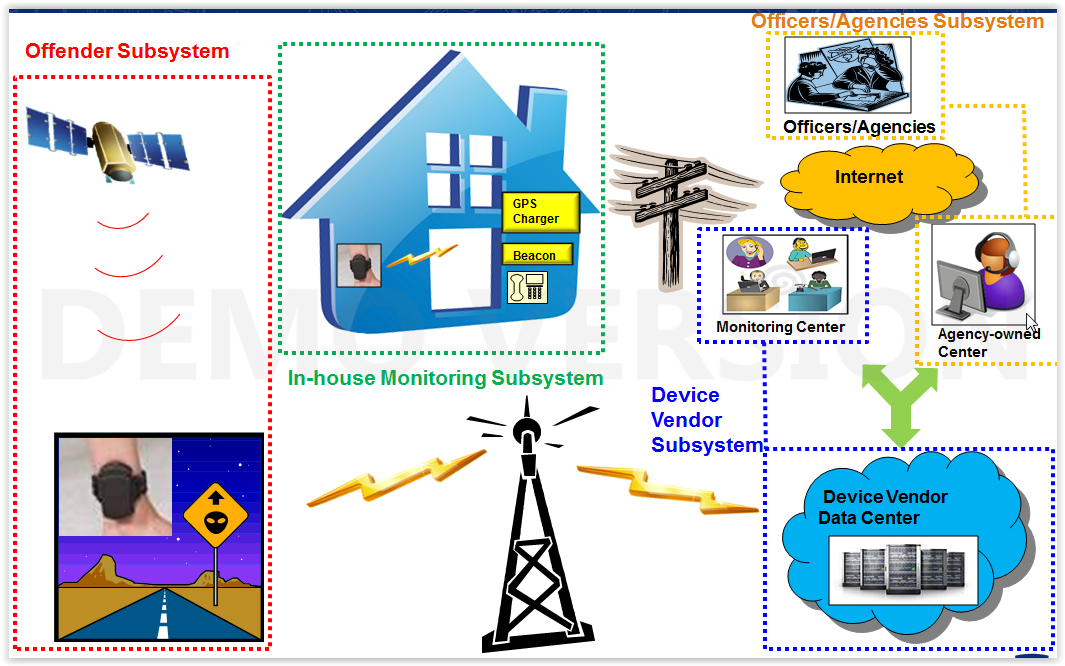
- Automated proximity alerts — Real-time notification when the offender approaches any protected location
- Panic/SOS button — A smartphone app with one-touch emergency notification that simultaneously alerts the monitoring center and law enforcement, transmitting the victim’s GPS location
- Two-tier proximity detection — For cases where the offender uses a BLE wristband paired with a smartphone app: both the wristband’s Bluetooth range and the phone’s GPS position are monitored, providing redundant proximity detection
Victim notification systems must be opt-in and victim-controlled. Some victims prefer not to receive real-time alerts because the notifications themselves cause anxiety. Victim advocates should discuss notification preferences during program enrollment and provide options for the level of detail and frequency of updates.
Beyond Domestic Violence: Other Exclusion Zone Applications
- Sex offender monitoring — Exclusion zones around schools, parks, playgrounds, daycare centers, and other locations where children gather. Typically permanent zones with no time-of-day scheduling.
- Gang intervention — Exclusion zones around known gang territories, rival gang areas, or locations of previous offenses. Useful for court-ordered geographic restrictions as conditions of release.
- Workplace protection orders — Exclusion zones around a former employer’s premises following termination with threats or workplace violence incidents.
- Witness protection — Exclusion zones around witness residences in cases involving intimidation or retaliation threats.
Related Resources
- County Corrections Electronic Monitoring Program Guide
- GPS vs RF: Which Technology Is Right for Your Agency?
- Domestic Violence GPS Monitoring & Victim Protection
- CO-EYE AMClient — Mobile Victim Protection App with Panic SOS
- CO-EYE Monitoring Software — Zone Configuration and Alert Management
Related Guides
Related: UK Launches Biggest Electronic Monitoring Expansion in History — How the Sentencing Act 2026 and restriction zones are reshaping GPS ankle monitor procurement standards worldwide.