
How Do Victim Notification Systems Work in Electronic Monitoring?
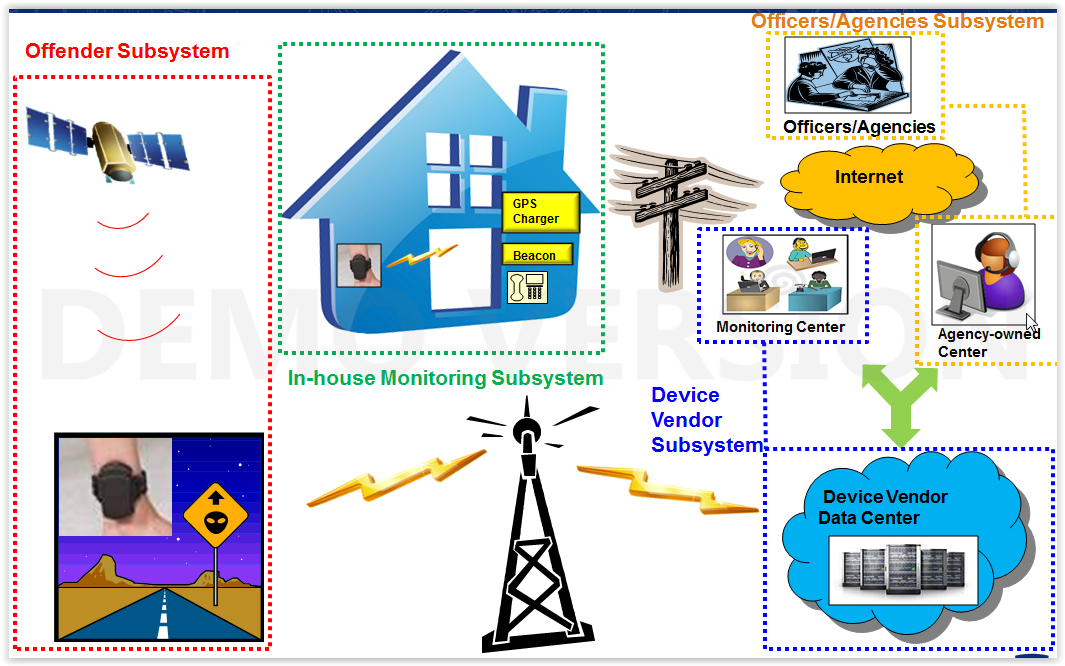
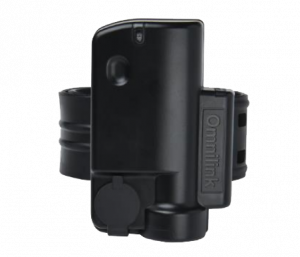
Victim notification systems in electronic monitoring use the offender’s GPS ankle monitor data to trigger automated alerts to the protected person — typically through a dedicated smartphone application. When the offender’s location crosses an exclusion zone boundary defined around the victim’s home, workplace, or other protected location, the system sends a push notification to the victim’s phone within seconds. Advanced systems add a second detection layer using Bluetooth Low Energy (BLE) proximity sensing that works independently of GPS, providing backup alerting even when satellite signals are blocked by buildings.
Why Agency-Only Monitoring Is Not Enough for DV Cases
In a standard electronic monitoring program, alerts flow exclusively to the monitoring center. Staff assess the alert, contact the offender, and if necessary, notify law enforcement. This workflow is adequate for curfew violations and general probation compliance — a 10-minute response delay to a curfew breach rarely creates danger.
Domestic violence is fundamentally different. Queensland’s GPS evaluation report documented that the median time from an offender’s decision to approach a victim to physical contact can be measured in minutes. If the monitoring center takes 5 minutes to assess an alert, 3 minutes to call the offender, and another 5 minutes to escalate to law enforcement, the offender may already be at the victim’s door. The victim, meanwhile, had no warning.
Victim notification closes this gap. The alert reaches the victim at the same time it reaches the monitoring center — or even before staff can assess and respond. Those extra minutes give the victim time to leave, lock doors, call 911, or move to a pre-planned safe location. Queensland’s evaluation found that victims consistently rated direct notification as the most valuable component of the monitoring program, above offender tracking itself.
Components of a Victim Notification System
1. GPS-Triggered Push Notifications
The primary notification mechanism. When the offender’s GPS coordinates enter an exclusion zone, the monitoring platform sends a push notification to the victim’s smartphone app. The notification typically includes:
- Alert that the monitored person has entered a restricted zone
- General proximity indicator (e.g., “within 1 mile” or “within 500 feet”) — specific offender coordinates are not shared with the victim for legal and safety reasons
- Pre-configured guidance (e.g., “Call 911 if you feel unsafe” or “Your advocate has been notified”)
GPS-based alerts depend on the ankle monitor’s reporting frequency. Devices configured for 1-minute reporting provide near-real-time alerting; devices reporting every 15 minutes create unacceptable gaps for DV protection.
2. BLE Proximity Detection
Bluetooth Low Energy provides a second, independent detection layer. A compact BLE wristband or ankle bracelet worn by the offender broadcasts a short-range signal. If the victim carries a paired smartphone with the monitoring app, the phone detects the BLE signal when the offender is within approximately 30-100 meters — regardless of whether GPS is working.
This is critically important in scenarios where GPS has limitations:
- Inside buildings: GPS signals degrade or fail entirely inside large structures. If both the offender and victim are in the same shopping mall or apartment complex, GPS may not resolve their positions accurately. BLE proximity works through walls at short range.
- Cellular dead zones: If the offender’s ankle monitor cannot transmit GPS data due to a cellular coverage gap, the monitoring center has no data. BLE detection happens locally between the offender’s device and the victim’s phone, with no cellular dependency.
- GPS jamming: Some sophisticated offenders attempt to use GPS jamming devices. BLE operates on a completely different radio frequency and is unaffected by GPS jammers.
The CO-EYE Wristband, for example, provides BLE proximity monitoring with AES-encrypted communication protocols, and can pair with the CO-EYE AMClient App on the victim’s smartphone to enable this dual-layer detection.
3. Panic SOS Function
Beyond automated alerts triggered by the offender’s location, victim notification apps typically include a manual panic button. Pressing SOS immediately:
- Transmits the victim’s current GPS location to the monitoring center
- Optionally dials 911 or a pre-programmed emergency number
- Sends an alert to designated contacts (victim advocate, family member)
- Begins audio recording or live streaming (in some implementations)
The panic function serves situations where the victim perceives danger that the monitoring system hasn’t detected — for example, if the offender sends a proxy to the victim’s location, or if the victim encounters the offender unexpectedly in a location without a configured exclusion zone.
Implementation Considerations for Agencies
Victim Consent and Training
The victim must voluntarily agree to carry the notification device or install the app. They cannot be compelled. Agencies should provide in-person training covering how alerts work, what to do when an alert fires, limitations of the technology, and how to use the panic SOS function. Victim advocates — not corrections officers — are the appropriate trainers, as they understand the power dynamics and emotional context of DV situations.
Device Management
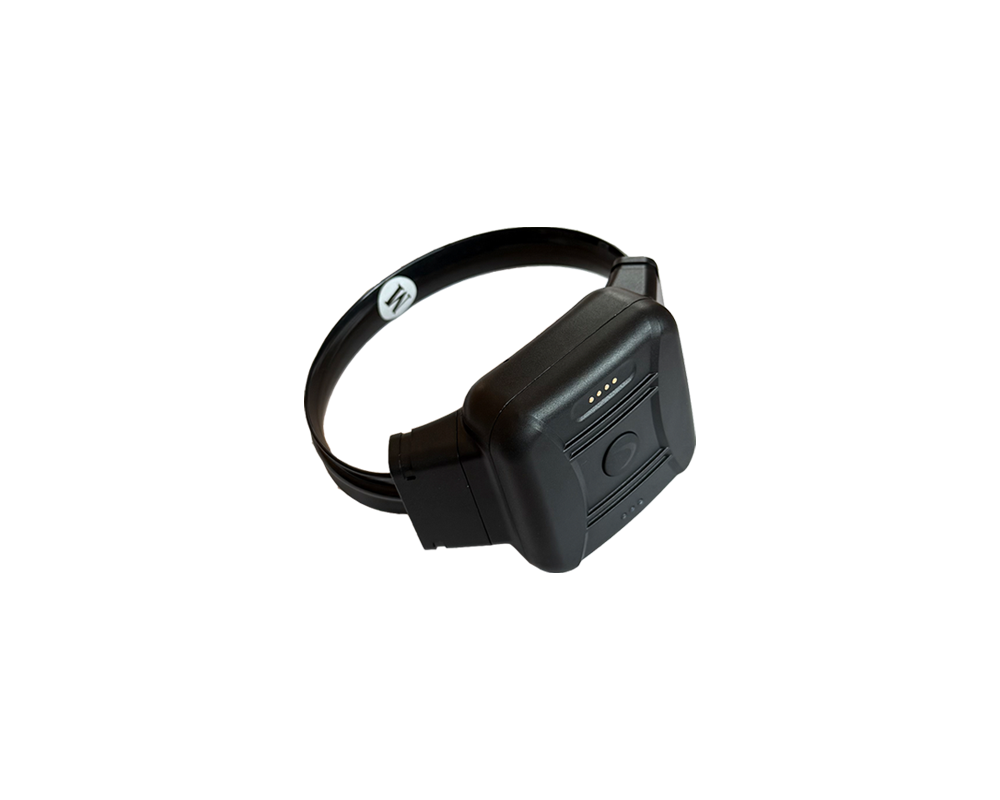
If the victim uses a smartphone app, the agency must address practical concerns: Does the victim have a compatible smartphone? Can they keep it charged? Is their phone plan adequate for data usage? Some programs provide victims with pre-configured phones for the monitoring period. Others use standalone BLE receivers that don’t require a smartphone — the device simply vibrates and emits an audible alarm when proximity is detected.
False Alert Management
GPS positioning has an inherent accuracy margin — typically 3-15 meters outdoors, worse indoors. In dense urban areas where the victim and offender may live in adjacent neighborhoods, an exclusion zone radius that’s too small will generate false proximity alerts. Agencies must balance zone size against false alert tolerance: zones too large restrict the offender’s movement excessively and may be legally challenged; zones too small may not provide adequate warning time.
BLE proximity detection adds its own false-alert dimension. If the offender and victim live in the same apartment building (common in DV cases before separation is complete), BLE signals may penetrate through floors and walls, generating alerts even when the offender is in their own unit and not approaching the victim.
Privacy and Data Handling
Victim notification systems inherently reveal the victim’s location to the system. If the victim’s phone reports GPS coordinates when receiving alerts or sending SOS signals, those coordinates enter the monitoring database. Strict access controls must prevent this data from being disclosed — including in legal proceedings. Defense attorneys seeking access to monitoring records should not be able to extract the victim’s location data.
Dual-Layer Architecture: The Current Best Practice
The most effective victim notification implementations use both GPS geo-fencing and BLE proximity as complementary layers:
| Feature | GPS Geo-Fence Alert | BLE Proximity Alert |
|---|---|---|
| Detection range | Configurable (500 ft to 1+ mile) | 30-100 meters |
| Works indoors | Degraded (Wi-Fi/LBS fallback) | Yes |
| Cellular dependency | Yes — needs data connection | No — local radio |
| Advance warning time | Minutes (based on approach speed) | Seconds (immediate when in range) |
| GPS jamming resistant | No | Yes |
| Battery impact on victim device | Minimal (push notification) | Low (BLE scanning) |
GPS provides early warning at distance. BLE provides a close-range failsafe. Together, they cover the full spectrum from “the offender is heading toward your neighborhood” to “the offender is in the same building right now.”
Related Resources
- Domestic Violence Electronic Monitoring Guide — complete program planning framework
- How GPS Ankle Monitors Enforce DV Protection Orders — exclusion zone enforcement details
- CO-EYE AMClient App — victim-side protection application with panic SOS
- CO-EYE Domestic Violence Solutions