Two Monitoring Functions, One Supervision Need
Many offender populations require both location monitoring and alcohol abstinence verification. DUI repeat offenders need GPS curfew enforcement and continuous alcohol testing. Domestic violence defendants with substance abuse histories need exclusion zone monitoring and sobriety verification. Drug court participants need movement tracking and compliance documentation.
Traditionally, these monitoring functions required separate devices: a GPS ankle monitor on one leg and a transdermal alcohol sensor (SCRAM CAM or equivalent) on the other. This dual-device approach works but imposes a significant burden on the wearer, complicates device management, and increases costs.
How Transdermal Alcohol Detection Works
When a person consumes alcohol, a small percentage (approximately 1%) of the ethanol is excreted through the skin as insensible perspiration. Transdermal alcohol monitoring measures this ethanol vapor on the skin surface using an electrochemical fuel cell sensor built into the ankle band.
The Detection Process
- Alcohol consumption: After drinking, blood alcohol concentration (BAC) rises
- Transdermal excretion: Ethanol appears in perspiration approximately 30-90 minutes after consumption
- Sensor sampling: The device takes periodic air samples from the skin-device interface every 30 minutes
- Signal analysis: Software analyzes the transdermal alcohol concentration (TAC) curve to distinguish genuine drinking events from environmental interference (hand sanitizer, cologne, cleaning products)
- Confirmed event: If the TAC curve matches the pharmacokinetic profile of consumed alcohol (a characteristic rise, plateau, and gradual decline), a confirmed drinking event is reported
Detection Capabilities
- Detection threshold: Approximately 0.02 BAC equivalent (1-2 standard drinks)
- Detection window: From ~30 minutes after consumption until alcohol is fully metabolized
- False positive rate: Less than 0.1% with proper curve analysis (environmental exposures create TAC spikes that don’t match drinking curves)
- Confirmation accuracy: Peer-reviewed studies show 99.3% agreement between SCRAM and observed drinking events in controlled settings
Device Configurations
Option 1: Separate GPS + Alcohol Devices
Two devices — one GPS monitor and one alcohol sensor — worn on separate ankles.
- Advantages: Proven technology; each device is optimized for its function; flexible vendor selection
- Disadvantages: Double the ankle bulk; two charging protocols; higher total cost; separate monitoring platforms
- Typical cost: $12-25/day (combined GPS and alcohol monitoring)
Option 2: Combined GPS + Alcohol Device
A single device integrating both GPS tracking and transdermal alcohol sensing.
- Advantages: Single device, single charge, single monitoring platform, lower total cost
- Disadvantages: Larger device size; battery life trade-offs; limited vendor options; if one function fails, the entire device must be replaced
- Typical cost: $10-20/day
- Leading product: SCRAM GPS (Alcohol Monitoring Systems)
Option 3: GPS Monitor + Periodic Breath/Urine Testing
GPS ankle monitor combined with scheduled or random breathalyzer or urine tests rather than continuous transdermal monitoring.
- Advantages: Lower device cost; smaller ankle unit (GPS only); proven GPS technology
- Disadvantages: Not continuous — gaps between tests allow undetected drinking; requires defendant travel to testing sites or ownership of portable breathalyzer
- Typical cost: $5-15/day (GPS) + $2-8/test
When Combined Monitoring Is Warranted
Not every case requiring GPS monitoring also needs alcohol detection. Apply combined monitoring based on case characteristics:
| Case Type | GPS Alone | GPS + Alcohol |
|---|---|---|
| Repeat DUI/DWI (3rd+ offense) | — | Recommended |
| DV with substance abuse history | — | Recommended |
| Drug court (alcohol as primary substance) | — | Recommended |
| DV without substance issues | Recommended | — |
| Pretrial flight risk (non-DUI) | Recommended | — |
| Property/financial crime | Recommended | — |
CO-EYE GPS Integration Approach
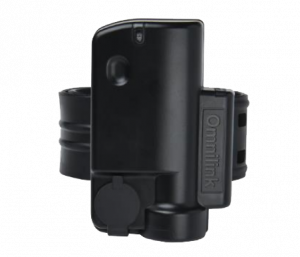
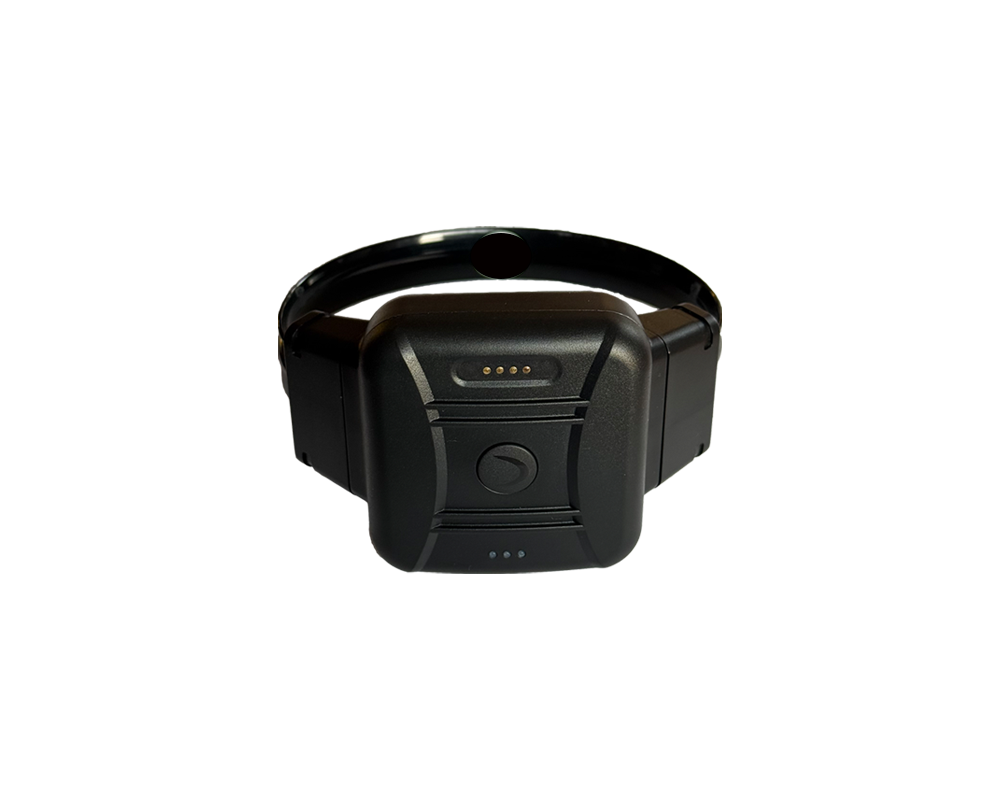
The CO-EYE ONE and CO-EYE DUO GPS ankle monitors are designed as dedicated location monitoring devices with industry-leading features: optical fiber anti-tamper, 40+ hour battery life, and multi-constellation GNSS positioning. Rather than building a compromise combined device, CO-EYE focuses on GPS excellence while supporting integration with third-party alcohol monitoring through its monitoring platform API.
This approach gives agencies flexibility: deploy CO-EYE GPS for all location monitoring needs, and add alcohol monitoring only where case conditions require it — using whichever alcohol detection vendor the jurisdiction prefers.
Frequently Asked Questions
How does a SCRAM-type ankle monitor detect alcohol consumption?
Transdermal alcohol monitors measure ethanol excreted through the skin as perspiration. An electrochemical fuel cell sensor in the ankle band samples skin surface air every 30 minutes. Software analyzes the resulting transdermal alcohol concentration (TAC) curve — genuine drinking events produce a characteristic rise-plateau-decline pattern that distinguishes consumed alcohol from environmental interference like hand sanitizer or cologne. Detection threshold is approximately 0.02 BAC equivalent.
Is it better to use a combined GPS + alcohol device or separate devices?
Combined devices (like SCRAM GPS) simplify management with a single unit and single charging protocol, costing $10-20/day. Separate devices allow best-in-class selection for each function — agencies can choose the best GPS monitor (like CO-EYE ONE with optical fiber anti-tamper) and the best alcohol sensor independently. Separate devices typically cost $12-25/day total but offer greater flexibility and redundancy.
How accurate is transdermal alcohol detection?
Peer-reviewed studies demonstrate 99.3% agreement between transdermal alcohol monitoring and observed drinking events in controlled settings. The false positive rate is below 0.1% when proper TAC curve analysis is applied. Environmental alcohol exposure (cleaning products, cologne) creates TAC spikes that don’t match the pharmacokinetic profile of consumed alcohol and are filtered out by the analysis software.
What cases need both GPS and alcohol monitoring?
Combined monitoring is most commonly ordered for repeat DUI/DWI (3rd+ offense), domestic violence cases with documented substance abuse, and drug court participants where alcohol is the primary substance. Cases requiring only location compliance (pretrial flight risk, exclusion zone enforcement without substance issues) typically need GPS alone.
Can CO-EYE GPS monitors integrate with alcohol monitoring systems?
CO-EYE’s monitoring platform supports API integration with third-party alcohol monitoring vendors. This allows agencies to view GPS location data and alcohol compliance data on a single dashboard while using best-in-class hardware for each function. Contact REFINE Technologies for integration specifications and currently supported alcohol monitoring partners.