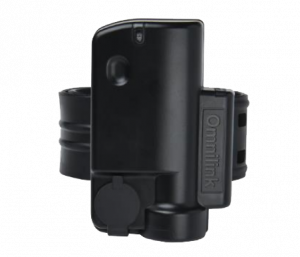

What Are the Two Main Approaches to Electronic Location Monitoring?
The two primary approaches to electronic location monitoring are smartphone-based apps (installed on the enrollee’s personal device for GPS tracking and check-ins) and dedicated GPS ankle monitors (tamper-resistant hardware worn continuously). Each serves different risk levels, budgets, and supervision objectives.
Government agencies supervising defendants and offenders in the community now have two fundamentally different technology options for location monitoring: smartphone-based check-in applications and dedicated GPS ankle monitors. Understanding the technical and operational differences is essential for matching technology to supervision needs.
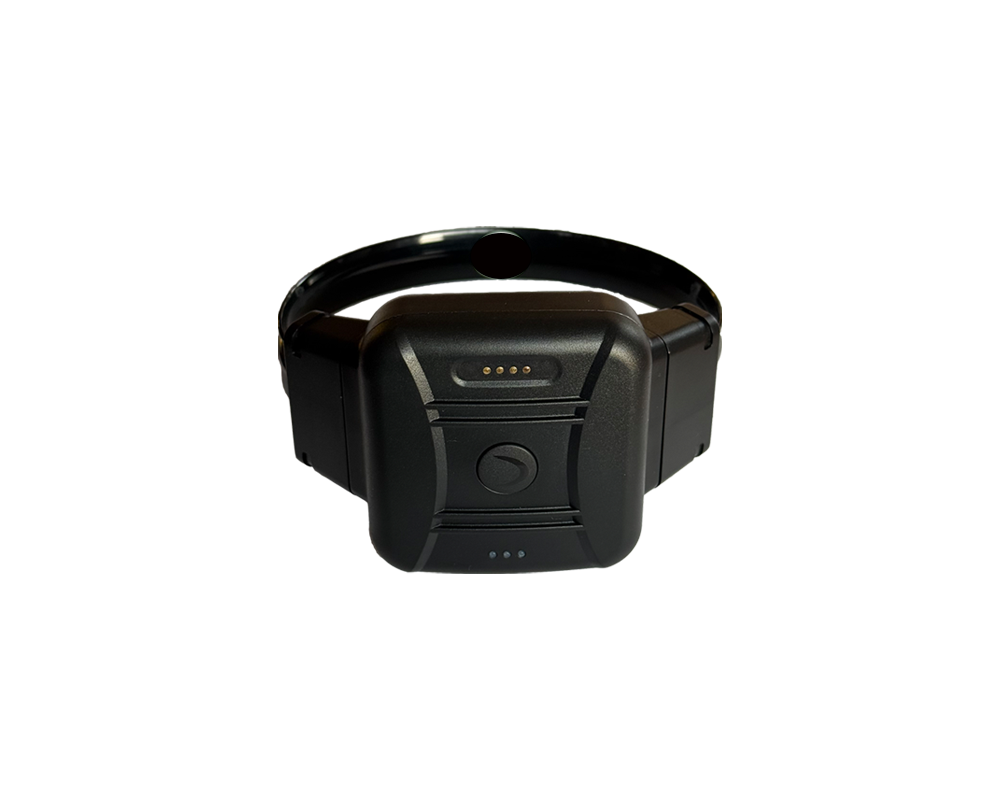
How Do Smartphone Monitoring Apps and GPS Ankle Monitors Actually Work?
Smartphone monitoring apps use the phone’s built-in GPS, cellular, and WiFi radios for location tracking, combined with biometric check-ins like facial recognition. GPS ankle monitors contain their own GNSS receiver, cellular modem, and tamper sensors operating independently of any personal device.
Smartphone-Based Monitoring
The defendant installs an application on their personal smartphone (or a government-issued phone). The app performs some combination of:
- Scheduled check-ins: At set times, the defendant opens the app, takes a selfie for facial recognition verification, and submits their location
- Background location tracking: The app collects GPS coordinates at intervals (typically every 15-60 minutes) using the phone’s built-in GPS chip
- Geofence monitoring: The app can trigger alerts when the phone enters or leaves defined areas
- Biometric verification: Facial recognition or voice recognition confirms the defendant’s identity during check-ins
Examples include the CO-EYE AMClient, Attenti’s mySupervisor, and BI SmartLINK.
GPS Ankle Monitors
A tamper-resistant device locked to the defendant’s ankle provides continuous GPS tracking independent of defendant behavior:
- Continuous tracking: GPS/GNSS positioning every 1-5 minutes (configurable), 24/7
- Tamper detection: Optical fiber, capacitive sensing, or heart-rate monitoring detects removal attempts
- Guaranteed operation: The defendant cannot turn off, leave behind, or disable the device without triggering alerts
- Geofencing: Real-time zone violation alerts within seconds of a boundary crossing
- Communication independent: The device has its own cellular radio; it does not depend on the defendant’s phone or data plan
Examples include the CO-EYE ONE, BI LOC8, and Securus BLUtag.
How Do Smartphone Monitoring and GPS Ankle Monitors Compare on Key Metrics?
| Capability | Smartphone App | GPS Ankle Monitor |
|---|---|---|
| Tracking frequency | 15-60 min intervals (or on-demand) | 1-5 min continuous |
| Location accuracy | 10-50 meters (varies by phone, environment) | 3-10 meters (dedicated GNSS antenna) |
| Tamper resistance | None — defendant can leave phone behind | Physical anti-tamper with instant alerts |
| Battery dependency | Phone battery (defendant-controlled) | Device battery (40+ hours for CO-EYE ONE) |
| Geofence response time | Minutes to hours (depends on tracking interval) | Seconds (continuous tracking) |
| Environmental durability | Phone-dependent (not waterproof by default) | IP67+ waterproof, impact-resistant |
| Defendant compliance needed | High (must keep phone charged, carry it, respond to check-ins) | Minimal (device operates automatically) |
| Cost per day | $1-3 | $5-15 |
| Identity verification | Photo/voice during check-ins only | Anti-tamper verifies continuous wearing |
When Should Agencies Use Smartphone Monitoring Instead of Ankle Monitors?
- Low-risk pretrial defendants: PSA scores 1-2, charged with non-violent offenses, stable residence and employment, no prior FTA (failure to appear) history. Smartphone check-ins confirm general location compliance without the intrusiveness of an ankle monitor.
- Step-down from ankle monitor: Defendants who have demonstrated extended compliance on GPS ankle monitoring may transition to smartphone monitoring for the remainder of their supervision period — reducing cost while maintaining minimal oversight.
- High-volume, low-risk supervision: Misdemeanor probation caseloads where agencies need location documentation for hundreds of participants at minimum cost.
- Short-duration monitoring: Cases where supervision lasts days to weeks rather than months. The lower cost of smartphone monitoring avoids the overhead of device fitting and recovery.
When Are GPS Ankle Monitors Required Over Smartphone Monitoring?
GPS ankle monitors are required for high-risk populations — domestic violence cases with proximity alerts, sex offender registration compliance, flight-risk pretrial defendants, and any supervision order where the court mandates continuous, tamper-evident location tracking that cannot be circumvented by leaving a phone behind.
- Domestic violence with exclusion zones: Victim safety depends on real-time zone violation alerts. A defendant who leaves their phone behind while approaching the victim’s home defeats smartphone monitoring entirely. GPS ankle monitors with optical fiber anti-tamper ensure continuous monitoring even when the defendant is non-cooperative.
- High flight risk defendants: Defendants with prior FTA history, significant bail amounts, or strong incentives to flee. Ankle monitors cannot be casually defeated — cutting the strap triggers an immediate tamper alert.
- Sex offender monitoring: Most states require GPS ankle monitoring for registered sex offenders. Smartphone apps do not meet statutory requirements.
- Violent felony charges: Community safety depends on confirmed continuous tracking. The 15-60 minute gaps in smartphone tracking create unacceptable supervision windows for violent offense cases.
- Court-ordered continuous monitoring: When a judge orders GPS monitoring as a release condition, only a dedicated GPS ankle device satisfies the order. Smartphone apps are not considered equivalent by most courts.
The Tiered Approach
The most cost-effective supervision programs deploy both technologies across their caseload, matching each defendant to the appropriate tier. The CO-EYE monitoring platform manages both AMClient smartphone check-ins and GPS ankle monitor tracking from a single dashboard, eliminating the need for separate monitoring systems.
For program design guidance including risk-assessment-driven technology matching, see our Pretrial Electronic Monitoring Guide.
Frequently Asked Questions
Is smartphone monitoring as effective as GPS ankle monitors?
No. Smartphone monitoring relies on defendant cooperation — the defendant must keep their phone charged, carry it, and respond to check-ins. GPS ankle monitors operate independently and continuously, providing 1-5 minute tracking intervals versus 15-60 minutes for smartphone apps. For low-risk, cooperative defendants, smartphone monitoring provides adequate supervision at lower cost ($1-3/day vs $5-15/day). For high-risk defendants or cases involving victim safety, GPS ankle monitors are required.
Can a defendant defeat smartphone monitoring by leaving their phone at home?
Yes. This is the fundamental limitation. A defendant can leave their phone at home, at work, or with a friend while going elsewhere. Scheduled check-ins with photo verification mitigate this somewhat — the defendant must be physically present with the phone at check-in times. But between check-ins, there is no guarantee the phone and the defendant are in the same location. GPS ankle monitors physically attached to the defendant eliminate this vulnerability.
What is the cost difference between smartphone and GPS monitoring?
Smartphone monitoring costs $1-3/day per defendant (primarily the app platform subscription). GPS ankle monitoring costs $5-15/day (device amortization, cellular service, and monitoring). For a 200-defendant program, the annual cost difference is approximately $300,000-$900,000. However, if smartphone monitoring is applied to defendants who actually need GPS tracking, the cost savings are offset by increased failures to appear and potential public safety incidents.
Can defendants transition from GPS ankle monitor to smartphone monitoring?
Yes. Step-down monitoring is a best practice for long-duration supervision. A defendant who demonstrates 60-90 days of full compliance on a GPS ankle monitor may be transitioned to smartphone check-in monitoring for the remainder of their supervision, reducing cost while maintaining accountability. The CO-EYE platform supports both technologies, enabling seamless transitions on the same monitoring dashboard.
Do courts accept smartphone monitoring as a GPS alternative?
Generally no for high-risk cases. When a judge orders “GPS monitoring” as a release condition, most courts require a dedicated GPS ankle device. Smartphone apps may satisfy general “electronic monitoring” or “location check-in” conditions, but not GPS-specific orders. For sex offender monitoring, statutory requirements in most states mandate ankle-mounted GPS devices specifically. Agencies should clarify monitoring requirements with their court before deploying smartphone-only solutions.