What Equipment Specifications Should Probation Departments Prioritize?
Probation departments should prioritize five specifications: tamper detection false-alarm rate (below 5%), battery life (minimum 48 hours, ideally 7+ days), IP67 or higher waterproofing, 4G LTE or LTE-M cellular connectivity, and device weight under 150 grams for enrollee compliance.
Probation officers supervise individuals for 1–5 years. Unlike pretrial programs where monitoring lasts weeks or months, probation tracking systems require devices that survive daily showers, manual labor jobs, extreme weather, and repeated tamper attempts by offenders who have months to study the hardware. Probation monitoring device manufacturers that optimize for price over durability produce equipment that generates false alerts, requires frequent replacement, and burns officer time. This guide covers the specifications probation departments should require when evaluating probation GPS tracking hardware and probation monitoring equipment suppliers.
Anti-Tamper Technology
Tamper detection is the highest-impact differentiator between probation offender monitoring devices. Cook County documented that over 80% of ankle monitor alerts were false alarms — a problem rooted in technology choice. Two detection methods dominate the market:
| Method | How It Works | False Positive Rate | Physical Evidence |
|---|---|---|---|
| Optical fiber | Light transmission through fiber strap; cut or stretch interrupts signal | Near-zero (deterministic) | Yes — severed fiber is forensic evidence |
| Various (fiber-optic strap industry standard; SCRAM uses metal clasp) | Skin contact sensing; interprets biological signals | High — affected by movement, sweat, fit | No |
Optical fiber anti-tamper provides binary detection: intact or severed. Probation programs with optical fiber devices report false tamper rates below 2 per device per month. Heart-rate and capacitive systems produce 10–15 false tamper alerts per device per month under field conditions. For probation officers managing 100+ cases, that difference is hundreds of hours per year.
Waterproof Rating: IP68 Required
Probationers wear devices 24/7 through showers, rain, and sweaty manual labor. Splash-resistant (IP67) is insufficient. Probation monitoring device manufacturers should specify IP68 waterproof — submersion-rated, not merely splash-resistant. IP68 devices survive accidental submersion and prolonged moisture exposure without housing failure or sensor malfunction. Agencies that deployed IP67 devices in high-moisture environments report higher failure rates and warranty claims.
Battery Life and Charging Compliance
Probation supervision relies on offenders maintaining device charge. Short battery life increases charging frequency, which increases non-compliance risk. Require 48+ hours per charge cycle for continuous GPS reporting. Some high-security designs add an independent anti-tamper circuit that continues operating at 0% battery — eliminating the window when offenders could remove the device undetected during charging.
One-Piece vs. Two-Piece Probation Tracking Systems
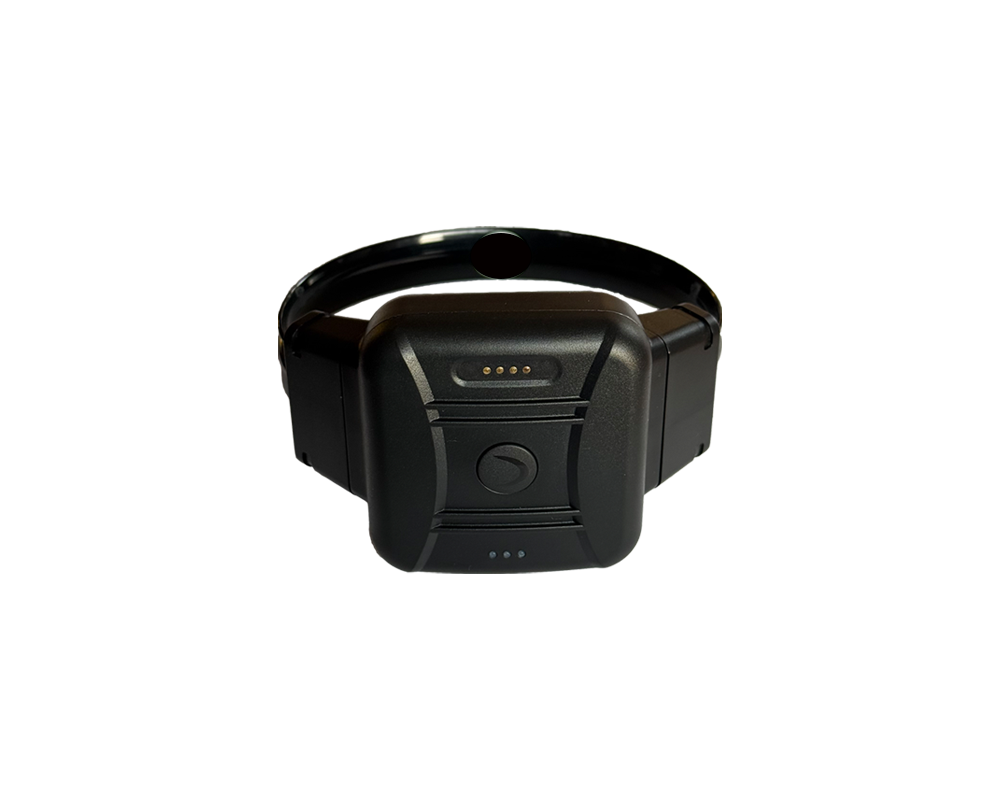
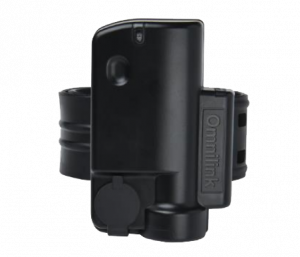
One-piece GPS ankle monitors integrate the tracking module, cellular radio, and anti-tamper sensors into a single ankle-worn unit. Two-piece systems use a small ankle transmitter (bracelet) paired with a separate body-worn tracker that handles GPS and cellular. The wireless link between bracelet and tracker is the most common failure point — connection loss generates “out of range” false alerts.
Field data from probation programs shows one-piece designs reduce monthly device failure rates from 8–12% (two-piece) to under 2%. For probation officers, fewer device swaps mean less logistics and fewer court appearances to explain technical glitches.
Example: The CO-EYE ONE is a one-piece GPS ankle monitor with optical fiber anti-tamper, IP68 waterproof rating, and 48-hour battery life per charge. The integrated design eliminates the tracker-bracelet connection failures that plague two-piece probation tracking systems. See CO-EYE ONE specifications for full device details.
How Durable Do GPS Ankle Monitors Need to Be for Probation Field Work?
GPS ankle monitors in probation settings must withstand daily wear across diverse environments — showers, manual labor, extreme temperatures, and occasional impact. Minimum requirements include IP67 waterproofing, operating range of -20C to 60C, and reinforced strap materials that resist cutting tools.
Probation monitoring equipment suppliers should provide devices tested for:
- Strap durability: 12+ months continuous wear without degradation. Steel-armed optical straps available for high-risk offenders who attempt cutting
- Temperature range: –20°C to 50°C operational — probationers work outdoors, commute in unheated vehicles, and live in varied climates
- Installation speed: Tool-free snap-on design; under 10 seconds per installation. High-volume probation orientation requires fast intake
- Sizing flexibility: S/M/L/XL options to accommodate ankle circumference variation across populations
What Do Probation Officers Actually Think About Current GPS Tracking Devices?
Probation officers consistently cite three pain points: excessive false alarms consuming 30-40% of their workday, daily charging requirements that create compliance friction with enrollees, and bulky device designs that provoke social stigma and resistance from supervised individuals.
Procurement committees should gather input from probation officers who will use the equipment daily. Key questions:
- How long does installation take during intake? Does it slow down orientation processing?
- How often do officers receive “low battery” or “device offline” alerts that turn out to be false?
- Can officers verify device status during home visits without bringing a laptop?
- How many strap replacements per 100 devices per year? High replacement rates indicate durability problems
Vendors with strong probation monitoring device manufacturer track records can provide reference contacts from similar-sized agencies. Speak directly to supervising officers, not only IT staff.
Related Resources
- Probation GPS Monitoring: Complete Technology & Implementation Guide — pillar resource
- CO-EYE ONE — one-piece GPS ankle monitor (optical fiber, IP68, 48-hour battery)
- CO-EYE DUO — enhanced one-piece GPS with 0% battery anti-tamper
- Optical Fiber vs. Heart Rate Tamper Detection — technical comparison