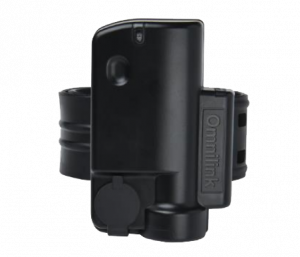

Curfew Monitoring Systems: Technology & Implementation for Courts and Agencies
Curfew monitoring systems form the backbone of house arrest and home detention programs. When courts order an individual restricted to their residence except for approved activities, these systems verify compliance without requiring officers to make physical checks. The technology choice directly affects program costs, false alert rates, and whether monitoring evidence holds up under court scrutiny.
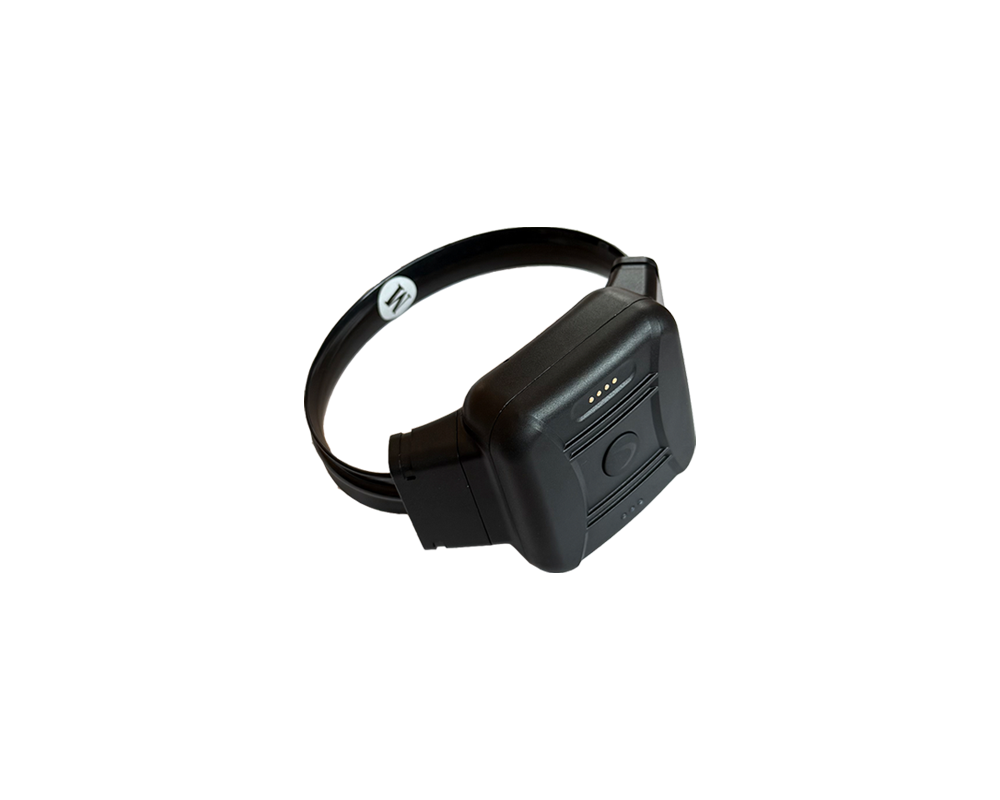
Agencies report that 40–60% of curfew-related false alerts stem from a single source: GPS signal degradation near building boundaries. A participant standing in a doorway or near a window may momentarily appear outside the geo-fence, triggering an alert that officers must investigate. Understanding how each technology handles indoor detection is essential for selecting the right curfew enforcement approach.
RF vs GPS Curfew Monitoring: Technology Comparison
Two distinct technologies handle curfew enforcement, each with different strengths and limitations:
| Factor | RF Curfew Monitoring | GPS Curfew Monitoring |
|---|---|---|
| How compliance is verified | Radio signal between ankle transmitter and home base station | GPS coordinates compared to defined geo-fence around residence |
| Indoor detection reliability | High — direct RF link within range | Variable — GPS weakens inside buildings; Wi-Fi/LBS backup used |
| Location data when away | None — only home/away status | Full location trail 24/7 |
| Typical false alert sources | Dead zones in multi-story or large residences | GPS drift near boundaries, signal loss in tunnels/basements |
| Battery life (ankle device) | Months to 2+ years | 24–48 hours (requires charging) |
| Daily cost per participant | $2–5 | $5–15 |
| Exclusion zone capability | No | Yes — court-ordered victim protection zones |
RF curfew enforcement works by placing a base station in the participant’s residence. The ankle-worn transmitter communicates with the base unit; when the signal is present, the person is home. When it drops, they are away. The limitation: RF provides no information about where the participant goes when they leave. For curfew-only programs with no victim protection requirements, RF is cost-effective. For programs requiring verification of approved locations (work, treatment) or exclusion zone enforcement, GPS is necessary.
Hybrid Approaches: GPS + RF Home Station
The most effective curfew enforcement combines both technologies. GPS provides continuous outdoor tracking and movement evidence. An RF home station provides reliable indoor presence detection — addressing the exact scenario where GPS fails. When a participant is inside their residence, the home station confirms presence through walls where GPS signal degrades. This eliminates boundary-drift false alerts that undermine program credibility.
Home station design matters. Older base stations struggle in apartment buildings: concrete walls, metal framing, and multiple floors create dead zones. A participant may be home in a bedroom while the base station fails to detect the signal, triggering a false curfew violation. Modern home monitoring stations use enhanced external antennas specifically designed for challenging environments.
The CO-EYE HouseStation illustrates the current standard: the enhanced antenna penetrates up to 4 concrete walls with multi-floor coverage, addressing signal penetration problems in apartment buildings and older construction. The unit includes cellular and Wi-Fi connectivity for server communication and an internal battery that maintains full-day supervision during power outages — critical when participants live in areas with unreliable electrical service.
False Alert Reduction Strategies
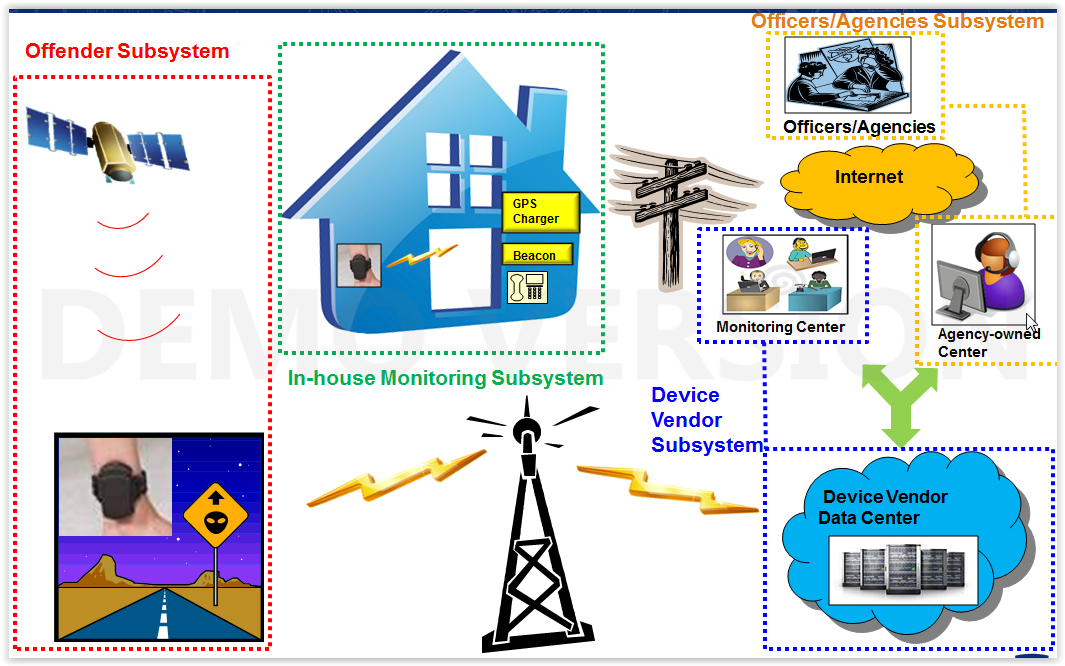
False curfew alerts consume officer time and erode trust in the monitoring system. Cook County, Illinois documented that over 80% of ankle monitor alerts were false alarms. Agencies report significant reduction — 40–60% — after switching to one-piece GPS devices with optical fiber anti-tamper, which eliminate the proximity violations that plague two-piece systems.
Additional strategies:
- Configurable grace periods — Allow 15–30 minutes for travel between approved locations before triggering a curfew violation. Participants leaving work at 5:00 PM with a 5:30 PM home curfew need time to commute.
- Boundary buffer zones — Extend the home geo-fence slightly beyond the property line to account for GPS drift. A 50–75 foot buffer reduces boundary-crossing false positives.
- Hybrid indoor verification — Use an RF home station to confirm presence when GPS coordinates are ambiguous near the residence.
- Schedule-based alert filtering — Suppress alerts during approved activity windows (work hours, treatment) so officers focus on actual curfew violations.
Schedule Management Features
Curfew monitoring is fundamentally schedule-driven. Participants have recurring obligations (work M–F, treatment Tuesday/Thursday) and one-time exceptions (medical appointments, court appearances). The monitoring system must support:
- Recurring schedules — Work hours, treatment sessions, religious services, education programs
- One-time exceptions — Pre-approved absences with start/end times and optional destination verification
- Modified schedules — Holiday changes, shift rotations, travel approvals
- Grace period configuration — Per-transition buffer time (e.g., 45 minutes from work to home)
- Officer mobile approval — Field approval of schedule changes so participants don’t wait for office processing
Platforms that require manual schedule entry for every exception create bottlenecks. Look for systems that support participant self-service requests with officer approval workflow, reducing phone volume and improving response time.