
House Arrest Tracking Devices & Hardware: Selection Guide for Agencies
House arrest programs monitor over 200,000 individuals daily across the United States. The tracking devices worn by participants vary widely in capability, cost, and operational complexity. Procurement officials and corrections directors need a clear framework for matching hardware to caseload risk levels and program requirements.
Device selection affects more than compliance verification. Comfort directly influences skin integrity and participant cooperation — agencies report significantly higher irritation rates when devices are worn 23–24 hours daily without removal. Anti-tamper technology determines false alert volume. Battery life shapes charging logistics and officer workload. This guide provides a structured approach to house arrest monitoring hardware selection.
Device Categories for House Arrest
Four primary device architectures serve house arrest programs. Each has distinct tradeoffs:
| Device Type | Best For | Key Characteristics |
|---|---|---|
| One-piece GPS ankle bracelet | High-risk home detention, full location tracking required | GPS + cellular + anti-tamper integrated; IP68 waterproof; 24–48 hour battery |
| Two-piece GPS (bracelet + tracker) | Medium-risk with need for discreet ankle profile | Small bracelet on ankle; separate GPS tracker carried or placed at home |
| RF bracelet + home station | Low-risk curfew-only monitoring | Long battery life bracelet; plug-in home unit; no location data when away |
| Smartphone app + BLE wristband | Lowest-risk, victim protection with minimal footprint | Wristband verifies presence; app provides GPS; fitness band size; lowest cost |
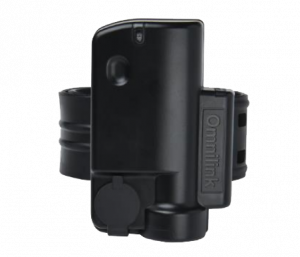
One-piece GPS ankle monitors integrate all components: GPS receiver, cellular modem, battery, and anti-tamper detection in a single device. No pairing, no proximity violations, no second unit to lose. The CO-EYE ONE exemplifies this category — one-piece GPS with IP68 waterproof rating and optical fiber anti-tamper, 48-hour battery between charges. Agencies managing high-risk pretrial defendants or domestic violence cases typically use this category.
Two-piece systems separate the ankle transmitter from a GPS tracker. The ankle unit handles tamper detection and proximity signaling; the tracker handles location and cellular reporting. Benefits include a smaller ankle profile and longer bracelet battery life. Drawbacks: proximity violations when the units lose connection, and tracker units that offenders frequently forget, lose, or leave behind.
RF bracelets paired with home stations serve curfew-only programs. The bracelet emits a radio signal; the base station detects presence. No GPS, no cellular data costs, battery life measured in months or years. Suitable when courts only require verification that the participant is home during restricted hours.
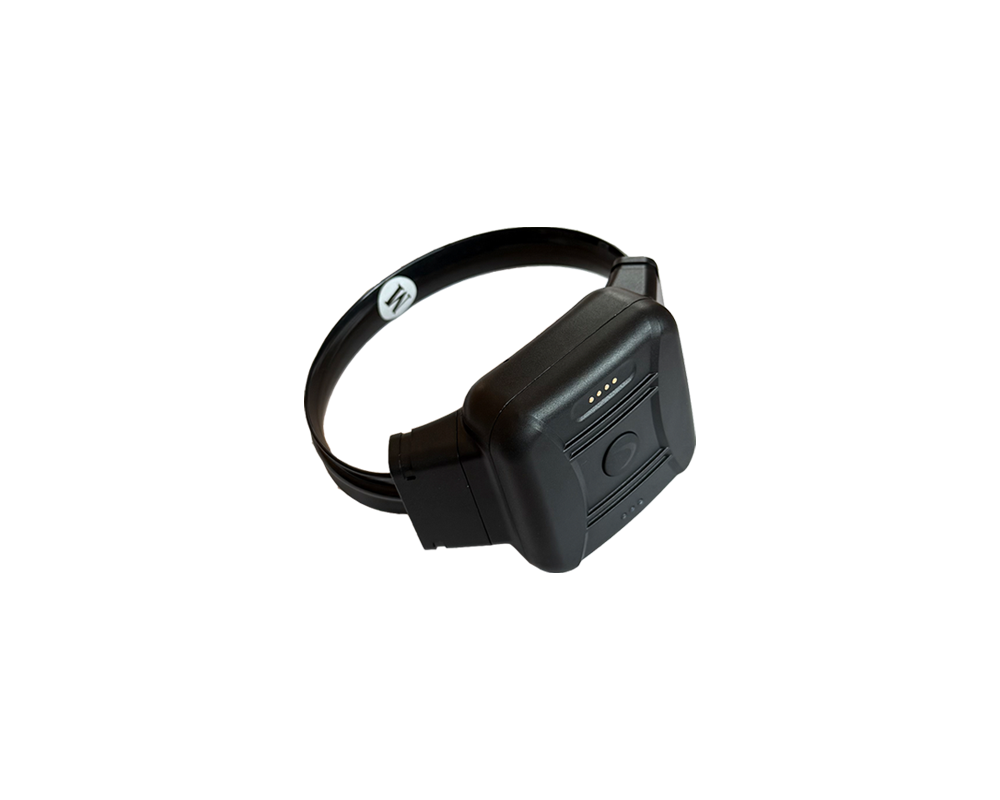
Smartphone app plus Bluetooth Low Energy (BLE) wristband offers the lightest footprint. The wristband verifies the phone (and thus the person) is present; the app provides GPS when needed. The CO-EYE Wristband provides a 2-year battery, fitness band size, IP68 waterproofing, and pairs with monitoring apps for victim protection and low-risk supervision.
Comfort for Extended Wear
House arrest participants wear devices for weeks to months, often 23–24 hours per day. Design choices affect skin integrity, employment barriers, and compliance:
- Rounded edges and hypoallergenic materials — Participants report less irritation with devices that avoid sharp corners and use materials that resist moisture buildup
- Adequate ventilation — Enclosed designs trap sweat; bands with ventilation channels reduce dermatitis risk
- Charging compatibility — Cables long enough to charge while sleeping; inductive charging preferred to avoid port damage from repeated plugging
- Low-profile design — House arrest participants may be employed. Devices visible above a sock or shoe create employment barriers; ankle units that sit flush reduce visibility
- Multiple size options — S/M/L/XL minimum; XS available for smaller ankles. Poor fit increases discomfort and tamper attempts
Request sample units for wear testing before procurement. Have officers wear devices for 24–48 hours to evaluate real-world comfort.
Anti-Tamper Options
House arrest participants spend extended periods at home with access to tools. Anti-tamper technology must withstand sustained attempts, not just casual interference:
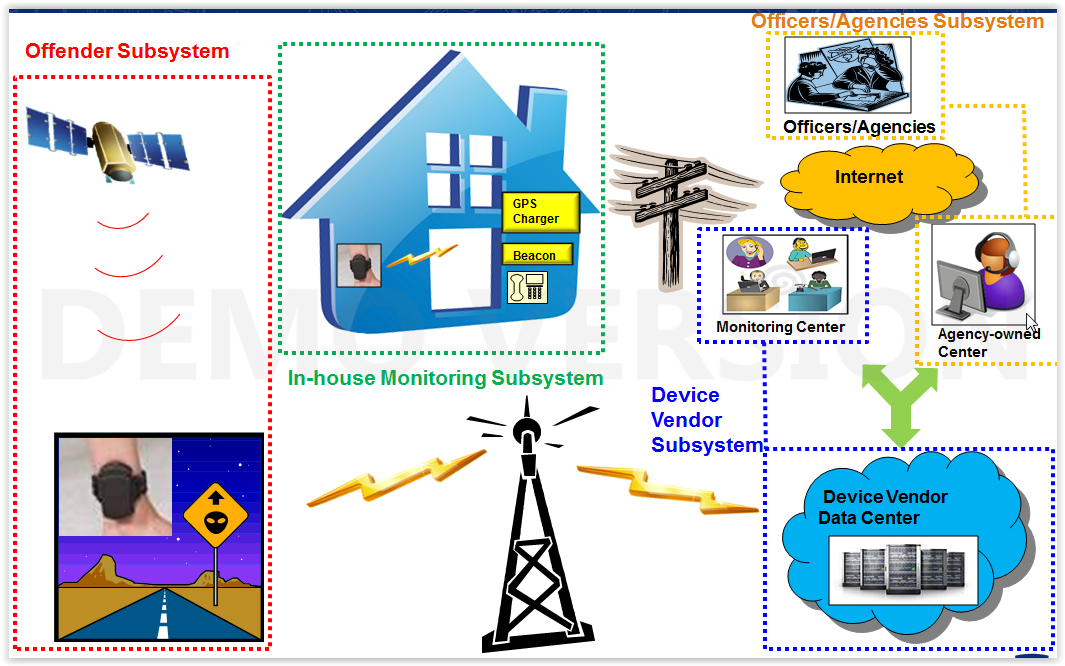
- Optical fiber straps — The fiber optic signal is either intact or interrupted; there is no false positive condition. Physical evidence (broken fiber) persists even if the participant reattaches the strap. Deterministic cut detection.
- Steel-armed optical fiber straps — Add a hardened layer for high-risk participants who might attempt cutting with hand tools
- Independent tamper circuits — The CO-EYE DUO uses a separate power source for tamper detection that continues functioning even when the main device battery is depleted to 0%. This prevents the “drain the battery” attack where offenders disconnect the charger and wait for the device to die.
Avoid heart-rate or capacitive sensing for serious monitoring. These methods produce false positives from dry skin, poor fit, or movement — Cook County’s 80% false alert rate was partly attributable to such sensing. Optical fiber provides deterministic results.
House Arrest Monitoring Device Suppliers
When evaluating house arrest tracking device suppliers, verify:
- Track record at your scale — Can they support your caseload size? Ask for references from agencies with similar program size and risk mix
- False alert rates (with data) — Request documented false alert percentages. Vendors that cannot provide data should be scrutinized
- Support model — Do you operate your own monitoring center or will the vendor? What are escalation paths for technical issues?
- Integration capability — If you use case management software, can the monitoring platform integrate via API?
- Device durability — Replacement rates affect total cost. Ask about typical device lifespan and replacement policies
Related Resources
- House Arrest & Home Detention Electronic Monitoring: Technology Guide for Agencies
- CO-EYE ONE — One-Piece GPS Ankle Monitor
- CO-EYE DUO — Enhanced Anti-Tamper GPS Ankle Monitor
- CO-EYE Wristband — BLE Tether for Low-Risk Monitoring
- CO-EYE HouseStation — Home Monitoring RF Receiver
- Tiered Monitoring for Different Risk Levels