
Residential Supervision Technology: GPS, RF & Cloud Solutions for Home Monitoring
Residential supervision — house arrest, home detention, home confinement — restricts individuals to their residence except for approved activities. The technology stack that verifies compliance has evolved from simple RF base stations to integrated systems combining GPS tracking, RF home verification, cloud dashboards, and mobile apps. Understanding the full architecture helps procurement officials evaluate solutions and agencies plan for scale.
Harris County, Texas saved $16 million in its first year after expanding GPS home detention as a jail alternative. House arrest costs $3–15 per day per participant versus $85–140 per day for jail. The technology must be reliable enough that courts trust the evidence and scalable enough that savings multiply as programs grow.
Complete Solution Architecture
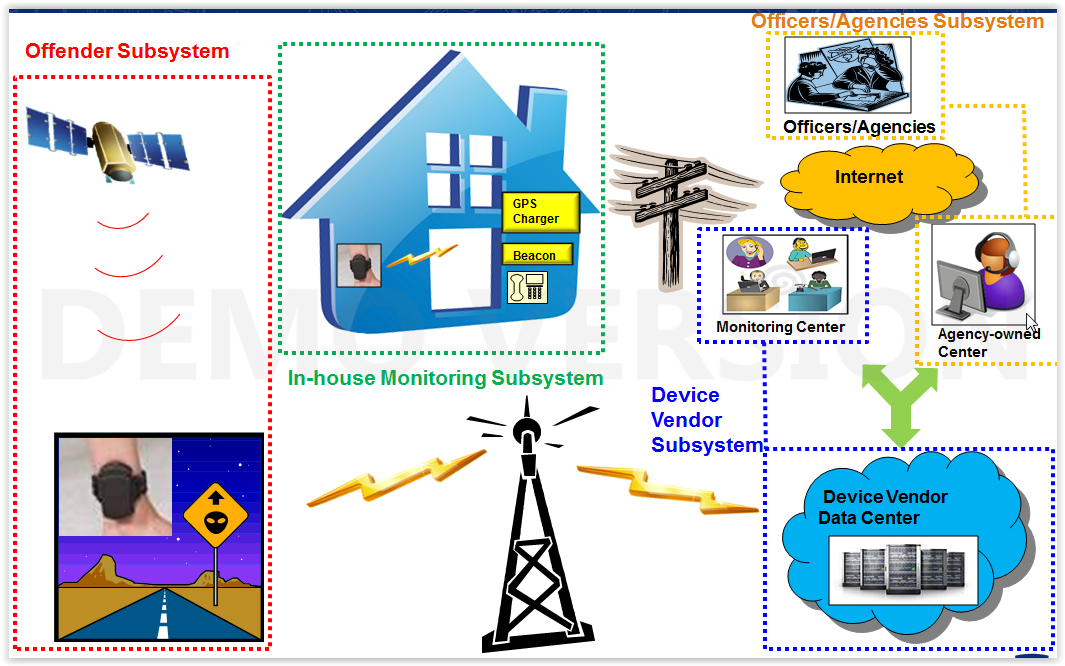
A full residential monitoring solution integrates five technology layers:
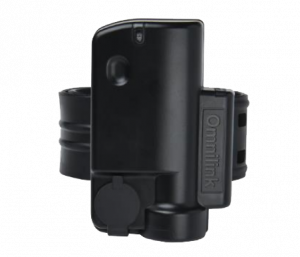
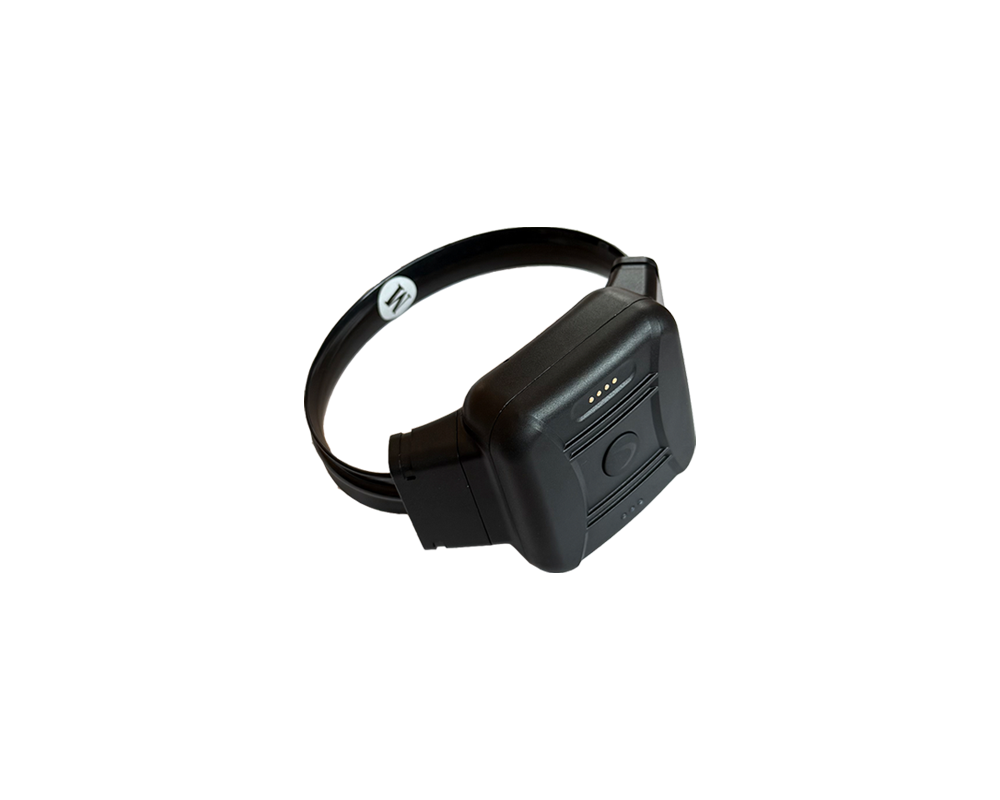
- Ankle-worn or wrist-worn device — GPS tracking with anti-tamper (one-piece or two-piece depending on risk level), or RF transmitter for curfew-only. IP68 waterproof rating for durability. Optical fiber anti-tamper for deterministic tamper detection.
- Home monitoring station — RF-based presence detection for reliable indoor verification. Enhanced antenna for multi-floor and apartment building coverage. Cellular and Wi-Fi connectivity for server communication. Internal battery for power outage continuity.
- Cloud monitoring platform — Centralized data processing, alert management, compliance reporting, schedule configuration. Web interface accessible from desktop and mobile. Role-based access for officers, managers, courts.
- Officer mobile app — Field-accessible dashboards, alert acknowledgment, schedule approval, participant lookup. Reduces dependency on office-bound workstations.
- Participant communication layer — Automated reminders (curfew approaching, charging required), schedule confirmations, optional self-service portal for schedule change requests.
Each layer can be sourced from different vendors, but integration complexity increases. Single-vendor solutions reduce integration risk but may limit flexibility. Multi-vendor architectures require API documentation and ongoing support for interoperability.
Residential Monitoring GPS Systems vs RF Systems
GPS residential monitoring provides full location tracking 24/7. Officers see where participants go during approved absences and receive alerts for exclusion zone violations. RF residential monitoring confirms home/away only — no location data when the person leaves. Hybrid systems combine both: GPS for outdoor tracking, RF home station for reliable indoor curfew verification where GPS signal degrades.
Residential monitoring cloud systems centralize data from all devices. Alerts route to the appropriate officers. Compliance reports aggregate across the program. Multi-agency access allows courts and program administrators to view appropriate data without duplicating systems.
Program Sizing Recommendations
Technology requirements vary by program scale. The following table provides general guidance — actual costs depend on vendor, region, and specific requirements:
| Program Size | Recommended Technology | Estimated Monthly Cost |
|---|---|---|
| Small (under 50 participants) | One-piece GPS + cloud platform; home station optional for hybrid | $4,500–15,000 |
| Medium (50–200 participants) | GPS + home station hybrid; cloud platform with dashboards; tiered devices by risk | $15,000–60,000 |
| Large (200–1,000 participants) | Tiered devices; dedicated program manager; API integration with case management; vendor-operated monitoring center option | $60,000–300,000 |
| State-level (1,000+ participants) | Full solution; vendor-operated monitoring center; custom integrations; multi-jurisdiction support | $300,000+ |
Small programs often start with GPS-only (no home station) to minimize upfront cost. As caseload grows and false alerts from GPS boundary drift become burdensome, adding home stations improves reliability. Medium and large programs benefit from tiered devices: high-risk gets one-piece GPS with steel strap; medium-risk gets standard GPS; low-risk gets RF or BLE wristband.
Outcome Tracking Metrics
Program-level dashboards for residential supervision should track metrics that drive administrative decisions:
- Program enrollment trends — Current participants, average monitoring duration, completion rates. Capacity planning and budget forecasting.
- Compliance metrics — Program-wide curfew compliance rate, average violations per participant per month, most common violation types. Identifies systemic issues (e.g., grace period too short) vs. individual non-compliance.
- Cost analysis — Per-participant cost per day, comparison with incarceration costs, cost trend over time. Documents program value for budget justifications.
- Outcome tracking — Successful completion rate, revocation rate, new offense rate during monitoring. Demonstrates program effectiveness to courts and legislators.
- Operational efficiency — Alert volume, false alert rate, officer time per participant. Surfaces technology or process improvements.
Residential monitoring dashboards that only show real-time location miss the administrative value. Aggregate metrics answer: Is the program working? Is it cost-effective? Where should we improve?
Residential Monitoring Cloud Systems
Cloud-based residential monitoring eliminates on-premise server infrastructure. Data flows from devices to vendor-hosted platforms; officers access via web browser or mobile app. Benefits:
- No IT maintenance — Vendor handles updates, security patches, backups
- Scalability — Add participants without procuring servers
- Disaster recovery — Cloud redundancy vs. single-site server failure
- Mobile access — Officers work from field without VPN to agency network
Verify data residency requirements. Some jurisdictions require criminal justice data to remain within state or national boundaries. Confirm vendor compliance with CJIS and applicable privacy regulations.
Related Resources
- House Arrest & Home Detention Electronic Monitoring: Technology Guide for Agencies
- CO-EYE Monitoring Software — Web Platform
- CO-EYE ONE — One-Piece GPS Ankle Monitor
- CO-EYE HouseStation — Home Monitoring RF Receiver
- CO-EYE Wristband — BLE Tether for Low-Risk Monitoring
- Community Corrections Electronic Monitoring Solutions