

Overview
Georgia authorizes electronic monitoring for pretrial release, domestic violence protection, and bail bond supervision. The state’s statutory framework under O.C.G.A. Title 17 provides courts with authority to order electronic monitoring as a condition of bail for eligible defendants. Georgia’s bail bond industry is robust, with many bond agents offering or requiring GPS monitoring for higher-risk defendants. County sheriffs and courts implement pretrial EM programs with varying structures across the state.
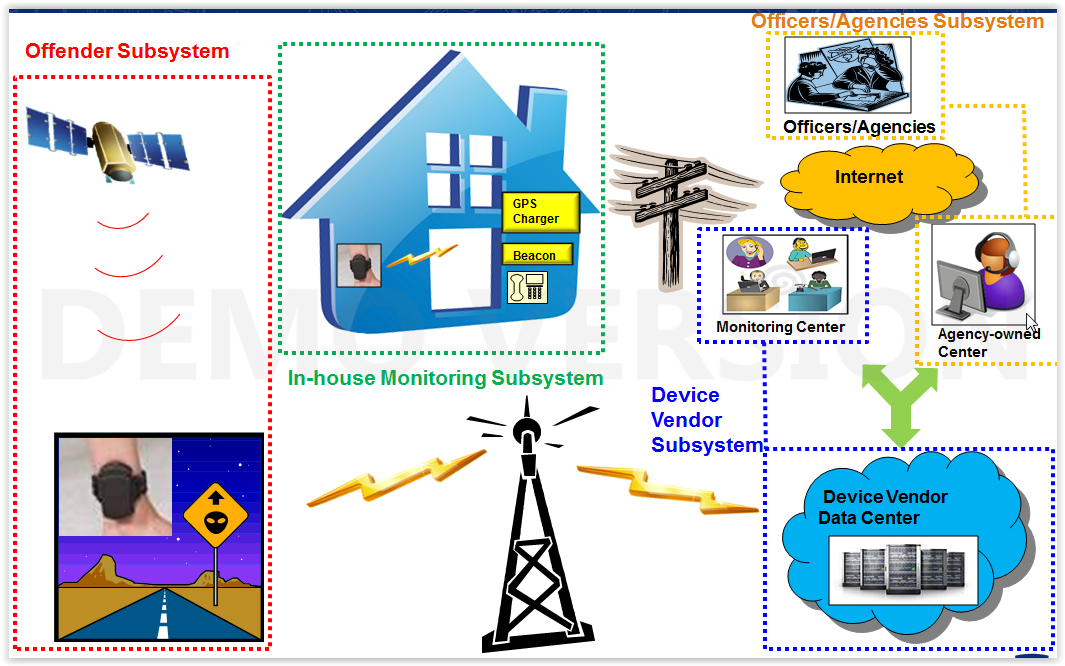
Domestic violence and family violence cases receive special attention. Georgia law requires individualized judicial review for family violence bail determinations—bail schedules do not apply. Courts may impose electronic monitoring with exclusion zones and victim notification as conditions reasonably necessary to ensure court appearance and protect safety.
Georgia’s mix of urban centers (Atlanta, Savannah, Augusta) and rural counties means equipment must perform in diverse environments. Metro Atlanta’s traffic and density create challenges similar to other major cities; rural counties need robust cellular coverage. The state’s growing film and logistics industries mean some defendants hold jobs with irregular hours or travel—flexible curfew and zone configurations support successful supervision.
Key Statutes and Laws
Georgia Code O.C.G.A. Title 17 addresses criminal procedure, including bail and pretrial release. State law authorizes courts to establish electronic pretrial release and monitoring programs as a condition of bail. A judge may authorize electronic monitoring only if they have jurisdiction to set bond and the defendant is otherwise eligible for release under the general bail provisions.
When a defendant is placed on electronic monitoring, they must comply with court-imposed conditions including periods of home confinement, no-contact orders with the victim or restrictions on entering certain premises, travel restrictions, curfews, compliance with the monitoring program provider’s requirements, and court-ordered special conditions of bond.
The court may revoke a defendant’s eligibility for electronic monitoring at any time, resulting in immediate return to custody. A defendant cannot be released to or remain in an electronic monitoring program if they have outstanding warrants or holds from other courts or agencies.
For misdemeanor bail in domestic violence cases, courts must impose only conditions reasonably necessary to ensure court appearance and protect the safety of any person or the public. Family violence offenses are excluded from bail schedules, requiring individualized judicial determination.
Program Types
Electronic Pretrial Release
Courts may authorize electronic monitoring as a condition of pretrial release for eligible defendants. Programs are administered by county sheriffs, pretrial services agencies, or private vendors under contract. Home confinement, curfews, exclusion zones, and travel restrictions are common conditions.
Domestic Violence / Family Violence
Georgia courts routinely impose GPS monitoring for defendants charged with domestic violence or family violence offenses. Exclusion zones around victims’ residences and workplaces, combined with victim notification when violations occur, are standard. Bond conditions in these cases require individualized judicial review—no bail schedule applies.
Bail Bond Monitoring
Georgia’s bail bond industry operates alongside court-ordered programs. Bond agents may require GPS monitoring as a condition of posting bond. This is a contractual arrangement; the defendant consents to monitoring in exchange for the bond. Bond agents select vendors independently. Many defendants on bond-required monitoring would otherwise face court-ordered monitoring if released through different mechanisms.
County Sheriff Programs
County sheriffs in Georgia often operate or oversee pretrial electronic monitoring. Programs vary by county—some use in-house staff, others contract with private vendors. Sheriff’s offices coordinate with courts on bond conditions and violation response. In metro Atlanta, the Fulton County Sheriff’s Office and surrounding county sheriffs run substantial pretrial EM programs. Rural counties may have smaller deployments but face the same statutory requirements for domestic violence and eligible defendants. Sheriff’s offices are typically the point of contact for court-ordered monitoring and for coordinating with bond agents when defendants transition between bond and court supervision.
Equipment Requirements
Georgia does not prescribe a single equipment standard. Agencies and vendors typically require:
- GPS with exclusion zones: Essential for domestic violence cases; configurable zones around protected locations with instant violation alerts
- Victim notification: Integration with systems that alert victims and law enforcement when a defendant enters a prohibited zone
- Tamper detection: Reliable anti-tamper for high-risk pretrial and DV defendants
- Cellular connectivity: Coverage across Georgia’s urban and rural areas
- Rapid deployment: Pretrial defendants need devices installed quickly upon release; installation should be simple for sheriff or vendor staff
Vendors under contract with sheriffs or courts must meet requirements specified in the contract. Bail bond agents have flexibility but typically select equipment with strong tamper detection and exclusion zone support.
Georgia’s bail bond industry is regulated by the Georgia Department of Insurance. Bond agents must comply with state licensing and fee regulations. While GPS monitoring fees are typically passed to defendants as a bond condition, agents should verify that fee structures align with any applicable regulatory constraints. Vendor billing flexibility—daily, weekly, or monthly—helps agents manage the unpredictable duration of pretrial bail monitoring.
Vendor Selection Considerations
Georgia’s sheriff-driven model means building relationships with sheriff’s offices is often essential for county-level contracts. Bond agents, by contrast, make independent decisions and may switch vendors based on reliability, price, or customer service. Vendors serving both markets need flexible approaches: formal RFP processes for sheriff contracts versus relationship-based sales for bond agents. Rapid device availability—same-day or next-day—matters for bail bond use cases where defendants are released on short notice.
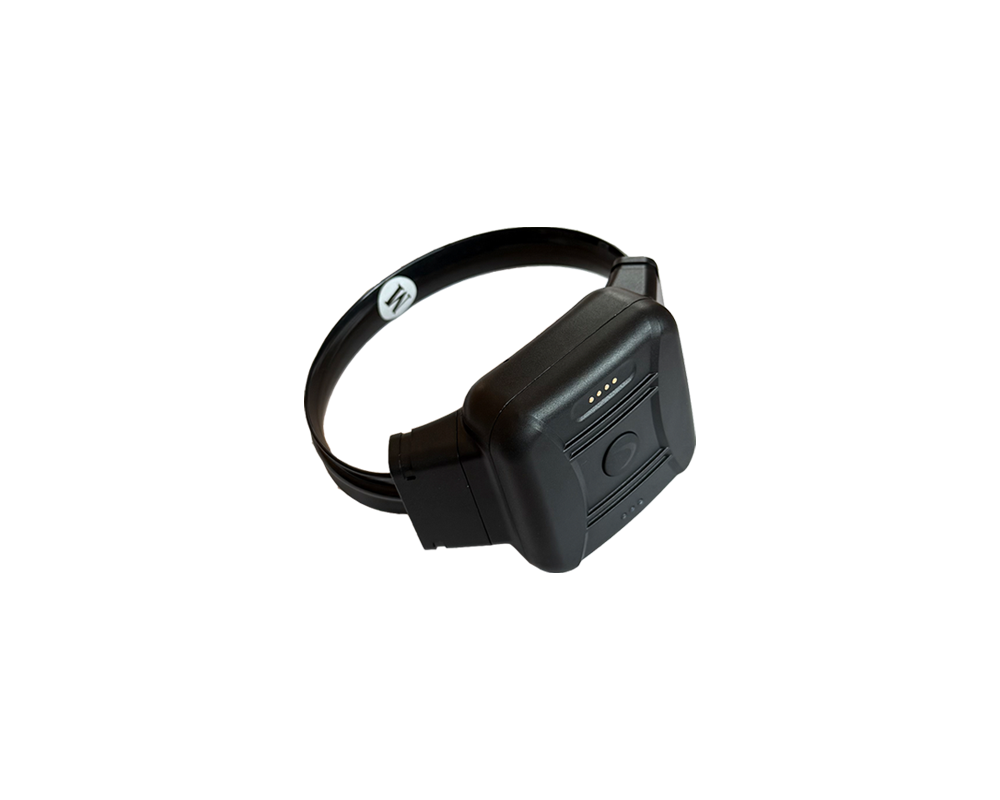
Georgia agencies evaluating GPS vendors should consider:
- County contract requirements: Sheriff’s offices and courts may have specific RFP or contract language; verify before bidding
- Domestic violence program support: Victim notification, exclusion zone management, and rapid alert delivery are critical for DV caseloads
- Bail bond market fit: For vendors serving bond agents, flexible billing, rapid installation, and mobile monitoring apps are valued
- Statewide coverage: Defendants may relocate; cellular coverage across Georgia matters
- Revocation protocol support: When courts revoke eligibility, immediate return to custody is required; vendors must support rapid device retrieval workflows
Compliance Checklist
Before deploying or expanding electronic monitoring in Georgia:
- ✓ Confirm defendant eligibility under O.C.G.A. bail provisions (no outstanding warrants or holds)
- ✓ Document court order specifying monitoring conditions (home confinement, zones, curfew)
- ✓ For DV cases, establish victim notification protocols and exclusion zone configuration
- ✓ Verify vendor meets county contract or approval requirements
- ✓ Train staff on revocation response—immediate return to custody when court revokes
- ✓ Ensure equipment supports no-contact orders and premises restrictions
- ✓ For bail bond programs, document defendant consent in bond agreement
Frequently Asked Questions
When can Georgia courts order electronic monitoring as a bail condition?
Courts may authorize electronic pretrial release and monitoring when the judge has jurisdiction to set bond and the defendant is otherwise eligible for release under Georgia bail provisions. The defendant must not have outstanding warrants or holds from other courts or agencies. Courts impose conditions such as home confinement, exclusion zones, curfews, and no-contact orders.
How does Georgia treat domestic violence in bail and monitoring?
Family violence offenses are excluded from bail schedules—each case requires individualized judicial review. Courts must impose only conditions reasonably necessary to ensure court appearance and protect safety. GPS monitoring with exclusion zones and victim notification is commonly ordered for defendants charged with domestic or family violence.
Can Georgia courts revoke electronic monitoring eligibility?
Yes. The court may revoke a defendant’s eligibility for electronic monitoring at any time, resulting in immediate return to custody. Programs and vendors must have protocols to execute revocation promptly—typically within hours of the court order.
For agencies evaluating GPS ankle monitoring equipment that meets Georgia standards, contact CO-EYE for a demo.