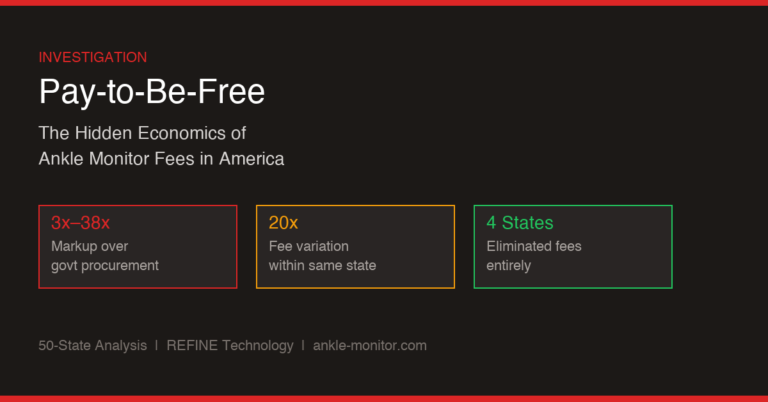
Governments buy GPS ankle monitors for $1 to $5 per day. Then they charge individuals $5 to $40 per day for the same equipment. We analyzed fee data from all 50 states and uncovered a system where the cost of “alternative to incarceration” falls almost entirely on the people being monitored — creating what advocates […]
On October 1, 2026, the United Kingdom launched what the Ministry of Justice calls “the toughest supervision in British history” — a sweeping overhaul of post-prison monitoring backed by £700 million in new funding. The centerpiece is a world-first “restriction zone” system that confines high-risk sexual and violent offenders to geographic areas as small as […]
On October 7, 2026, a San Francisco judge faced a question that distills everything wrong with today’s ankle monitor technology into a single courtroom moment: should a dead GPS ankle bracelet battery be enough to lock someone up before trial? The accused — homeless, unable to afford a replacement charger after the monitoring agency declined […]
China is rewriting the rules of criminal justice. In March 2026, the National People’s Congress approved a plan to amend the Criminal Procedure Law for the fourth time since its 1979 enactment — a revision that legal scholars inside China are calling the most consequential reform in a generation. At the center of the debate […]
When New York State Sen. Pam Helming stood beside Republican gubernatorial candidate Bruce Blakeman in Gates, N.Y. on August 17, 2026, the legislation they were pushing — the PROTECT Act (Pretrial Risk Overview for Threat Evaluation, Custody, and Treatment) — amounted to the most significant proposed overhaul of New York’s pretrial release framework since the […]
Ghana’s Parliament passed the Community Service Act, 2026 in July 2026, and the Interior Ministry simultaneously laid Parole Regulations, 2026 before the House — two pieces of legislation that together represent West Africa’s most comprehensive non-custodial sentencing reform in a generation. The laws tackle a crisis that has festered for decades: Ghana’s 43 prisons hold […]
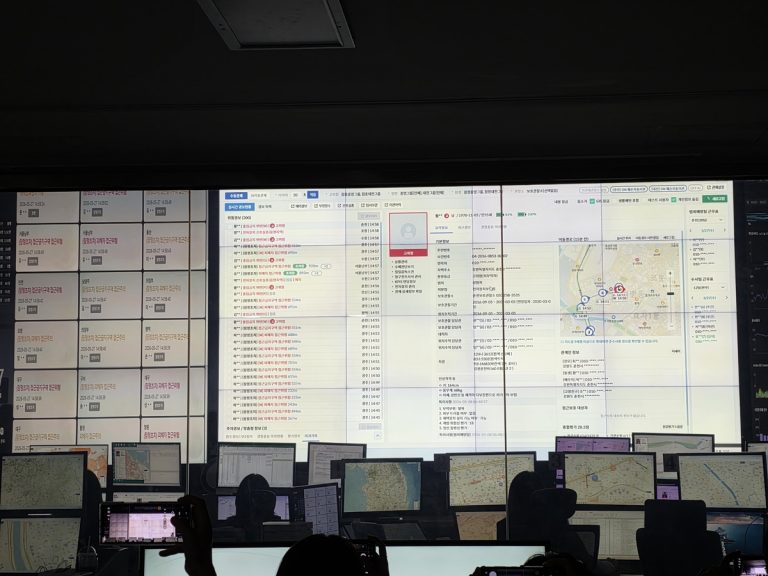
On June 24, 2026, South Korea will launch a system that no other country has attempted at national scale: giving stalking victims direct, real-time access to the GPS location of their offenders on a smartphone map. The Ministry of Justice demonstrated a working prototype on May 27 at the Central Location Tracking Control Center in […]
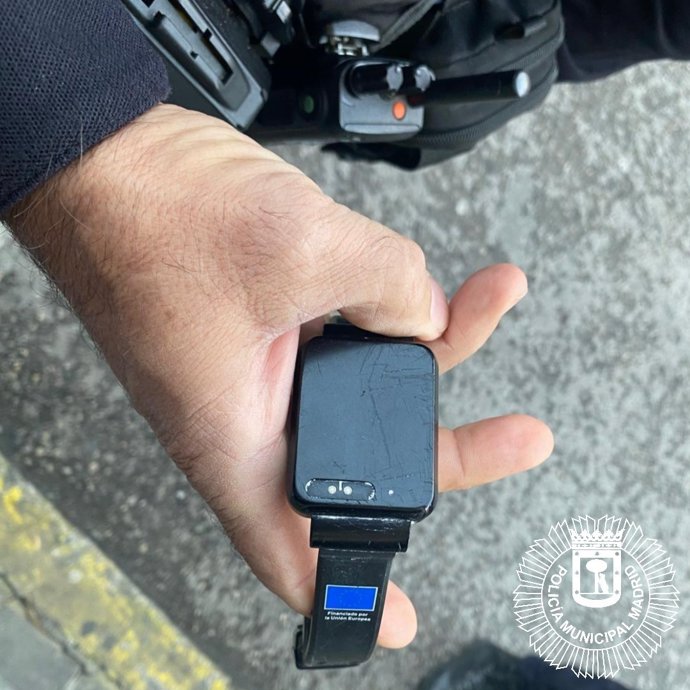
In January 2026, Spain’s Ministry of Equality made one of the most significant admissions in European electronic monitoring history (EFE, January 2026): their wrist-worn monitoring system for domestic violence offenders had failed. The ministry announced a complete replacement—switching from wristbands to ankle monitors—backed by a new €111 million contract. This decision came after 18 months […]
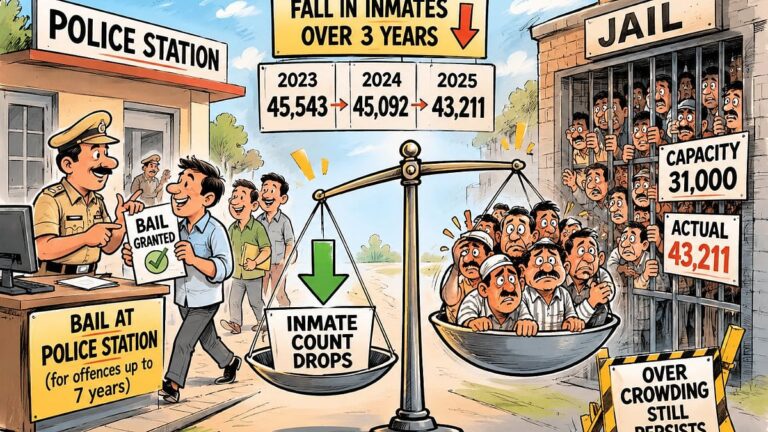
Madhya Pradesh just demonstrated what India’s Supreme Court has been arguing since its landmark Satender Kumar Antil v. CBI ruling in 2022: bail should be the rule, not the exception. Between December 2023 and December 2025, the state’s prison population dropped from 45,543 to 43,211 — a net reduction of 2,332 inmates — after India […]
On April 30, 2026, China’s National People’s Congress Standing Committee voted to adopt a comprehensive revision of the Prison Law — the first major overhaul since the original statute was enacted in 1994. Scheduled to take effect on November 1, 2026, this landmark legislation expands from 78 articles in seven chapters to 121 articles across […]