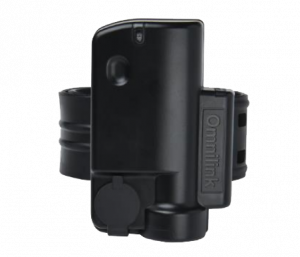

Introduction: GPS Monitoring in Probation Supervision
Probation departments across the United States and internationally rely on GPS monitoring to supervise medium- and high-risk offenders in the community. When used effectively, probation GPS tracking hardware and software improve compliance, reduce recidivism, and allow officers to prioritize cases that need the most attention. This guide covers why probation departments use GPS monitoring, key device and software requirements, implementation steps, cost considerations, and how to evaluate vendors.
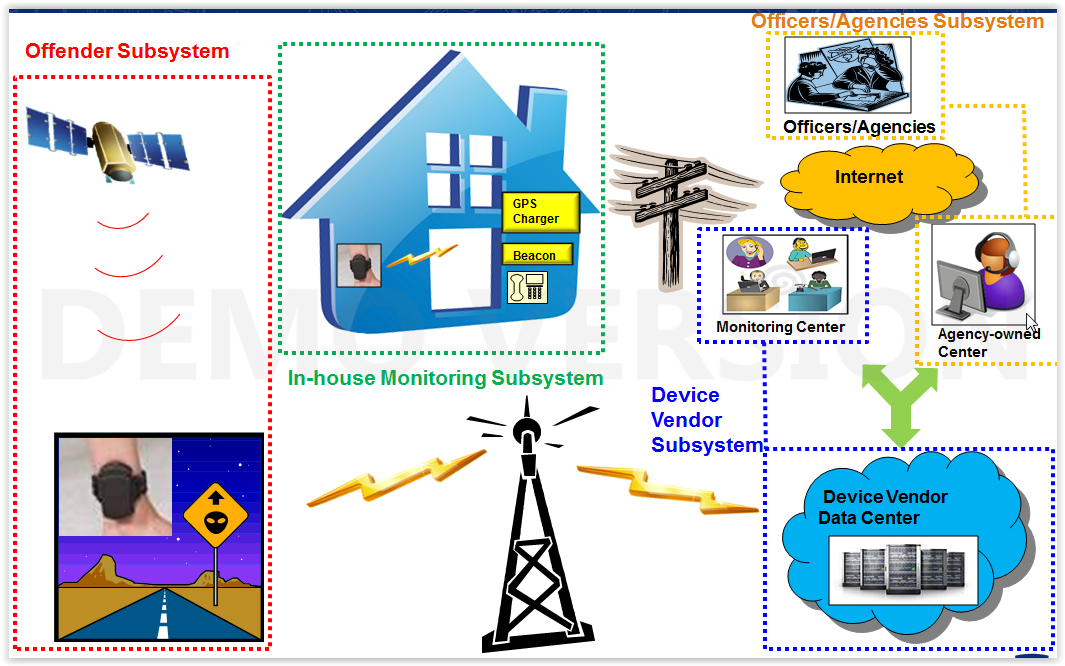
Why Probation Departments Use GPS Monitoring
Probation GPS monitoring serves several core objectives:
- Enhanced supervision: Real-time location data enables officers to verify offenders’ whereabouts without constant in-person contact.
- Condition enforcement: Geo-fences and exclusion zones can enforce court-ordered restrictions (e.g., stay away from victims, schools, or specific areas).
- Documentation: Location history supports court reporting and violation documentation.
- Risk-based caseload management: High-risk cases can be monitored more intensively while low-risk cases use lighter-touch approaches.
- Staff efficiency: Automated alerts and reporting free officers for higher-value tasks.
Key Device Features for Probation GPS Monitoring
When selecting probation offender monitoring devices, consider these features:
Positioning Technology
GPS alone may fail indoors. Look for devices that combine GPS with WiFi, cellular LBS (location-based services), and—where applicable—Bluetooth beacons for indoor positioning. Multi-constellation GNSS (GPS, BeiDou, GLONASS, Galileo) improves accuracy and availability.
Reporting Frequency
Real-time or near-real-time reporting (e.g., every 5–15 minutes) supports effective supervision. Configurable intervals allow agencies to balance supervision intensity with battery life and data costs.
Anti-Tamper Detection
Probation ankle monitors must detect strap cutting, stretching, or obstruction. Optical fiber anti-tamper provides deterministic detection with lower false alarm rates than heart-rate or capacitive sensors. Tamper events should generate immediate alerts.
Battery Life
Standalone GPS mode battery life affects charging logistics. Devices with 7-day battery (e.g., at 5-minute reporting intervals) reduce officer workload. Longer battery life or BLE-connected modes (e.g., up to 6 months) suit lower-risk or hybrid programs.
Installation Speed
Snap-on designs that install in under 3 seconds, without tools, improve booking efficiency. Probation offices with high volume benefit significantly from quick-install devices.
Size and Weight
Lighter, more compact devices improve wearer compliance and reduce stigma. One-piece GPS units at ~108g offer a good balance of capability and wearability.
Waterproofing
IP68 or equivalent waterproofing ensures devices survive showers, rain, and accidental submersion—common in community supervision.
Probation Monitoring Software Requirements
Probation GPS monitoring software should provide:
- Web-based access: Officers and supervisors can log in from any location with appropriate permissions.
- Real-time map view: Current locations of all monitored offenders on a map.
- Alerts: Tamper, low battery, zone violation, curfew breach, and connectivity loss.
- Historical trails: Location history for compliance verification and investigations.
- Zone management: Inclusion zones (e.g., approved areas), exclusion zones (e.g., victim residences), and curfew schedules.
- Reporting: Compliance reports, violation summaries, and data export for court.
- Role-based access: Officers, supervisors, and administrators with appropriate permissions.
Implementation Steps for Probation GPS Programs
Launching a probation ankle monitor program typically follows these phases:
Phase 1: Planning and Policy
- Define eligibility criteria (risk level, offense type, court order).
- Establish policies for violations, escalation, and program exit.
- Identify funding sources (grant, budget, cost recovery from offenders).
- Form a cross-functional team (probation, IT, legal, courts).
Phase 2: Vendor Selection
- Issue an RFP or RFQ with clear technical and operational requirements.
- Evaluate device specs, software capabilities, support, and total cost of ownership.
- Conduct pilot or demo with a small cohort before full rollout.
Phase 3: Infrastructure and Training
- Ensure adequate internet, devices, and secure access for staff.
- Train officers on device installation, software use, and alert response.
- Document procedures and escalation paths.
Phase 4: Rollout
- Start with a limited number of offenders and officers.
- Monitor for technical issues, false alerts, and workflow gaps.
- Scale up gradually as processes stabilize.
Phase 5: Ongoing Optimization
- Review alert rates, violation outcomes, and cost per offender.
- Adjust zone configurations, reporting intervals, and policies as needed.
Cost Considerations for Probation GPS Programs
Total cost of ownership includes:
- Hardware: Per-unit purchase or lease costs.
- Cellular/data: Monthly connectivity fees per device.
- Software: Platform licensing or subscription.
- Staff time: Installation, monitoring, alert response, and reporting.
- Training: Initial and ongoing training.
- Replacement and repair: Lost, damaged, or worn-out devices.
Cost recovery from offenders (where permitted) can offset a portion of expenses. Agencies should model costs over 3–5 years and compare vendors on total cost per offender per day.
Vendor Evaluation Criteria
When choosing a probation GPS monitoring vendor, assess:
- Technology: Device capabilities, software usability, integration options.
- Reliability: Uptime, false alert rates, device durability.
- Support: Training, help desk, field support, replacement turnaround.
- Compliance: Data security, privacy, auditability.
- Scalability: Ability to grow with your caseload.
- References: Similar agencies with comparable programs.
Device Examples for Probation Programs
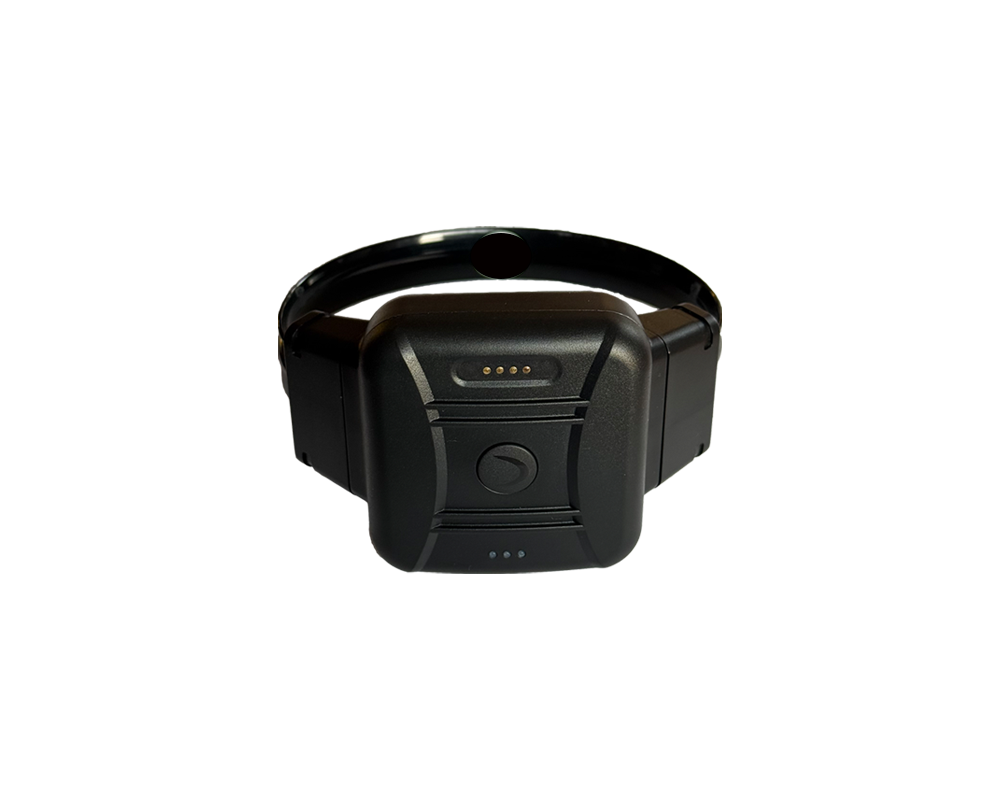
One-piece GPS ankle monitors simplify probation programs by combining tracking, cellular, and anti-tamper in a single unit. The CO-EYE ONE, for example, offers 108g weight, fiber-optic anti-tamper, 7-day standalone battery at 5-minute reporting, and under-3-second snap-on installation. Such devices reduce the complexity of two-piece systems while providing the accuracy and reliability probation departments need.
Addressing Common Probation Program Challenges
False Alarms and Alert Fatigue
High false alert rates undermine program effectiveness and burn out staff. Optical fiber anti-tamper reduces false tampers compared to heart-rate or capacitive sensing. Configurable grace periods for zone transitions and connectivity loss filters also help. Evaluate vendors on reported false alert rates and pilot before full deployment.
Offender Compliance with Wearability
Heavy or bulky devices increase complaints and non-compliance. Lightweight one-piece units (e.g., 108g) improve wearer acceptance. Waterproofing (IP68) ensures devices survive daily activities. Quick charging and long battery life reduce disruption to offenders’ routines.
Rural and Low-Connectivity Areas
Cellular coverage varies. LTE-M and NB-IoT often provide better building penetration and rural coverage than standard LTE. Verify that your vendor’s devices support networks available in your jurisdiction. Redundant connectivity (e.g., WiFi backup) can improve reliability.
Conclusion
Probation GPS monitoring systems—hardware and software—are essential tools for supervising offenders in the community. Success depends on clear policy, appropriate technology selection, thorough training, and ongoing optimization. Departments evaluating probation ankle monitor programs should prioritize device reliability, software usability, and total cost of ownership while aligning technology choices with risk levels and court requirements.