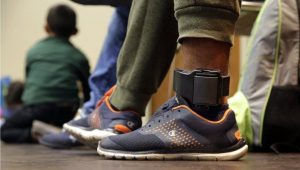
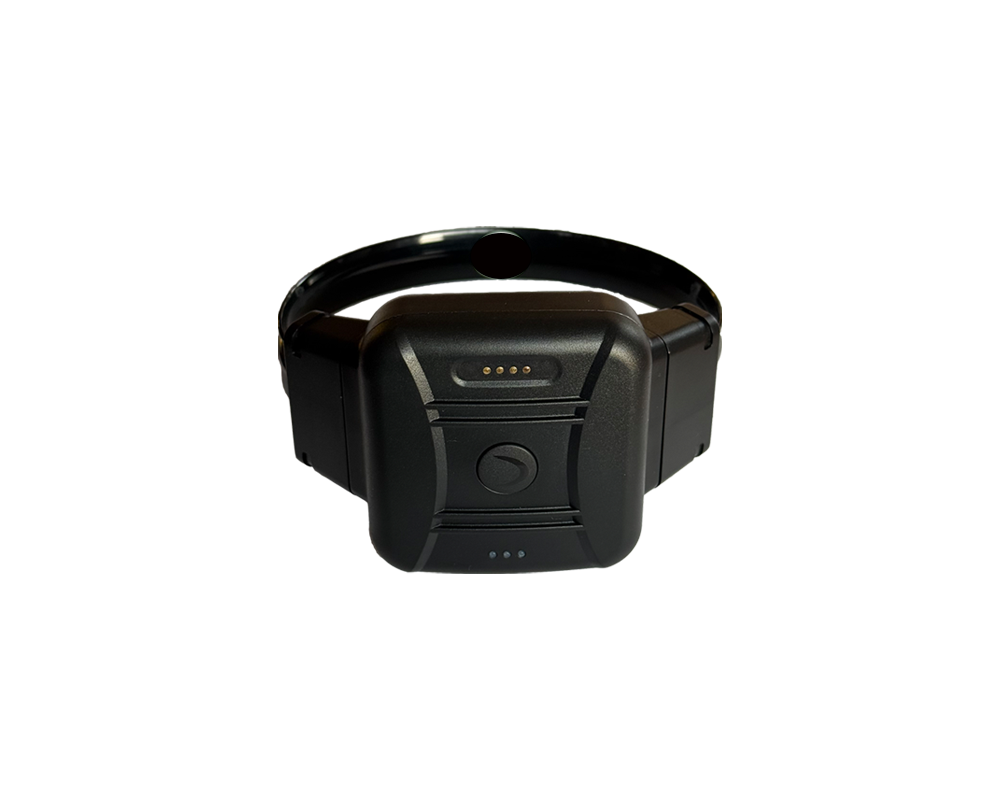
Supervision agencies comparing a SCRAM ankle monitor to alternative GPS hardware are usually asking two different questions at once: Do we need alcohol chemistry on the body? and How much location accountability can we sustain without drowning in charging and false tamper noise? This guide answers both fairly. SCRAM’s portfolio—including the famous SCRAM bracelet used for transdermal alcohol monitoring—deserves respect for what it does well. CO-EYE ONE is a different instrument: a one-piece GPS ankle monitor optimized for multi-day endurance, multi-constellation GNSS, and fiber-optic tamper certainty. Use the sections below to map each SCRAM device category to your court orders, then validate every figure on the latest manufacturer datasheet and your own pilot.
For deeper buyer frameworks, see our GPS ankle monitor buyer’s guide for agencies; for alcohol-specific vocabulary and program mechanics, read alcohol ankle monitor: how it works, types, and cost; for GPS bracelet technology and brands, see GPS ankle bracelet complete guide. Product specifications for CO-EYE ONE appear on CO-EYE ONE.
What Is a SCRAM Device?
SCRAM stands for Secure Continuous Remote Alcohol Monitoring in the brand vocabulary most courts recognize. In everyday language, people say SCRAM device when they mean anything from a transdermal alcohol bracelet to GPS-capable hardware from the same vendor family. Precision matters for procurement: the alcohol-centric wearable is not interchangeable with a location-first architecture unless your contract explicitly bundles both.
SCRAM CAM (Continuous Alcohol Monitoring) is the flagship transdermal product family. It samples insensible perspiration at the skin surface to build time-based evidence curves that vendor analysts and agency staff interpret against policy thresholds. That modality is why SCRAM remains the most widely referenced alcohol monitor in US community corrections conversations—judges, prosecutors, and treatment courts already understand the workflow.
SCRAM GPS addresses a different mission: community location supervision with cellular backhaul, geofence logic, and software integrations familiar to monitoring centers that standardized on SCRAM dashboards. Public materials commonly describe the GPS module at roughly six ounces (about one hundred seventy grams) and cite battery endurance on the order of roughly forty to forty-eight hours between charges under active GPS reporting assumptions—always confirm the exact interval and carrier profile against your SKU.
SCRAM ONE represents combined program design: GPS accountability paired with alcohol monitoring in integrated service narratives. Whether hardware is literally one enclosure or coordinated devices under one vendor umbrella depends on generation and contract; buyers should insist on written architecture diagrams before they score an RFP.
Corporate lineage note for due diligence: SCRAM products trace through Alcohol Monitoring Systems (AMS) and Attenti, now part of SuperCom. That history matters for contract continuity, support escalation paths, and IT security questionnaires—not because any single parent name changes the physics of transdermal sensing.
What Is the CO-EYE ONE GPS Ankle Monitor?
CO-EYE ONE is REFINE Technologies’ one-piece GPS ankle monitor built for pretrial, probation, parole, and house-arrest style programs that prioritize continuous location accountability, rapid installation, and long battery life. It is not marketed as a transdermal alcohol chemistry device; instead, it competes head-to-head with GPS-class offerings from SCRAM on GNSS performance, operational noise, and total cost of ownership.
Manufacturer specifications highlight: one hundred eight grams mass, sixty by fifty-eight by twenty-four millimeters housing, seventeen hundred mAh battery, and up to seven days standalone operation at a five-minute reporting interval on LTE-M/NB-IoT. Cellular coverage is described as 5G-compatible LTE-M / NB-IoT / GSM for global IoT-style deployments. GNSS combines GPS, BeiDou, GLONASS, and Galileo with WiFi and LBS assistance, targeting under two-meter CEP accuracy under favorable sky conditions.
Tamper detection uses fiber optic continuity on both strap and case; REFINE documents this path as zero false-positive for genuine structural breaks—distinct from probabilistic strap sensors that can misread environmental stress. Ingress protection is IP68. Installation is advertised under three seconds with a tool-free snap design. REFINE also cites more than two hundred thousand devices deployed across more than thirty countries as fleet-scale context.
When readers compare brands, the honest framing is modality alignment: CO-EYE ONE excels where GPS integrity, officer workload reduction, and charging logistics dominate the scorecard. SCRAM CAM excels where alcohol abstinence evidence dominates. Many serious cases need both stories—just not always from the same sensor physics inside one band.
Technical and integration details for integrators appear on CO-EYE ONE and in our agency buyer’s guide.
SCRAM vs CO-EYE ONE: Feature Comparison Table
Treat this matrix as a discussion guide for vendor calls and pilot charters—not a substitute for written certifications, carrier approvals, or county counsel review.
| Attribute | SCRAM GPS-class ankle monitor (typical public specs) | CO-EYE ONE (manufacturer specs) |
|---|---|---|
| Primary mission | GPS location supervision + SCRAM ecosystem integrations | GPS/GNSS location supervision + global IoT cellular stack |
| Weight | ~6 oz (~170 g); confirm current datasheet | 108 g (60×58×24 mm) |
| Battery (standalone) | ~40–48 hr active GPS typical in collateral; confirm reporting interval | Up to 7 days at 5 min LTE-M/NB-IoT interval; 1700 mAh; ~2.5 h charge |
| GPS / positioning | GPS-centric tracking with cellular assistance (verify GNSS details per SKU) | GPS + BeiDou + GLONASS + Galileo + WiFi + LBS; <2 m CEP stated |
| Tamper detection | Strap/housing sensing (optical/IR-class approaches described in vendor materials) | Fiber optic strap + case; zero false-positive stated for true breaks |
| Connectivity | Cellular LTE offerings aligned to North American supervision markets | LTE-M / NB-IoT / GSM (5G-compatible module positioning) |
| Waterproofing | Water-resistant / durable claims per product sheet | IP68 |
| Install time | Tool-free workflows; marketing often cites short installs—confirm training videos | <3 seconds snap-on, no tools |
| Alcohol monitoring | SCRAM CAM is the alcohol flagship; GPS SKUs are not a chemistry substitute | Not a transdermal alcohol device—pair with alcohol modality if required |
Two rows drive most county staff meetings. First, endurance: moving from roughly two-day to seven-day cycles changes how you write participant handbooks and how often low-battery alarms hit your watch floor. Second, mass: lighter hardware can reduce strap abrasion complaints and may shrink spare-inventory shipping costs over years of turnover.
GPS Technology Comparison
CO-EYE ONE openly advertises a dense positioning stack: GPS, BeiDou, GLONASS, Galileo plus WiFi and LBS assistance. The engineering goal is faster time-to-fix and more robust breadcrumbs when sky view is partial—urban canyons, tree cover, and shallow indoor fades—without pretending GNSS works through reinforced concrete miracles.
SCRAM GPS products, in public positioning narratives, are typically described as GPS-led location tracking with cellular-assisted reporting suited to US supervision workflows. Some collateral references assisted GPS enhancements; buyers should map the exact GNSS constellations enabled on the SKU they intend to purchase. The practical comparison is not a slogan war—it is side-by-side logging on your courthouse steps, your busiest retail corridor, and representative suburban driveways.
Why multi-constellation visibility matters: when one constellation is degraded by local interference, others may still yield usable pseudoranges. Assistance from WiFi or LBS can stabilize location narratives when pure satellite geometry is weak, though assisted modes require transparent disclosure in evidentiary exports so defense counsel can understand methodology.
Agencies should also align vendor claims with internal standards vocabulary such as NIJ discussions of offender tracking performance—consistent test language reduces courtroom confusion when maps are challenged. If your program already runs SCRAM analytics, ask whether alternative hardware can ingest the same geofence ontology or whether migration implies map template rework.
Battery Life Comparison
Battery specifications are the quiet driver of justice equity. When a SCRAM GPS module expects recharge every day or two under active tracking, compliant participants with unstable housing or graveyard shifts can accumulate technical violations that look like risk but reflect charger access. That does not make short-endurance hardware “bad”—it means policies must honestly fund charging support, spare cables, and help-desk hours.
Industry-quoted forty to forty-eight hour GPS endurance for SCRAM-class modules implies a near-daily charging ritual for many caseloads unless reporting intervals are throttled. Throttling may save power but also lowers forensic granularity—prosecutors and victims’ advocates sometimes push back when maps thin out around sensitive time windows.
CO-EYE ONE counters with seven-day standalone endurance at five-minute LTE-M/NB-IoT reporting in manufacturer materials. The operational translation is fewer low-battery hits, less weekend dispatcher noise, and fewer ambiguous “failure to report” storylines for compliant wearers. Officer time is not free: ten extra battery touches per participant per month can consume an FTE across a midsize caseload.
Fair testing protocol: run both devices at the same mandated reporting cadence where firmware allows, log voltage curves, and document temperature bands. Cold weather and poor cellular margins change results more than marketing PDFs admit.
Tamper Detection: Fiber Optic vs Optical / Infrared Strap Sensing
Tamper alerts are high-stakes. A true positive can precede flight or victim contact; a false positive can send armed encounters to compliant homes. SCRAM’s GPS and alcohol lines describe strap and housing integrity monitoring; public materials often characterize optical or infrared-referenced strap intelligence alongside firmware-class tamper codes. Buyers should request the full tamper dictionary, example timelines, and de-escalation workflows before they trust marketing adjectives.
CO-EYE ONE uses fiber optic continuity through strap and case. When the optical path is severed by cutting or forced removal, the event is treated as a structural integrity break. REFINE states zero false-positive outcomes for genuine physical breaks—a strong claim that must still be validated in your climate, strap batch, and participant ergonomics.
Neither philosophy removes the need for human triage. Even low-noise sensors require escalation policies that distinguish malicious tamper from medical removal, equipment swap, or vendor RMA. The win is reducing ambiguous strap events that waste mileage and erode judicial confidence.
Alcohol Monitoring Capabilities
This is the section where SCRAM portfolios shine—and where a pure GPS ankle monitor must humbly stay in its lane. SCRAM CAM remains the reference implementation many Americans picture when they say SCRAM bracelet: transdermal alcohol sensing with vendor analytics trained on abstinence supervision. Courts like the continuity story: drinking episodes can leave traces in time-series data that breath tests might miss if nobody schedules a blow at the right minute.
CO-EYE ONE does not perform transdermal alcohol chemistry. It will not replace a SCRAM alcohol monitor when the central court question is sobriety proof through skin-surface sampling. What CO-EYE ONE does provide is rigorous location enforcement—curfews, inclusion zones, victim stay-away buffers, and tamper-evident hardware—often ordered alongside DUI/DWI conditions even when alcohol testing is separate.
Program designers therefore should think in layers: alcohol modality answers “did drinking exposure occur on this timeline?” GPS answers “where was the participant relative to court geometry?” A SCRAM GPS unit answers the second question within the SCRAM stack; CO-EYE ONE answers it with the endurance and GNSS breadth detailed earlier. For participants and families confused by vocabulary, our alcohol ankle monitor explainer walks through types and costs without conflating sensors.
Use Case Comparison: When to Choose Which
Choose SCRAM CAM (transdermal) when the court order centers on alcohol abstinence monitoring, treatment court compliance, or DUI/DWI conditions where continuous skin-surface sampling is the approved evidence path. Defense and prosecution familiarity with SCRAM review workflows is a legitimate operational asset—even when another GPS unit could theoretically log coordinates.
Choose SCRAM GPS hardware when your monitoring center already runs SCRAM analytics, training curricula assume SCRAM exports, and your risk model tolerates the shorter GPS battery cycle documented in public collateral. Ecosystem fit can outweigh raw spec deltas when migration would retrain hundreds of officers mid-budget cycle.
Choose CO-EYE ONE when GPS endurance, lighter mass, sub-three-second installs, multi-constellation GNSS with WiFi/LBS assistance, IP68 durability, and fiber-optic tamper certainty top your weighted scorecard—especially for pretrial and high-volume probation caseloads where charging logistics drive technical violations.
Combine modalities when orders demand both abstinence chemistry and location control. That may mean a transdermal alcohol SCRAM bracelet for abstinence proof plus CO-EYE ONE for GPS, or vendor-specific bundles—your RFP should forbid accidental gaps where neither sensor actually covers a written condition. Map every bullet in the court order to a sensor row in the architecture table.
Broader technology context appears in our GPS ankle bracelet guide and the buyer’s guide for agencies.
Cost Comparison
Hardware list price is only the entry fee. Total cost of ownership folds in daily monitoring fees, analyst review seats, field verification mileage triggered by noisy alerts, spare chargers and straps, RMA shipping, training refreshers, and opportunity cost when supervisors chase benign battery events instead of high-risk cases.
For SCRAM alcohol monitor programs, industry chatter often lands near ten to fifteen dollars per day per participant for transdermal services—your mileage varies with county population, vendor competition, and whether courts bundle review analytics. SCRAM GPS daily fees similarly fluctuate with contract tier and volume; ask for fully loaded line items, not teaser rates.
CO-EYE ONE pricing is quote-driven by region, fleet size, and integration scope. The procurement argument is operational: if longer battery life removes dozens of supervisor touches monthly, labor savings can exceed marginal hardware differences within a single fiscal year. Model those scenarios explicitly in spreadsheets your finance office can defend.
Also budget transition costs: map template migration, data retention policies, participant education reprints, and prosecutor training when exports look different—even when accuracy improves.
Which Should Your Agency Choose?
Start from the court order, not the brand slide deck. If alcohol chemistry is mandatory, a SCRAM device in the CAM family (or another certified transdermal vendor) belongs in the architecture. If GPS location is mandatory, compare SCRAM GPS modules with CO-EYE ONE on endurance, GNSS stack, tamper philosophy, waterproofing, install speed, and monitoring software fit.
When orders require both, design explicit pairing: who owns alcohol alerts, who owns geofence alerts, and how dashboards deduplicate participant identities. Silence here creates midnight confusion when two vendors text the same officer.
Pilot discipline beats showroom demos. Pick representative participants across urban and rural addresses, document RF walk routes, log tamper drills, and compare evidentiary exports side by side. Weight the scorecard columns your judiciary actually enforces—some counties care about FirstNet narratives; others care about global roaming; nearly all care about defensible maps.
Continue technical review on CO-EYE ONE and procurement framing in the GPS ankle monitor buyer’s guide. For alcohol program education, share our 2026 alcohol monitor article with participants and counsel.
Frequently Asked Questions
What is a SCRAM device?
A SCRAM device is most often a SCRAM Systems wearable or accessory associated with continuous alcohol monitoring (SCRAM CAM) or GPS supervision (SCRAM GPS), sometimes integrated under offerings such as SCRAM ONE. The acronym reflects Secure Continuous Remote Alcohol Monitoring in brand usage. Always read your order to see whether it specifies alcohol sensing, GPS tracking, or both.
How much does SCRAM cost?
County contracts vary. Transdermal alcohol monitoring is frequently discussed in roughly ten-to-fifteen dollar per day bands before volume discounts, while GPS supervision may price similarly or lower depending on service tier. Request itemized quotes that separate hardware lease, daily monitoring, analyst review, and field service.
Can SCRAM detect drugs?
No—standard SCRAM CAM transdermal bracelets target alcohol, not illicit drugs. Drug conditions usually require separate testing modalities spelled out by the court.
Is CO-EYE better than SCRAM?
CO-EYE ONE is stronger on multi-day GPS endurance, multi-constellation GNSS with WiFi/LBS assistance, IP68 sealing, snap install speed, and fiber-optic tamper signaling for true breaks. SCRAM remains stronger when transdermal alcohol monitoring is the mission-critical sensor. Many agencies use both classes of tool together.
Is every SCRAM bracelet a GPS ankle monitor?
No. The famous SCRAM bracelet for alcohol is not automatically a full GPS engine. If your order demands maps and geofences, confirm you have a GPS-capable SKU or a paired GPS device.
Does CO-EYE ONE replace a SCRAM alcohol monitor?
No. CO-EYE ONE does not provide transdermal alcohol testing. Keep your alcohol modality when the court requires abstinence chemistry proof.
How should we document a fair pilot?
Publish criteria before hardware arrives: sample size, duration, reporting intervals, tamper test cases, RF routes, and success metrics for battery, fix rate, and alert precision. Share results with prosecutors and defenders to avoid post-hoc suspicion.