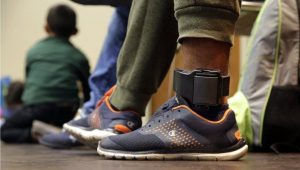

Ankle monitor rules look simple on TV—stay home, beep when you leave—but real court orders blend constitutional conditions, risk tiers, and technology limits. If you are researching ankle monitor rules and restrictions for yourself, a family member, or a client, treat the written order plus program handbook as authoritative. This 2026 guide explains common themes, contrasts GPS with RF expectations, and flags myths.
For technology context, read GPS vs RF ankle monitor comparison; for supervision length and workflow, see parole ankle monitor programs.
Core ankle monitor restrictions most orders share
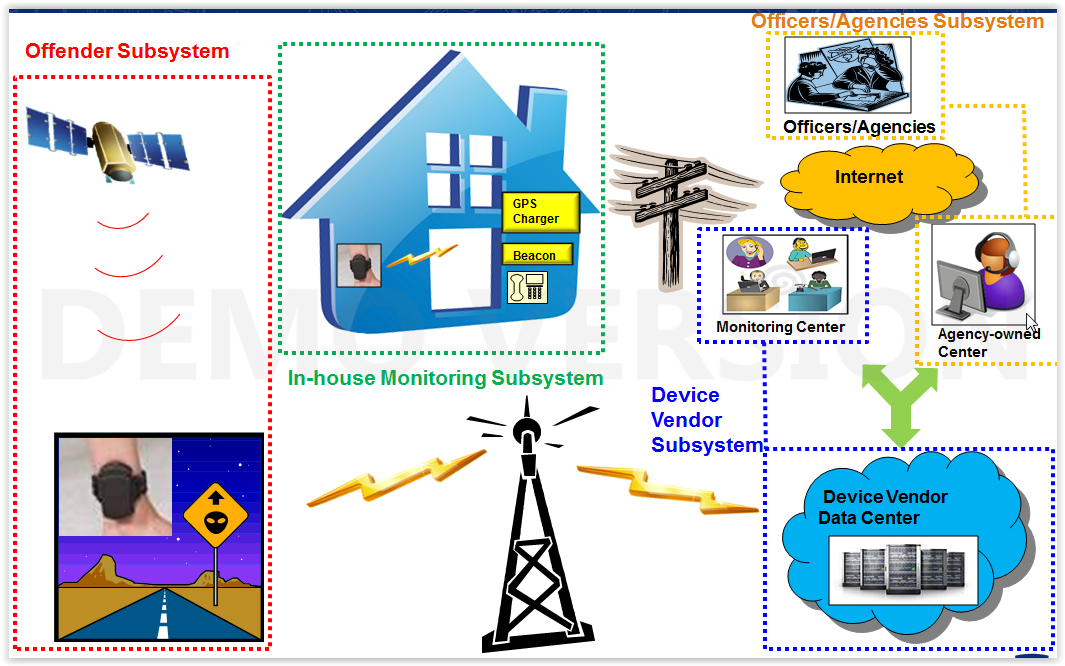
- Charging: keep battery within mandated thresholds; dead devices generate priority alerts.
- Geography: honor exclusion zones (victims, schools, bars where ordered) and inclusion zones (home during curfew).
- Curfew: be inside defined windows unless pre-approved movement applies.
- Tamper integrity: do not cut straps, pry housings, or wrap devices to defeat sensors.
- Truthful reporting: promptly disclose schedule changes, employment addresses, and travel requests per officer direction.
GPS ankle monitor rules vs RF house arrest rules
GPS supervision focuses on continuous outdoor location tracks; officers may review maps for patterns, loitering, or zone breaches even when you are technically “at home.” RF systems historically verify presence near a base station during curfew hours—roaming validation is not their native strength. If your order assumes one modality but you wear another, clarify with supervision—mixed language in orders creates expensive misunderstandings.
Water, sweat, and wear: what programs usually allow
Manufacturers increasingly specify shower-safe professional wear when devices meet ingress protection benchmarks (IP68 is common in industry datasheets). Programs may still issue conservative care instructions—follow them even if marketing language sounds more permissive.
Ankle monitor violations: technical vs intentional
Monitoring centers distinguish signal loss from strap tamper when sensor design allows, but urban canyons, dense buildings, and travel dead zones can mimic non-compliance. Best practice: proactive communication before predictable conflicts (medical imaging, international travel restrictions, prolonged power outages). Courts respond better to documented notice than to after-the-fact explanations.
State-by-state differences in ankle bracelet rules
States diverge on who pays fees, how quickly violations reach judges, whether GPS is mandated for certain offenses, and how DV protective orders integrate victim notification. Multi-state practitioners should avoid copying conditions from a template drafted for another jurisdiction.
Common myths about ankle monitor restrictions
- Myth: officers watch 24/7 video inside your home. Location EM does not replace constitutional search rules; your order lists actual conditions.
- Myth: airplane mode is fine for flights without telling anyone. Always obtain travel approval and vendor guidance before RF/GPS behavior changes.
- Myth: wrapping the strap stops pain legally. Interfering with sensors can trigger tamper algorithms—ask for a refit or medical review through channels.
Where equipment design intersects with rule compliance
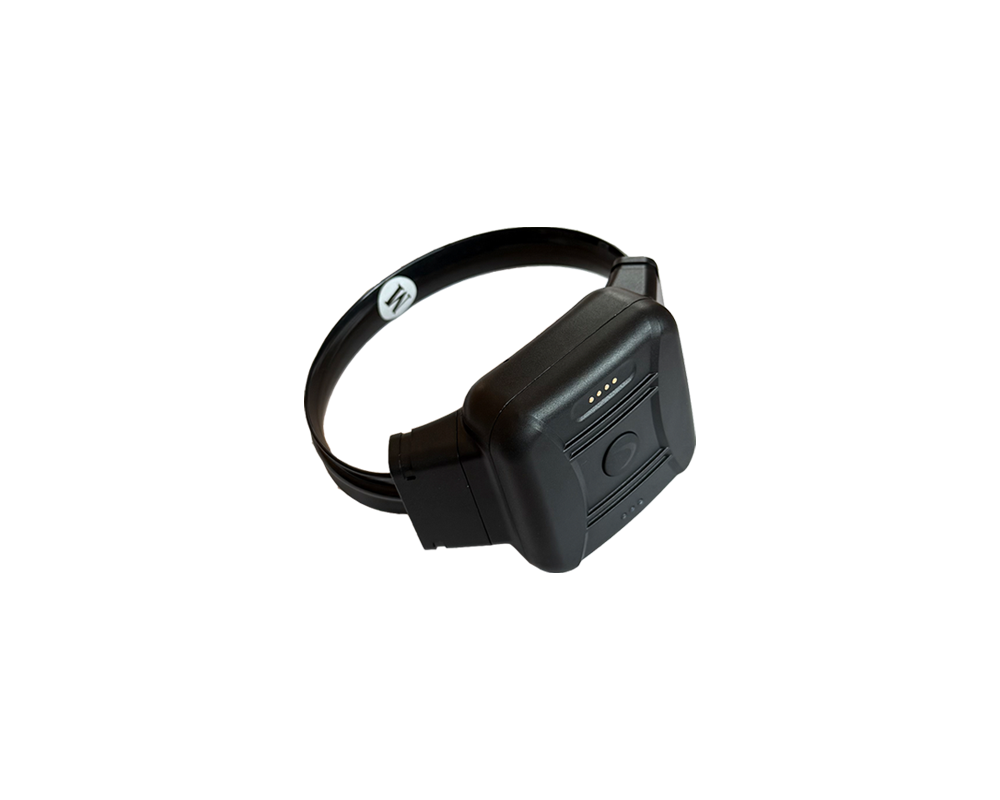
Programs that issue devices with short battery cycles effectively create a hidden rule: charge nightly or fail. Longer-interval reporting and efficient cellular IoT profiles can reduce charging friction—one reason agencies evaluate battery life as a policy variable, not only a spec sheet footnote. REFINE’s CO-EYE ONE advertises up to about seven days of standalone operation at a five-minute reporting interval on LTE-M/NB-IoT-class profiles, aiming to lower charging-gap violations caused by logistics rather than intent.
Agencies evaluating hardware should contact sales for integration-specific guidance—there is no one-size-fits-all rule set for equipment.
Quick compliance checklist
- Read the order’s technology section (GPS vs RF vs hybrid).
- Program charger reminders aligned to your work schedule.
- Pre-clear travel, employment changes, and residence moves.
- Log device errors through the vendor help line and copy your officer.
- Keep counsel informed before hearings if violations are alleged.
Work, school, and travel: practical ankle bracelet rules scenarios
Employment is where abstract rules meet concrete geography. If your job site sits near a court-ordered exclusion zone—even by a block—GPS logic may still flag proximity. Fix the map before the shift, with documentation. School attendance for permitted individuals similarly requires pre-mapping routes and after-school activities; coaches and employers are not parties to the order but can accidentally schedule events in excluded areas.
Travel across county or state lines may require written approval, vendor roaming configuration, and charging plans for long drives. Air travel triggers TSA coordination and power-down policies that differ by vendor—never improvise.
Charging etiquette that keeps you off the violation report
Many programs expect a nightly full charge or a minimum battery threshold by a set time. Shift workers should negotiate charging windows with officers in advance. If your housing is unstable, ask about supervised charging locations or portable battery options where policy allows—silence is not a defense to a dead device.
Roommates, children, and device integrity
Curious children or partners should not handle the strap. Some tamper algorithms flag rapid temperature changes or strap tension that innocent contact causes. Educate household members to avoid bumping the device and to call the officer if an accident happens.
Substance testing overlap
Location monitoring often coexists with drug testing conditions. A missed test can be treated as seriously as a geofence breach even when the ankle unit technically reports “compliant.” Read the full order, not only the technology attachment.
Electronic ankle monitor rules in specialty courts
Veterans courts, mental health dockets, and DUI tracks sometimes layer treatment attendance verification on top of GPS. Failure modes include missing treatment despite perfect location data—another reason holistic compliance beats tunnel vision on the map.
Evidence and privacy: what participants should know at a high level
Location histories may be discoverable in criminal and some civil proceedings. That does not mean arbitrary public release—courts manage access—but it does mean the device produces sensitive data. If you believe data is inaccurate, request exports through counsel rather than attempting to “clear” history by tampering.
When to escalate to counsel immediately
- Repeated false alerts despite documented signal issues
- Orders that appear internally contradictory (GPS + impossible curfew geometry)
- Allegations of device tampering you did not commit
- Any suggestion of unauthorized surveillance beyond the written order
Religious observances, medical appointments, and scheduled exceptions
Many orders allow pre-approved windows for worship, treatment, or dialysis. The pattern is documentation-first: written approval beats verbal assurances if a geofence alarm fires. Carry officer contact numbers when attending multi-hour services where phones must be silenced—know your program’s escalation path.
Natural disasters and power outages
Hurricanes, wildfire evacuations, and grid failures scramble predictable charging routines. Good programs publish emergency protocols; participants should proactively notify monitoring centers when relocating to shelters. After the fact explanations without notice rarely age well in violation hearings.
Bluetooth, Wi-Fi, and “sensor confusion” urban legends
Participants sometimes blame every alert on nearby Bluetooth or Wi-Fi. While RF environments matter, officers investigate patterns. If you suspect systematic false positives, request technical review through counsel rather than experimenting with shielding—that can resemble tampering.
Gym, swimming pools, and sports
Even shower-safe devices may have depth or duration limits. Competitive sports that involve strap impacts or submerged training need advance clearance. Document coach letters and pool schedules when asking for exceptions.
Third-party locations: hotels, Airbnbs, and couch-surfing
Temporary housing changes the geofence baseline. Update addresses before you sleep somewhere new—even one night can breach a home-centric order if the map still points to yesterday’s couch.
Officer discretion vs judicial orders
Officers can recommend and document, but they cannot contradict a judge’s written condition without a new order. If an officer verbally permits something the order forbids, get it in writing or confirm with the court. Participants should not rely on informal text messages when stakes are high.
How ankle monitor restrictions interact with search and seizure law (overview)
Fourth Amendment doctrines evolve; practitioners should rely on current circuit precedent and local counsel. This guide only notes that location data can be sensitive and sometimes challenged; it is not a constitutional treatise.
Renewing conditions at review hearings
Even compliant participants may face routine extensions if the underlying sentence requires continued EM through a fixed date. Prepare for hearings with updated compliance summaries; do not assume silence equals automatic removal.
House rules for roommates written in plain language
Post simple rules: do not touch the strap, do not remove chargers, notify the participant immediately if the device beeps or vibrates unusually, and keep extension cords accessible if outlets are scarce. Household friction is a preventable source of technical violations.
Documentation habits that prevent “he said / she said” alert disputes
Keep a dated log of charging times, officer calls, and vendor tickets. Screenshots of battery screens may help technicians diagnose false low-battery alerts. Courts appreciate contemporaneous notes more than reconstructed timelines months later.
Understanding map accuracy limits without violating orders
GPS accuracy degrades indoors and near tall buildings; professional programs train officers to interpret jitter. Participants should not use accuracy limitations as a cover for actual breaches—but they should report systematic map errors through official channels so officers can annotate records.
Transitioning from EM to phone-only check-ins
Some step-down programs replace ankle units with smartphone apps. Rules shift from strap integrity to charging and camera check-ins. Read the new attachment carefully; participants have been violated for applying old GPS assumptions to new modalities.
Retail and loss-prevention misunderstandings
Entering stores with aggressive RF loss-prevention gates rarely interferes with GPS cellular uplinks, but participants sometimes panic when gates beep for unrelated reasons. Stay calm, keep receipts if stopped, and notify your officer if a stop escalates—documentation protects you if a coincidental alert fires later the same hour.
Driving for rideshare or delivery while on GPS
Gig routes may sweep exclusion buffers repeatedly. Map every zone you will cross in a shift and seek pre-approval. Courts may impose occupational restrictions independent of technology; verify both the employment order and the map.
College campuses and dormitories
Dorms, dining halls, and lecture halls create dense multipath environments. Work with campus police and your officer if repeated false motion alerts occur. Some programs approve static study schedules to reduce ambiguity during finals weeks when sleep deprivation already raises compliance risk.
Construction sites and Faraday-like environments
Participants employed around steel framing or underground work may see predictable signal loss. Request occupational verification letters and, where possible, alternative check-in protocols for shifts inside shielded environments—before violations accumulate.
Holiday travel and custody weekends
Thanksgiving-to-New-Year logistics scramble charging and travel approvals. Submit travel packets early when courts have shortened weeks. Missing a deadline because of holiday mail does not excuse a geofence breach.
Social media caution
Public posts that contradict location histories can complicate hearings even when the GPS data were benign. Opposing counsel sometimes introduces screenshots; align offline behavior with court narratives.
When uncertain, pause, document, and call your officer first before improvising.
Remember that ankle monitor rules and restrictions exist to balance community safety with structured liberty—work within them, not around them, every single day.
Frequently Asked Questions
What are standard ankle monitor rules?
Typical orders require you to keep the device charged, remain within court-ordered geographic boundaries, honor curfew windows, avoid tampering with the strap or housing, promptly report travel or schedule changes as directed, and answer officer or monitoring-center contacts. Exact rules are order-specific.
Can I shower with a GPS ankle monitor?
Many professional devices are specified for continuous wear including showering when engineered for water ingress protection (commonly IP68-class claims in manufacturer documentation). Always follow your program’s written instructions—some vendors restrict submersion depth or duration even when splash resistance is advertised.
What happens if you break ankle monitor rules?
Consequences range from technical alerts and officer call-ins to court hearings, sanctions, or revocation of release depending on severity, intent, and jurisdiction. Innocent signal loss can resemble evasion; document issues through official channels immediately.
Do GPS and RF ankle monitors have different rules?
Yes. GPS orders emphasize geographic compliance anywhere the device reports; RF home monitoring emphasizes remaining within RF range of the base unit during ordered hours. Charging cadences and “allowed movement” differ materially—read your paperwork rather than assuming parity.
Can ankle monitors record conversations?
Standard location ankle monitors are not covert audio surveillance systems; they report location, tamper, and power status (and device-specific sensors disclosed by the vendor). If you have concerns about a particular court order, review it with counsel—do not rely on forum anecdotes.