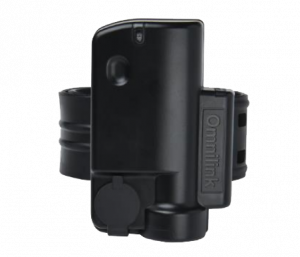
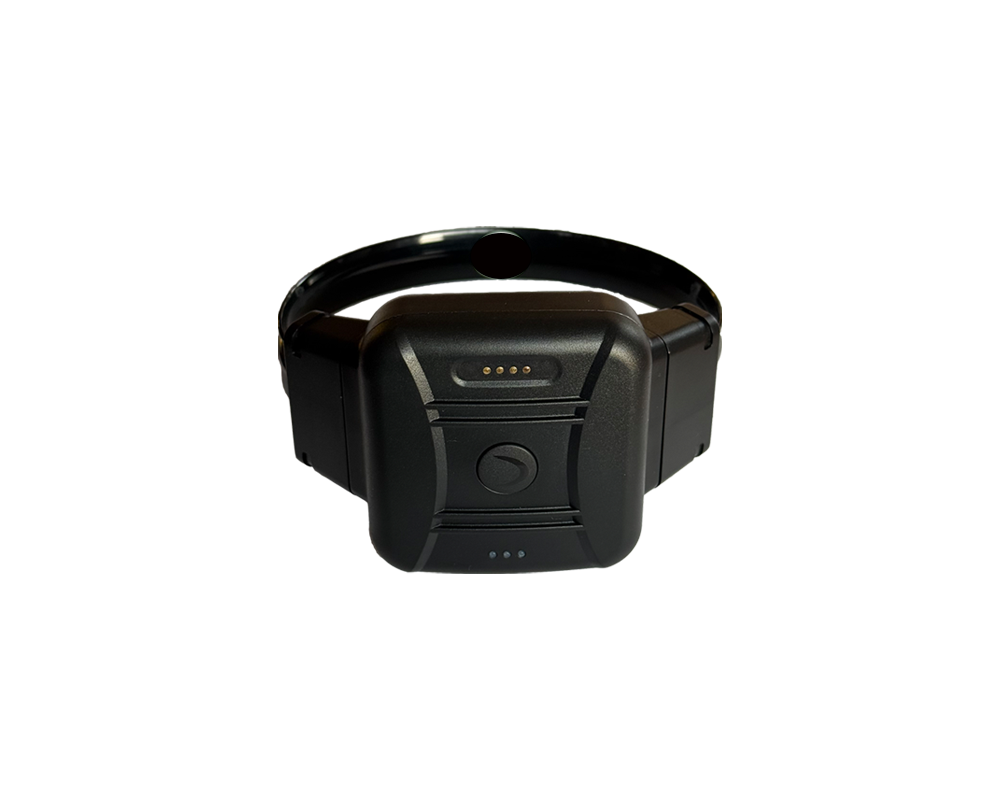
If you are wearing—or about to wear—an electronic monitoring device, one of the first questions people ask is deceptively simple: how far can you go with an ankle monitor? The answer blends physics, cellular networks, and something that is easy to overlook: your court order and supervision rules. Friends might warn you that you “cannot leave the block,” while online forums sometimes claim the opposite—that GPS means you are tracked “everywhere anyway.” The truth sits in the middle: modern GPS supervision is built for geographic mobility at the technical layer, yet your case officer still draws the map you are allowed to inhabit.
This guide explains ankle monitor range, GPS ankle bracelet distance in plain language, and practical GPS ankle bracelet restrictions so you know what to expect at work sites, family events, medical appointments, and travel—plus what to verify with your officer before you move. We also highlight why agencies increasingly specify multi-constellation GNSS, LTE-M/NB-IoT cellular, and hybrid WiFi/LBS assistance: fewer ambiguous gaps mean fewer stressful false alarms for wearers and less wasted investigative time for staff.
Disclaimer: This article is general education, not legal advice. Requirements vary by jurisdiction, judge, agency, and vendor. Always follow the written conditions of your supervision.
Quick Answer: GPS Ankle Monitors Have Unlimited Range — But Your Court Order Doesn’t
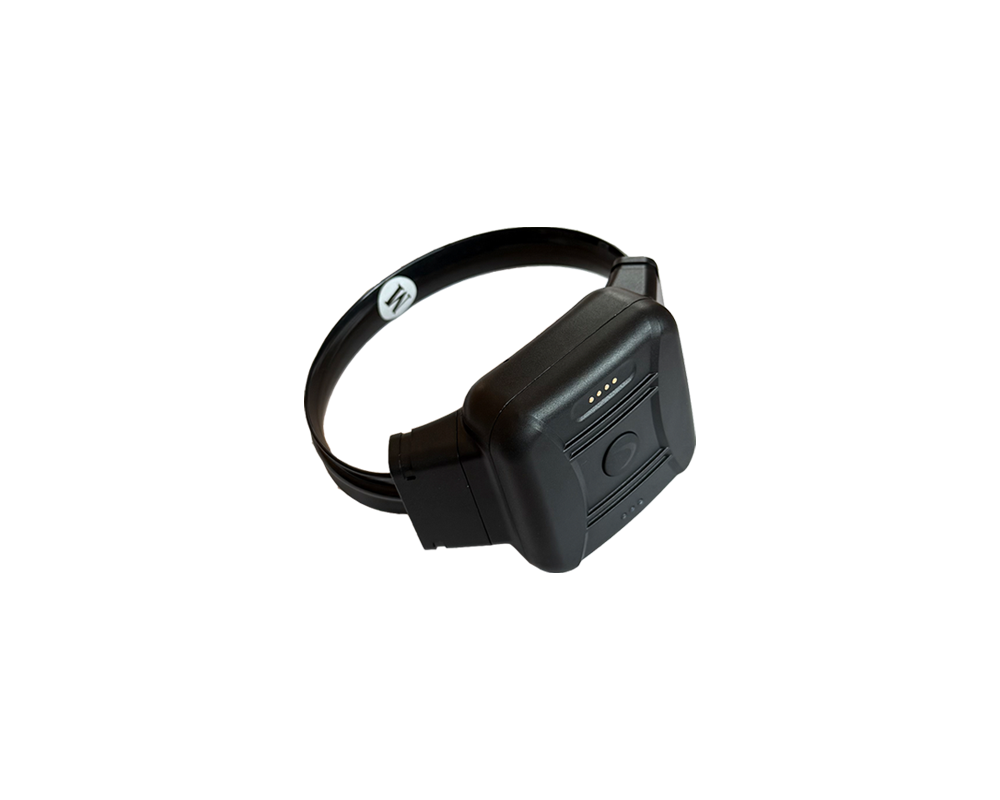
Here is the core idea most articles get wrong: a modern one-piece GPS ankle monitor is not a short-range leash to your living room. If the device can see the sky well enough for satellite positioning and can transmit data over a cellular network, it can report your location across town, across a state line, or across the country—technically. That is why searching ankle monitor range can feel confusing: people picture a walkie-talkie style radius, but GPS bracelets more closely resemble a small smartphone on your ankle—satellites fix position, cellular carries the data.
That does not mean you are free to travel wherever you want. Supervision programs set geographic boundaries, curfews, exclusion zones (places you must avoid), and approval rules for overnight trips, work travel, or family emergencies. In other words:
- Technology: GPS + cellular can cover a very large geographic footprint.
- Your case: your officer, court, or agency sets the enforceable “how far” and “where.”
If you are comparing technologies for a program, see our deeper comparison of GPS vs RF ankle monitors—the architecture changes what “range” even means.
Understanding GPS vs RF Ankle Monitors: Range Differences Explained
“Range” depends on which class of device you are wearing.
GPS ankle monitors (standalone / one-piece)
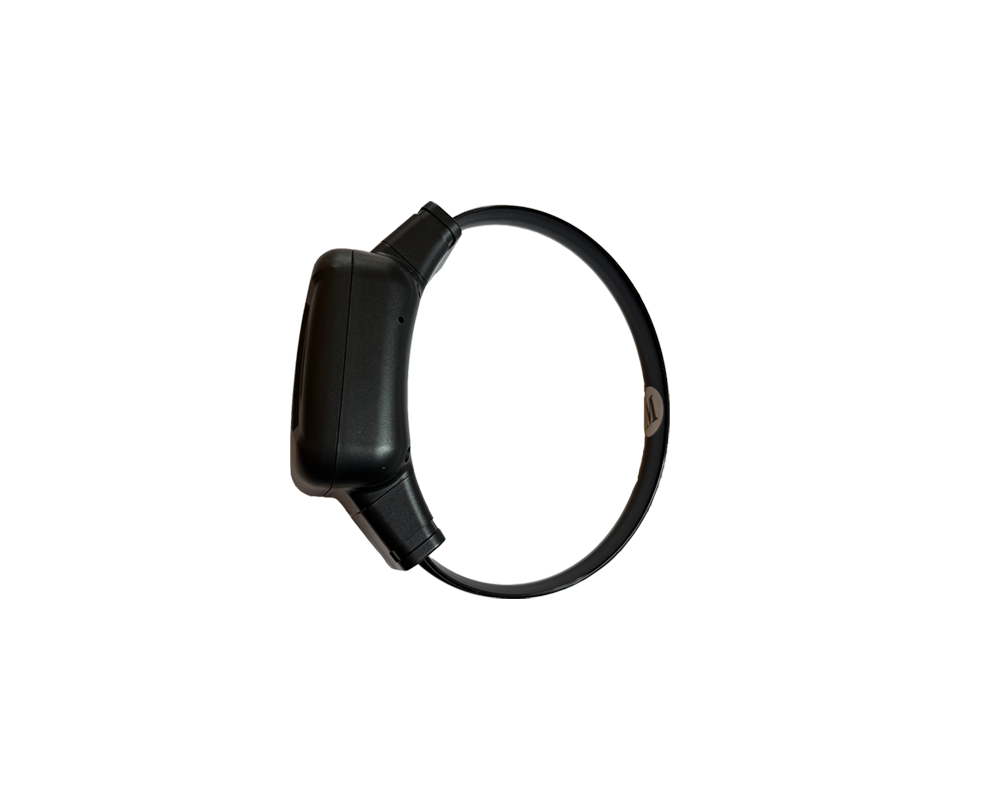
These units contain GNSS receivers, cellular modems, batteries, and tamper sensors in one bracelet-style package. They calculate latitude and longitude from satellites, then send location reports through mobile networks. There is no meaningful “50-foot bubble” for outdoor tracking—the operational limit is signal quality and network coverage, not a fixed radius from your home.
RF tether systems (house arrest / presence monitoring)
Some programs use a radio-frequency link between an ankle transmitter and a base station at a residence. The base confirms you are within a proximity envelope. If you walk beyond that envelope, the system may generate a tamper or “out of range” alert quickly—because the supervision question is “are you home,” not “where on the map are you?”
Traditional two-piece systems are often limited to roughly 20–100 meters from the base unit depending on building materials, antenna placement, and band design, while modern one-piece GPS designs like CO-EYE ONE provide continuous tracking anywhere cellular and satellite coverage support reporting—subject, always, to program rules. If you are a wearer, the practical takeaway is simple: ask whether your bracelet is GPS-first or home-tether-first, because the phrase “how far can I go?” has opposite meanings in those two worlds.
For home curfew programs that pair a base receiver with a bracelet, the CO-EYE HouseStation is engineered for challenging buildings: 433 MHz range up to about 50 meters indoors and 200 meters outdoors in published specifications, with an enhanced antenna intended to penetrate multiple concrete walls—useful when “home” is a multi-level unit or dense structure. That is still a presence concept, not a substitute for GPS route supervision unless your agency configures both.
What Determines Your Allowed Travel Distance
When people search ankle monitor travel restrictions, they are usually mixing three different things:
- Legal conditions (what your order allows)
- Program rules (check-ins, schedules, zone maps)
- Device behavior (how often location is sampled and uploaded)
Court orders beat hardware
Your paperwork might require you to remain in a county, avoid contact with a person or address, observe a nightly curfew, or request permission before leaving the state. Those conditions define enforcement—not the theoretical maximum of GPS.
Inclusion zones, exclusion zones, and schedules
Many platforms let officers draw allowed polygons (work, treatment, home) and forbidden areas (victim proximity, schools where restricted). You might be “in range” of GPS satellites globally yet still out of compliance if you enter an exclusion zone or miss a curfew window.
Sampling and reporting intervals
Even accurate devices do not always transmit a dot every second in the field. Programs balance battery life, data costs, and risk. For example, advanced LTE-M/NB-IoT designs can achieve roughly seven days of standalone battery life at a five-minute reporting interval in typical CO-EYE ONE profiles—longer intervals can reduce network chatter but also reduce temporal resolution. Ask your vendor or officer how your schedule is set; do not guess from TV depictions of real-time tracking.
Why does this matter for “distance?” Because ankle monitor range is not only about maps—it is about whether your officer sees continuity. If your device samples less often, a fast highway drive can look like a straight line with fewer points, while urban stop-and-go traffic produces richer traces. Neither pattern is automatically “bad,” but both should match what your program explained at orientation.
Employment, education, and treatment mobility
Many compliant wearers travel farther in a week than people assume—construction sites, delivery routes, campus commutes, multi-building hospitals—because work and treatment are explicitly permitted. Keep documentation: employer letter, class schedule, or clinic intake paperwork. If your GPS ankle monitor distance looks long on a map, evidence of authorized movement resolves most questions before they escalate.
For a broader view of program expectations, read ankle monitor rules—especially sections on schedules, charging, and alerts.
Can You Travel Out of State with an Ankle Monitor?
Sometimes yes, sometimes no—but permission first is the universal rule.
States differ on how pretrial, probation, and parole interpret interstate movement. Some jurisdictions routinely authorize family funerals or court dates elsewhere; others treat any unsanctioned border crossing as a serious violation regardless of GPS quality. Treat ankle monitor travel restrictions as a paperwork problem first and a signal-strength problem second.
From a technology standpoint, a GPS + cellular device may continue to operate in another state if:
- the modem supports roaming on available carriers in that area;
- the supervision vendor’s platform is configured for interstate monitoring;
- the device maintains charge and integrity (strap/case tamper sensors intact).
From a legal standpoint, crossing a state line without approval can be a violation even if the GPS trace looks “fine.” Many officers require itineraries, hotel addresses, travel dates, and contact numbers. If you have family out of state, a new job, or a medical referral, start the paperwork early.
Tip: keep a simple travel packet—court order summary, officer contact, vendor 24/7 line, charger, and written approval—so you can respond quickly if a border stop or random check occurs.
Can You Fly with an Ankle Monitor?
Many people fly while on GPS supervision, but this is not a silent DIY decision.
Air travel introduces variables wearers should plan for: long security lines (hard to sit near an outlet), unpredictable delays, time-zone shifts that confuse curfew clocks if your program uses local time, and the simple reality that you cannot remove the device to pass through a scanner like a watch—procedures depend on agency policy and vendor guidance. Arrive with patience and documentation.
- Notify supervision first. Airlines and security screening are easier when your officer expects gaps and your documentation is consistent.
- Charging matters. Long travel days plus hotel changes increase the odds of a low-battery alert. Know your device’s charging time—CO-EYE ONE lists about 2.5 hours to full charge with its magnetic cradle and roughly one week standalone life at a five-minute LTE-M/NB interval under typical use profiles.
- Expect temporary tracking quirks. Aircraft cabins, airport jet bridges, and baggage handling areas can produce short periods of weak GNSS or delayed uploads. Programs experienced with travel often interpret those patterns differently than an unannounced gap near a victim address.
If you are on house arrest with a home base unit, flying may be inherently incompatible unless your program switches modes or temporarily adjusts conditions—another reason to clarify which architecture you wear. See also: house arrest GPS ankle monitor complete guide.
GPS Signal Coverage: Where Ankle Monitors Lose Tracking
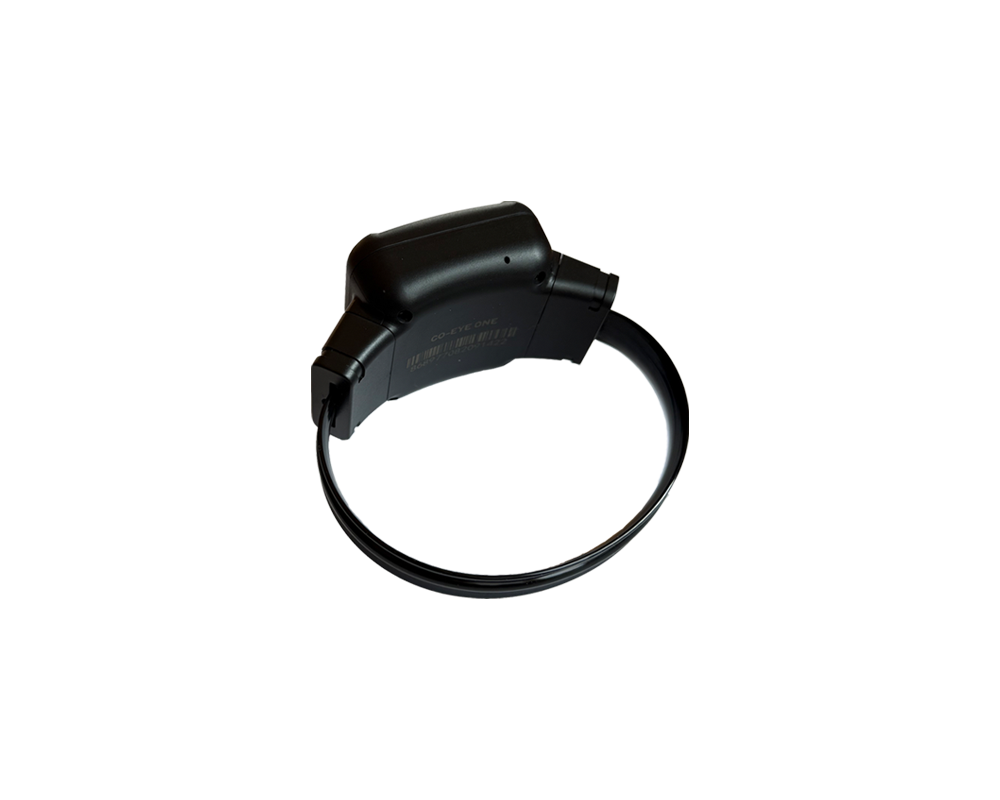
GPS ankle monitors are remarkably capable, but satellite geometry and RF obstacles still matter. Common problem areas include:
- Urban canyons between tall buildings
- Underground parking, basements, and shielded corridors
- Dense tree canopy in certain rural routes
- Metal-rich industrial floors and some government buildings with constrained sky view
When GNSS degrades, quality devices lean on assisted fixes—WiFi fingerprints, cellular tower referencing (LBS), motion sensing, and faster reacquisition when you step outside. That is why procurement teams increasingly specify multi-constellation GNSS rather than GPS-only modules.
Wearers can reduce drama with predictable habits: step outside for 30–60 seconds when leaving a basement garage, avoid letting the strap stay submerged beyond manufacturer guidance even when IP68-rated, and keep the charger accessible after dense urban days where the modem works harder to maintain uploads. These habits do not “increase legal range,” but they reduce unexplained gaps that can trigger callbacks.
CO-EYE ONE advantage: It combines GPS, BeiDou, GLONASS, and Galileo with WiFi (2.4 GHz) and LBS positioning, targeting under 2 meter CEP GPS accuracy under favorable conditions—helping wearers and officers spend less time arguing over map noise when the real question is compliance. For a technical breakdown of error sources and standards language, see GPS ankle monitor accuracy.
What Happens When You Go Out of Range
“Out of range” means different alerts depending on device class:
GPS supervision: often a connectivity or fix gap—not a mileage cliff
If you lose cellular briefly, many devices store events onboard (buffered fixes) and upload when the modem reattaches. Supervision centers may still flag long outages, especially if they coincide with curfew or risk factors. Proactive communication prevents misunderstandings.
Think of it like email outbox behavior: the points may exist on the bracelet before they appear on the officer’s screen. That is different from RF tether systems where “out of range” means you physically left the home bubble within seconds. If you are unsure which model you wear, ask directly—the vocabulary overlaps, but the technology does not.
RF home tether: proximity breach alerts
If you exceed the RF envelope from the residence base, the program may treat that as an immediate absence or tamper-class event—because the supervision model assumes you should still be near the receiver. That is fundamentally different from GPS “distance to a polygon on a map.”
If your conditions include partial house arrest concepts, review house arrest ankle monitor expectations for curfew windows and home radius rules.
How Modern Technology Eliminates Dead Zones
No honest vendor promises perfect dots inside every elevator shaft. But modern architectures reduce gray areas:
- Cellular roadmap: CO-EYE ONE uses 5G-compatible LTE-M / NB-IoT / GSM modes to improve coverage depth and longevity compared with legacy power-hungry cellular profiles—useful when you move between suburban, urban, and highway corridors in the same week.
- Hybrid positioning: When GNSS is weak, WiFi + LBS helps maintain plausible location context until satellites recover.
- Power budgeting: Longer battery life reduces “I missed a charge during travel” incidents that masquerade as tampering.
For agencies, the operational story is continuity: fewer false “missing person” panics, clearer timelines, and better distinction between signal physics and true noncompliance. For wearers, the story is simpler: charge on schedule, carry your approved charger, and communicate predictable dead zones.
Note for corrections technology buyers: this article is written to answer public search intent for GPS ankle monitor distance and travel, but the same specifications matter in RFP scoring—multi-band cellular longevity, hybrid positioning, and tamper integrity under real commuting patterns. CO-EYE ONE is positioned as a reference one-piece architecture for programs that want global-style mobility without surrendering structured alerts, strap integrity signaling, and realistic battery math at the agency’s chosen reporting cadence.
Frequently Asked Questions
How far can you go with an ankle monitor?
With GPS-based supervision, there is usually no fixed distance cap like a home RF tether. Your officer or court still sets where you may go. The device’s job is to report location; your order’s job is to define lawful movement.
What is the range of a GPS ankle monitor?
Think “network + sky,” not “feet from a base.” GPS ankle monitor distance is limited by GNSS visibility, cellular data availability, and battery—not by a 100-meter circle unless your program explicitly uses RF home monitoring.
Does an ankle monitor stop working at the county line?
Not inherently. A GPS device does not know your political boundaries; the software maps your coordinates against agency rules. Crossing a line matters legally when your order forbids it—not because hardware fails at the border.
Can you ride long distances in a car?
Often yes, if your program allows the trip. Highway travel usually offers good sky view for GNSS. Carry charging gear and avoid unapproved detours into exclusion zones.
Why do officers still say “stay local”?
Because risk management and victim safety planning are not identical to radio physics. “Local” might reflect victim proximity rules, treatment attendance, or rapid response capacity—not a secret transmitter limit.
How should agencies choose hardware for mixed-risk caseloads?
Look for multi-GNSS, modern LTE-M/NB-IoT cellular, hybrid WiFi/LBS assistance, defensible tamper signaling, and realistic battery claims at the program’s mandated reporting interval. CO-EYE ONE is built as a lightweight one-piece reference design in this category—explore CO-EYE ONE specifications for procurement comparisons.
What should I do if I think my device is wrong?
Do not remove or alter the strap. Photograph error screens if allowed, note the time and address, and call your officer and vendor support. Many apparent “errors” are delayed uploads or indoor GNSS weakness—not malfunctions.
Where can I read more about RF vs GPS supervision?
Start with GPS vs RF ankle monitors and ankle monitor rules for program context beyond distance alone.