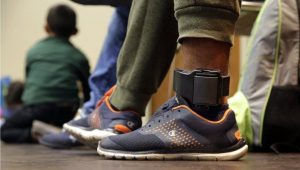
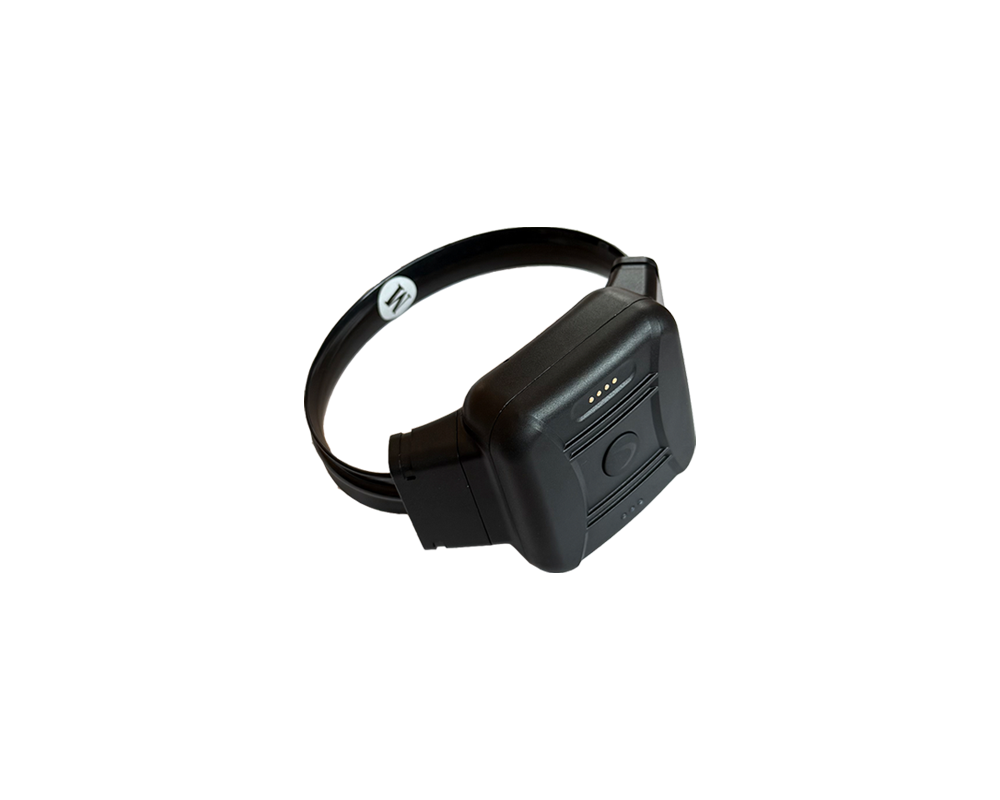
Pretrial electronic monitoring has moved from pilot projects to a default supervision layer for many release decisions. In 2026, courts, sheriffs, and pretrial services agencies are expanding pretrial GPS monitoring alongside smartphone monitoring apps and RF home models—driven by jail capacity, victim-safety expectations, and carrier retirements of legacy cellular. This pillar explains what pretrial electronic monitoring means in practice, which statutes are accelerating adoption, how to budget credibly against incarceration, and which GPS ankle monitor specifications belong in RFPs when your orders require continuous location accountability. See also our GPS ankle monitor buyer’s guide.
For adjacent program design, read our pretrial electronic monitoring implementation guide, the domestic violence GPS ankle monitor 2026 guide, and bail monitoring economics. Product depth lives on CO-EYE ONE and CO-EYE Monitoring Software. To scope devices, alert policies, and integration, Contact Sales or Request Quote. See also: bail monitoring GPS ankle monitor benefits guide.
Why Pretrial Electronic Monitoring Is Expanding Rapidly in 2026
Three forces reinforce each other. First, jail crowding and litigation over detention conditions push judges toward supervised release when public-safety risk can be managed in the community. Second, intimate partner violence and firearm-related dockets increasingly expect electronic monitoring workflows that include exclusion zones and rapid escalation paths—not merely a phone call check-in. Third, technology turnover is unavoidable: carriers are sunsetting 2G and 3G, which forces agencies to replace straps that depended on obsolete modems. Together, these drivers make pretrial electronic monitoring a standing line item in criminal-justice budgets rather than a temporary pilot.
Procurement teams should treat pretrial GPS monitoring as a systems purchase: hardware, cellular backhaul, cloud uptime, officer dashboards, victim-notification integrations (where applicable), and audit-ready event logs. The GPS ankle bracelet is visible, but program success is mostly determined by alert handling, charging logistics, and defensible tamper semantics.
What Is Pretrial Electronic Monitoring?
Pretrial electronic monitoring is the use of supervised-release technologies before a case resolves—typically ordered as a condition of bond, recognizance, or supervised release. It answers a narrow question for the court: did the person comply with geographic and schedule rules while remaining in the community? The same family of tools appears under headings like electronic monitoring, GPS ankle monitor, and ankle bracelet in court orders and vendor contracts.
GPS versus RF: how supervision questions differ
Pretrial GPS monitoring uses multi-constellation GNSS fixes, often assisted by Wi-Fi and cellular reference data, to place the device on a map. It is the right tool when orders require continuous route accountability, victim-distance buffers, or proof that someone avoided a school or workplace. RF home beacons answer a different question—whether the strap is near an approved residence during curfew hours. Many programs combine both: GPS while traveling, RF or app checks at night. Your RFP should state which legal questions the equipment must answer; that choice drives whether pretrial electronic monitoring must be GPS-primary.
How a typical pretrial GPS workflow operates
A one-piece GPS ankle monitor reports on a cadence set by policy—often near-real-time during high-risk windows—with events flowing to a monitoring platform. Supervisors define inclusion zones (home, treatment, work corridors) and exclusion zones (victim addresses, schools). Breaches generate tiered alerts: auto-messages to officers, call-center escalation, and sometimes victim-facing notifications when statutes require them. Tamper events (strap, case, or charge anomalies) should generate distinct codes so hearings are not polluted by ambiguous vibration alerts.
Who qualifies for pretrial electronic monitoring?
Eligibility is inherently local: offense class, risk scores, victim input, and prosecutorial standards vary by jurisdiction. National trend lines show growth in DV-adjacent releases, firearm-related conditions, and medium-risk dockets where jail holds are disfavored. Whatever the docket, clarity in the written order—maps, hours, exceptions, charging responsibilities—reduces contested violations.
The 2026 Legislative Surge
The following examples illustrate momentum in pretrial electronic monitoring; always confirm enrolled text, effective dates, and local administrative rules before changing standard orders.
California: SB 437 and GPS-first pretrial supervision
California’s 2025–2026 session advanced SB 437 as a high-profile restructuring of pretrial release tooling, with public debate centering on GPS-capable supervision as a default pathway for large cohorts of non-violent felony defendants who meet risk criteria—reducing reliance on cash bail while preserving location accountability. Fiscal and operational estimates in public committee materials discuss tens of thousands of annual participants; counties should model vendor capacity against their own booking volumes rather than assuming a single statewide curve.
Florida: HB 277 and July 1, 2026 effective dates
Florida’s HB 277 expands domestic-violence and injunction-related electronic monitoring themes, with portions effective July 1, 2026. Agencies should read enrolled provisions for eligibility, fee assignment, and map rules that affect pretrial GPS monitoring alongside probationary tracks.
Oklahoma: SB 1325 and DV GPS pathways
Oklahoma’s SB 1325 tightens GPS supervision language tied to domestic abuse charges and protective orders—routing oversight through qualified vendors and foregrounding victim-notification concepts when respondents approach restricted areas. Pretrial services should align alert matrices with tribal, municipal, and state court variations inside Oklahoma’s patchwork.
Texas: statutory GPS bond tools and active filings
Texas law already authorizes magistrates to impose GPS monitoring as a bond condition in many family-violence matters, including frameworks for victim input on excluded locations and tamper offenses. Separately, the 89th Legislature continues to see filings that would expand advanced tracking for domestic-violence supervision. Important: verify bill numbers against enrolled statutes—some House bills share numbers with unrelated energy or utility measures in the same session.
Florida statewide tampering enforcement context
Florida’s 2025 reforms increased graduated penalties for tampering with electronic monitoring devices and strengthened pretrial-release consequences in multiple contexts. Miami-Dade County’s Monitored Release Program illustrates how large urban pretrial dockets pair court-ordered GPS ankle monitor placement with intensive case-management visits—useful when benchmarking staffing, not just strap counts.
At least fourteen jurisdictions expanding in 2026
Beyond the examples above, bill tracking and statehouse reporting through early 2026 point to fourteen or more states and provinces actively expanding GPS-capable pretrial electronic monitoring, often bundled with victim-alert logic and budget lines to retire legacy cellular hardware. Treat the wave as sustained operational load for monitoring centers, not a one-time hardware purchase.
Benefits of Pretrial GPS Monitoring
Cost savings versus incarceration
Budget officers commonly compare jail marginal costs—often cited roughly $35–$80 per day depending on facility accounting—to community supervision fees in the $5–$25 per day range for participant-pass-through or county-funded electronic monitoring. Any comparison should include indirect costs: officer alert handling, vendor service fees, indigent-fund subsidies, and transport when devices fail.
Jail overcrowding and court throughput
When legally appropriate, moving defendants to pretrial electronic monitoring preserves bed space for violent holds and reduces time-sensitive pressure on arraignment calendars. The benefit is contingent on swift device fitting, working chargers, and realistic caseloads for officers reviewing alerts.
Employment and family stability
Defendants who can work lawfully while on release are likelier to retain housing and dependents’ stability—factors courts weigh in detention decisions. Pretrial GPS monitoring must be configured with inclusion corridors that match real job sites; overly tight geofences create technical violations that undermine the policy goal.
31% recidivism reduction signal (Florida study)
Peer-reviewed analysis of Florida’s supervision programs reported roughly a 31% reduction in recidivism risk for monitored cohorts versus comparison groups under the study design. It is evidence of directionally favorable outcomes, not a guarantee for every docket—local outcomes still depend on risk tiers, services, and enforcement consistency.
Real-time victim notification in DV cases
Where statutes allow, pretrial GPS monitoring pairs map logic with victim notifications when proximity thresholds are breached. Reliability requires low-latency reporting, disciplined geofence geometry, and tamper signaling that does not flood victims with false alarms—otherwise trust erodes faster than in officer-only workflows.
Electronic ankle monitor technology requirements for pretrial programs
GPS accuracy and NIJ 1004.00 context
NIJ Standard 1004.00 establishes reporting and test concepts for location-based offender tracking systems, including horizontal accuracy benchmarks commonly summarized as 10 m open sky and 30 m under specified challenging conditions—useful when comparing vendor disclosure templates. Modern multi-constellation receivers in field deployments often outperform legacy reporting minimums; CO-EYE ONE is specified at < 2 m CEP under its published datasheet, which agencies can map to your local evidentiary standards.
Tamper detection and false-positive discipline
Industry discussions and practitioner surveys have cited broad false-positive rates on the order of 15–30% for some conductive strap schemes—each agency should validate against its own alert adjudication data. Fiber-optic strap and case sensing on CO-EYE ONE is designed to eliminate conductive false positives, supporting pretrial electronic monitoring programs where judges treat tamper tickets like probable cause events.
Battery life and charging burden
Programs fail when participants miss charges during work. Seven-day class battery life in LTE-M/NB-IoT standalone mode reduces touchpoints versus daily-charge legacy units. Specify minimum interval reporting in RFPs; shorter intervals shorten battery margin.
Cellular connectivity: 5G-ready LTE-M/NB-IoT versus sunsetting 2G/3G
Pretrial GPS monitoring backhaul should prioritize modern IoT-oriented bearers. CO-EYE ONE supports 5G-compatible LTE-M / NB-IoT (plus GSM fallbacks where still available). Agencies should sunset procurement of 2G/3G-only hardware to avoid stranded inventory.
Exclusion zones and geofencing
Courts expect cylinders or polygon buffers around sensitive addresses, sometimes multiple simultaneous zones. Platforms must version-control map edits and store historical geometries for contested hearings.
Real-time alerts to officers and victims
Latency targets, escalation trees, and on-call coverage should be contractual. Victim-alert jurisdictions need plain-language messaging and safeguards against spoofed or duplicate pings.
Data security and evidentiary exports
Pretrial electronic monitoring produces sensitive movement histories that may appear in bond revocation hearings, protective-order proceedings, and discovery. Contracts should specify encryption in transit and at rest, role-based access for monitoring staff, immutable event numbering, and export formats (CSV, PDF maps, KML when appropriate) that your prosecutors can authenticate. Align retention schedules with local rules—some courts require shorter purges after dismissal, while others require multi-year archives for appellate review.
Interoperability with court calendars and risk tools
Modern pretrial GPS monitoring platforms integrate best with case-management systems when hearing dates, curfew exceptions, and travel permits flow automatically into geofence rules. Manual re-keying is where violations get manufactured: a permitted medical trip left in a spreadsheet but not in the map engine will page officers at 2 a.m. Procurement teams should therefore score vendor APIs and CSV bulk-update tools alongside hardware specs.
CO-EYE ONE for Pretrial Monitoring
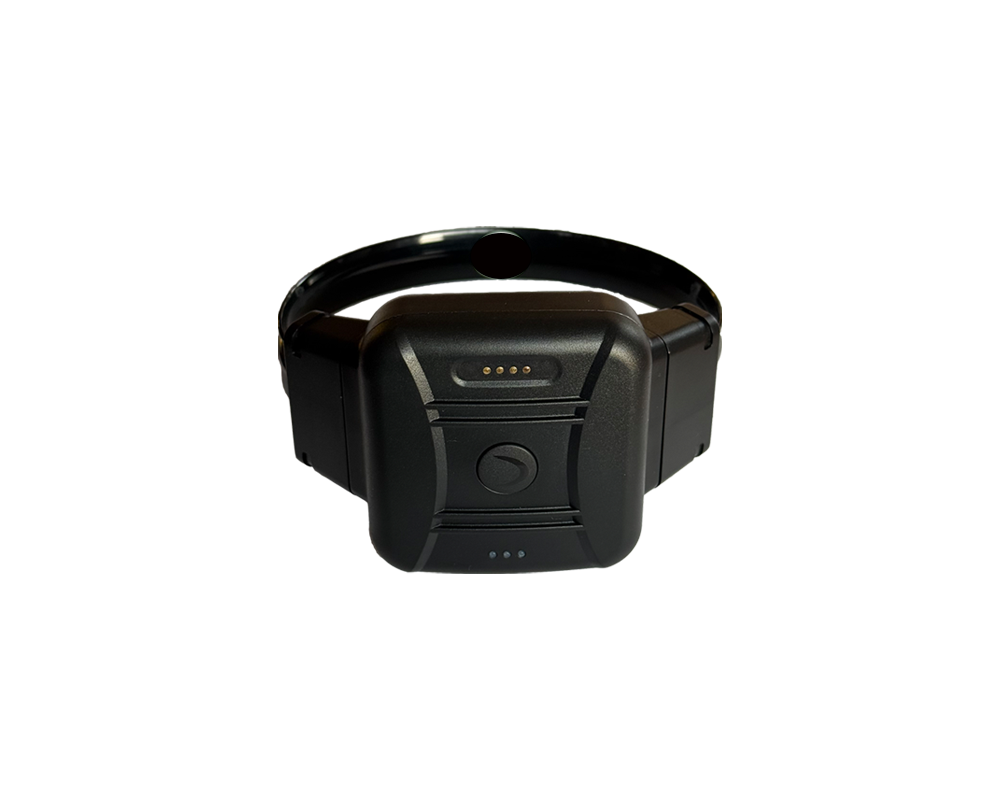
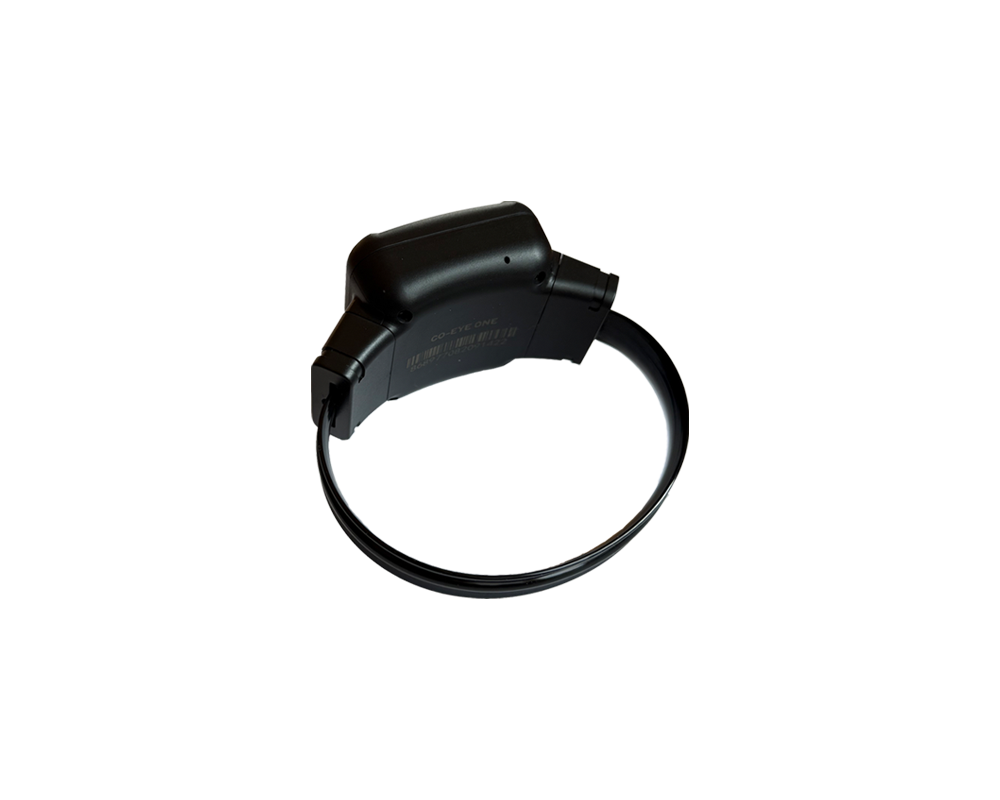
CO-EYE ONE is a one-piece GPS ankle monitor at 108 g and 60×58×24 mm, with < 3 second strap installation, fiber-optic strap and case tamper detection, < 2 m GPS accuracy (CEP), 7-day standalone battery (5-minute LTE-M/NB reporting interval), IP68 waterproofing, and 5G-compatible LTE-M/NB-IoT cellular (Nano SIM; ONE-AC adds eSIM options). It pairs with CO-EYE Monitoring Software—13 functional modules for supervision operations.
Program comparison snapshot (RFP language)
| Capability | Legacy two-piece GPS (generic) | CO-EYE ONE |
|---|---|---|
| Form factor | Ankle beacon + separate hub/battery often | Single 108g one-piece ankle bracelet |
| Install time | Tooling variable | < 3 seconds snap-on |
| Tamper philosophy | Often conductive strap only | Fiber-optic strap + case sensing |
| Typical standalone battery | Often 1–3 days at aggressive reporting | 7 days (LTE-M/NB, 5 min interval) |
| Modern cellular | Mixed; many 3G-era units | 5G-ready LTE-M/NB-IoT (+ GSM where available) |
| Waterproofing | Varies | IP68 |
When you are ready to validate alert policies against your docket mix, Contact Sales for pricing and integration planning.
Implementation Guide for Agencies
RFP and vendor selection
Anchor requirements to legal duties: map accuracy reporting, tamper code definitions, SLA uptime, data retention, and export formats for discovery. Reference NIJ 1004.00 vocabulary where it helps apples-to-apples comparisons, then layer local evidentiary needs.
Officer training
Train on adjudicating speed versus location error, charging troubleshooting, and victim-notification ethics. Pretrial electronic monitoring fails when alert queues are treated like inbox spam.
Program metrics
Track time-to-fit after release, median battery compliance, true versus false tamper adjudication, median alert response time, and rearrest rates by risk tier. Publish internal QA dashboards before legislatures ask for public reporting.
Staffing the monitoring center
When legislatures expand supervised-release GPS capacity, the hidden bottleneck is rarely the GPS ankle monitor supply chain—it is the human capacity to adjudicate alerts. Each new thousand-participant cohort can generate thousands of automated events weekly after geofence tuning. Model shifts, language access for call-backs, and supervisor sign-off for victim notifications before they leave the queue. Vendors can supply dashboards, but counties remain legally responsible for how pretrial GPS monitoring decisions are documented.
Risk assessment alignment
Validated pretrial risk tools should inform whether release is appropriate, while electronic monitoring proves how release conditions are honored. Mixing those layers—using a strap as a substitute for risk scoring—creates ethical and legal problems. The defensible pattern is: score → order conditions → select modality (GPS, RF, app) → monitor with explicit maps. Document overrides when judges impose GPS release conditions despite low risk scores so future audits can explain the policy choice.
Frequently Asked Questions
Is pretrial electronic monitoring the same as bail monitoring? They overlap. Bail monitoring usually refers to commercial surety contexts, while pretrial electronic monitoring spans court-run pretrial services, sheriff programs, and vendor-operated monitoring centers.
Does every pretrial case need GPS? No. Low-risk releases may use phone check-ins or RF curfews. GPS is appropriate when orders require continuous location proof or victim-distance logic.
How should agencies cite NIJ 1004.00 in RFPs? Use it as a baseline for how vendors disclose horizontal accuracy under defined test profiles—not as a promise that every outdoor fix will hit a single number in urban canyons.
What cellular sunset issues matter most in 2026? Retiring 2G/3G radios strand older straps; prioritize LTE-M/NB-IoT or equivalent modern bearers in new procurements.
Can pretrial GPS monitoring support employment? Yes, when inclusion zones and schedules mirror actual work sites and commuting corridors.
Where can we read more on domestic violence GPS conditions? See the domestic violence GPS ankle monitor guide and the pretrial implementation guide.
Use this guide as a working checklist for procurement committees: translate court orders into map rules, rehearse tamper adjudication with prosecutors, and keep cellular sunset timelines in every capital plan you send to county leadership. Strong programs treat the ankle bracelet as one node in a supervised-release system—not the entire strategy.