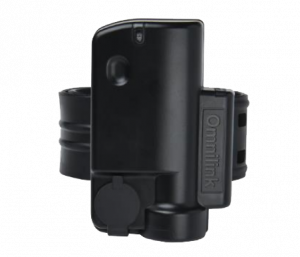
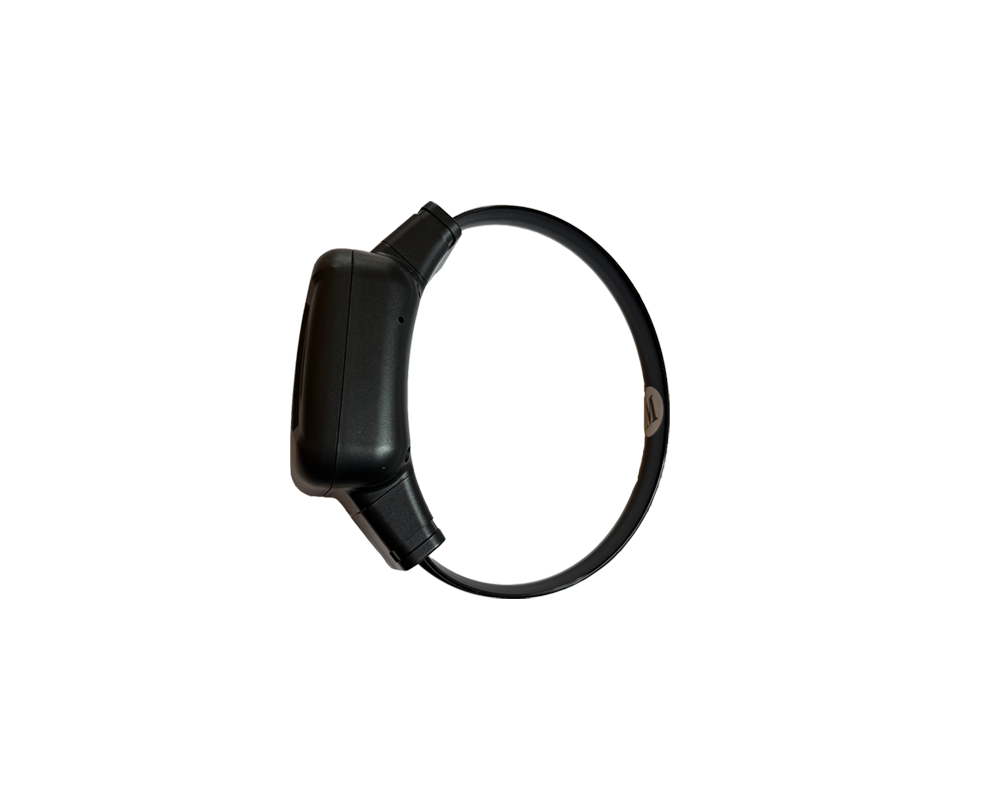
If you are wearing—or about to wear—a GPS ankle bracelet, the part people do not explain clearly is simple: most of your stress will come from rules and schedules, not from “GPS magic.” The device can report where you are, but your court order, pretrial officer, probation officer, or monitoring vendor defines what locations, times, and behaviors count as compliance.
This article is written for wearers and families who need plain-language answers about daily life: curfews, travel, charging, water, work and school, tamper alerts, costs, and basic rights. It complements agency-focused buyer content by focusing on what it feels like to live with a monitor on your ankle. For a broader technical and legal overview, start with our GPS ankle bracelet guide. For device architecture context, see the GPS ankle bracelet comparison of one-piece vs two-piece designs.
Think of supervision as a bundle: hardware (the bracelet), software rules (maps and schedules), and human judgment (officers interpreting alerts). When those three align, wearers report less anxiety; when they do not—especially around charging, dead zones, or misunderstood maps—small problems can look like big violations. The sections below are designed to help you anticipate those friction points before they become emergencies.
Disclaimer: This is general educational information, not legal advice. Programs differ by state, county, court, and vendor. Follow your written conditions and confirm anything important with your officer or attorney.
What Is a GPS Ankle Bracelet and How Does It Work?
A GPS ankle bracelet is an electronic monitoring device worn on the ankle that combines satellite positioning (GNSS/GPS-class fixes) with a cellular data link to send location and status events to a monitoring platform. Officers and analysts view your movement on maps, schedules, and alert queues—often in near real time, depending on how the program sets reporting intervals.
Most wearers care about three practical layers:
- Positioning: The bracelet listens to satellite constellations (often GPS plus additional GNSS systems on newer hardware) and may use assisted methods like WiFi or cellular tower referencing when sky view is poor.
- Communication: Cellular modules upload fixes and alarms. If cellular is weak, some devices buffer events and send them later—though long gaps can still trigger review.
- Supervision software: Your officer sets rules in software: curfew windows, zones you must avoid, zones you must stay inside, and escalation procedures when alerts fire.
One-piece vs two-piece designs
A one-piece GPS ankle bracelet integrates battery, GNSS, cellular modem, and tamper sensors in a single ankle-worn module. A two-piece system often pairs an ankle transmitter with a separate hub (sometimes worn or placed at home) for charging, radio tethering, or relay functions. The wearer experience differs: two-piece systems may emphasize home proximity for part of the day, while one-piece GPS-first designs are built for continuous outdoor tracking subject to program rules.
If you are trying to understand what you will actually do each morning—charge frequency, strap checks, travel paperwork—the architecture matters. The GPS ankle bracelet comparison article walks through tradeoffs agencies consider; as a wearer, the key question is whether your program is GPS-primary or home-beacon-primary.
How officers track location
When people say “real-time,” they usually mean frequent updates, not a Hollywood-perfect dot every second. Programs choose reporting cadences that balance risk, battery life, and data costs. That is why two people can wear the same model yet experience different alert sensitivity: identical hardware can be configured conservatively or aggressively.
| What you experience | What the system is doing |
|---|---|
| You stand outside after leaving a basement garage | GNSS receivers reacquire satellites; fixes become more stable |
| You are inside a steel-and-concrete building | Hybrid positioning (WiFi/LBS) may fill gaps while GNSS is weak |
| You travel out of state | Roaming and policy rules determine whether movement is lawful—not the chipset |
Common GPS Ankle Bracelet Rules and Restrictions
Most programs blend standard electronic monitoring conditions with case-specific orders. The list below is typical, not universal. For a structured checklist that mirrors how agencies explain orientation, read ankle monitor rules—then compare it to your paperwork.
Curfew compliance (geofencing)
A GPS ankle bracelet curfew usually means you must be at an approved location during scheduled hours (often nights and weekends). Geofencing draws a boundary around home, a shelter, or another approved address. Arriving one minute late can generate an alert even when the technology worked perfectly—because the rule is time-and-place, not signal quality. If your housing address changes, update paperwork immediately; geofences are often tied to verified addresses, not your personal mental map of “home.”
Travel restrictions and exclusion zones
Travel rules are where many violations happen accidentally. You may be allowed to work across town yet forbidden to enter a specific radius around a protected person’s home, a school, or a former victim address. Exclusion zones can be unforgiving: crossing a line on a map may be treated as more serious than a short GNSS gap.
Interstate or long-distance travel frequently requires advance written approval, even if your device can technically report from another state. If you are unsure, do not guess—ask before you pack.
Charging requirements
Charging is a compliance task, not a lifestyle preference. Older or power-hungry designs may need daily charging; modern one-piece LTE-M/NB-IoT designs can reduce that burden substantially. Whatever device you wear, treat “low battery” warnings like a court date: predictable, documented charging prevents unnecessary alarms.
| Device profile (examples) | Typical wearer charging rhythm |
|---|---|
| Legacy high-draw cellular GPS | Often daily or near-daily charging |
| Modern one-piece (efficient IoT cellular) | May reach about a week between charges at common agency reporting intervals—confirm your program |
| Two-piece hub systems | May require docking or base proximity per vendor orientation |
Water exposure rules
Water rules are split into manufacturer capability and program policy. A bracelet may be rated for immersion yet your officer may still restrict swimming, hot tubs, or long submersion. Always ask, especially before vacations or physical jobs involving water.
Employment and school allowances
Many compliant wearers spend more time in motion than stereotypes suggest—warehouse shifts, delivery routes, healthcare rotations, campus schedules—because work and education are explicitly authorized. Keep supporting documents: employer letters, class schedules, union dispatch sheets. If your location trace looks “busy,” proof of authorized activity resolves most questions quickly.
Court appearance requirements
Your bracelet does not replace calendar discipline. Failing to appear can trigger warrants independently of GPS data. Treat reminders, transportation, and childcare as part of compliance infrastructure.
Wearer tip: Create a single “supervision folder” (paper or phone): officer phone, vendor 24/7 line, charging instructions, curfew times, exclusion maps, and travel approval emails.
Can You Shower or Swim with a GPS Ankle Bracelet?
Showering is one of the most common questions first-time wearers ask about GPS supervision on the ankle. The answer has two parts: engineering and policy.
Engineering: Many current one-piece monitors are marketed with IP68 water resistance, meaning they are designed for demanding environmental exposure when used as directed. CO-EYE ONE is rated IP68 in manufacturer specifications and is intended for realistic daily wear including showering under normal use, with magnetic charging and a one-piece housing.
Policy: Your program might still restrict certain water activities—chlorine pools, ocean surf, saunas, or prolonged soaking—because straps, skin checks, or charging windows matter operationally. If you plan to swim, ask specifically; “IP68” is not a automatic license to ignore supervision instructions.
For more context on waterproofing myths and skin care basics, see related discussion inside our GPS ankle bracelet guide and your vendor’s written orientation packet.
What Happens If Your GPS Ankle Bracelet Dies or Loses Signal?
Battery and connectivity issues feel scary because they look like “disappearing” from the map—even when you did nothing wrong.
Battery life: old vs modern
Some legacy devices struggle to reach a full day of intensive reporting. By contrast, advanced one-piece designs like CO-EYE ONE GPS ankle monitor list about seven days of standalone battery life at a five-minute LTE-M/NB-IoT reporting interval in published specifications, with roughly 2.5 hours to full charge. Your officer may still choose a different interval; the wearer lesson is simple: know your charger and your schedule.
Dead battery = high risk
If power drops unexpectedly, many programs treat it as a priority alert because the monitoring center cannot verify location continuity or integrity signals. Do not treat charging like optional phone hygiene—it is part of your conditions.
Signal loss indoors
Basements, parking structures, and shielded clinics weaken GNSS. Quality devices attempt WiFi and LBS assistance to reduce blind spots, but no system eliminates physics. If you live or work in a known dead zone, proactive communication prevents your location history from being misread as evasion.
GPS Ankle Bracelet Tampering: What Happens If You Cut It Off?
Removing, cutting, or interfering with a court-ordered device can trigger immediate alerts and criminal consequences separate from the original case. This section is not here to scare you—it is here to explain why officers respond fast.
Tamper technologies
Many bracelets detect strap tension, case intrusion, or optical continuity. Fiber-optic tamper detection (used in CO-EYE ONE’s strap and case design) is engineered to reduce ambiguous “maybe tamper” events compared with some traditional resistive approaches that can be sensitive to moisture, flex, and environmental noise. Field programs sometimes report elevated false-positive rates with older resistive-style strap sensors—figures in the roughly 15–30% range appear in some industry discussions tied to legacy tamper stacks—whereas fiber-optic continuity sensing is designed for zero false-positive tamper indications in CO-EYE’s published architecture. Either way, your program will treat any alarm seriously until it is cleared.
False tamper alerts: why they matter to wearers
When a bracelet generates repeated false tamper alerts, wearers experience interviews, curfew tightening, or jail holds—even when innocent. That is one reason agencies evaluating hardware care about sensor physics, not only purchase price. If you believe your device is misfiring, do not cut it off; document times/locations and call your officer and vendor support.
For a deeper explanation of criminal liability and investigative timelines, read our article on cutting off an ankle monitor.
How Long Do You Have to Wear a GPS Ankle Bracelet?
Duration is a legal question first. Typical patterns include:
- Pretrial: Often until dismissal, plea, trial resolution, or conversion to another supervision type.
- Probation or parole: Months to years depending on offense class and conditions.
- Domestic violence protective orders: May track the order’s term, renewals, or post-conviction supervision.
- Early removal: Usually requires a formal process—motion, hearing, administrative review, or successful completion milestones.
Your attorney can explain local practice; your officer can explain what milestones the program recognizes.
GPS Ankle Bracelet Costs: Who Pays?
Fees vary widely. Many jurisdictions charge the participant daily rates that often fall roughly between about $5 and $35 depending on program design, risk tier, and local statutes. Some courts subsidize or waive portions of fees for low-income defendants after financial disclosure—ask the clerk for the process rather than assuming you must pay the maximum.
Policy debates sometimes compare supervision fees to jail costs (commonly cited jail figures often exceed $100 per day in many jurisdictions when fully loaded). That comparison does not make electronic monitoring cheap emotionally—it simply explains why legislatures expand monitoring capacity. For procurement-level pricing context and fee mechanics, see ankle monitor costs.
Your Rights While Wearing a GPS Ankle Bracelet
Wearers retain important protections even while supervised. Non-exhaustive themes include:
- Privacy: Location data is sensitive. Ask what is collected, who can access it, and how long it is retained.
- Petition rights: You may be able to request modification of conditions when circumstances change lawfully.
- ADA accommodations: Disability-related needs (skin breakdown, circulation concerns, device weight) sometimes support adjustments—documentation from a clinician helps.
- Data access and disputes: If a report looks wrong, ask for a timeline export and escalate through proper channels rather than self-help “fixes.”
Legal standards differ by jurisdiction; a qualified lawyer is the right source for individualized rights analysis.
FAQ
What rules apply to a GPS ankle bracelet in 2026?
Your court order and agency policy control outcomes: curfews, zones, charging, travel approvals, and appearance obligations. Use our ankle monitor rules article as an orientation-style checklist, then verify against your paperwork.
Can you shower with a GPS ankle bracelet?
Many IP68-rated models are engineered for showering; swimming may still be restricted by policy. CO-EYE ONE is IP68 per manufacturer specs—confirm program rules before assuming any water activity is allowed.
What happens if your GPS ankle bracelet battery dies?
Expect urgent follow-up. Charge proactively and keep vendor and officer contacts available. Modern one-piece devices can reduce charging frequency, but no bracelet removes the need to obey program power requirements.
How much does electronic GPS monitoring cost the wearer?
Daily fees often land near common ~$5–$35 ranges, with possible subsidies. Read ankle monitor costs for a fuller discussion of who pays and why.
Can you get a GPS ankle bracelet removed early?
Sometimes, through court or administrative processes tied to case outcomes or documented hardship. Counsel can advise; officers can explain program milestones.
If you supervise others or want hardware context beyond wearer life, review the CO-EYE ONE GPS ankle monitor specifications—108g weight, IP68 waterproofing, about seven-day standalone battery at a five-minute IoT reporting interval, fiber-optic tamper detection, under 2m-class GPS accuracy, and under three-second strap installation in published specs.