
Juvenile EM: A Different Framework
Juvenile electronic monitoring is expanding rapidly. The Annie E. Casey Foundation reports that youth detention populations have declined 60% since 1999, driven by research showing that detention harms adolescent development without improving public safety outcomes. But courts and juvenile probation agencies still need supervision tools for youth who pose community safety concerns. GPS monitoring offers a middle path — community-based supervision with location accountability.
However, juvenile GPS programs cannot simply replicate adult electronic monitoring practices. The legal framework is different (rehabilitation-focused rather than punishment-focused), the developmental considerations are different (adolescent brains are still developing impulse control), and the practical considerations are different (school schedules, sports activities, and peer relationships create complex zone and schedule requirements).
What Legal Protections Apply to Juvenile Electronic Monitoring? for Juvenile EM
Rehabilitation vs Punishment Standard
The juvenile justice system’s foundational principle is rehabilitation, not punishment. This affects GPS monitoring in several ways:
- Least restrictive condition: Courts must use the least restrictive supervision condition necessary. GPS monitoring should only be ordered when less restrictive options (curfew, phone check-ins) are insufficient.
- Time limits: Juvenile GPS monitoring should have defined end dates with regular review. Open-ended monitoring orders are more vulnerable to legal challenge than in adult court.
- Confidentiality: Juvenile records are sealed in most jurisdictions. GPS monitoring data must be protected with the same confidentiality as other juvenile court records.
- Parental consent: In many jurisdictions, a parent or guardian must consent to GPS monitoring conditions as part of the dispositional order.
State Variations
State approaches to juvenile GPS monitoring fall into three categories:
- Explicit statutory authority: States with specific juvenile EM statutes (e.g., Texas, Florida, California) provide clear legal frameworks.
- General conditions authority: Many states authorize juvenile GPS monitoring through general disposition conditions authority without specific EM statutes.
- Restrictive: A few jurisdictions limit or prohibit GPS monitoring for juveniles below certain ages or offense levels.
What Technology Features Matter Most for Juvenile GPS Monitoring? for Youth
Device Comfort and Stigma
For adults, ankle monitor comfort is a secondary consideration. For juveniles, it is primary. A visible ankle monitor at school creates social stigma that can undermine the rehabilitation goal:
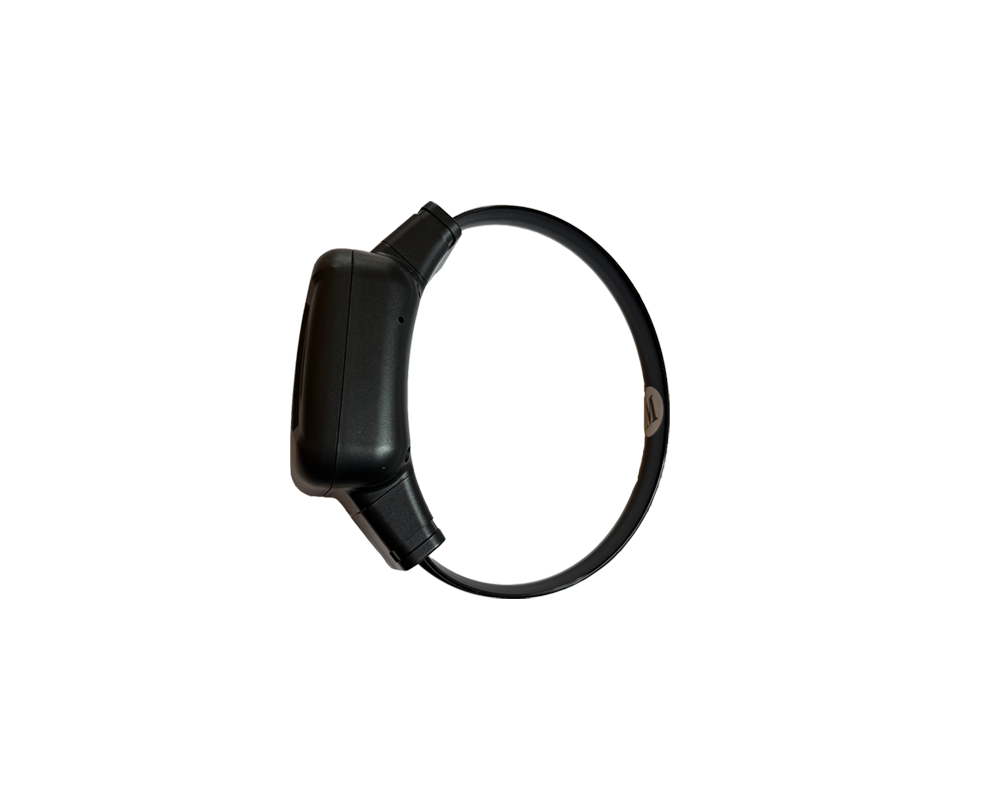
- Size and weight: Smaller, lighter devices are strongly preferred. The lowest-profile one-piece devices minimize visibility under clothing.
- Wrist vs ankle: Some juvenile programs use wrist-worn devices like the CO-EYE Wristband — a fitness-band-sized device that is far less stigmatizing than an ankle unit while still providing anti-tamper protection and BLE proximity monitoring.
- Waterproof: Juveniles participate in sports, swimming, and gym classes. IP67+ waterproof rating is essential.
Schedule Complexity
A typical juvenile’s weekly schedule is far more complex than an adult’s:
- School: 7:30 AM – 3:00 PM (with different schedules for early release, late start, and exam weeks)
- After-school activities: sports practice, tutoring, community service (varying by day)
- Part-time employment (for older teens)
- Weekend activities: church, family events, approved social activities
The monitoring platform must handle complex, variable schedules without generating false zone violations when a juvenile is at an approved activity that differs from their standard weekday schedule.
Tiered Technology
Juvenile programs should use tiered monitoring matched to risk and developmental needs:
- Tier 1 — Smartphone check-in: CO-EYE AMClient for lowest-risk youth. Photo check-ins verify school attendance and curfew compliance. Cost: $1-3/day. Least stigmatizing option.
- Tier 2 — Wristband + app: CO-EYE Wristband paired with smartphone app. BLE proximity ensures the youth is near their phone while the app tracks location. Fitness-band form factor minimizes stigma. Cost: $3-6/day.
- Tier 3 — GPS ankle monitor: CO-EYE ONE for highest-risk youth. Continuous GPS with optical fiber anti-tamper. Reserved for serious offenses where community safety requires continuous tracking. Cost: $5-12/day.
Effectiveness Evidence
Research on juvenile GPS monitoring is limited compared to adult programs, but emerging evidence suggests:
- GPS-monitored youth show comparable or better court appearance rates than detained youth who are released pending adjudication
- Juvenile GPS programs reduce detention bed usage by 15-30% in jurisdictions that use EM as a detention alternative
- Youth who remain in the community on GPS monitoring maintain school enrollment at higher rates than detained youth — supporting the rehabilitation mandate
- Effectiveness is highest when GPS is combined with case management, not used as a standalone supervision tool
Best Practices
- Use GPS as a detention alternative, not a release add-on. Net-widening in juvenile programs is ethically more concerning than in adult programs because of the developmental harm of over-supervision.
- Choose the least intrusive device that meets the supervision need. Wristband or smartphone monitoring should be tried before ankle-mounted GPS for most juveniles.
- Set defined monitoring periods with scheduled reviews. 30-60-90 day reviews with step-down to less intensive monitoring as the youth demonstrates compliance.
- Involve families. Parents should understand the technology, charging requirements, and alert procedures. Family engagement improves compliance.
- Coordinate with schools. Ensure school staff are aware (as appropriate) and that the device does not interfere with physical education, sports, or other activities.
Frequently Asked Questions
Is GPS monitoring legal for juveniles?
Yes, in most US jurisdictions. Some states have specific juvenile EM statutes, while others authorize GPS monitoring through general disposition conditions. Courts apply a “least restrictive” standard — GPS should only be ordered when less restrictive supervision options are insufficient. Parental consent is required in many jurisdictions.
What devices are best for juvenile monitoring?
Wrist-worn devices (like the CO-EYE Wristband) are preferred for most juveniles because they minimize social stigma at school while still providing anti-tamper protection. Smartphone check-in apps (CO-EYE AMClient) work for lowest-risk youth. GPS ankle monitors should be reserved for the highest-risk cases where continuous location tracking is required for community safety.
Does juvenile GPS monitoring affect school attendance?
GPS-monitored youth maintain school enrollment at higher rates than detained youth, supporting the use of EM as a detention alternative. However, visible ankle monitors can create stigma in school settings. Using wrist-worn or smartphone-based monitoring reduces this concern. Coordinate with school counselors to address any issues.
How long should a juvenile be GPS-monitored?
Juvenile GPS monitoring should have defined time limits with regular judicial review — typically 30-60-90 day review periods. As the youth demonstrates compliance, monitoring should step down from GPS ankle to wristband to smartphone check-in. Open-ended monitoring is inconsistent with the juvenile justice system’s rehabilitation focus and more vulnerable to legal challenge.
Can juvenile GPS monitoring data be shared?
Juvenile court records, including GPS monitoring data, are confidential in most jurisdictions. Data sharing is typically limited to the supervising agency, the court, the juvenile’s attorney, and the family. GPS monitoring data should be protected with the same confidentiality as other juvenile records and should not be accessible through adult criminal justice databases.