
Overview
Florida ranks as the nation’s largest market for electronic monitoring in criminal justice. With one of the highest volumes of bail bond activity, probation caseloads, and sex offender registrants in the country, Florida agencies deploy GPS ankle monitors across pretrial, probation, community control, and specialized sex offender programs. Understanding Florida’s statutory framework and county-level implementation differences is essential for corrections professionals procuring equipment or designing EM programs.
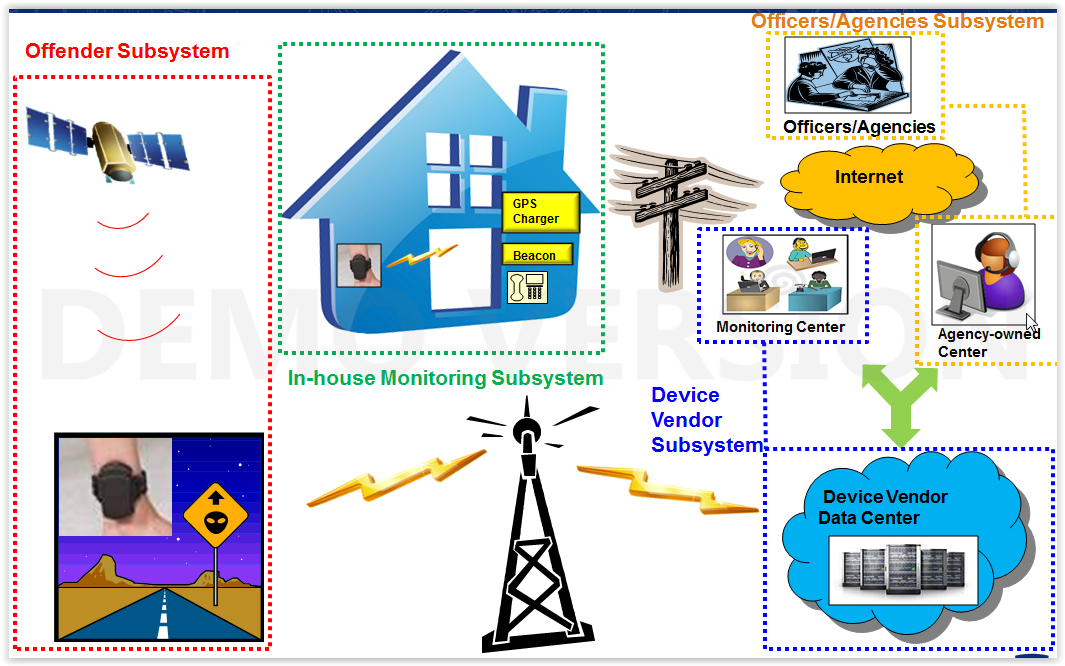
Florida law authorizes electronic monitoring through multiple statutory provisions. The framework distinguishes between pretrial release conditions, probation and community control, and mandatory lifetime monitoring for certain sex offenders. County sheriffs, probation departments, pretrial services agencies, and private bail bond companies all operate under this framework—often with varying technology standards and vendor relationships.
Program administrators report that Florida’s warm climate and outdoor lifestyle create unique challenges: devices must withstand humidity, salt air in coastal counties, and extended outdoor wear. Equipment durability and waterproof ratings matter more in Florida than in many other states. At the same time, the state’s large retiree and tourist populations mean monitoring programs often supervise defendants who travel between counties or states—making multi-state cellular coverage and robust GPS tracking essential.
Key Statutes and Laws
Florida Statute Chapter 948 governs probation and community control. State law establishes electronic monitoring as a standard condition for certain sex offenses, including offenses under Chapter 794. The Jessica Lunsford Act (enacted in 2005) mandates lifetime electronic monitoring for designated sex offenders, particularly those convicted of lewd or lascivious offenses against victims under 12 years of age.
Additional statutory provisions address electronic monitoring for offenders placed on probation or community control for specified school-related offenses. Courts may consider electronic monitoring combined with geographic restrictions, including prohibitions on approaching schools. These provisions do not require oral pronouncement at sentencing in many cases—monitoring is treated as a statutory standard condition.
For pretrial release, Florida permits electronic monitoring as a condition of bond. Authority stems from general pretrial conditions provisions and varies by judicial circuit. Some circuits have established pretrial services departments that administer EM programs; others rely on bail bond agencies or private monitoring vendors. County-level variation is significant.
Program Types
Probation and Community Control
Florida’s community supervision framework includes standard probation, administrative probation, and community control (the most intensive form). Electronic monitoring may be imposed as a condition of any of these. Community control typically involves house arrest with GPS tracking or RF home monitoring. Probation officers supervise caseloads through county probation departments or the Florida Department of Corrections.
Sex Offender GPS Monitoring
Under the Jessica Lunsford Act and related provisions, lifetime GPS monitoring applies to certain sex offenders. These programs require continuous location tracking with near-real-time reporting. Exclusion zones around schools, daycares, and victims’ residences are common. Some counties operate dedicated sex offender monitoring units; others contract with specialized vendors.
Pretrial Release
Pretrial electronic monitoring in Florida serves defendants released on bond who require enhanced supervision. Judges may order GPS monitoring for defendants charged with domestic violence, sex offenses, or other offenses where flight risk or community safety is a concern. Programs are administered by pretrial services agencies, sheriff’s offices, or private bond companies depending on the jurisdiction.
Bail Bond Monitoring
Florida’s bail bond industry is among the largest in the nation. Many bond agents require GPS monitoring as a condition of posting bond for higher-risk defendants. This is a contractual arrangement—defendants consent to monitoring as part of the bond agreement. Bond agents select vendors independently; no statewide vendor approval process exists for private bail monitoring.
Equipment Requirements
Florida does not mandate a single equipment standard across all program types. However, agencies and vendors typically require:
- GPS capability: Continuous location tracking for sex offender and high-risk pretrial programs; RF home monitoring may suffice for curfew-only programs
- Tamper detection: Optical fiber or similar anti-tamper technology that provides definitive cut/no-cut alerts—critical for sex offender and bail bond programs
- Cellular connectivity: LTE-M, NB-IoT, or GSM with reliable coverage across Florida’s urban and rural areas
- Exclusion zone (geo-fence) support: Configurable zones with instant violation alerts for sex offender and domestic violence cases
- Battery life: Minimum 5-7 days standalone operation to reduce compliance calls and charging logistics
For sex offender programs, equipment must support victim notification protocols. Some counties require integration with victim alert systems that notify protected parties when an offender enters a prohibited zone.
Battery life is particularly important in Florida. With many defendants working outdoors, in construction, or in hospitality—and with charging logistics complicated by transient housing situations—devices with seven or more days of standalone operation reduce compliance calls and missed data. LTE-M and NB-IoT cellular options often provide better building penetration and rural coverage than standard LTE in Florida’s varied terrain.
Vendor Selection Considerations
Florida’s fragmented vendor landscape means agencies have significant latitude in procurement—but also responsibility to evaluate thoroughly. With no statewide approval process, each county or program establishes its own standards. Agencies that have conducted RFPs report that vendor demonstrations should include real-world scenarios: exclusion zone violations, tamper events, low-battery notifications, and multi-device dashboard management. Field testing in Florida conditions—heat, humidity, coastal environments—is recommended before large deployments.
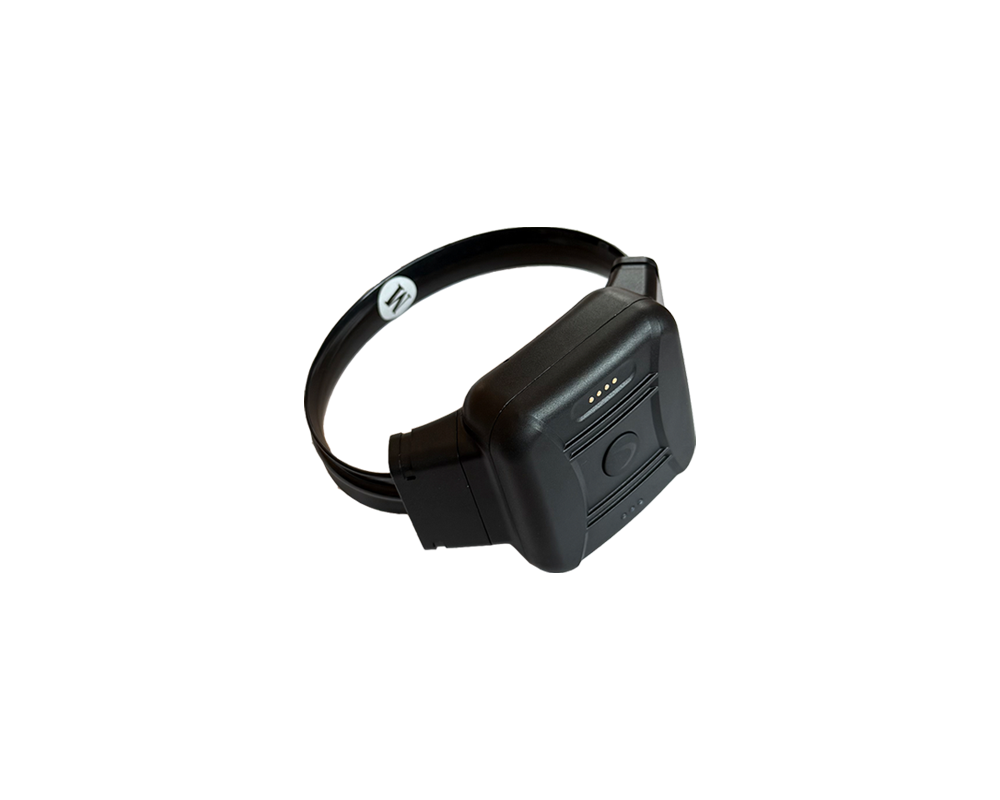
Florida agencies evaluating EM vendors should consider:
- County approval processes: Some sheriff’s offices and probation departments maintain approved vendor lists; verify local requirements before procurement
- Multi-program support: Vendors that can serve pretrial, probation, and sex offender programs under one platform simplify procurement and training
- Bail bond compatibility: For agencies that work with bond agents, vendors offering flexible billing and rapid device deployment have an advantage
- Statewide coverage: Defendants may relocate or travel; cellular coverage across Florida (including rural areas) matters for continuity
- Tamper evidence quality: Florida courts and probation departments expect reliable tamper detection; vendors with optical fiber or equivalent anti-tamper reduce false alerts and support enforcement actions
Compliance Checklist
Before deploying or expanding electronic monitoring in Florida:
- ✓ Confirm statutory authority for the program type (pretrial, probation, sex offender)
- ✓ Review county or circuit-specific policies and approved vendor lists
- ✓ Ensure equipment meets exclusion zone and victim notification requirements for applicable cases
- ✓ Verify tamper detection capabilities meet program risk level
- ✓ Establish protocols for alert response, including escalation to law enforcement or probation
- ✓ Document defendant consent and monitoring conditions in court orders or bond agreements
- ✓ Train staff on device installation, removal, and troubleshooting
Frequently Asked Questions
Does Florida require electronic monitoring for all sex offenders?
Florida mandates lifetime electronic monitoring for certain sex offenders under the Jessica Lunsford Act and related statutes—particularly those convicted of specified offenses involving victims under 12. Not all sex offenders are subject to mandatory GPS monitoring; the requirement applies to designated offense categories. Courts may also impose monitoring as a condition of probation for other sex offenses.
Who selects EM vendors in Florida—state or county?
Vendor selection is largely decentralized. County sheriffs, probation departments, pretrial services agencies, and private bail bond companies each make independent procurement decisions. Some counties maintain approved vendor lists; others allow any vendor meeting basic technical requirements. State law does not prescribe a statewide vendor approval process.
Can Florida bail bond agents require GPS monitoring?
Yes. Bail bond agents may require GPS monitoring as a condition of posting bond. This is a contractual arrangement—the defendant agrees to monitoring in exchange for the agent’s willingness to post bond. The agent bears the cost or passes it to the defendant per the bond agreement. No court order is required for bond-conditioned monitoring.
For agencies evaluating GPS ankle monitoring equipment that meets Florida standards, contact CO-EYE for a demo.