
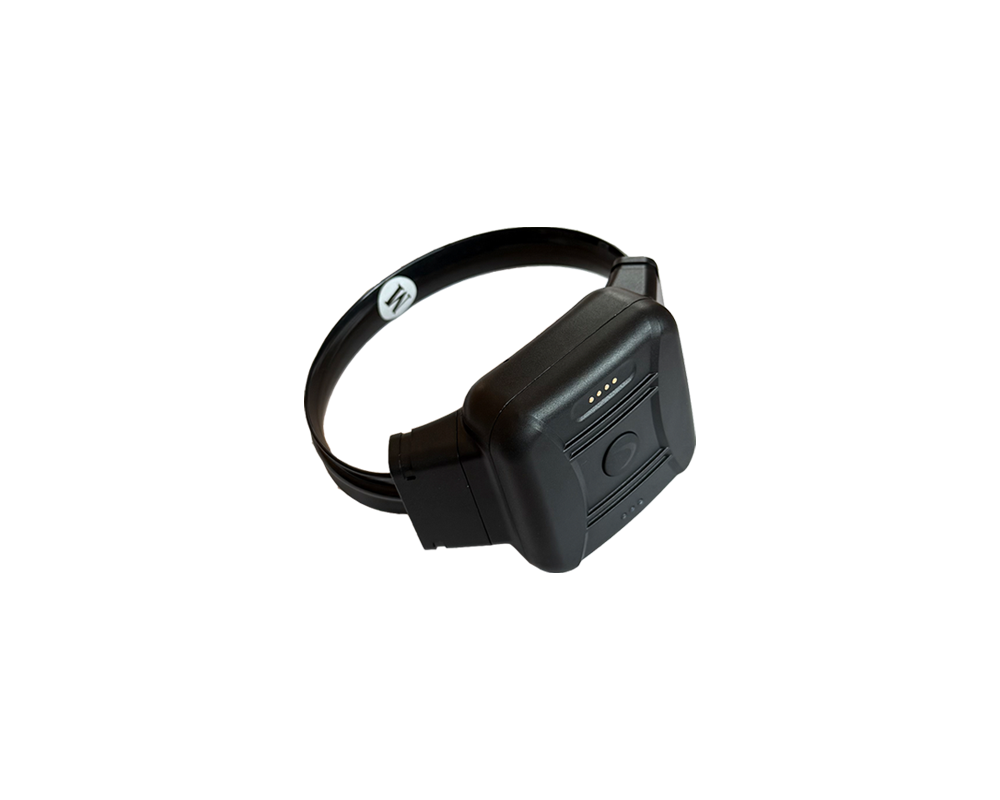
An ankle monitor is one of the most visible symbols of modern community supervision. Whether you are researching court-ordered supervision, supporting a family member, or evaluating equipment for an agency, this guide explains how an ankle monitor works in plain language—without losing the technical detail agencies need. If you want a foundational definition first, read our companion page on what an ankle monitor is, then return here for a 2026-focused technology overview.
Across pretrial, probation, parole, and victim-safety programs, the same core idea applies: an ankle monitor continuously proves location, schedule compliance, or sobriety rules using sensors, radios, and secure reporting. The best modern systems reduce false alerts, improve wearer comfort, and make electronic monitoring easier to defend in court. This article walks through device types, daily-life realities, legal expectations, pricing patterns, and the engineering trends defining the next generation of GPS ankle monitor hardware.
What Is an Ankle Monitor and How Does It Work?
An ankle monitor (often called an electronic monitoring bracelet) is a court- or agency-authorized wearable that supervises compliance with release conditions, curfews, exclusion zones, or treatment requirements. At a high level, every device in this category performs three jobs: sense (movement, tamper, proximity, or alcohol metabolites), communicate (cellular, Wi-Fi, RF, or Bluetooth), and document (timestamps, maps, alerts, and audit trails for officers and courts).
When people ask how an ankle monitor works, the honest answer is “it depends on the model.” A standalone GPS ankle monitor contains GNSS receivers, cellular modems, batteries, and tamper sensors in one housing worn on the ankle. A two-piece system may place cellular reporting on a hip unit while the bracelet on the leg proves proximity through RF or Bluetooth tethering. Alcohol programs may pair location supervision with transdermal testing or breath verification.
Regardless of architecture, supervision is a workflow: the bracelet generates events, a monitoring platform applies rules (geofences, schedules, victim proximity), and staff respond to exceptions. That workflow is why reliability matters as much as raw accuracy—equipment that generates constant false tamper alerts can undermine trust in the entire electronic monitoring program.
For a buyer-oriented walkthrough of evaluation criteria, our GPS ankle monitor guide complements this article by focusing on procurement questions and field deployment considerations.
Types of Ankle Monitors: GPS, RF, Alcohol, and Hybrid
Not every court-ordered bracelet is a GPS ankle monitor. Understanding categories helps families interpret court orders and helps agencies match risk to equipment.
GPS and cellular ankle monitors
A one-piece GPS ankle monitor integrates satellite positioning, assisted location (Wi-Fi/LBS where permitted), and cellular upload paths. This category dominates pretrial and high-risk post-conviction supervision because it supports real-time maps, rapid exclusion-zone alerts, and detailed location histories. When courts require continuous location accountability, a GPS ankle monitor is typically the default choice.
RF and home-detention systems
Radio-frequency systems often pair an ankle transmitter with a home base unit. These designs excel at proving “home confinement” compliance with strong indoor presence detection, sometimes with fewer cellular costs than full-time satellite tracking. Many programs still use RF-first approaches for lower-risk cases or as part of stepped sanctions.
Alcohol monitoring
Alcohol programs may use ankle-worn transdermal devices, breath units, or combined workflows. These tools are not interchangeable with a generic GPS ankle monitor, but hybrid programs frequently layer alcohol testing on top of location rules—especially in DUI courts and high-recidivism alcohol cases.
Hybrid supervision (smartphone + ankle)
Some agencies combine a lightweight bracelet with smartphone check-ins, biometric verification, or Bluetooth tethering. Hybrids can reduce device weight for lower-risk cohorts while preserving stronger proof for curfew windows.
| Supervision goal | Common device style | Typical strengths |
|---|---|---|
| Continuous location + geofences | GPS ankle monitor (one-piece or two-piece) | Maps, histories, exclusion zones |
| Home confinement presence | RF transmitter + base unit | Strong indoor “at home” proof |
| Alcohol compliance | Transdermal / breath programs | Direct sobriety verification |
| Lower burden + accountability | Hybrid phone + bracelet | Flexible workflows |
Who Wears Ankle Monitors?
The population wearing an ankle monitor is broader than popular culture suggests. Courts and agencies use electronic monitoring to support release, rehabilitation, and victim safety across pretrial, probation, parole, domestic violence, and immigration contexts.
Pretrial and bail supervision
Pretrial programs may assign a GPS ankle monitor to reduce flight risk while preserving employment and family stability. Conditions frequently include curfews, exclusion zones near alleged victims, and rapid response requirements if the device is tampered with or loses connectivity.
Probation and parole
Post-conviction supervision often uses a GPS ankle monitor for high-risk cases, sex offense conditions, gang restrictions, or intensive supervision caseloads. Officers rely on location histories to verify employment travel routes, treatment attendance, and compliance with no-contact orders.
Domestic violence and victim safety
Some jurisdictions emphasize victim proximity detection, rapid notification workflows, and strict geofences. A modern GPS ankle monitor program may integrate victim phones or stationary beacons, depending on local policy and vendor capabilities.
Immigration and federal alternatives to detention
Immigration contexts also use ankle-worn location devices in certain programs. The ankle monitor must produce trustworthy timestamps and tamper evidence suitable for administrative proceedings.
What Does Wearing an Ankle Monitor Feel Like?
Wearer experience is a legitimate policy issue. A heavy bracelet can irritate skin, catch on clothing, and discourage compliance; a bulky housing can make sleep and exercise harder. That is why weight and ergonomics became competitive specs in the GPS ankle monitor market.
Most people describe three practical sensations: pressure and heat around the strap, occasional vibrations for low battery or reminders, and charging routines that must fit into daily life. Waterproofing matters more than many families expect—showers, rain, and sweat are daily realities. If an ankle monitor is not rated for realistic exposure, agencies spend time on unnecessary device swaps and wearer disputes.
How GPS Ankle Monitors Track Location
A GPS ankle monitor typically combines satellite positioning with assisted fixes when sky view is limited. Urban canyons, parking structures, and interior rooms challenge any GNSS device, so reputable platforms also use permitted Wi-Fi/LBS assistance, motion sensing, and conservative alert logic to avoid punishing people for normal signal loss.
Reporting cadence matters as much as the fix itself. Some programs poll location frequently during high-risk windows and relax intervals overnight. Many devices buffer events during temporary outages so the record stays continuous—electronic monitoring platforms should display gaps honestly rather than “connecting dots” in misleading ways.
If you are comparing bracelet terminology and consumer misconceptions, our deep dive on GPS ankle bracelet technology explains how search language overlaps with ankle monitor products used in corrections.
Ankle Monitor Rules: What Can and Can’t You Do?
Rules are always jurisdiction-specific, but most programs share common themes. You should expect written conditions covering curfew windows, approved locations (work, treatment, worship), travel permissions, charging expectations, and tamper prohibitions. Attempting to remove, shield, or defeat an ankle monitor is typically a serious violation—even when motivation is embarrassment rather than absconding.
Because rules differ, treat this section as orientation, not legal advice. If you need program-specific guidance, consult your officer of record or defense counsel for your court order.
How Much Does an Ankle Monitor Cost?
Costs vary by county, vendor contract, payer of record, and whether the participant pays user fees. For a structured breakdown of daily fees, equipment leases, and total cost of ownership for agencies, see our ankle monitor cost guide.
At a high level, the “price” of an ankle monitor is not only the device—it includes monitoring staff time, alert triage, field visits, charger replacement, and training. A cheaper per-diems rate can be expensive if the GPS ankle monitor generates excessive false alerts that consume officer hours.
2026 Technology Advances: One-Piece Design, Fiber-Optic Tamper Detection
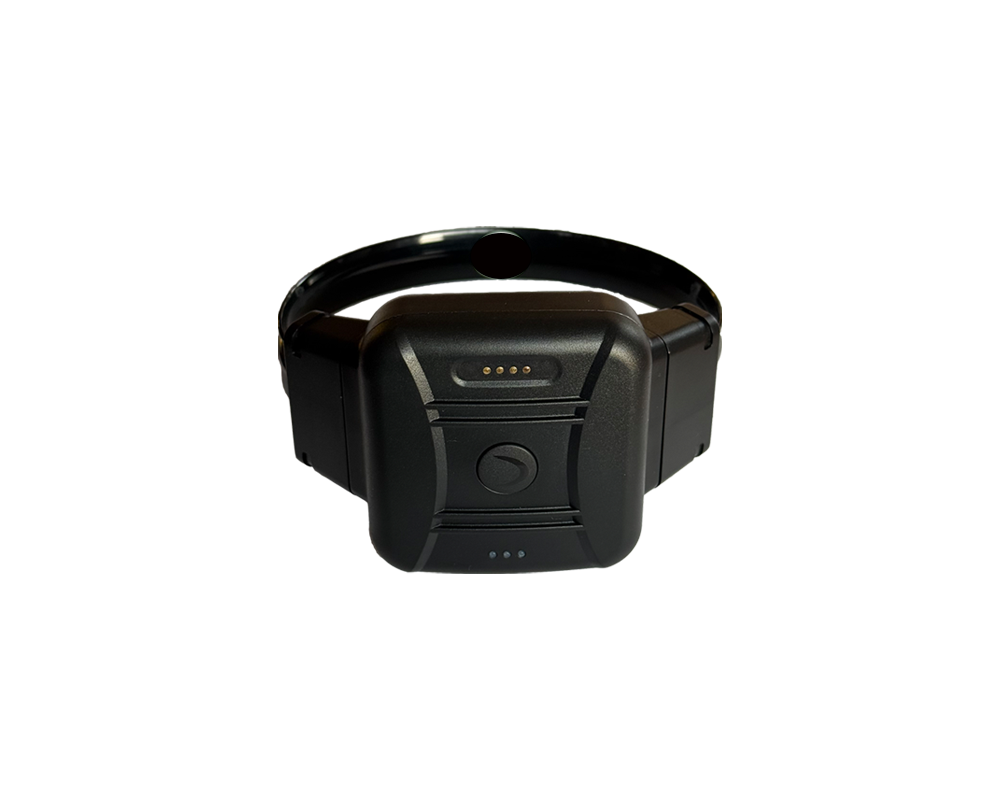
Supervision technology in 2026 continues to move toward lighter one-piece GPS ankle monitor designs, better cellular coverage through modern IoT-oriented radios, and tamper detection that produces court-grade evidence without constant false positives. For agencies, the engineering goal is simple: an ankle monitor should be easy to install, hard to defeat, and honest about what it knows.
CO-EYE ONE (flagship one-piece GPS ankle monitor)
The CO-EYE ONE is a one-piece GPS ankle monitor built for intensive community supervision: 108 g weight, 60×58×24 mm compact dimensions, and fiber-optic tamper detection on strap and case for zero false-positive tamper signaling. Positioning combines GPS + BeiDou + GLONASS + Galileo with assisted fixes, targeting < 2 m GPS accuracy. Battery life reaches 7 days in standalone LTE-M/NB-IoT reporting modes (5-minute interval), with < 3 second snap installation and IP68 waterproofing.
Cellular connectivity is built around 5G-compatible LTE-M / NB-IoT (plus GSM paths). Security includes HTTPS/SSL and AES128/256 encryption with CyberSecurity EN 18031 compliance.
CO-EYE ONE-AC (eSIM + long-life BLE connected mode)
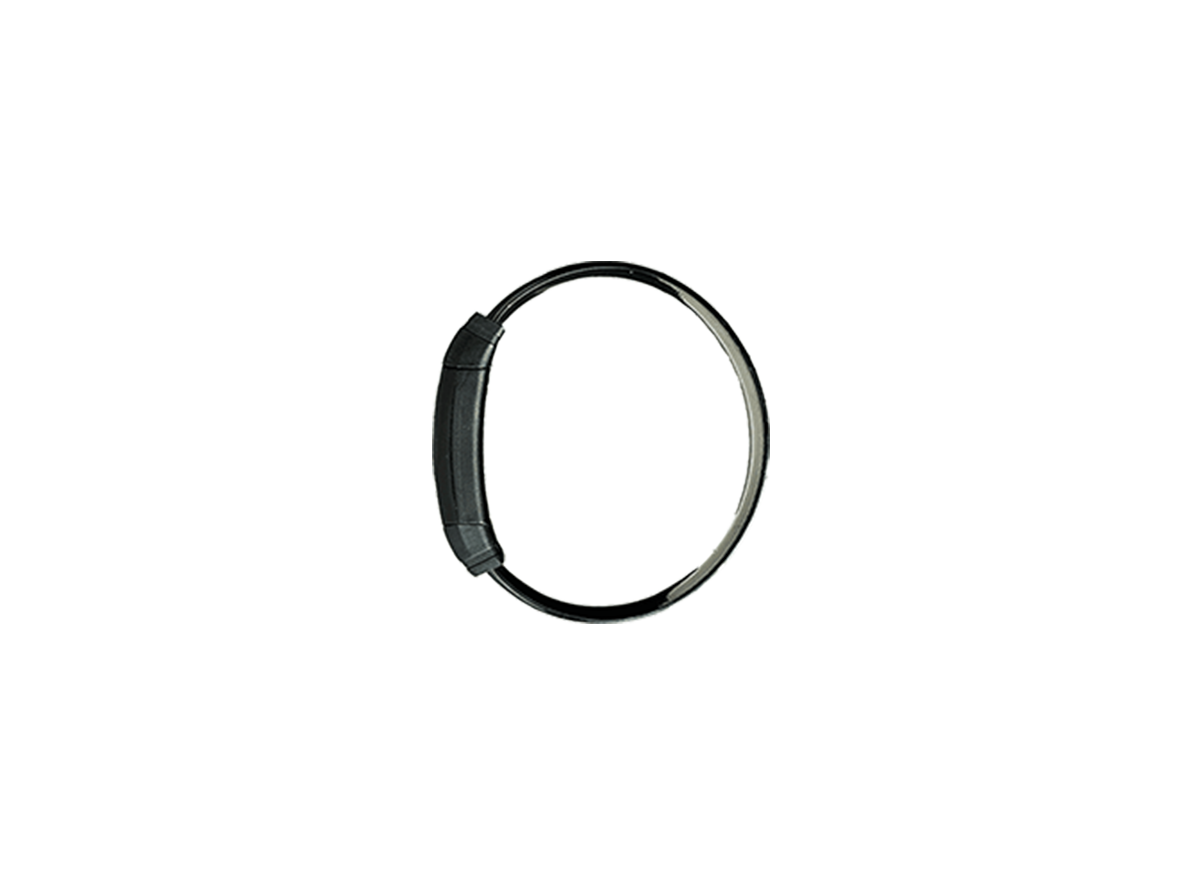
The CO-EYE ONE-AC variant adds eSIM flexibility and supports BLE-connected supervision modes—extending battery life up to 6 months in BLE connected mode while retaining rapid installation and optical tamper integrity.
CO-EYE DUO (high-security tamper continuity)
For maximum-risk cohorts, CO-EYE DUO emphasizes anti-tamper monitoring that continues even if battery power is depleted—a critical differentiator when courts demand uninterrupted integrity signaling.
CO-EYE AMClient (smartphone supervision layer)
CO-EYE AMClient provides an iOS/Android supervision app with SOS, structured check-ins, and Bluetooth tethering—useful for stepped supervision models that combine smartphone accountability with bracelet-class evidence.
Frequently Asked Questions
What is an ankle monitor?
An ankle monitor is a supervised wearable used to verify compliance with court or agency conditions—commonly through location reporting (GPS ankle monitor), home-detection RF, alcohol testing, or hybrid models.
How does a GPS ankle monitor work?
A GPS ankle monitor uses satellite positioning plus permitted assisted location methods, then transmits events and location histories to a monitoring center through cellular channels.
Can you shower with an ankle monitor?
Many modern devices are built for water exposure. IP68-rated designs like the CO-EYE ONE are engineered for harsh daily environments—still confirm with your officer because program policies differ.
How far can you go with an ankle monitor?
Travel limits are defined by your court order (inclusion/exclusion zones, mileage permissions, interstate travel approvals). The ankle monitor documents whether you stayed inside approved boundaries.
What happens if you cut off your ankle monitor?
Cutting or forcing removal typically triggers a tamper alert and can lead to arrest, revocation hearings, or new charges depending on jurisdiction.
How much does an ankle monitor cost per day?
Daily participant fees vary widely by county and vendor. Use our cost guide to understand typical line items beyond the headline per-day number.
For a detailed analysis of how tamper detection technology affects program costs and courtroom credibility, see our guide to ankle monitor false alarms and tamper detection comparison.
Essential Ankle Monitor Guides
Related Articles

Ohio Demands Real-Time GPS Ankle Bracelet Monitoring After Two Murders Exposed Fatal Gaps in Post-Release Supervision
GPS Ankle Bracelet Failure Led to Murder: Louisiana Landmark Case Exposes Critical Gaps in Electronic Monitoring Accountability

Types of Ankle Monitors Explained: GPS, RF, Alcohol & Next-Gen Devices in 2026
Need GPS Ankle Monitors for Your Agency?
Contact us for a consultation and product evaluation.
Contact Sales