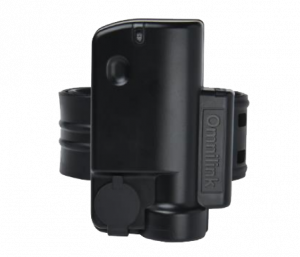
Every probation officer who has managed a DUI caseload knows the drill: SCRAM ankle bracelets that need daily modem check-ins, offenders complaining about shower restrictions, and the occasional tamper alert that turns out to be a loose strap — not a vodka binge. The alcohol monitoring bracelet market has been stuck in this pattern for two decades, dominated by a single technology principle that dates back to the early 2000s.
After 16+ years of designing electronic monitoring hardware — including GPS ankle monitors and BLE wristbands used across 30+ countries — we have a clear-eyed view of where alcohol monitoring technology stands today, where it’s going, and what agencies should actually look for when procuring these devices in 2026.
This guide breaks down the three forms of alcohol monitoring available to criminal justice agencies, compares every major vendor on the market, and explains why the entire product category is on the verge of a fundamental technology shift.
How Does an Alcohol Monitoring Bracelet Actually Work?
An alcohol monitoring bracelet — sometimes called a SCRAM bracelet, alcohol ankle monitor, or transdermal alcohol detection device — measures ethanol vapor that passes through the skin via perspiration. When a person consumes alcohol, approximately 1% of the ingested ethanol is excreted through sweat. An electrochemical fuel cell sensor in contact with the skin detects this ethanol vapor, converts it to an electrical signal proportional to the alcohol concentration, and stores the reading.
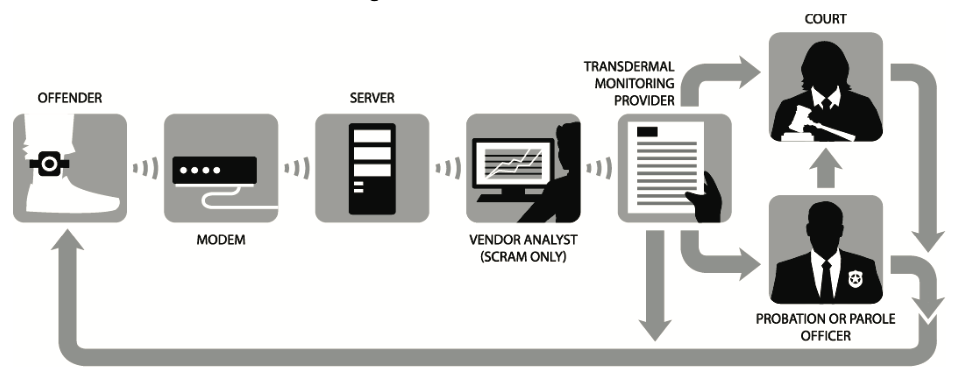
The device typically samples every 30 minutes (SCRAM CAM) or as frequently as every 5 minutes (newer devices like Arborsense GRADE). Data is uploaded via a modem, cellular connection, or Bluetooth to a central server, where vendor analysts review the readings before flagging confirmed drinking events to supervising officers.
According to a landmark NHTSA study (McKnight, Fell, & Auld-Owens, 2012) examining six jurisdictions using transdermal alcohol monitoring, compliance rates across 11,939 completed monitoring terms averaged 80-88% — meaning the technology broadly works as a deterrent. But that same study noted that 16.9% of all noncompliance was tamper-related rather than drinking-related, revealing a significant device reliability issue that persists today.
Three Forms of Court-Ordered Alcohol Monitoring — Not Just Bracelets
Agencies evaluating alcohol monitoring options face a choice between three fundamentally different approaches, each with distinct trade-offs in cost, compliance burden, and monitoring reliability. The industry conversation fixates on wearable bracelets, but the reality is more nuanced.
Form 1: Portable Bluetooth Breathalyzer + Smartphone App
The lowest-cost approach pairs a handheld Bluetooth breathalyzer with a smartphone monitoring app. The offender blows into the device while the phone’s camera captures facial recognition video to verify identity. The app transmits both the BAC reading and the biometric verification via cellular data to the monitoring platform.
Vendors: Soberlink (the market leader in this segment), Smart Start, Intoxalock remote monitoring options.
Typical cost: $5-8/day — lower than continuous monitoring bracelets.
Key limitation: This is scheduled testing, not continuous monitoring. An offender can drink between test windows. The system relies on the offender having a charged smartphone with cellular data — not always reliable for high-risk populations.
Form 2: Standalone Portable Device with Built-in Camera + Cellular
A step up in security: the breathalyzer device itself contains an integrated camera for facial recognition and a GSM/GPS module for independent data reporting. No smartphone required — the device handles identity verification and data transmission autonomously.
Vendors: BI Incorporated’s Sobrietor, various OEM devices used by regional monitoring companies.
Typical cost: $8-12/day.
Key limitation: Still scheduled (not continuous) monitoring. Adds hardware cost for the integrated camera and cellular module. Bulkier than a simple Bluetooth breathalyzer.
Form 3: Continuous Wearable Transdermal Alcohol Monitoring Bracelet
The most intensive (and most expensive) option: a bracelet worn 24/7 on the ankle or wrist that continuously samples alcohol through the skin. This is the product category that dominates court-ordered alcohol monitoring for high-risk DUI offenders.
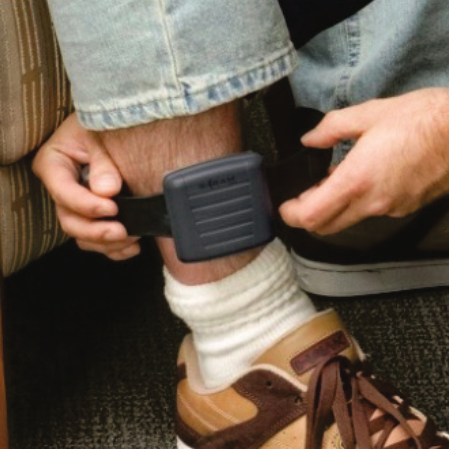
Typical cost: $5-15/day depending on jurisdiction and vendor.
Key advantage: Continuous, passive monitoring — no offender cooperation required for individual tests.
Key limitations (and they are significant): Bathing restrictions that affect daily life, sensor gas-tightness issues with water submersion, periodic sensor calibration requirements, and — most critically — the entire product category still relies on the same electrochemical detection principle used 20 years ago.
Every Major Alcohol Monitoring Bracelet Vendor Compared
The transdermal alcohol monitoring bracelet market in 2026 includes both entrenched incumbents and emerging challengers. Here is what each actually offers:
SCRAM CAM — The 800-Pound Gorilla
Manufacturer: Alcohol Monitoring Systems (AMS), now part of SCRAM Systems
Wear location: Ankle
Sensor: Electrochemical fuel cell
Sampling interval: Every 30 minutes
Battery: ~90 days
Installed base: 500,000+ offenders monitored (AMS reported figure)
Market penetration: Used in 46+ U.S. states, 1,800+ courts
SCRAM CAM is the undisputed market leader in court-ordered alcohol monitoring. The 2012 NHTSA case study documented that across six jurisdictions, SCRAM achieved 80-88% compliance rates among 11,939 completed terms (McKnight et al., 2012, DOT HS 811 603, Table 1). Only 1.4% of offenders had confirmed drinking events, while 16.9% had tamper violations.
SCRAM’s dominance is partly a function of being first to market at scale and partly because the legal infrastructure — court orders, probation workflows, vendor analyst review processes — has been built around SCRAM’s specific reporting format.
Arborsense GRADE — The Wrist-Worn Challenger
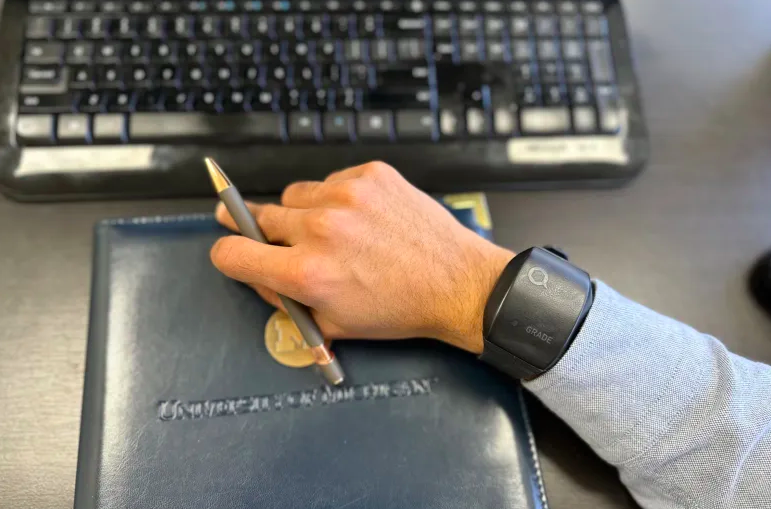
Manufacturer: Arborsense (UK-based)
Wear location: Wrist
Sensor: Graphene-based electrochemical
Sampling interval: Every 5 minutes (6x faster than SCRAM CAM)
Battery: ~4 weeks
Distribution in U.S.: Available through CourtFact at $7.49-8.99/day
Key differentiator: Wrist-worn design (lower stigma than ankle), faster sampling, newer sensor chemistry
Arborsense GRADE represents the first serious challenge to SCRAM’s monopoly. The wrist placement and smaller form factor directly address the stigma complaint that has plagued ankle-worn devices. The graphene sensor is marketed as a generational upgrade over SCRAM’s fuel cell, though independent comparative studies are still limited.
BI TAD (Transdermal Alcohol Detection)
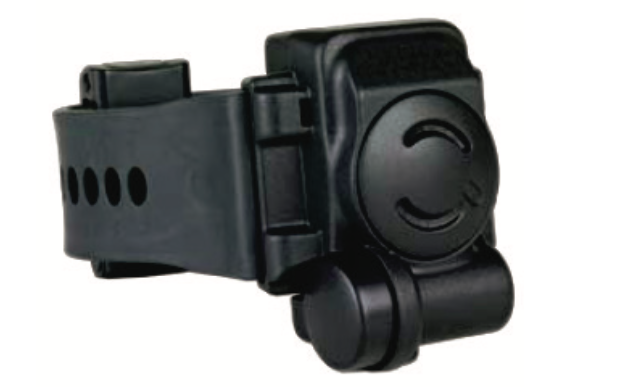
Manufacturer: BI Incorporated (GEO Group subsidiary)
Wear location: Ankle
Sensor: Electrochemical fuel cell
Connectivity: LTE base station + RF for house arrest
Installed base: 1,700+ units at ~200 sites (as of 2012 NHTSA report)
Key differentiator: Combined alcohol monitoring + RF house arrest in single device
The BI TAD is the second-most-deployed transdermal alcohol monitoring device in the U.S. The 2012 NHTSA study specifically compared both SCRAM and TAD across six case study sites, noting that “both devices use ankle bracelets that sample perspiration to detect ethanol vapor and can automatically transfer the information” (McKnight et al., 2012, p. 2). BI’s advantage is integration with its existing GPS and house arrest monitoring ecosystem.
Buddi Alco Tag
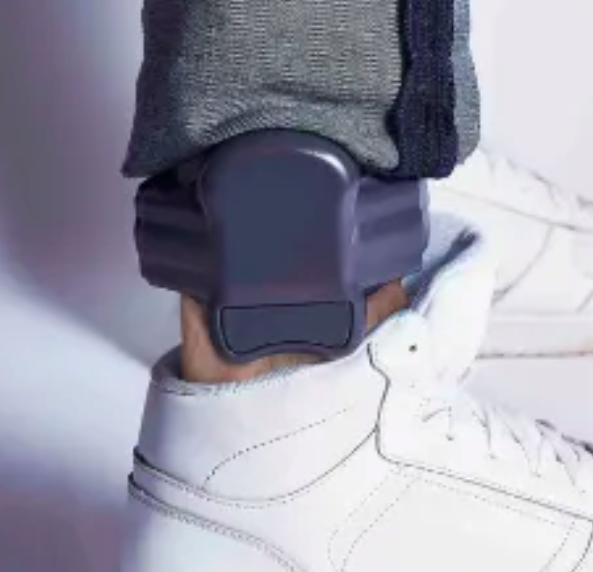
Manufacturer: Buddi (UK-based)
Wear location: Ankle
Primary market: UK Ministry of Justice, European agencies
Key differentiator: Integrated with Buddi’s GPS tagging platform; established in the UK alcohol abstinence monitoring programme
Buddi’s Alco Tag is primarily deployed in the UK market, where it is used as part of court-ordered Alcohol Abstinence Monitoring Requirements (AAMRs). For U.S. agencies, Buddi is less relevant as a direct procurement option, but its existence demonstrates international demand for combined GPS + alcohol monitoring.
BACtrack Skyn and SOBRsafe — R&D Stage / Consumer
BACtrack Skyn: Winner of the NIH Wearable Biosensor Challenge. Wrist-worn, samples every 15-20 seconds. Still in R&D/limited deployment — not available for criminal justice at scale.
SOBRsafe: Consumer-oriented wrist device ($199-299 purchase), 4-day battery, marketed for workplace and recovery programs. Not designed for court-ordered monitoring with chain-of-custody requirements.
What Every Current Alcohol Monitoring Bracelet Gets Wrong
Here is what 16 years of EM hardware engineering tells us about the state of transdermal alcohol monitoring technology in 2026: every product on the market — including SCRAM CAM — still relies on essentially the same electrochemical detection principle that was first deployed over 20 years ago.
This is not a criticism of any specific vendor. It is a statement about the technological maturity of the entire product category. The electrochemical fuel cell approach to transdermal alcohol detection works — the 80-88% compliance rates from the NHTSA study prove it — but it comes with inherent limitations that no amount of firmware updates can fix:
Bathing and Water Restrictions
Every transdermal alcohol monitoring bracelet imposes some form of restriction on bathing. The sensor must maintain contact with the skin surface to detect ethanol vapor, and the gas-tight seal between the sensor chamber and the skin is vulnerable to water intrusion. Offenders are typically instructed to limit shower duration, avoid baths, and never submerge the device. For people wearing these devices for 90+ days, this is not a minor inconvenience — it is a daily quality-of-life degradation that contributes to compliance fatigue.
Sensor Gas-Tightness and Environmental Interference
The electrochemical fuel cell must be sealed tightly enough to sample only transdermal ethanol vapor while excluding environmental alcohol exposure (hand sanitizer, cologne, cleaning products). In practice, this gas-tight seal degrades over time, and environmental exposure to alcohol vapor remains a significant source of contested readings. The NHTSA case study noted that “data suggesting that drinking occurred may be blamed on exposure to alcohol vapor for a lengthy time span, such as a bartender might experience” (McKnight et al., 2012, p. 8).
Periodic Sensor Calibration and Replacement
Electrochemical fuel cells have a finite operational life. The catalyst material degrades with use, requiring periodic calibration or complete sensor module replacement. This adds logistical overhead for monitoring agencies — every device needs to cycle back to the vendor periodically for maintenance.
The Lag Problem
Transdermal alcohol detection has an inherent 1-2 hour lag between consumption and peak transdermal ethanol readings. A drinking event at 9 PM may not register until 11 PM. While this does not prevent detection of a drinking event, it means real-time intervention is impossible — by the time the system flags an alert, the offender has already been impaired for hours.
Why the Alcohol Monitoring Bracelet Industry Is About to Change
The electrochemical approach that has defined transdermal alcohol monitoring for two decades is approaching a technological dead end. Not because it does not work — it does — but because an entirely different sensor technology is maturing that will make standalone alcohol monitoring bracelets obsolete as independent products.
Optical and spectral alcohol sensing — measuring blood alcohol concentration through near-infrared spectroscopy or Raman spectroscopy directed at subcutaneous tissue — follows the exact same trajectory that heart rate and blood oxygen monitoring followed a decade ago. PPG (photoplethysmography) sensors for heart rate went from dedicated medical devices costing hundreds of dollars to $0.50 components integrated into every smartwatch and fitness band on the market.
The implications for the electronic monitoring industry are profound:
- Alcohol detection will become a feature, not a product. Just as heart rate monitoring is now a standard feature in wearable devices rather than a standalone product category, optical alcohol sensing will be integrated directly into GPS ankle monitors and BLE wristbands. The incremental cost of adding an optical alcohol sensor to an existing wearable monitoring device will be minimal — perhaps $5-15 per unit at volume.
- No more bathing restrictions. Optical sensors read through the skin using light — there is no gas-tight seal to maintain, no electrochemical cell to protect from water. An IP68-rated GPS ankle monitor with an integrated optical alcohol sensor would allow normal showering and swimming.
- No sensor calibration or replacement. Optical sensors do not consume reagents or degrade catalysts. The LED/photodiode components have operational lifespans measured in years, not months.
- Real-time detection. Optical spectroscopy can detect changes in blood alcohol within minutes of consumption — dramatically reducing the 1-2 hour lag inherent in transdermal detection.
For agencies currently procuring separate GPS ankle monitors and alcohol monitoring bracelets — often from different vendors, at separate daily rates, creating a dual-device burden for the offender — the convergence of these technologies means a single device that handles both location tracking and continuous alcohol monitoring. One device. One daily rate. One vendor relationship.
What Does an Alcohol Monitoring Bracelet Cost?
The NHTSA case study documented costs across six jurisdictions (McKnight et al., 2012, Table 4):
| Vendor / Device | Daily Cost | Who Pays | Wear Location |
|---|---|---|---|
| SCRAM CAM | $5-12/day | Mostly offender-paid | Ankle |
| BI TAD | $5-10/day | Agency/offender split | Ankle |
| Arborsense GRADE (via CourtFact) | $7.49-8.99/day | Varies | Wrist |
| Buddi Alco Tag | UK pricing (£ gov contract) | Government | Ankle |
When an agency requires both GPS location monitoring and alcohol monitoring — which is increasingly common for high-risk DUI offenders — the daily cost combines the GPS ankle monitor rate ($5-15/day) with the alcohol bracelet rate ($5-12/day). Dual-device monitoring for a single offender can reach $20-27/day — a significant cost driver that integrated next-generation devices are positioned to reduce.
How Should Agencies Evaluate Alcohol Monitoring Bracelets in 2026?
Given the current state of the technology and the approaching disruption, agencies procuring alcohol monitoring bracelets today should ask vendors these specific questions:
1. What is the actual false-positive rate from environmental alcohol exposure?
Vendors will quote their confirmed drinking detection accuracy. Ask instead about the rate at which initial readings are flagged but later determined to be environmental exposure (hand sanitizer, cologne, cleaning products, workplace chemical exposure). This number directly affects officer workload and offender experience. The NHTSA study found that contested readings from “exposure to alcohol vapor for a lengthy time span” were a recurring operational issue across all six case study sites (McKnight et al., 2012).
2. What are the specific bathing and water exposure restrictions?
Get this in writing. “Brief showers are permitted” is not a specification. How many minutes? What water temperature range? Can the offender swim? Take a bath? These restrictions directly affect offender compliance and program completion rates.
3. What is the sensor replacement cycle and associated cost?
Electrochemical fuel cells degrade. What is the expected operational life of the sensor module? How does the vendor handle mid-term sensor failure? Is there a separate charge for sensor replacement during a monitoring term?
4. Does the vendor offer combined GPS + alcohol monitoring in a single device?
If not today, what is their product roadmap? Agencies that lock into long-term contracts with standalone alcohol bracelet vendors may find themselves paying double daily rates while competitors offer integrated solutions.
5. Is the vendor investing in optical/spectral alcohol sensing R&D?
This is the forward-looking question that separates vendors positioned for the next decade from those defending a legacy technology. The shift from electrochemical to optical sensing is not speculative — it is following the exact trajectory of PPG heart rate sensors, just 5-7 years behind.
Frequently Asked Questions About Alcohol Monitoring Bracelets
What is an alcohol monitoring bracelet?
An alcohol monitoring bracelet is a wearable electronic device — typically worn on the ankle or wrist — that continuously measures alcohol consumption through transdermal (through-the-skin) detection. Court-ordered for DUI and alcohol-related offenses, these devices use electrochemical sensors to detect ethanol vapor in perspiration and report the data to supervising officers.
How much does an alcohol monitoring bracelet cost per day?
Alcohol monitoring bracelets typically cost $5 to $15 per day depending on the vendor, jurisdiction, and whether the offender or the agency pays. The SCRAM CAM system, the most widely used device, costs $5-12/day across most U.S. jurisdictions. When combined with a separate GPS ankle monitor for location tracking, total daily monitoring costs can reach $20-27 per offender.
Can you shower with an alcohol monitoring bracelet?
Brief showers are generally permitted, but all current transdermal alcohol monitoring bracelets impose water exposure restrictions. Extended bathing, swimming, and submerging the device are typically prohibited because water can interfere with the electrochemical sensor’s gas-tight seal and cause false readings or device damage. These restrictions are one of the most common offender complaints.
What is the difference between SCRAM and other alcohol monitoring bracelets?
SCRAM CAM (from Alcohol Monitoring Systems) is the dominant product with 500,000+ monitored offenders and presence in 46+ U.S. states. Alternatives include the Arborsense GRADE (wrist-worn, graphene sensor, 5-minute sampling), BI TAD (ankle-worn with integrated RF house arrest), and Buddi Alco Tag (primarily UK market). All use variations of electrochemical transdermal alcohol detection. The primary differentiators are sampling frequency, form factor (ankle vs. wrist), and integration with other monitoring capabilities.
Will alcohol monitoring bracelets be integrated into GPS ankle monitors?
Yes — this convergence is widely anticipated in the electronic monitoring industry. Optical and spectral alcohol sensing technology is following the same miniaturization trajectory as heart rate sensors. When optical alcohol sensors become commercially viable for criminal justice applications, they will be integrated directly into GPS ankle monitors and BLE wristbands, eliminating the need for separate alcohol monitoring devices.
About REFINE Technology (CO-EYE)
REFINE Technology is the leading electronic monitoring solutions provider in China with over 16 years of experience in the criminal justice industry. As the exclusive supplier for top security agencies, REFINE Technology has deployed 200,000+ devices across 30+ countries, monitoring 130,000+ individuals. The CO-EYE product line — featuring the next-generation all-in-one GPS ankle monitor, BLE wristbands, RF home beacons, and a unified monitoring platform — delivers high-security, low-stigma supervision for high-risk, mid-risk, and low-risk offender monitoring and victim protection. All CO-EYE devices carry full European NB CE directives (RED/Cybersecurity/LVD/SAR) and FCC certifications, with IP68 waterproof and REACH/RoHS/WEEE compliance. CO-EYE solutions are trusted in the USA, Europe, Africa, Bhutan, Papua New Guinea, Dominican Republic, Armenia, and expanding globally.
For more information, visit www.ankle-monitor.com or contact marketing@rfidcn.com.