
The Pretrial Detention Crisis
Approximately 470,000 people sit in US jails on any given day awaiting trial — not serving sentences, but waiting for their cases to be processed. The national average cost of housing a jail inmate ranges from $137/day (Bureau of Justice Statistics average) to over $550/day in high-cost jurisdictions like New York City. Most pretrial detainees pose no significant flight or safety risk — they simply cannot afford cash bail.
This creates a compounding problem: jail overcrowding drives expensive capital construction projects, pretrial detention disrupts defendants’ employment and housing stability (increasing post-disposition recidivism), and the associated costs consume local budgets that could fund other public safety initiatives.
Electronic monitoring offers a data-driven alternative.
What the Research Shows
Washington DC: The Largest Evidence Base
The DC Pretrial Services Agency, evaluated by the Urban Institute, provides the most comprehensive outcome data for pretrial EM:
- $750 per participant per year — total program cost including device, monitoring, and supervision staff
- $580 in local savings per participant from reduced jail bed usage
- $920 in federal savings per participant (DC uses both local and federal facilities)
- 24% reduction in pretrial arrests among EM participants compared to baseline expectations
- 88% court appearance rate for GPS-monitored defendants
Critically, the DC data showed that EM participants were less likely to be rearrested than both unconditionally released defendants and defendants who were detained and later released.
Cook County (Chicago): EM as Detention Alternative
Cook County’s 2017 bail reform created a natural experiment comparing EM to unconditional release. The results:
- EM reduced failures to appear by 10.6 percentage points versus unconditional release
- EM reduced new pretrial criminal cases by 7.4 percentage points
- These benefits were concentrated among defendants who would otherwise have been detained, not those who would have been released anyway
San Francisco: Rapid Scale-Up
San Francisco’s pretrial EM program grew from 75 monitored cases/year in 2017 to 1,650 in 2021. This 20x expansion was driven by judicial demand — judges who saw EM working for initial cases requested it for additional defendants. The program maintained court appearance rates above 85% throughout the expansion.
Cost Comparison: Detention vs Electronic Monitoring
| Cost Category | Jail Detention (per day) | GPS EM (per day) | Savings |
|---|---|---|---|
| Housing/monitoring | $137-550 | $5-15 | 95-97% |
| Medical care | $15-40 | $0 | 100% |
| Transportation | $5-15 | $0 | 100% |
| Facility overhead | $40-100 | $0 | 100% |
| Total per day | $197-705 | $5-15 | 92-98% |
For an agency monitoring 200 defendants who would otherwise be detained, the annual savings range from $14 million to $50 million depending on local jail costs. Even after accounting for EM technology, staffing, and supervision costs, the net savings are substantial.
Benefits Beyond Cost Savings
Reduced Recidivism
Pretrial detention — even for a few days — disrupts employment, housing, and family stability. These disruptions increase post-conviction recidivism by 11-17% according to the Laura and John Arnold Foundation. EM allows defendants to maintain their stabilizing life connections while still being supervised.
Better Case Outcomes
Detained defendants plead guilty at higher rates, often to secure release through time-served credit. EM-monitored defendants who remain in the community can better participate in their defense, resulting in more accurate case dispositions.
Reduced Jail Violence and Liability
Every defendant diverted from jail reduces the risk of in-custody incidents, medical emergencies, and associated litigation. For agencies facing consent decrees or overcrowding lawsuits, pretrial EM provides a defensible alternative that demonstrates proactive population management.
Technology Selection for Maximum Benefit
The largest cost savings come from matching technology to risk level rather than applying one-size-fits-all GPS monitoring:
- Low-risk defendants: Smartphone check-in apps like the CO-EYE AMClient ($1-3/day) provide automated location verification at a fraction of ankle monitor cost.
- Medium-risk defendants: RF home monitoring with the CO-EYE HouseStation ($3-8/day) enforces curfews without continuous GPS tracking.
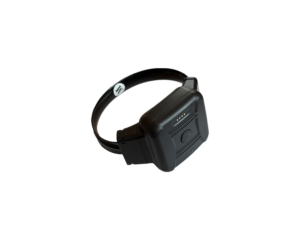
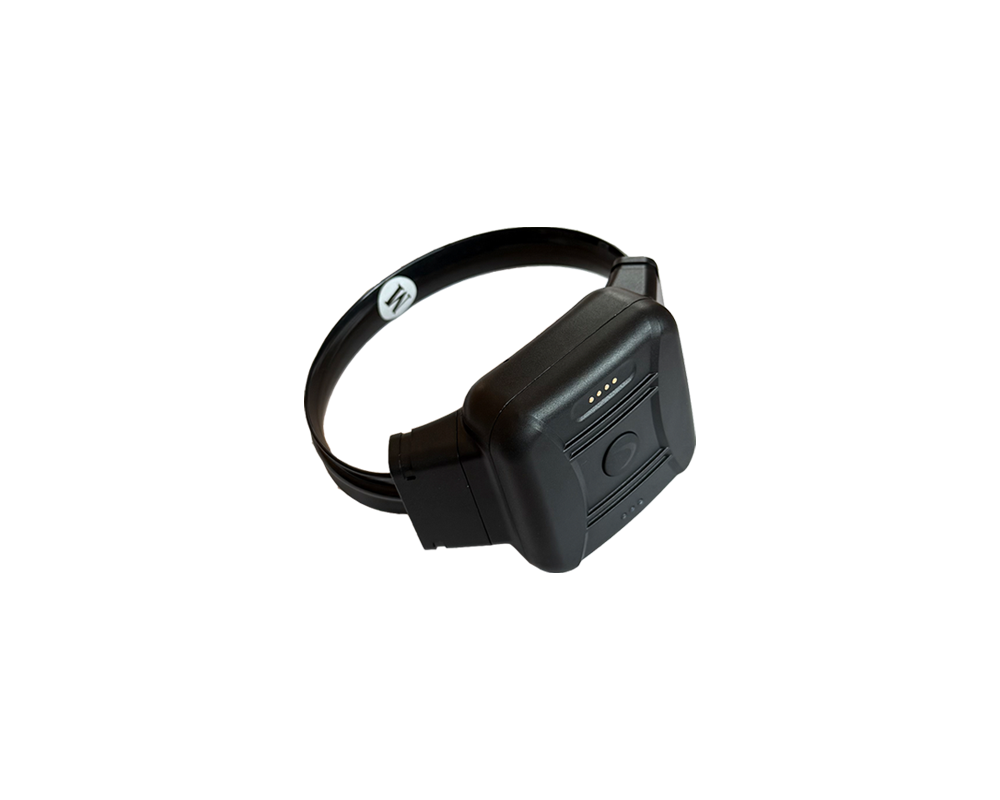
- High-risk defendants: Continuous GPS tracking with one-piece devices like the CO-EYE ONE ($5-15/day) provides real-time location monitoring with geofencing and instant tamper alerts via optical fiber anti-tamper technology.
For a comprehensive guide to pretrial program design, see our Pretrial Electronic Monitoring Guide.
Frequently Asked Questions
What does pretrial electronic monitoring cost compared to jail?
GPS ankle monitoring costs $5-15/day per defendant, while jail detention costs $137-550/day. Washington DC documented total EM costs of $750/participant/year, generating $580 in local savings and $920 in federal savings per participant diverted from detention.
Does pretrial electronic monitoring actually reduce crime?
Yes. Cook County data shows GPS monitoring reduced new pretrial criminal cases by 7.4 percentage points compared to unconditional release. Washington DC documented a 24% reduction in pretrial arrests among EM participants. EM is most effective when used as a detention alternative for moderate-to-high risk defendants, not as an add-on condition for low-risk releases.
Does GPS monitoring improve court appearance rates?
Cook County’s evaluation found that EM reduced failures to appear by 10.6 percentage points versus unconditional release. DC’s program maintained an 88% court appearance rate for GPS-monitored defendants. San Francisco sustained court appearance rates above 85% even while expanding its program 20-fold.
How quickly can a pretrial EM program launch?
A pilot program with 25-50 defendants can launch within 4-6 months of stakeholder commitment. Technology procurement takes 2-4 months. Pilot operation runs 2-3 months before scale-up decisions. San Francisco scaled from 75 to 1,650 monitored cases within four years.
Can defendants be charged for pretrial monitoring?
Some jurisdictions charge fees, but federal courts and many state courts require fee waivers for indigent defendants to avoid wealth-based detention. Agencies should consult local counsel and plan program budgets assuming a significant percentage of participants will qualify for fee waivers.
Related Guides
Related: Pretrial GPS Ankle Monitor Guide: 5 Technology Requirements Courts Demand in 2026