
Evaluating Corrections Technology Vendors
County corrections departments, pretrial agencies, and bail bond firms rely on electronic monitoring companies USA to provide devices, software, and support. The corrections technology vendor landscape includes large national providers, mid-tier specialists, and emerging manufacturers. Selecting the right monitoring technology providers requires structured evaluation — technical fit, track record, support capability, and commercial terms. This guide provides vendor evaluation criteria, RFP guidance, reference check framework, and contract negotiation points for offender tracking system vendors and monitoring equipment providers.
Vendor selection errors are costly. Switching providers mid-contract involves device replacement, data migration, staff retraining, and potential supervision gaps. A disciplined evaluation — scoring vendors against weighted criteria, checking references beyond the vendor’s preferred list, and negotiating data portability upfront — reduces risk. Small agencies without dedicated procurement staff can adapt this framework to informal evaluations; large agencies should formalize it in RFP documents and evaluation committees.
State contracts and GSA schedules simplify procurement for government buyers. If your state has an established contract with a corrections technology vendor, you may benefit from pre-negotiated pricing and terms. Verify that the contract covers your required features and that the vendor maintains capacity for new orders. Off-contract purchases may offer more flexibility but require full procurement process.
Industry Landscape Overview
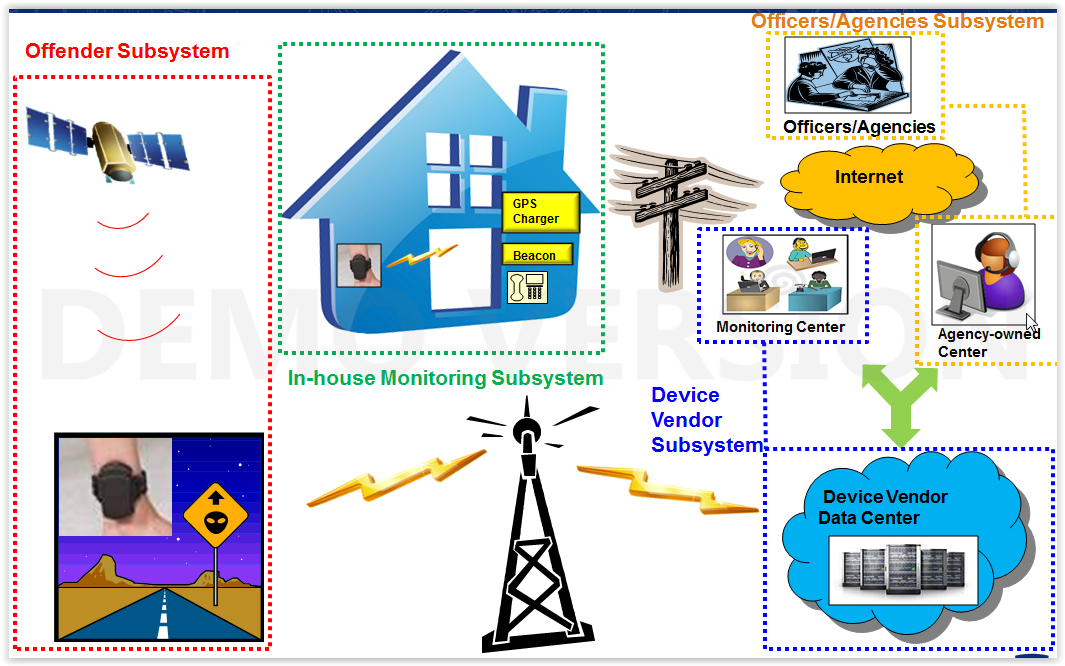
Electronic monitoring companies range from vertically integrated providers (devices, platform, support under one brand) to specialty manufacturers that sell through resellers. Major corrections technology vendors serve federal, state, and county contracts; smaller monitoring equipment providers may focus on regional or niche programs (bail, domestic violence, work release). Offender tracking system vendors typically offer:
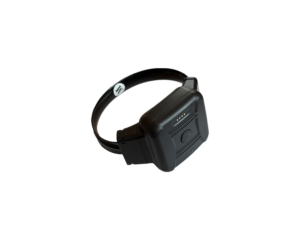
- GPS ankle monitors (one-piece or two-piece)
- RF home monitoring systems
- Cloud or on-premise monitoring platforms
- Installation, training, and technical support
- Device replacement and repair programs
Verify whether the vendor manufactures devices, white-labels from OEMs, or resells third-party products. Manufacturing control affects firmware updates, customization, and long-term supply.
Vendor Evaluation Criteria
| Criteria | Key Questions |
|---|---|
| Technical fit | Does the device support required features (exclusion zones, optical fiber anti-tamper, IP68)? Does the platform integrate with case management? CJIS compliance? |
| Track record | Deployment count, years in market, references in similar agencies (county size, program type) |
| Support model | 24/7 vs business hours; response time SLA; field support for installation and troubleshooting |
| Total cost | Device purchase/lease, per-device platform fee, cellular, installation, training — over 3–5 year lifecycle |
| Roadmap | Firmware OTA, platform enhancements, carrier migration plans (2G sunset) |
| Financial stability | Vendor longevity; risk of acquisition or exit from market |
Weight criteria by agency priority. A small bail agency may prioritize cost and ease of use; a large county may prioritize CJIS, integration, and 24/7 support.
RFP Guidance for Electronic Monitoring
RFP specifications should be outcome-based where possible, with clear technical requirements for must-haves:
- Device requirements: GPS accuracy, reporting interval range, anti-tamper type (optical fiber preferred), waterproof (IP68 minimum), battery life, installation time. Specify one-piece vs two-piece if relevant.
- Platform requirements: Real-time alerts, zone types (exclusion, inclusion, curfew), reporting formats, mobile access, user roles, CJIS compliance attestation.
- Integration: API availability, case management integration, SSO. Provide your CMS vendor name for compatibility check.
- Support: Hours, response time, escalation path. Request uptime SLA for cloud platforms.
- Pricing structure: Request total cost of ownership for defined scenarios (e.g., 100 devices, 3 years) with all components itemized.
Allow vendors to propose alternatives with justification. Avoid over-specifying brand names; describe functional requirements so multiple monitoring technology providers can respond.
Reference Check Framework
Request references from agencies similar in size and program type. Ask references:
- Actual vs promised implementation timeline
- False alert rate and impact on staff workload
- Support responsiveness for outages and device issues
- Total cost vs initial quote — any surprise fees?
- Would they select the same vendor again? If not, why?
Contact references directly; do not rely solely on vendor-provided case studies. Ask for a reference at an agency that left the vendor, if possible — churn reasons reveal weaknesses.
Contract Negotiation Points
Key terms to negotiate with electronic monitoring companies:
- Term and termination: Multi-year discounts vs flexibility to switch if performance fails. Data export rights upon termination.
- Price protection: Cap on annual price increases; carve-out for carrier fee changes.
- Uptime SLA and credits: Define uptime (e.g., 99.5%), measurement method, and credit calculation for breaches.
- Data ownership and portability: Confirm your agency owns data; require export in standard format (CSV, JSON) within 30 days of request.
- Device replacement: Warranty terms, replacement process for defective units, lead time for additional devices.
- Insurance and indemnification: Cyber insurance; indemnification for data breach and third-party claims.
Document verbal promises in the contract. Government contracts may require additional clauses (certifications, audit rights, flow-down terms).
Related Resources
- GPS Ankle Monitor Buyer’s Guide — technical evaluation framework
- CO-EYE ONE GPS Ankle Monitor — one-piece device specifications
- About REFINE Technologies — manufacturer profile