Electronic monitoring is the use of radio, cellular, satellite, and software systems to supervise people in the community under court or agency authority—proving location, sobriety, or home presence without full-time incarceration. If you are a corrections director, pretrial administrator, vendor evaluator, or policy researcher, this guide explains how the field works in 2026, where programs deploy ankle hardware and apps, what outcomes literature reports, and how CO-EYE equipment maps to real-world supervision tiers.
For deeper product mechanics, read our GPS ankle bracelet guide; for participant-facing economics see ankle monitor cost guide. Program playbooks by use case include pretrial electronic monitoring, probation GPS monitoring, parole electronic monitoring, house arrest home detention monitoring, domestic violence electronic monitoring, sex offender GPS monitoring, and immigration electronic monitoring. See also: house arrest GPS ankle monitor complete guide. See also our sex offender GPS monitoring guide.
What Is Electronic Monitoring?
Electronic monitoring (often abbreviated EM) combines wearable or handheld devices, home-installed hardware, and cloud platforms to collect supervision evidence: GPS coordinates, proximity to beacons, transdermal alcohol readings, or smartphone check-ins. Courts and agencies translate legal orders into software rules—curfews, inclusion and exclusion zones, sobriety windows, and escalation paths—so officers review exceptions instead of manually tailing every participant.
Modern usage of ankle-worn transmitters in US criminal justice is often traced to Judge Jack Love in Albuquerque, New Mexico, who in 1983 explored the first court-supervised bracelet concept to reduce jail days while preserving accountability. From that experiment, an entire industry of EM vendors, monitoring centers, and county procurement vehicles emerged.
Scale today is substantial. Researchers and government datasets commonly describe on the order of 125,000+ people on community-corrections-style supervision with ankle or hybrid devices in the United States at a given time, with additional populations under federal immigration alternatives; ICE’s Alternatives to Detention (ATD) cohort has been reported near 42,000 participants in recent program statistics. Exact figures fluctuate with policy, but the direction is clear: monitored release with sensors is a mainstream modality, not a pilot.
Stakeholders should treat EM as both a human-services program and an IT operations stack. Device choice affects charging burden and courtroom credibility; platform UX affects officer retention; data retention policies affect discovery disputes. The sections below unpack those layers so procurement teams can align RFP language with deployable architecture.
National Institute of Justice and standards bodies have long framed location accuracy, data integrity, and reporting intervals as procurement-relevant dimensions for offender-tracking systems. While this article is not a substitute for your state’s RFP boilerplate, buyers should verify that vendor maps, tamper codes, and export formats will satisfy evidentiary expectations before full county rollout.
Implementation teams should also plan intake workflows: verifying participant addresses, testing chargers at the actual residence, documenting Wi-Fi SSIDs where assisted fixes matter, and rehearsing escalation with local law enforcement. Those operational steps often determine whether a deployment feels fair to participants and defensible to judges, independent of brochure specifications.
Electronic ankle monitor technology families used in EM programs
Most catalogs cluster into five families. Mature county contracts often blend two or more because no single radio solves every court order.
GPS continuous tracking (ankle monitors)
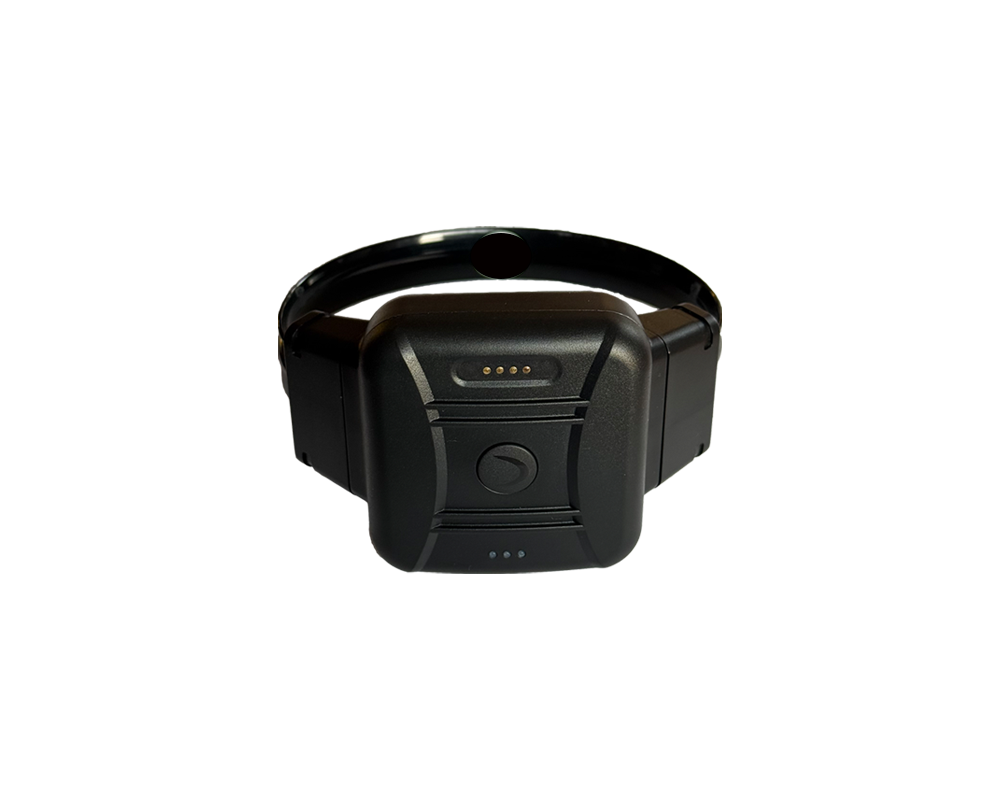
Cellular GPS ankle monitors report latitude and longitude on a schedule, using multi-constellation satellite navigation plus Wi-Fi and cellular assistance indoors. They power pretrial release, high-risk probation, victim-radius buffers, and immigration check-in alternatives where continuous location history matters. For buyers, the decisive metrics are weight, battery life versus reporting interval, tamper integrity, and cellular band support as carriers retire legacy generations. For comprehensive guidance, see our domestic violence GPS ankle monitor guide.
RF proximity monitoring (home beacons)
RF home units answer a narrower question: is the strap within range of the approved residence during curfew? They reduce reliance on weak indoor GPS fixes and fit strict home-confinement language. Agencies frequently pair RF at night with GPS by day when court orders allow daytime travel.
Alcohol monitoring (transdermal and sobriety bracelets)
Alcohol-centric supervision uses skin vapor or breath peripherals to enforce sobriety conditions—common in DUI dockets and some domestic-violence plans. These systems complement rather than replace GPS when orders require both location and abstinence proof. Agencies evaluate sampling cadence, false positive handling, and participant skin chemistry variability.
Smartphone-based monitoring (apps)
App-led supervision uses handset GPS, Wi-Fi hints, biometric or photo check-ins, and messaging for lower-risk tiers. It can shrink hardware logistics but depends on OS permissions, charging discipline, and digital literacy—so policy must define what happens when the phone dies. Leading platforms increasingly treat phones as a supervised channel alongside straps.
Hybrid and multi-technology systems
Hybrid stacks combine strap GPS, RF anchors, optional alcohol accessories, and mobile apps under one case record. The goal is a single officer narrative: participants understand one rulebook, victims receive agreed notifications, and auditors see correlated timestamps across sensors. CO-EYE’s portfolio is explicitly designed for this layered model, described later in this equipment section.
How GPS Supervision Works in Practice
GPS ankle programs begin with satellite ranging: receivers lock to multiple GNSS constellations, estimate position, then attach timestamps. Devices augment weak sky views with Wi-Fi fingerprinting and network-based location when permitted. A modem uploads fixes or event packets to a vendor cloud over cellular—today commonly LTE-M or NB-IoT where available, with GSM fallbacks in legacy footprints.
Geofencing turns coordinates into legal meaning. Inclusion zones prove authorized areas (home, work, treatment); exclusion zones protect victims or ban high-risk places. Speed and dwell analytics help distinguish drive-bys from loitering. Alert engines apply grace periods so brief GPS dropouts do not automatically equal revocation.
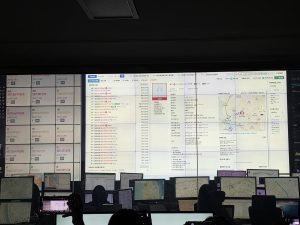
Monitoring centers triage exceptions: strap tamper, low battery, missed check-in, zone breach, or communication loss. Playbooks define call-down scripts, field dispatch, and evidence packaging for hearings. Strong operations teams invest in staff training and dashboard ergonomics as much as hardware specs—because alert fatigue erodes program legitimacy.
Data paths should assume discovery: defense counsel may request track histories; auditors may review retention. Platforms that export court-ready timelines reduce friction. When evaluating vendors, ask how raw fixes map to human-readable narratives aligned with order language—that capability separates serious supervision software from map toys.
Where Agencies Deploy Electronic Monitoring
Below are primary US deployment contexts for electronic monitoring. Each stresses different device classes; the unifying theme is translating court or agency orders into durable workflows officers can defend in hearings.
Pretrial release and bail supervision
Pretrial programs assign GPS or RF bundles to reduce jail days while managing flight risk and public-safety conditions. GPS-heavy orders emphasize location accountability; RF-heavy orders emphasize night curfew at a verified address. Fee models vary—participant-paid, county-subsidized, or blended—so procurement should align device maintenance with indigency policies.
Probation and parole
Post-conviction supervision often layers GPS trails with treatment attendance checks and employment verification. Parole boards may mandate exclusion zones near prior victims; probation may emphasize inclusion zones around treatment providers. Long battery life and low false tamper rates keep officers focused on behavior rather than charger logistics.
House arrest and home confinement
Home confinement orders stress residence presence. RF beacons excel when GPS indoor fixes are noisy; GPS excels when daytime travel is permitted. Many counties run hybrid schedules that mirror how participants actually live—home overnight, approved movement by day.
Domestic violence protection orders
DV-related supervision frequently combines victim notification, standoff radii, and rapid escalation. Software quality matters as much as hardware: poorly tuned circles create nuisance alerts; well-tuned buffers paired with officer review protect victims without flooding them with noise.
Sex offender management
Some jurisdictions require continuous tracking or strict zone logic around schools and parks. These deployments demand stable cellular backhaul, clear map documentation for hearings, and policies for device swaps without gaps in coverage.
Immigration (ATD program)
Federal alternatives to detention illustrate how ankle and app-based supervision extends beyond county corrections. GPS units, telephonic reporting, and smartphone applications appear in various ATD tracks. Operational emphasis includes enrollment speed, multilingual support, and charging guidance for participants in unstable housing.
Costs, Outcomes, and Jail Alternatives
Advocates and agencies cite several evidence-backed advantages—while acknowledging that EM is not appropriate for every case tier.
Cost savings versus incarceration
Budget analysts frequently compare supervision fees to jail bed-day costs. Participant or county daily fees for active GPS tiers often fall in the roughly $5–$25 per day range before waivers, while fully loaded jail costs are commonly cited from about $75 to $150+ per day depending on jurisdiction accounting. Supervised release tools do not eliminate officer labor, but they can reallocate expensive bed days to community placement when risk assessments support it.
Reduced recidivism (Florida research)
Peer-reviewed work on Florida’s program reported approximately a 31% reduction in recidivism risk for monitored cohorts versus comparison groups in the study design—an outcome often cited when legislatures fund EM expansion. Agencies should pair such statistics with local outcome tracking because population mix and services differ by state.
Employment and family stability
Community placement can preserve jobs, caregiving responsibilities, and treatment continuity compared with short jail stays that disrupt income. For courts, that stability can support restitution compliance and lower downstream filings—secondary benefits beyond the headline cost comparison.
Jail overcrowding relief
When jails operate near rated capacity, supervised release with sensors becomes an operational safety valve. The policy tradeoff is always risk management: device classes and monitoring intensity must match offense history and victim safety needs.
CO-EYE Solutions for Supervision Agencies
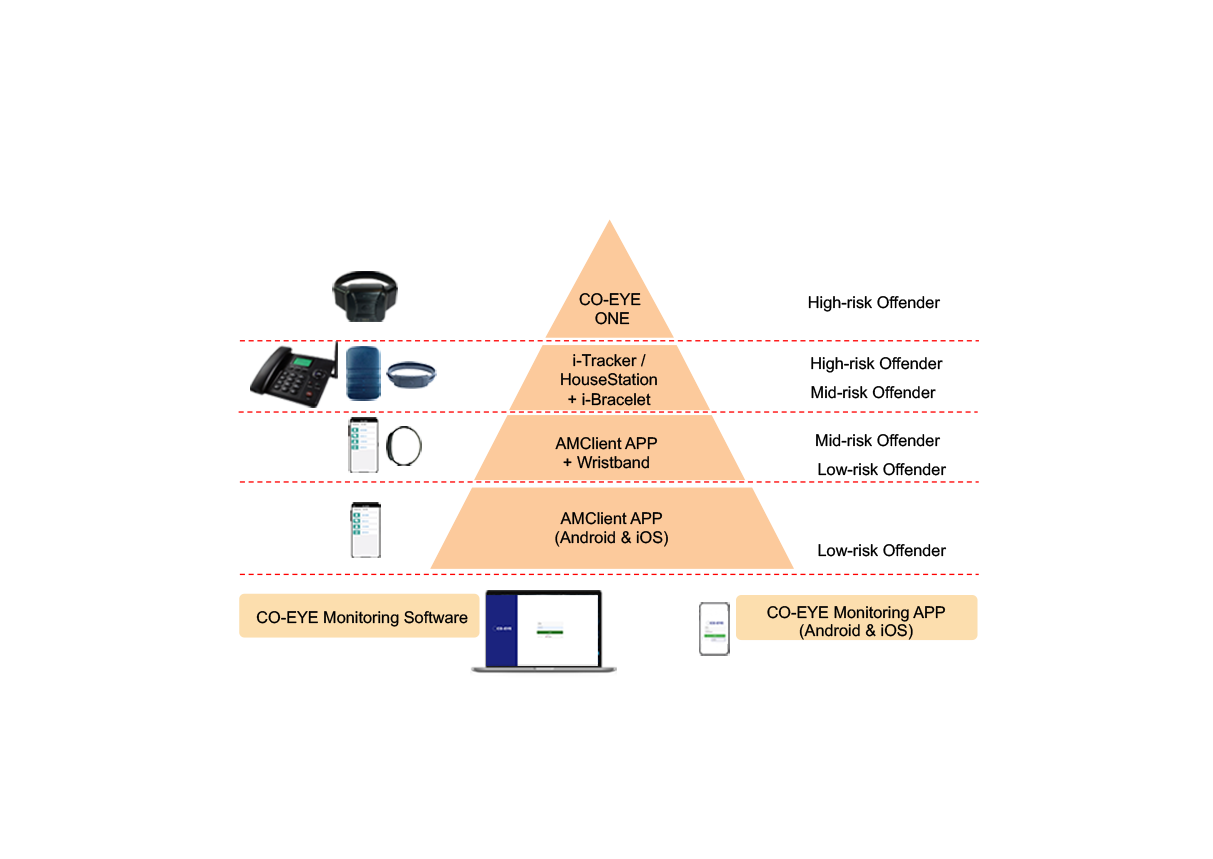
REFINE Technology’s CO-EYE line is built for agencies that need credible tamper evidence, modern cellular paths, and a single platform narrative across risk tiers. The following summaries reflect manufacturer specifications; always confirm bands and certifications for your region before procurement.
CO-EYE ONE — flagship one-piece GPS
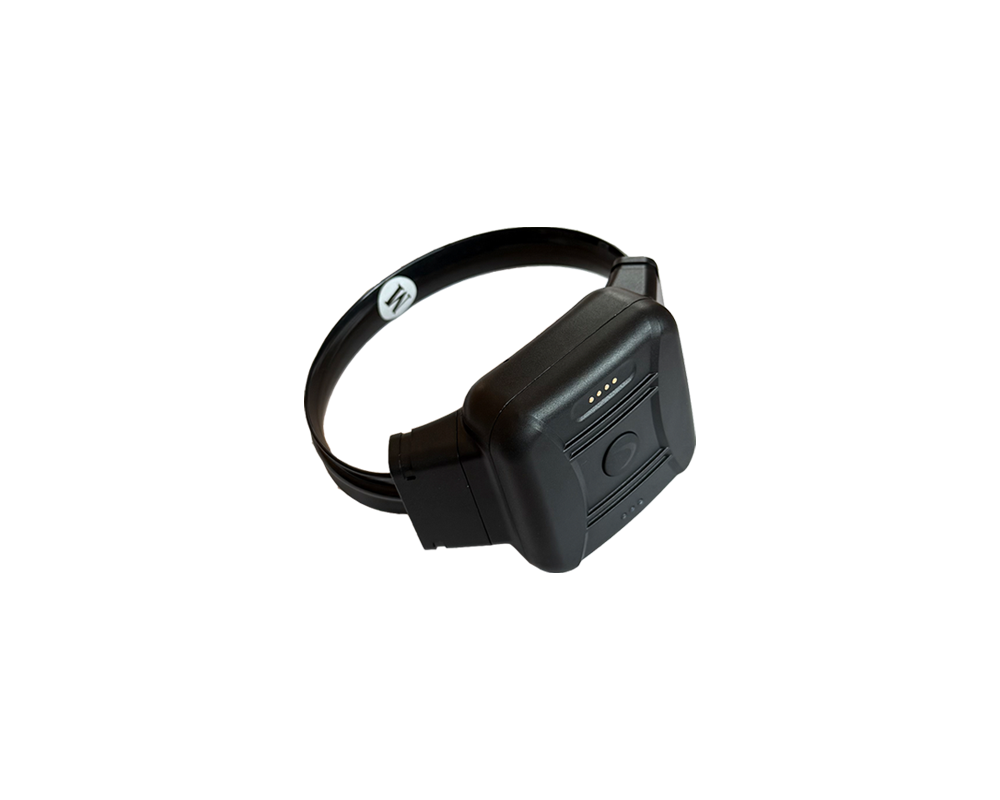
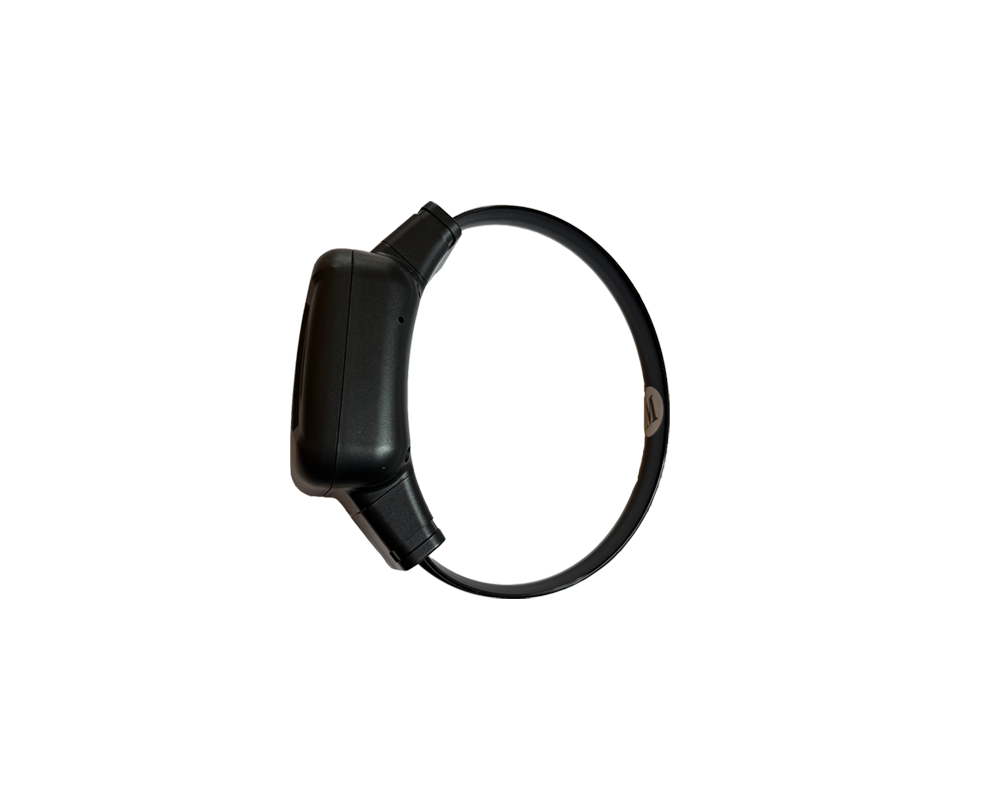
CO-EYE ONE is a one-piece GPS ankle monitor at 108 g and approximately 60×58×24 mm with fiber-optic tamper detection on strap and case—designed for zero false-positive strap tamper signaling relative to legacy conductive approaches. It is IP68 waterproof, installs in under three seconds without tools, and uses multi-constellation GNSS plus Wi-Fi and LBS assistance for <2 m GPS accuracy under representative conditions. Cellular paths include 5G-compatible LTE-M / NB-IoT / GSM. Battery life reaches about seven days in standalone reporting at a five-minute LTE-M/NB cadence, with roughly 2.5 hours to full charge—reducing field visits tied to charging logistics for busy caseloads.
CO-EYE DUO — enhanced tamper continuity
CO-EYE DUO extends one-piece GPS architecture for high-security cases where tamper supervision must remain credible even as power states change—including scenarios stressing uninterrupted strap integrity. It retains rapid install characteristics and pairs with the same monitoring ecosystem as ONE for agencies that stratify device classes by risk tier.
CO-EYE HouseStation — RF home beacon
HouseStation supports RF-centric home detention verification at roughly 225×173×55 mm and 750 g, with antenna design aimed at difficult residential construction. The 433 MHz RF link is specified around 50 m indoor and 200 m outdoor range; dual SIM telephone capability supports voice workflows still common in monitoring centers.
CO-EYE AMClient — smartphone supervision
AMClient delivers iOS/Android continuous tracking with SOS, scheduled check-ins, and Bluetooth tether features—useful when agencies assign phone-led supervision to lower-risk tiers while reserving straps for higher-risk cases.
CO-EYE Monitoring Software — thirteen-module platform
The unified platform provides thirteen functional modules spanning device provisioning, alert routing, maps, reporting, and operational analytics—so counties can manage mixed hardware estates without siloed consoles. Consolidated software reduces training load and helps supervisors produce consistent hearing exhibits.
Choosing Equipment for EM Contracts
Use a weighted scorecard anchored to court language and local RF environments. Key factors for 2026 RFPs include:
- Weight and ergonomics — lighter one-piece units (e.g., 108 g class) reduce skin irritation complaints and improve long-term wear compliance.
- Battery versus reporting cadence — longer intervals save power but thin location detail; match cadence to officer capacity and order strictness.
- Tamper detection physics — fiber-optic strap and case sensing aims for definitive tamper evidence with minimal false positives compared with legacy conductive straps.
- Connectivity roadmap — confirm LTE-M/NB-IoT support and carrier sunsets; eSIM options (CO-EYE ONE-AC) can simplify logistics for global or multi-carrier contracts.
- Indoor truthfulness — if orders are residence-centric, pilot RF anchors alongside GPS to avoid GPS-only arguments in multifamily housing.
- Exports and audit trails — demand PDF/KML exports and user-access logs suitable for discovery.
Pilot devices in representative neighborhoods—basement bedrooms, metal-clad buildings, rural marginal coverage—before full rollout. Spec sheets are necessary but insufficient; field evidence drives sustainable programs. For procurement framing, cross-read our GPS ankle monitor guide and the cost guide so budget models include spare straps, cellular backhaul, and monitoring-staff time—not just per-day participant fees.
FAQ: Electronic Monitoring Programs and Technology
What is electronic monitoring in simple terms?
Electronic monitoring uses devices and software to supervise people under court or agency authority in the community—tracking location, home presence, or sobriety—instead of holding them full-time in jail when risk assessments support release conditions.
How accurate is GPS-based electronic monitoring?
Outdoor fixes from modern multi-constellation receivers are typically strong; indoor and urban-canyon behavior depends on assistance modes and antenna quality. Court-grade platforms apply smoothing, Wi-Fi/LBS assistance, and officer review to separate true violations from marginal fixes.
Who pays for ankle monitor and EM programs?
Fee models vary widely: participants, counties, states, or blended schedules with indigency waivers. Always verify local fee statutes and contract pass-through terms.
Is electronic monitoring effective at reducing recidivism?
Research varies by population, but Florida’s studied program reported roughly a 31% reduction in recidivism risk for monitored cohorts in its design—useful as a policy anchor alongside local outcome measurement.
Can GPS pair with home RF verification?
Yes—hybrid architectures are common: GPS proves daytime travel within approved corridors while RF beacons verify overnight curfew at the residence, reducing indoor GPS ambiguity.
What should agencies ask vendors in 2026?
Request tamper false-positive rates, cellular band maps, battery life at your chosen reporting interval, enrollment time, spare-device logistics, and sample hearing exports—then pilot before you scale statewide contracts. Leading deployments align device class to risk and keep electronic monitoring language in court orders consistent with what software can prove.
Last updated April 2026. Court orders and statutes vary by jurisdiction; verify local rules. CO-EYE specifications reflect manufacturer documentation at publication. Population statistics are estimates drawn from commonly cited public program ranges and may change with policy.