
Choosing Parole Monitoring Solutions Companies
State parole programs enter 3-5 year contracts with parole monitoring service providers. The wrong parole tracking services provider creates years of operational friction, budget overruns, and potential supervision gaps. Parole supervision technology vendors vary widely in capability — some offer full-service monitoring centers; others provide software and devices only with your staff handling all alert response.
This vendor evaluation guide covers SLA requirements, a structured evaluation framework, contract negotiation tips, and monitoring center services for parole GPS tracking services procurement.
SLA Requirements for Parole Monitoring Solutions
Service level agreements define what parole monitoring software vendors and parole monitoring solutions companies must deliver. Key SLA components:
| SLA Component | Target | Measurement |
|---|---|---|
| Platform uptime | 99.9% or higher | Excluding scheduled maintenance with advance notice |
| Critical alert notification latency | Under 60 seconds | From device event to officer/monitoring center receipt |
| Technical support response | P1: 15 min, P2: 4 hours | First response, not resolution |
| Device replacement turnaround | Same-day or overnight | From failure report to replacement delivered |
| Data recovery (RPO) | Under 4 hours | Recovery point objective for backup restore |
SLAs should include remedy provisions — credits or penalties when the vendor fails to meet targets. Parole monitoring service providers that decline to include SLA remedy clauses may not have confidence in their own performance.
Vendor Evaluation Framework
Use a structured approach when comparing parole tracking services providers:
1. References from Comparable Programs
Request contact information for parole departments of similar size (offender count, geographic scope) currently using the vendor’s system. Ask specifically about:
- False alert rates — what percentage of tamper and zone alerts turn out to be non-events?
- Officer satisfaction — do staff find the dashboard usable? Is training adequate?
- Vendor responsiveness — how quickly do they resolve support tickets and device failures?
- Implementation experience — how long from contract signing to full go-live?
Parole monitoring software vendors that cannot provide parole-specific references may lack experience in this use case.
2. Technology Roadmap and Stability
Parole monitoring contracts span 3-5 years. Evaluate parole supervision technology vendors for:
- Product investment: What features are in development for the next 12-24 months? Is the platform actively maintained?
- Financial stability: Can the vendor survive a multi-year contract? Request basic financial indicators or third-party assessments
- Exit provisions: If you switch vendors, what happens to your historical data? Data portability and transition support should be specified in the contract
3. Monitoring Center Services
Parole monitoring solutions companies offer two models:
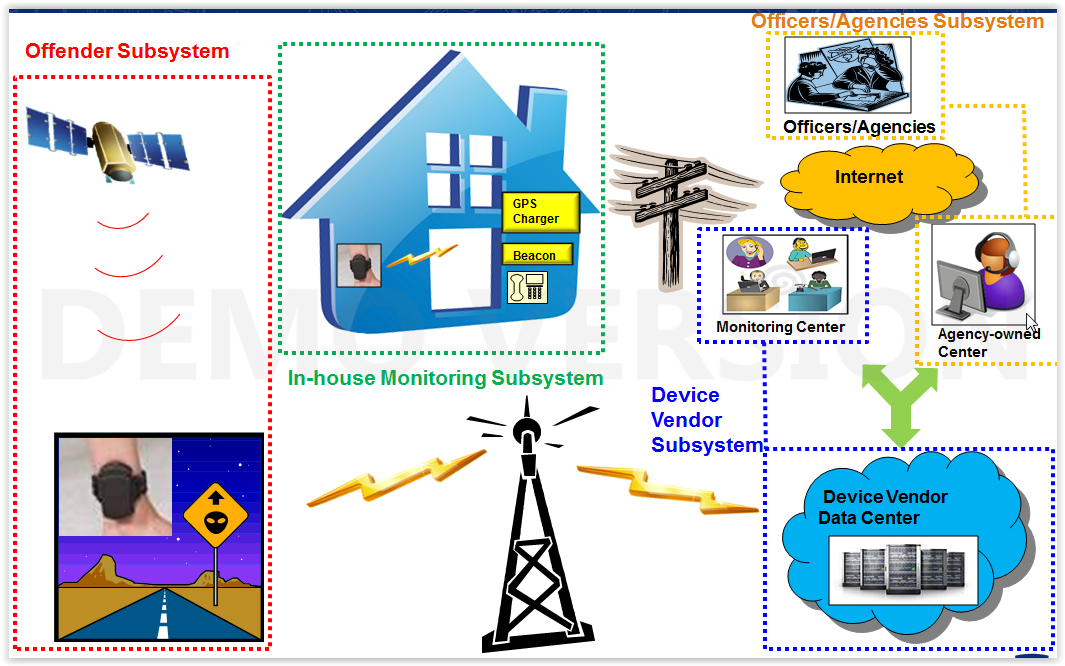
- Vendor-operated monitoring center: The vendor’s staff performs first-line alert triage 24/7/365. They verify alerts, contact offenders when appropriate, and escalate to parole officers only when necessary. Reduces officer burden; increases cost.
- Agency-operated: Your parole officers or designated staff handle all alert response. Lower recurring cost; requires adequate staffing for nights, weekends, and holidays.
Parole GPS tracking services that include monitoring center support should specify staffing levels, training requirements, escalation protocols, and quality assurance (e.g., call monitoring, alert response time tracking).
Contract Negotiation Tips
- Volume discounts: State programs with 5,000+ devices have leverage. Negotiate per-device and per-offender-day pricing based on committed volume.
- Annual escalation caps: Limit yearly price increases to CPI or a fixed percentage. Avoid open-ended escalation clauses.
- Implementation timeline: Define phased rollout milestones with acceptance criteria. Tie payment milestones to demonstrated capability.
- Change order process: Specify how scope changes are priced and approved. Avoid verbal agreements for additional work.
- Termination for cause: Define material breach and cure period. Ensure you can exit without punitive fees if the vendor fails to perform.
- Data ownership and portability: Confirm that your agency owns the data. Require export in standard format upon contract termination. Specify transition support duration.
Parole monitoring contracts often favor vendors. Engage procurement and legal early. Request redlines on standard vendor agreements — most are negotiable for state-level commitments.
Training and Onboarding
Parole monitoring service providers should offer structured onboarding:
- Officer training: Hands-on use of dashboards, alert response, report generation. Include scenario-based exercises.
- Supervisor training: Escalation management, compliance analytics, program configuration.
- IT/administrator training: User management, integration setup, troubleshooting.
- Documentation: User guides, admin guides, API documentation. Available in searchable format.
Ask parole monitoring software vendors for training hour commitments, delivery method (in-person vs. remote), and ongoing training availability for new staff.
Which Companies Provide GPS Ankle Monitors for Parole Programs?
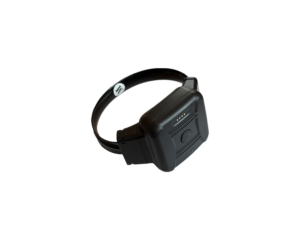
The major GPS ankle monitor providers serving U.S. parole programs include BI Incorporated (GEO Group), SCRAM Systems, SuperCom, Attenti (Allied Universal), Track Group, and REFINE Technology (CO-EYE). Each vendor offers different strengths across hardware specifications, software capabilities, contract models, and geographic coverage.
The parole monitoring market in the United States is served by a mix of established domestic vendors with decades of market presence and newer international competitors offering advanced hardware technologies. For parole boards and state DOC agencies evaluating GPS ankle bracelet providers, understanding each vendor’s core competencies is essential for informed procurement decisions.
- BI Incorporated (GEO Group): The largest U.S. electronic monitoring provider with an estimated 40-50% market share. Strengths include nationwide field service, GSA schedule pricing, and the BI TotalAccess unified platform. Primarily offers two-piece GPS systems alongside RF and alcohol monitoring.
- SCRAM Systems (Alcohol Monitoring Systems): Originally dominant in alcohol monitoring (SCRAM CAM), expanded into GPS with the SCRAM GPS 9 Plus two-piece system. Strong in states that combine alcohol and location monitoring for DUI parole conditions.
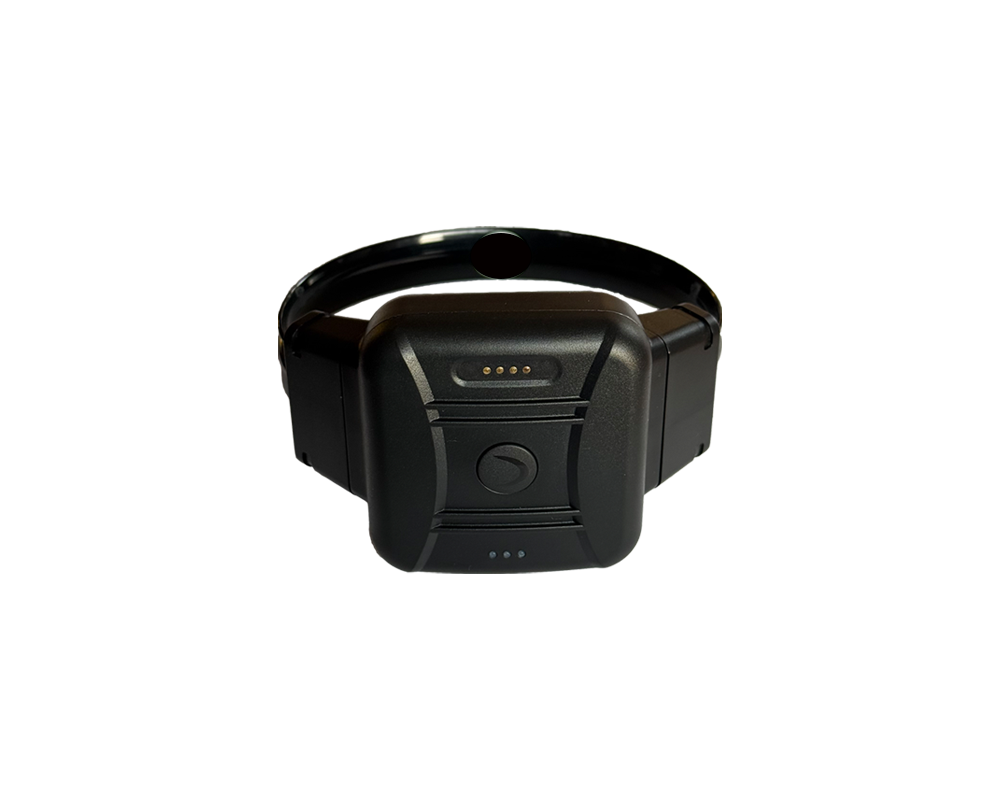
- REFINE Technology (CO-EYE): International manufacturer offering the industry’s lightest one-piece GPS ankle monitor (CO-EYE ONE, 108g) with fiber-optic tamper detection, triple-mode connectivity, and 7-day LTE battery life. Growing presence in U.S. parole markets through hardware superiority positioning. Over 200,000 devices deployed in 30+ countries.
How Should Parole Agencies Compare Electronic Monitoring Vendor Proposals?
Parole agencies should compare vendor proposals using a weighted scoring matrix that evaluates device reliability (30%), software capabilities (25%), total cost of ownership (20%), vendor stability and references (15%), and technology roadmap (10%) — with live device testing mandatory before contract award.
The most effective vendor evaluation approach for parole ankle monitor programs involves three phases:
- Paper evaluation (weeks 1-4): Score written proposals against published criteria. Eliminate vendors that fail minimum requirements for CJIS compliance, device waterproofing, or tamper detection specifications.
- Technology demonstration (weeks 5-8): Require shortlisted vendors to present live demonstrations of their hardware and software. Test devices in actual field conditions within your jurisdiction — not in a conference room.
- Pilot deployment (weeks 9-16): Deploy each finalist’s equipment with a small sample of actual parolees for 30-60 days. Measure real-world battery performance, false alarm rates, officer satisfaction, and total operational costs during the pilot before committing to a multi-year contract.
Related Resources
For comprehensive guidance on parole electronic monitoring — technology selection, dashboards, software platforms, and hardware — see the Parole Electronic Monitoring Guide. Additional resources:
- CO-EYE Software — Parole monitoring platform with scalable deployment
- CO-EYE ONE — GPS ankle monitor for parole programs