Ankle monitor cost is rarely one line on an invoice. In 2026, public program economics and vendor RFP language commonly cite participant- or agency-paid daily GPS supervision near $5–25 per day—but total spend swings once you add hardware leases, cellular backhaul, activation, analyst labor on false alarms, and exit fees. Below is a fast answer for searchers, a procurement-style breakdown for counties, and how CO-EYE ONE, CO-EYE DUO, HouseStation, and AMClient affect multi-year TCO.
For tables and a longer FAQ, read our detailed pricing analysis. For GPS fundamentals see the GPS ankle bracelet guide; for portfolio context visit probation monitoring, domestic violence monitoring, and the bail and pretrial monitoring solution hub (pretrial GPS conditions and agency procurement). See also our GPS ankle monitor buyer’s guide.
Quick answer: what does ankle monitor cost look like in 2026?
If you remember only one idea about ankle monitor cost: the daily fee is marketing; TCO is finance. A complete model usually includes (1) per-day monitoring and software; (2) device purchase or lease; (3) implementation, training, and spare inventory; (4) monitoring-center and officer time tied to alerts, exports, and hearings. When a board asks for “the number,” hand them a five-year cash-flow chart—not a brochure sentence. Supervision directors should also attach a one-page sensitivity table showing what happens if pretrial length-of-stay shifts by thirty days—because that single demographic lever can move annual spend more than a ten-cent change in the published daily rate.
Who pays for ankle monitors?
Payment design is political and legal, not technical. Typical patterns:
- Participant-funded. Daily charges appear on statements; ability-to-pay rules and fee waivers matter. Arrears drive collections staff time—an easy-to-ignore line in program budgets.
- Agency-funded. Cleaner accounting, but sensitive when pretrial volumes spike or legislatures cap subsidies.
- Hybrid / sliding scales. Indigent participants receive offsets; vendors still have monthly minimums—finance must map subsidies to contract floors so the general fund does not absorb surprise gaps.
Spell out in the MSA who replaces lost straps, who pays SIM overages, and how early removals are billed; ambiguity there is what makes year-three budgets diverge from year-one promises.
Daily monitoring fees: what moves the number?
Inside the broad $5–25/day band, per-participant rates shift with:
- Jurisdiction and docket type. Pretrial GPS, post-conviction probation, DV dockets, and sex-offense programs may use different service bundles even when the strap looks identical.
- Risk tier. Tighter reporting intervals, richer geofence logic, and victim-notification workflows consume more analyst minutes.
- Modality. Continuous outdoor GPS costs more to operate than RF-only curfew checks at a fixed address—match modality to court language before price-shopping.
Pair this page with the detailed pricing analysis when legal or finance wants citation-friendly ranges; the two posts use different titles so SERPs can surface complementary snippets while still addressing ankle monitor cost intent.
Pretrial churn vs long-term supervision: different economics
Short-stay pretrial cohorts inflate per-case overhead: enrollment, device hygiene, early exits, and restocking fees amortize across fewer billed days. Sentenced probation tracks amortize the same fixed costs across longer horizons. Procurement teams should model median length of stay by docket; a vendor quote that wins on daily rate can lose on activation minimums when half the caseload exits in under ninety days. That dynamic is central to honest ankle monitor cost forecasting for county CFOs.
Monitoring center labor: where “invisible” dollars go
Commercial monitoring centers price human review. Every high-priority tamper, perimeter breach, or “device off” event consumes queue time; chronic false positives train staff to either over-dispatch officers or under-react to real violations—both expensive in different ways. Programs that cut analyst headcount without lowering alert noise simply move workload to probation officers, who appear on a different cost center. When evaluating hardware, ask vendors for tamper false-positive characterization under your intended rule set, not only datasheet ranges.
Equipment costs vs service costs
RFPs usually separate capex/lease from opex. Watch these levers:
- Purchase vs lease. Buying builds asset inventory and spare-pool discipline; leasing smooths budgets but may lock minimums.
- Volume tiers and depot SLAs. Mean time to replacement drives how many spare straps you must hold—often larger than finance expects.
- Two-piece stacks. Bracelet-plus-home-hub kits commonly add on the order of $200–400 in base-station-class hardware per residence (RFP bands vary) plus truck rolls—compare to one-piece GPS where policy allows outdoor-only accountability.
Read one-piece vs two-piece GPS ankle monitors: total cost of ownership for a structured TCO walkthrough.
Contract clauses that change five-year totals
Beyond unit price, scan MSAs for: annual price escalators; minimum billable enrollees; refurbished-device fees; firmware sunset forcing early refresh; data-retention export charges; training seat limits; and after-hours support surcharges. Each clause shifts realized spend even when the advertised daily monitoring fee stays flat. That diligence separates a procurement scorecard from a viral headline about ankle monitor cost.
Hidden costs most budgets miss
Line items that blow past the brochure:
- Field installation and enrollment. Mileage, overtime, and first-charge workflows rarely appear in vendor quotes.
- Activation and provisioning. IT touches per enrollee scale nonlinearly during intake surges.
- Early termination and refurb. Pretrial volatility turns restocking fees into a material opex line.
- False-alarm response. Conductive tamper legacy stacks can flood priority queues; each bad dispatch bills fuel, overtime, and opportunity cost.
- Charging logistics. Short battery life means more home visits and more “power loss” hearings—labor coded as supervision, not hardware.
- Cellular plans. LTE-M/NB-IoT coverage and negotiated data pools change recurring telecom spend.
Court exports, discovery, and reporting labor
Supervision generates positions, tamper codes, and call logs. Defense discovery and contested hearings require human-readable timelines. If your platform exports require analyst cleanup, that time belongs in the program budget. Platforms that produce hearing-ready packets reduce attorney friction and repeat subpoena cycles—another form of TCO often omitted from simplistic ankle monitor cost comparisons.
Participant fees, indigency, and collections risk
Many jurisdictions shift daily fees to participants. Constitutional and state-law limits on ability-to-pay mean clerks and judges sometimes waive or reduce charges. When waivers spike, vendor minimums still come due—so the “headline” ankle monitor cost participants see on paper may diverge from what the county actually wires each month. Model scenarios: 20% waived, 10% in arrears, 5% referred to collections. Each path consumes court staff time and can trigger separate legal costs if fee practices are challenged. Transparent cross-subsidy rules between the general fund and user fees keep multi-year forecasts credible when commissions review ankle monitor cost line items.
Software modules, integrations, and API surcharges
Base monitoring fees often exclude case-management integrations, custom geofence automation, bulk historical exports, or SSO / SCIM identity hooks. Enterprise IT may require VPNs, dedicated VLANs, or SIEM log forwarding—engineering hours that rarely appear beside the per-day rate. Ask vendors which modules are bundled versus metered; metered APIs can scale nonlinearly when prosecutor dashboards, victim portals, and probation CMS connectors all pull the same event stream. Those integration economics belong in any serious ankle monitor cost model for mid-size and large counties.
Training, change management, and participant education
Rollouts fail when officers understand alerts but participants do not understand charging. Printed quick-start guides, multilingual call-center scripts, and field trainer days are recurring costs across refresher academies and new-hire cycles. Underestimating training turns into “support incidents” billed as professional services. Budget at least one full training iteration per contract year for line staff plus a half-day for command staff on export and retention policy—small numbers that nonetheless move ankle monitor cost when aggregated across sites.
Spare inventory, loss, and damage pools
Straps walk away; chargers disappear; saltwater and tool damage happen. Agencies carrying fewer than ~8–12% spares (illustrative planning ratio—tune to your vendor SLA) risk next-day coverage gaps that force expensive rush shipments or overnight officer overtime. Size the spare pool explicitly when comparing bids; a slightly cheaper per-unit lease with a stingy RMA window can raise realized ankle monitor cost through emergency logistics.
Year-one vs year-five cash flow
First-year budgets absorb implementation spikes: bulk device delivery, warehouse tagging, officer academies, and parallel running of legacy vendors during cutover. Out-years should normalize—unless refresh cycles, carrier repricing, or caseload growth reintroduce step functions. Build a simple five-row model for finance: (1) devices and beacons; (2) daily monitoring and software; (3) telecom; (4) internal labor (install, alerts, exports); (5) professional services. Scenario-test ±15% caseload swing and a two-point change in average length of stay. The output is what commission chambers actually need when they ask whether ankle monitor cost is “under control” beyond the launch ribbon-cutting.
Scorecard prompts for side-by-side vendor comparisons
When procurement scores proposals, weight factors that move TCO: mean battery life under your reporting interval; tamper false-positive behavior; enrollment minutes per participant; spare swap SLA; export formats for courts; API rate limits; minimum billable enrollees; annual uplift caps; and cybersecurity attestations. Assign each a numeric score rather than relying on narrative prose—finance can defend numbers in audit. A vendor with a modestly higher daily rate but materially fewer truck rolls and analyst touches may win on net ankle monitor cost even if the headline fee looks worse on page one of the PDF.
Participant experience as an economic variable
Lightweight, quick-install straps reduce skin complaints and tamper temptation; long battery life reduces “low battery” hearings; waterproof designs reduce damage returns. Those ergonomics are not soft metrics—they are predictors of revocation hearings avoided and support calls not placed. When modeling supervision economics, treat participant friction as a leading indicator of downstream legal and officer time. That lens often reframes why agencies invest in modern one-piece GPS hardware even when legacy quotes show a superficially cheaper daily monitoring fee.
Ankle monitor cost vs jail: ROI framing
Policymakers often contrast:
- Electronic monitoring fee bands: commonly discussed near $5–25/day for active GPS service tiers (jurisdiction-specific).
- Fully loaded jail: national planning conversations frequently cite on the order of $75–150/day per inmate including staffing, medical, and capital (audited local figures differ).
Using those illustrative endpoints only, the illustrative annual gap for one person can reach roughly $18,250–$45,625 versus continuous jail ((75−5)×365 through (150−25)×365). Your finance office must certify official numbers.
Research context: a Florida study on electronic monitoring reported approximately a 31% reduction in recidivism under its comparison framing—helpful when programs justify community supervision budgets as outcomes investments, not only bed-day avoidance. See also: electronic monitoring technologies guide for criminal justice (2026).
How agencies reduce monitoring spend without weakening accountability
- Consolidated RFPs and volume tiers. Multi-year awards with defined refresh cadences beat ad hoc purchases.
- Own vs lease matched to spare-pool policy. Cheap leases with poor swap logistics can cost more in officer hours.
- Architecture fit. Where outdoor GPS satisfies the order, one-piece designs avoid separate home beacons—removing roughly $200–400 per residence in public TCO discussions plus maintenance trips.
- Alert hygiene. Tighten geofence geometry, align reporting intervals to staffing, and select tamper stacks that do not cry wolf—often the fastest post-award savings.
CO-EYE solutions: optimizing agency TCO
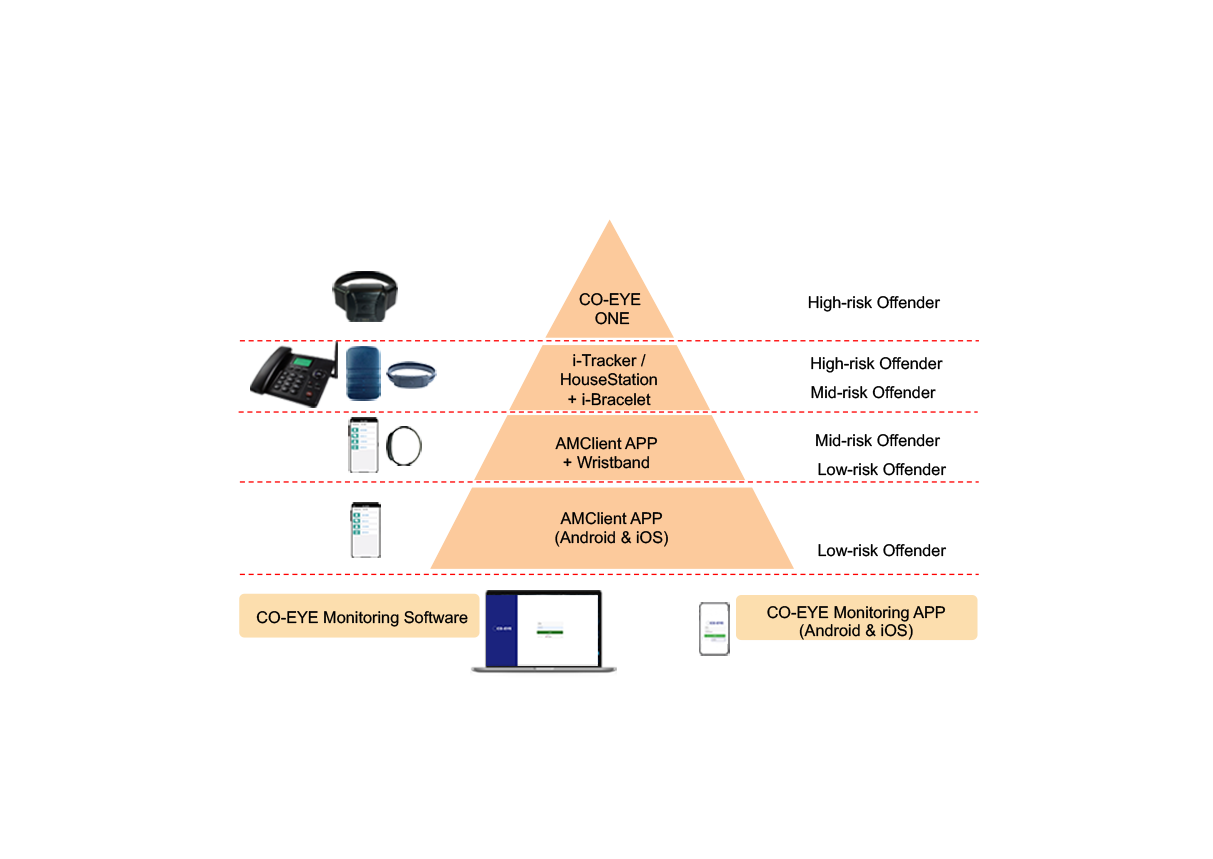
REFINE Technology maps hardware tiers to risk so supervision economics stay transparent:
CO-EYE ONE — one-piece GPS built to cut operational drag
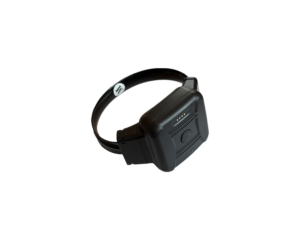
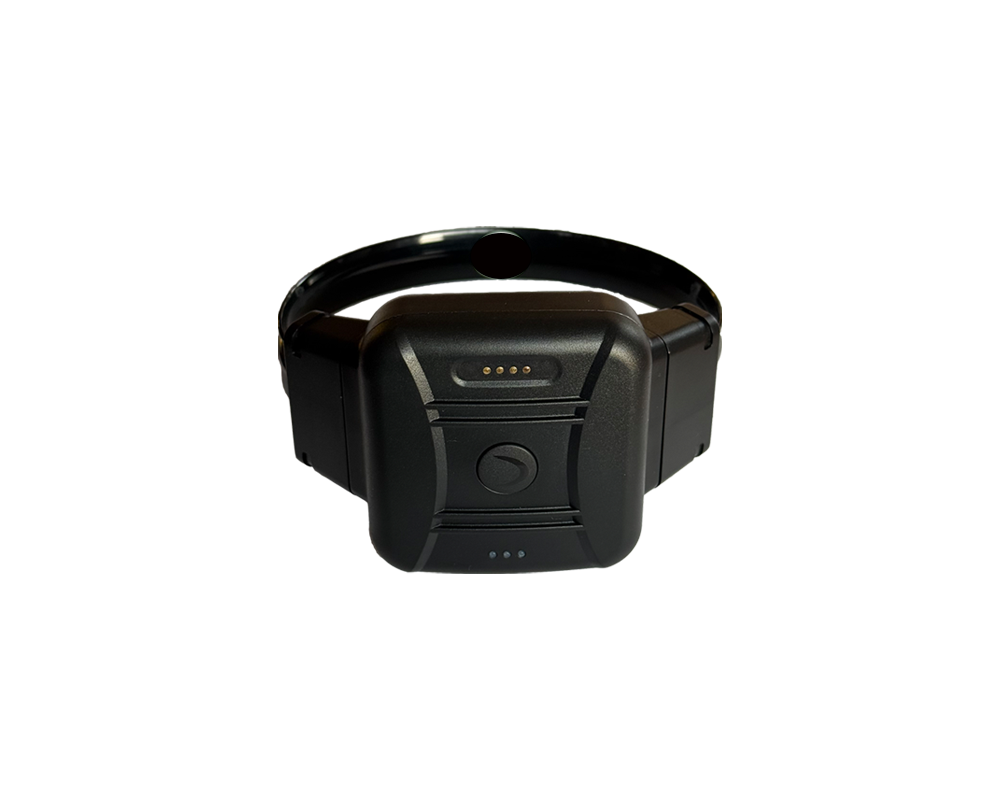
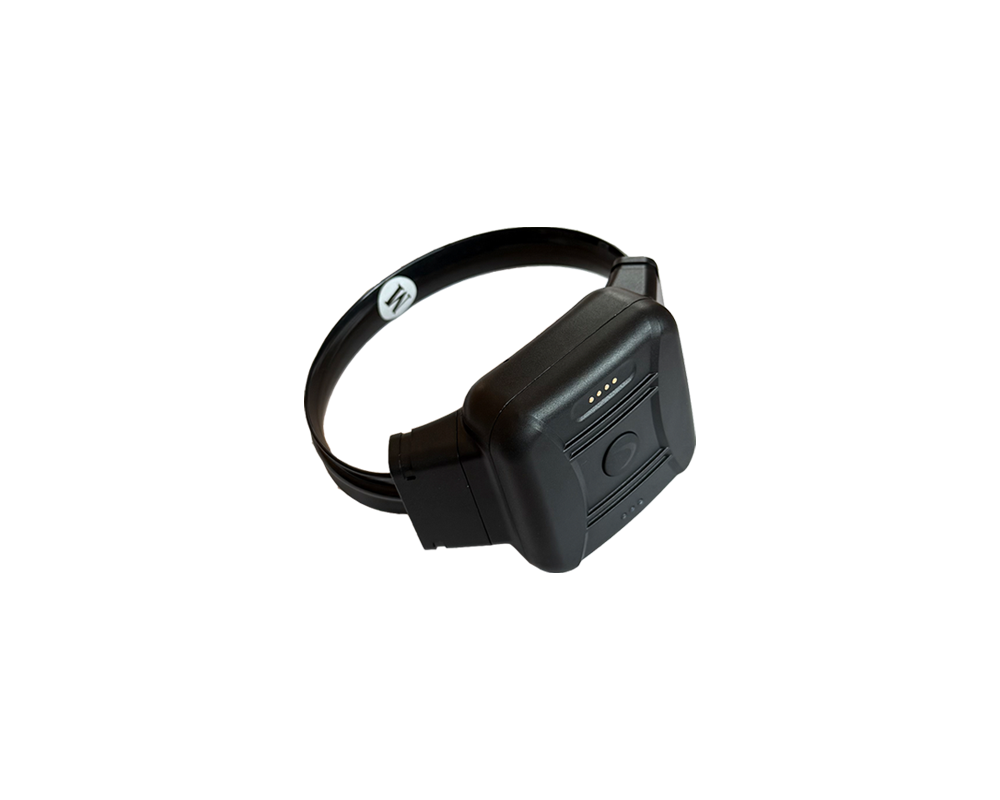
CO-EYE ONE is a 108 g one-piece GPS ankle monitor (about 60×58×24 mm) with fiber-optic tamper detection on strap and case, tool-free install in under three seconds, and about seven days battery life in representative standalone LTE-M/NB-IoT use at a five-minute reporting cadence (about 2.5 hours to full charge). One-piece outdoor GPS avoids separate beacon capital where court orders do not require in-home RF proofing—trimming the base-station bucket common in two-piece bids. Fiber-optic tamper is specified for zero false-positive mechanical strap and enclosure events, reducing unnecessary high-priority queue volume and field callouts.
CO-EYE DUO and HouseStation — when residence proofing is mandatory
CO-EYE DUO targets enhanced tamper continuity for high-assurance tracks. CO-EYE HouseStation delivers RF home verification (approximately 225×173×55 mm, 750 g, enhanced antenna penetration, 433 MHz RF on the order of 50 m indoor / 200 m outdoor per manufacturer specs, plus dual-SIM voice). Beacons add capital and install lines—but when orders demand curfew truth at the doorway, dedicated RF usually beats consumer-router hacks that create alert storms.
CO-EYE AMClient — smartphone supervision for lower-risk tiers
AMClient on iOS/Android provides continuous handset tracking, SOS, scheduled check-ins, and Bluetooth tether patterns. Stratifying low-risk participants onto supervised smartphones while reserving straps for high-risk dockets can lower fleet hardware totals and depot workload without abandoning location accountability.
Next steps: combine this article with the GPS ankle monitor guide, CO-EYE Monitoring Software (alert routing and reporting modules), and detailed pricing analysis for a unified briefing package.
FAQ: ankle monitor cost in 2026
How much does an ankle monitor cost per day?
Public discussions often cite roughly $5–25 per day for active GPS electronic monitoring before waivers; exact pricing depends on jurisdiction, risk, and service bundle.
Is ankle monitor cost the same as equipment price?
No—daily service, cellular, software, and alert labor stack on top of hardware lease or purchase. Ankle monitor cost in finance terms is the sum of those layers.
Who pays?
Participant-pay, agency-pay, and hybrid models all exist; contracts should define subsidies, spare devices, and data overages so responsibility does not drift.
What hidden fees show up most?
Activation, mileage-heavy installs, early termination, false-alarm overtime, short battery life, and cellular plan structures commonly dominate realized spend.
How does monitoring compare to jail on a per-day basis?
Illustrative bands often place EM near $5–25/day versus fully loaded jail near $75–150/day; use auditor-certified figures for official budgets.
Can one-piece GPS reduce totals?
Where outdoor GPS satisfies the order, eliminating separate home beacons avoids roughly $200–400 per residence in many public TCO discussions and cuts pairing logistics.
Does tamper technology affect budgets?
Yes—fiber-optic tamper characterized by zero false-positive mechanical events lowers monitoring-center load versus noisy legacy straps.
Where can I read more?
Use our detailed pricing analysis for extended narrative and tables on ankle monitor cost components.
Last updated March 2026. Figures are illustrative planning ranges; verify local statutes, court rules, and finance allocations. CO-EYE specifications reflect manufacturer documentation at publication.