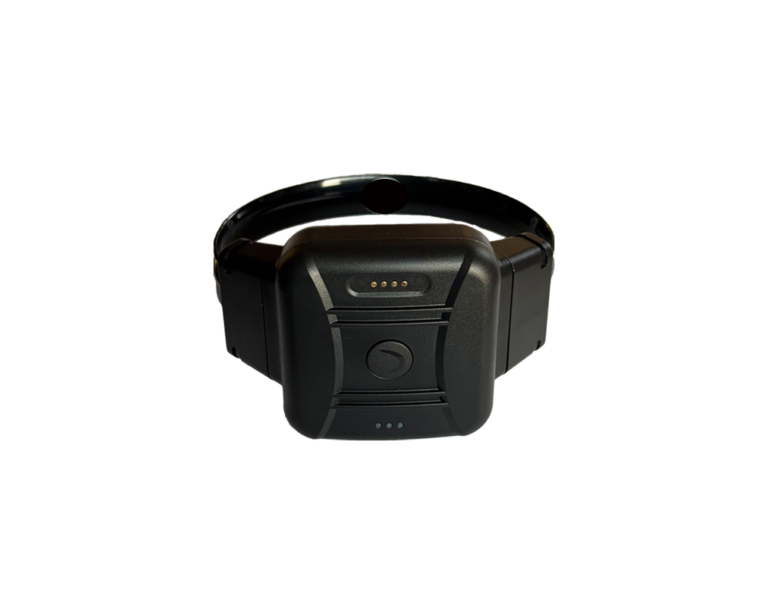
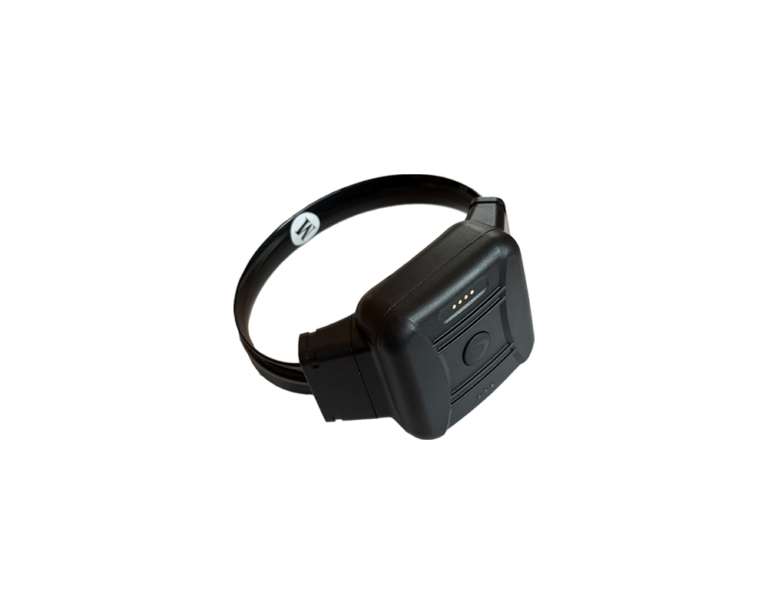
Ankle monitor cost in 2026 spans daily fees ($5–$25/day by technology), GPS hardware ($800–$3,000+ per unit), and hidden TCO from alerts and training. Compare jail vs EM, county vs defendant funding, and CO-EYE ONE savings.
Agency buyers evaluating a GPS ankle bracelet need more than vendor datasheets. This research-dense guide maps NIJ Standard 1004.00 horizontal accuracy thresholds, summarizes the NIJ-sponsored JHU/APL market survey of sixteen GPS ankle bracelet-class devices, defines seven procurement benchmarks (accuracy, weight, battery, tamper, cellular, waterproofing, install speed), connects 2026 state policy drivers, and compares total cost of ownership to incarceration—closing with CO-EYE ONE specifications grounded in the official knowledge base.
Agency procurement guide to the electronic ankle bracelet in 2026: GPS vs RF vs hybrid architectures, cellular backhaul, tamper sensing, battery economics, and how one-piece designs reduce TCO.
Agency buyers comparing GPS ankle bracelet architectures need more than marketing PDFs. This 2026 head-to-head analysis contrasts one-piece and two-piece GPS ankle bracelet designs across weight, battery life, tamper signaling, cellular readiness, installation labor, and total cost of ownership—grounded in procurement metrics and NIJ performance benchmarks.
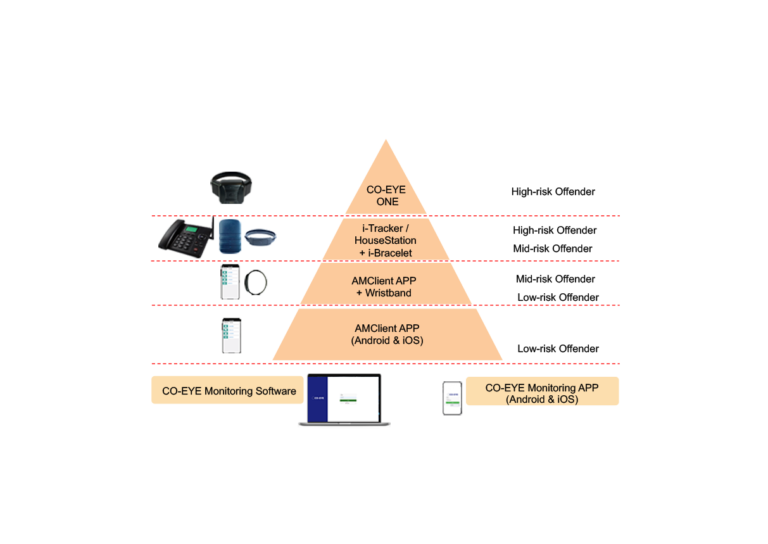
Ankle monitor cost is one of the most searched questions in community corrections. This 2026 guide explains daily monitoring fees, activation charges, payer models, hidden operational costs, and annual TCO for GPS, RF, smartphone, and alcohol-monitoring modalities—plus how modern one-piece hardware and unified software change the supervision budget.
Compare ankle monitor companies and ankle bracelet monitoring companies using accuracy, tamper detection, battery, software, and TCO criteria—plus how CO-EYE stacks up in 2026.