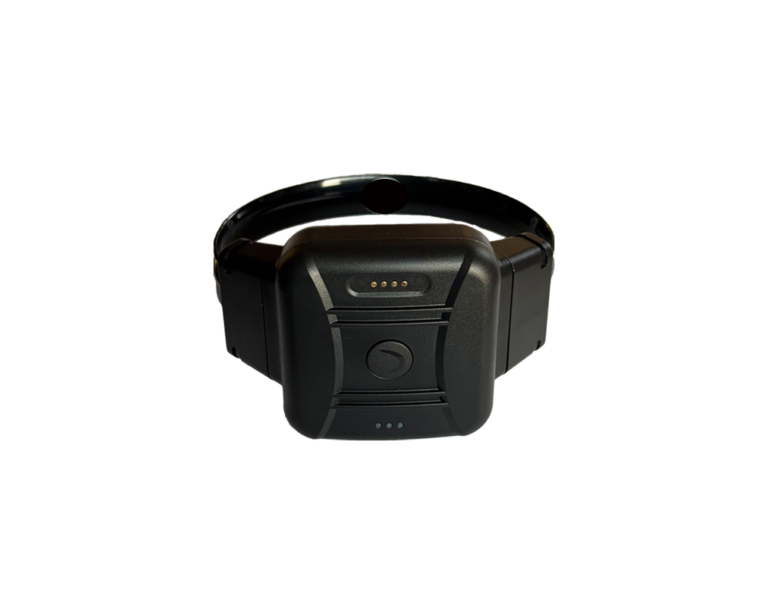
A one-piece GPS ankle monitor integrates GPS, cellular, anti-tamper, and battery in a single ankle-worn unit. This guide covers key specifications, model comparison (standard vs eSIM/BLE variants), selection criteria, and deployment across bail, pretrial, probation, parole, and domestic violence programs.
Defendant GPS tracking systems help bail bond agencies monitor court-ordered defendants, reduce bond forfeiture risk, and ensure compliance. Learn how defendant supervision GPS systems work, what features matter for bail bonds GPS monitoring equipment, and cost analysis versus forfeiture exposure.
Evaluating parole monitoring solutions companies and parole tracking services providers requires an objective vendor framework. Parole supervision technology vendors should meet SLA requirements, offer 24/7 monitoring center services, and support contract negotiation for multi-year state programs. Compare parole GPS tracking services for procurement.
Probation monitoring vendor solutions require evaluation across hardware reliability, software reporting, pricing models, and RFP specifications. Use this evaluation guide with criteria checklist, reference check questions, and RFP guidance for probation supervision technology providers.
GSA Schedule contracts let federal, state, and local agencies purchase GPS ankle monitors at pre-negotiated prices without full competitive bidding. This guide explains how GSA Schedule 84 (Law Enforcement) covers electronic monitoring equipment, how to verify vendor GSA status, the procurement process for Schedule purchases, and alternatives like cooperative purchasing agreements for agencies without GSA access.
County corrections agencies evaluating GPS ankle monitors face a crowded market with 10+ vendors. This comparison rates the leading devices on the criteria that matter most to county programs: false alert rate, battery life, total cost of ownership, ease of installation, and anti-tamper reliability. We compare BI LOC8, Securus BLUtag, SCRAM GPS, SuperCom PureOne, Track Group SecureCuff, and CO-EYE ONE.
Work-release programs reduce recidivism by 5-10% while saving correctional systems $20,000-40,000 per inmate annually compared to full incarceration. GPS ankle monitoring enables secure work-release by verifying inmates follow approved routes and schedules. This guide covers program design, device requirements, geofencing strategies, and outcome data for corrections agencies considering GPS-monitored work-release.
Bail bond agencies lose an estimated $2 billion annually from bond forfeitures. GPS ankle monitoring can reduce forfeiture rates by 30-50% while creating a new revenue stream at $5-15/day per defendant. This guide covers technology selection, business models, legal requirements, and ROI calculations for bail bondsmen considering GPS monitoring programs.
Pretrial EM costs $2-15/day versus $137-550/day for jail detention. Washington DC documented $750/year per participant with 24% fewer pretrial arrests. Cook County data shows GPS monitoring reduced failures to appear by 10.6 percentage points versus unconditional release. Learn how GPS monitoring serves as a cost-effective detention alternative that maintains public safety.