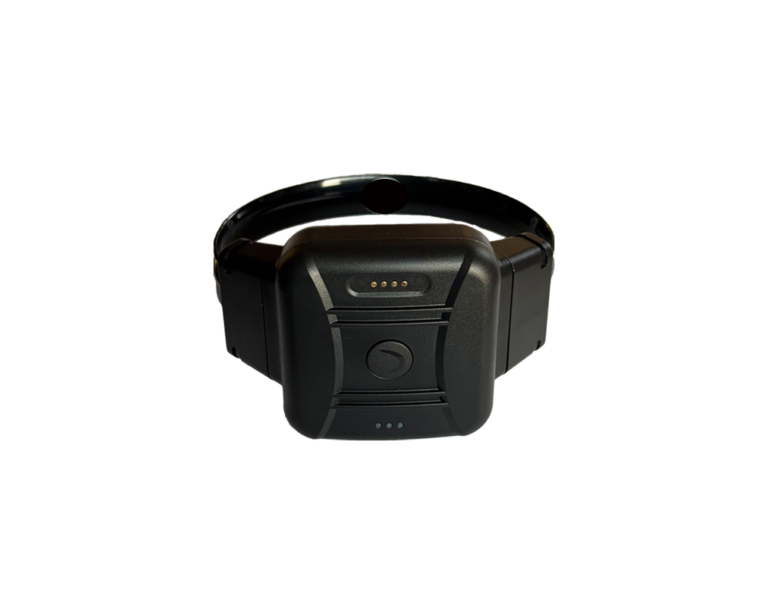
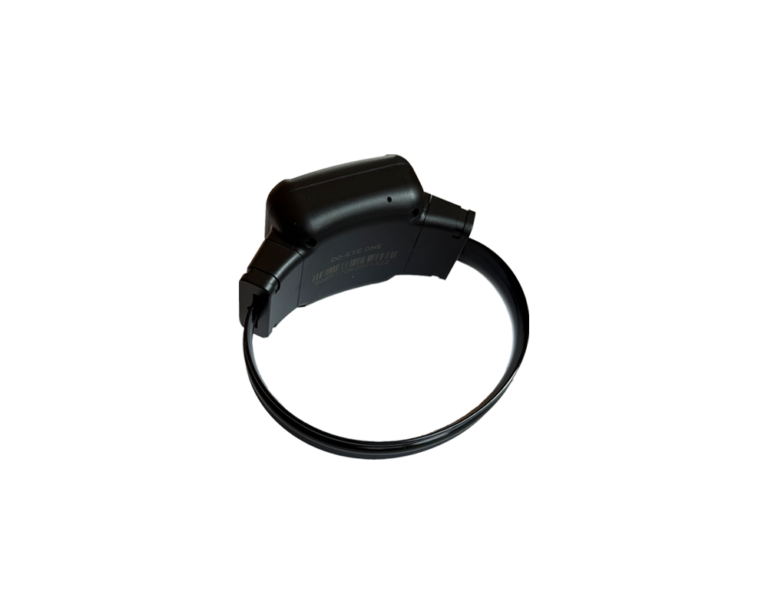
By Kevin Zhao, Senior Product Manager, REFINE Technology I spent last week reading through hundreds of Reddit posts, Quora threads, and public forums where people under electronic supervision describe what it’s like to wear a GPS ankle monitor. The accounts were consistent — and troubling. “I can’t play basketball anymore. The thing shifts around and […]
Procurement and program managers often treat wrist monitors and ankle monitors as interchangeable GPS jewelry. They are not: wrist platforms are engineered around voluntary check-ins and removable wear, while ankle monitors exploit calcaneus anatomy and hardened straps for containment. This guide maps vendor positioning, federal ATD deployment, and biomechanical reality to a defensible risk ladder.
Every law enforcement professional understands a basic truth about handcuffs: they work because they are rigid metal, locked tight around the narrowest point of the wrist, and used for minutes to hours — not months or years. Now consider the challenge of electronic monitoring, where a device must remain securely attached to a person 24 […]
Major U.S. carriers have retired legacy 3G layers, yet thousands of ankle-worn radios still depend on WCDMA air interfaces for heartbeat packets. This replacement guide translates sunset risk into a 90-day migration timeline, a vendor-neutral risk matrix, cost levers, and a procurement checklist aimed at fleet managers who cannot afford a midnight bricking event.
Electronic monitoring centers know the pattern: overnight alerts spike when defendants sleep in basements, steel-framed apartments, or rural pockets where LTE and GNSS fade together. This guide explains why LTE-only architectures hit a hard ceiling—and how WiFi-directed supervision, multi-layer resilience, and practical repeater placement change outcomes for agencies managing GPS ankle monitor caseloads.
If you run an electronic monitoring (EM) program, you already know the feeling: another overnight ping, another “battery low” queue item, another officer deciding whether this is a real emergency or just another charging slip. For many agencies and EM service providers operating legacy LTE-heavy GPS ankle monitor fleets, SCRAM GPS charging problems are not […]
Every electronic monitoring programme has the same dirty secret: GPS ankle bracelets stop working in the places defendants spend most of their time. Basements, industrial buildings, rural homes with poor cellular coverage, and even some urban apartments become supervision blind spots where the device reports “signal loss” and the monitoring centre receives yet another false […]
Electronic monitoring programmes generate thousands of alerts daily — low-battery warnings, signal-loss notifications, zone boundary events, and tamper sensor triggers. The vast majority are false positives that consume officer time without improving public safety. A 500-defendant programme typically processes 50–100 low-battery alerts per day alone, costing an estimated $273,000 annually in response labour. The root […]
It’s 3 AM. Your on-call officer’s phone buzzes again — another low-battery alert. The third one tonight. Is the defendant actually charging their GPS ankle monitor, or are they running? There’s no way to know without dispatching someone. And by 6 AM, your inbox will have 47 more alerts just like it. If you run […]
If your agency is standardizing on electronic monitoring hardware in 2026, one decision keeps resurfacing: should you deploy a GPS ankle bracelet that reports location from the strap itself, or an RF ankle monitor architecture that proves presence relative to a home receiver? The answer is rarely “GPS only” or “RF only.” Most mature programs […]