Government agencies, corrections departments, and bail bond programs that run electronic monitoring programs depend on reliable hardware, stable connectivity, and accountable service partners. Choosing among ankle monitor companies is not a commodity purchase: device weight, tamper signaling, battery life, and total cost of ownership (TCO) directly affect officer workload, court confidence, and participant compliance. This guide explains what these providers do, how to compare them fairly, and how to structure an RFP so procurement teams can defend their selection. See also: electronic monitoring technologies guide for criminal justice (2026). For wearer-facing detail, see what wearers need to know about GPS ankle bracelets.
Readers evaluating ankle monitor companies should also review our deep dives on GPS ankle monitor technology, vendor comparisons for 2026, and pricing and TCO. For program design context, see community corrections solutions and bail and pretrial monitoring. See also our GPS ankle monitor buyer’s guide.
What Are Ankle Monitor Companies?
Ankle monitor companies are organizations that supply GPS and RF electronic monitoring devices, monitoring software, cellular connectivity, and—often—installation, training, and tier-1 support for criminal justice and pretrial programs. The same phrase is used in RFPs and industry media when agencies ask for “ankle monitor companies” capable of meeting state standards, evidence handling, and audit requirements. Many procurement teams also search for GPS ankle bracelet monitoring companies or electronic monitoring companies when the formal category is broader than GPS alone.
In practice, ankle monitor companies may operate as manufacturers, integrators, or managed service providers. Some GPS ankle monitor vendors sell devices to third-party monitoring centers; others deliver an end-to-end stack. When you evaluate finalists, clarify whether you are buying product, service, or both—and whether your contract holds a single throat to choke for outages, strap alerts, and billing disputes.
Why the label “ankle monitor companies” matters in procurement
Using consistent language—ankle monitor companies, ankle bracelet monitoring companies, and electronic monitoring companies—helps align legal, IT, and field supervision teams. It also reduces ambiguity in compliance documentation. Programs that say only “vendor” often discover too late that hardware, airtime, and software were sourced from different GPS ankle monitor vendors with incompatible SLAs.
Key Criteria for Evaluating Ankle Monitor Companies
Serious buyers score ankle monitor companies on dimensions that predict daily operations, not brochure claims. Use the matrix below as a starting scorecard when you compare ankle bracelet monitoring companies side by side. The same framework applies when you shortlist electronic monitoring companies for statewide contracts or local pilot rollouts.
| Criterion | What to verify | Why it matters |
|---|---|---|
| Weight and comfort | Device mass, strap ergonomics, discreet profile | Heavier units increase skin irritation complaints and tamper attempts driven by discomfort. |
| Tamper detection | Strap, case, and cut resistance; false-positive rate methodology | False alerts erode court trust and consume officer time. |
| Battery life | Active GPS reporting interval vs. days on a charge | Short cycles drive field visits, charging failures, and abscond risk. |
| GPS accuracy | Open-sky vs. urban canyon performance; multi-constellation support | Poor fixes generate geofence errors and contested violations. |
| Cellular connectivity | Modern LTE-M/NB-IoT/5G readiness vs. legacy sunsetting bands | Carrier sunsets strand devices and force costly swaps. |
| Software platform | Alerts, caseload workflows, APIs, audit logs, role-based access | Agencies need defensible data trails and efficient caseload management. |
| TCO | Hardware, airtime, spare inventory, training, false-alert labor | The cheapest per-unit quote from shortlisted suppliers is rarely the lowest TCO. |
When you interview finalists, ask for reference deployments with similar caseload size and risk mix. Push electronic monitoring companies to document mean time to resolve connectivity tickets and the process for firmware updates across deployed fleets. The best GPS ankle monitor vendors publish clear escalation paths and evidence-friendly exports.
Documentation and compliance expectations
Beyond the table, many solicitations require CJIS-adjacent controls, chain-of-custody discipline, and export compliance. Top-tier suppliers anticipate those questions; weaker ankle bracelet monitoring companies stall on security questionnaires. Treat delays as a signal about maturity.
Major Ankle Monitor Companies in 2026
The following vendor roundup names established electronic monitoring companies commonly encountered in North American and global tenders. It is not an endorsement list; agencies should validate fit against local statutes and monitoring-center capabilities. When agencies compare finalist solutions, they should demand apples-to-apples reporting intervals and tamper definitions.
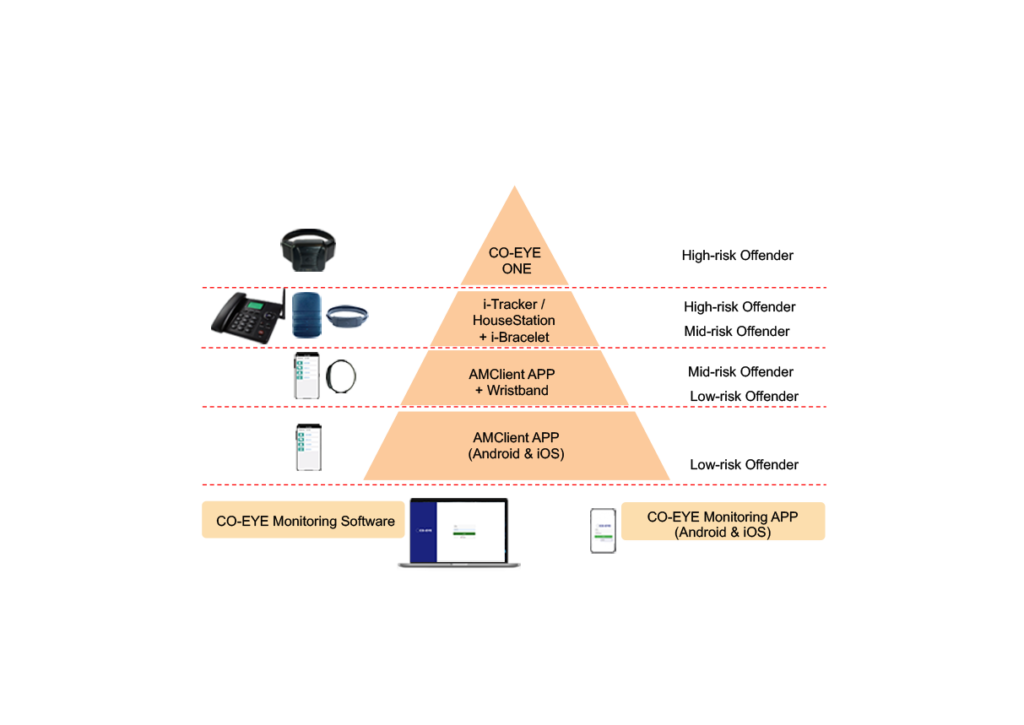
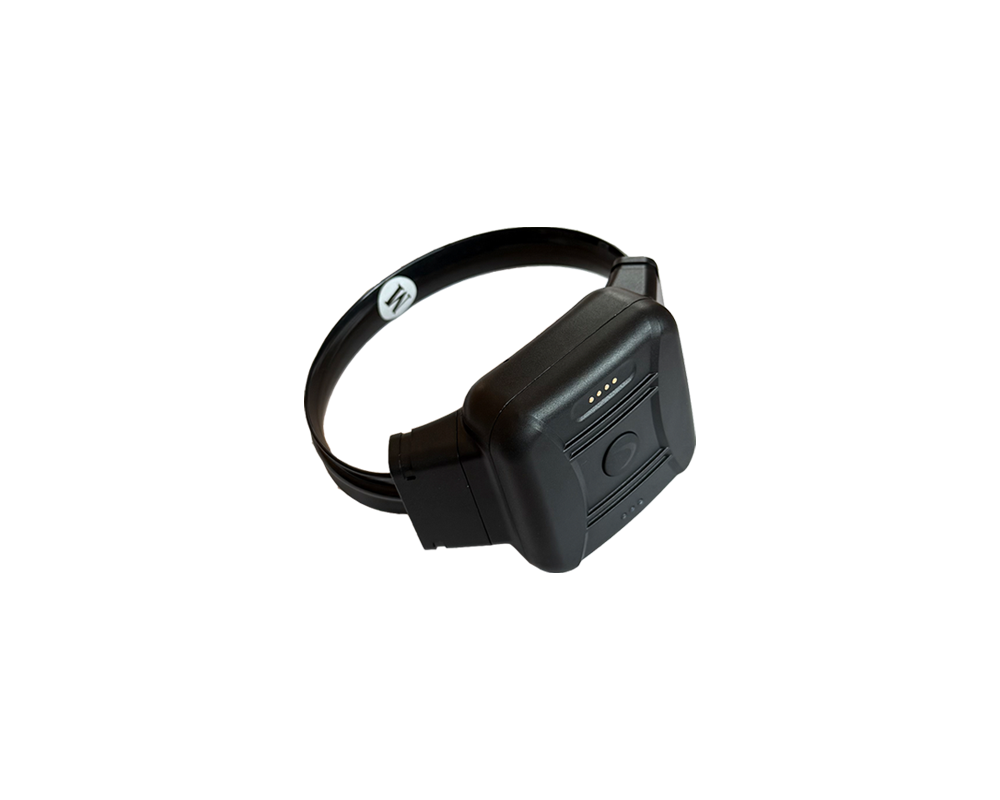
- REFINE Technology (CO-EYE) — Manufacturer positioning for agencies that want modern one-piece GPS hardware with fiber-optic tamper detection, 5G-compatible cellular paths, and multi-constellation GNSS. CO-EYE ONE is a reference design many GPS ankle monitor vendors benchmark when discussing weight and install time.
- SCRAM Systems / Alcohol Monitoring Systems — Longstanding alcohol and location programs; strong brand recognition among community corrections teams evaluating ankle bracelet monitoring companies.
- BI Incorporated (GEO Group) — Large installed base across U.S. jurisdictions; frequently appears on shortlists when states rebid electronic monitoring companies.
- Track Group — Known for ReliAlert and related GPS lines; often reviewed alongside other national EM providers.
- Geosatis — European-rooted one-piece GPS offerings often compared in international RFPs that mention GPS ankle monitor vendors.
- SuperCom — International EM vendor active in multiple regions; sometimes competes with other global hardware suppliers on multi-country tenders.
- Buddi — UK-associated brand frequently cited when British-style electronic monitoring companies enter comparative studies.
Agencies comparing vendors in this category should read independent literature on false tamper rates and officer workload—then require each bidder to map its architecture to those operational costs. For a structured product comparison, see our SCRAM GPS vs CO-EYE ONE comparison and the CO-EYE ONE product page.
CO-EYE Technology Advantages
Among leading GPS ankle monitor vendors, hardware differentiation shows up in grams, seconds, and signal integrity. CO-EYE ONE is built as a one-piece GPS ankle monitor at 108 g—a meaningful comfort advantage when programs compare leading ankle bracelet monitoring companies. Fiber-optic tamper detection on strap and case targets zero false-positive tamper signaling relative to legacy resistive approaches, which helps agencies that have struggled with alert fatigue from other electronic monitoring companies.
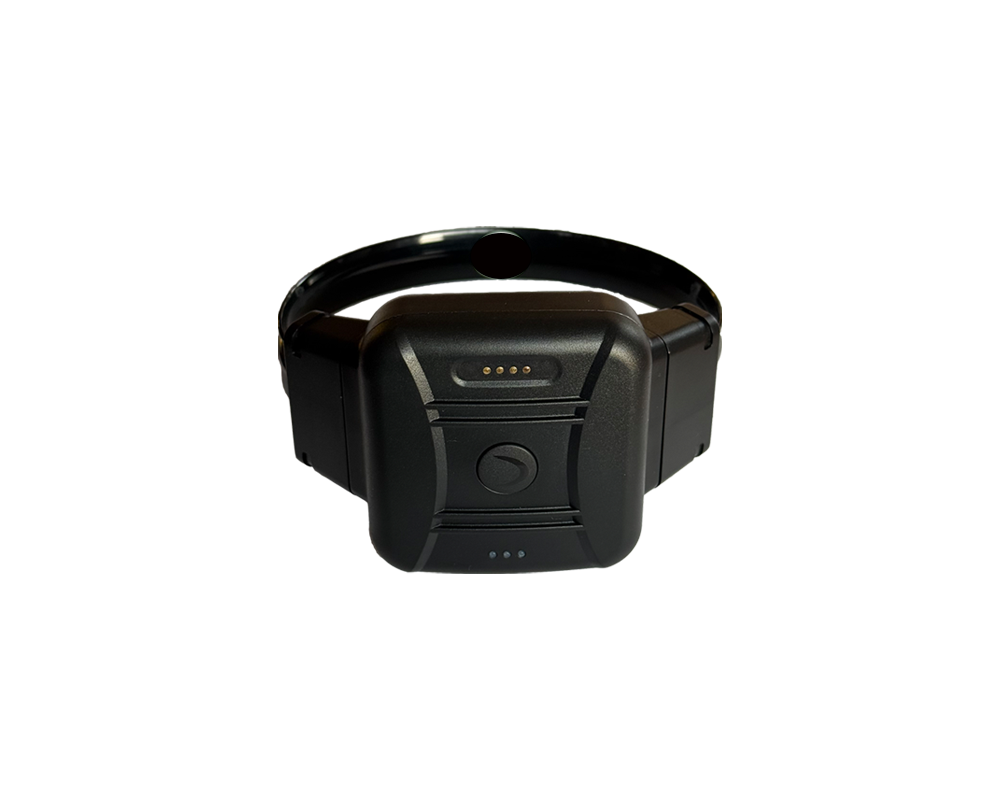
Operational teams evaluating GPS ankle monitor vendors also care about field time: CO-EYE emphasizes under three seconds for tool-free installation, reducing appointment backlog. Battery life is rated at seven days in standalone reporting configurations appropriate for many community supervision use cases—directly impacting how often officers chase charging failures compared with some legacy devices from other suppliers. Cellular strategy emphasizes 5G-compatible LTE-M/NB-IoT paths alongside GSM coverage, addressing carrier evolution that otherwise forces premature refresh cycles for less future-ready ankle bracelet monitoring companies.
On positioning, multi-constellation GNSS (GPS, BeiDou, GLONASS, Galileo) plus Wi-Fi and LBS assistance supports more stable tracks in urban environments—a common evaluation gap when spreadsheets from different electronic monitoring companies look similar on paper. IP68 waterproofing supports showering and weather exposure without consumer-grade compromises. For buyers who want a specifications-first walkthrough, the CO-EYE ONE product page anchors these claims for side-by-side review against other GPS ankle monitor vendors.
Quick comparison: why programs shortlist CO-EYE
| Vendor / product line | Form factor | Highlighted engineering focus | Notes for buyers |
|---|---|---|---|
| CO-EYE ONE (REFINE Technology) | One-piece GPS ankle monitor, 108 g | Fiber-optic tamper detection; 7-day battery; <3 s install; 5G-ready cellular; multi-constellation GNSS; IP68 | Strong when agencies prioritize low officer overhead and modern cellular roadmaps. |
| SCRAM Systems (GPS lines) | Often two-piece or hybrid architectures depending on program | Broad U.S. program recognition; alcohol portfolio depth | Compare GPS reporting intervals and charging workflows vs. one-piece options. |
| BI Incorporated | Multiple device families | Scale and service footprint | Validate tamper philosophy and mean time to clear alerts. |
| Track Group | GPS hardware under ReliAlert family branding | National monitoring integrations | Review device refresh cycles against carrier sunsets. |
| Geosatis | One-piece European designs | International deployments | Map support SLAs to your jurisdiction. |
| SuperCom | Multi-region EM stacks | Global tenders | Confirm domestic stocking and escalation paths. |
| Buddi | UK-associated EM hardware | Commonwealth program references | Check cellular banding for your country. |
This table is a decision-support snapshot, not a substitute for pilot data. The strongest ankle monitor companies welcome field trials with transparent logs. If your team is still building category knowledge, start with the GPS Ankle Monitor Ultimate Guide and the Best GPS Ankle Monitors 2026 article before locking requirements.
How to Choose the Right Ankle Monitor Company
Selecting among ankle monitor companies should follow a disciplined sequence: define risk tiers, publish minimum technical requirements, run a structured pilot, then score TCO. Programs that skip steps often overpay electronic monitoring companies for features they will never use—or underbuy and spend more on officer overtime than better hardware would have cost.
Step 1: Align stakeholders on outcomes
Probation, pretrial services, sheriffs, and vendor monitoring centers may weight criteria differently. Agree whether your primary pain is false tamper volume, missed location fixes, charging churn, or integration with court calendars. That alignment keeps RFP language precise when you invite ankle bracelet monitoring companies to respond.
Step 2: Write testable requirements
Replace vague asks like “high accuracy GPS” with measurable targets: geofence entry/exit latency, maximum allowable missed pings per day at a defined reporting cadence, and tamper confirmation rules. The strongest solicitations force every bidder among GPS ankle monitor vendors to attach raw logs—not marketing PDFs.
Step 3: Pilot with representative participants
Include urban, suburban, and rural wearers if your catchment is mixed. Pilots reveal how shortlisted GPS ankle monitor vendors behave when cell sectors hand off, when participants work indoors, and when straps are stressed during legitimate activity. Compare pilot results across ankle monitor companies using the same scoring sheet you intend for final award.
Step 4: Negotiate service levels, not only price
Many failures attributed to “bad GPS” are actually provisioning or support failures. Contracts with electronic monitoring companies should specify uptime targets, spare-pool depth, and training refresh cadence. Programs serving bail and pretrial populations may need faster device swaps than standard community corrections averages—document those expectations up front.
TCO Comparison Across Ankle Monitor Companies
Total cost of ownership separates serious suppliers from vendors that win on per-unit price alone. TCO for ankle bracelet monitoring companies typically includes:
- Capital or lease costs for devices and charging accessories.
- Cellular airtime and any overage exposure across the contract term.
- Labor for officer responses to tamper and low-battery alerts—often the largest hidden line item when comparing electronic monitoring companies.
- Training and change management when switching GPS ankle monitor vendors.
- Refresh risk if older modems cannot ride carrier roadmap changes.
Programs that standardized reporting intervals and geofence rules during pilot can model officer minutes per hundred participants. Multiply those minutes by loaded salary rates and you will often find that lighter, faster-installing hardware from forward-looking suppliers pays back within a single budget cycle. For pricing benchmarks and fee structures commonly seen in the market, use the Ankle Monitor Cost Guide alongside vendor quotes.
Also connect TCO to program design: intensive community corrections caseloads may tolerate different charging patterns than high-flight-risk pretrial tracks. The right choice among competing ankle monitor companies is the one that minimizes downstream labor and evidence disputes—not the one with the flashiest brochure.
Frequently Asked Questions About Ankle Monitor Companies
What do ankle monitor companies actually provide?
Most suppliers categorized as ankle monitor companies provide wearable hardware, secure location reporting, alert rules, and software dashboards. Many electronic monitoring companies also bundle airtime, training, and help-desk support. Always confirm whether your award is device-only or full service.
Are ankle bracelet monitoring companies the same as GPS ankle monitor vendors?
Often, yes. Agencies use both phrases interchangeably. Some ankle bracelet monitoring companies also sell RF home detention beacons or smartphone check-in apps, so clarify modality in your RFP.
How should we compare ankle monitor companies fairly?
Use identical reporting intervals, geofence definitions, and tamper confirmation steps during pilot. Score ankle monitor companies on the seven dimensions in this guide—especially tamper false positives and officer labor.
Which criteria matter most for pretrial programs?
Pretrial teams usually prioritize fast install, stable connectivity, and low false tamper rates to protect docket credibility. Review bail and pretrial solutions for program-context requirements before you shortlist GPS ankle monitor vendors.
How does CO-EYE compare with larger legacy ankle monitor companies?
CO-EYE emphasizes lightweight one-piece hardware (108 g), fiber-optic tamper detection with zero false-positive design goals, seven-day battery life, sub-three-second installation, 5G-compatible cellular, multi-constellation GNSS, and IP68 waterproofing. Compare those metrics directly in your pilot against other established GPS ankle monitor vendors.
Where can we get pricing and a formal quote?
Use Contact Sales or Request Quote on the CO-EYE ONE product page so procurement teams receive specification sheets aligned to your monitoring-center integration needs.
If you are ready to move from market scan to structured evaluation, assemble your scoring sheet, schedule a pilot cohort, and require every shortlisted bidder to submit identical log exports. That discipline protects public trust and keeps officers focused on supervision—not chasing preventable alerts from ankle bracelet monitoring companies that promised more than their hardware could deliver. Well-run programs revisit their hardware strategy whenever carrier roadmaps, caseload risk, or court evidentiary standards shift materially.